


Water Testing in Sunnyvale: Know What’s In Your Water Before You Treat It
Professional water testing that tells you what is actually in your supply, so you buy the treatment your water needs instead of the one you guessed at.
What’s Covered on This Page
- Signs Your Water Needs Testing
- Municipal Supply vs Private Well Testing
- When a Test Strip Is Enough
- What Happens During a Professional Water Test in Sunnyvale
- After the Test: Reading Results and Preventing Repeat Problems
- How fast can you get someone out to test my water in Sunnyvale?
- What happens when your technician shows up for a water test?
- Do I need to test my water if my Sunnyvale home is on a well?
- Is a drugstore test strip good enough, or should I call a professional?
- What’s different about testing city water versus well water in Sunnyvale?
Signs Your Water Needs Testing
How do you know it’s time? It starts small. A white ring around the tub. Spots on your dishes that won’t wipe off. That’s hard water leaving mineral deposits behind. It’s the most common thing we test for here in Sunnyvale.
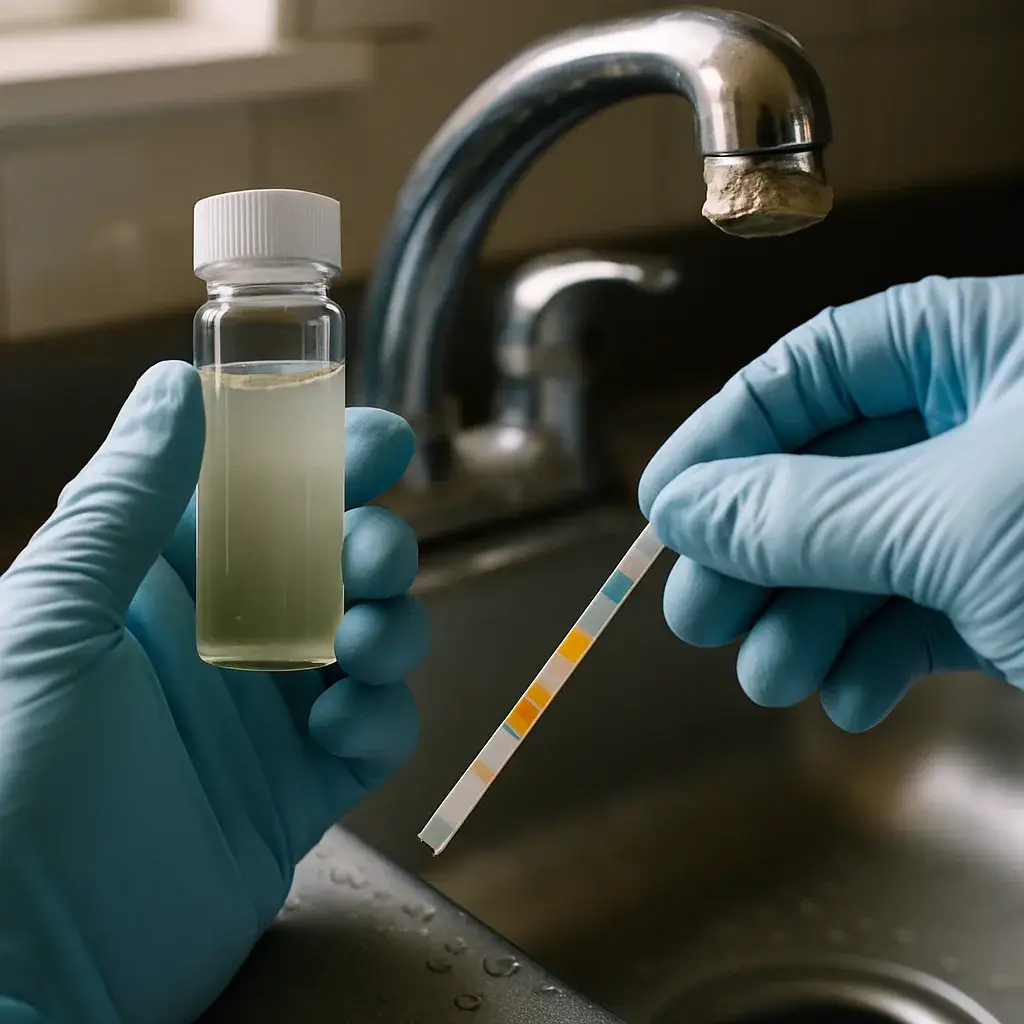
Hardness isn’t the only clue. Your water heater might work harder, or make popping sounds. This often means scale buildup inside the tank. Faucets that fail over a few years can mean the same thing. If your water smells like chlorine, sulfur, or metal, that’s worth a look too.
- Cloudy or discolored water coming from the tap
- A rotten-egg or metallic smell, especially from hot water
- Skin feeling dry or itchy after showers
- Scale buildup inside kettles, coffee makers, or the water heater
- You just bought a home in Sunnyvale on well water and have never had it tested
Here’s something folks don’t always think about. Sunnyvale sits across the Dallas County and Kaufman County line. Properties on the Kaufman County side are more likely to run on private well water instead of city supply. Well water doesn’t get the same oversight municipal water does. It can carry iron, sulfur, or bacteria that city water rarely has. If you’re on a well and it’s been a while, that’s reason enough to test.
Not sure if what you’re seeing counts as a real problem? That’s common, and it’s exactly what testing is for.
Municipal Supply vs Private Well Testing
Here’s something a lot of folks don’t think about until we’re standing in their kitchen. Not every home in Sunnyvale gets water from the same place. Some properties tie into municipal supply. Others out toward the edges of town still run on a private well. That difference changes what we test for.
City water in Sunnyvale already goes through treatment before it hits your tap. So testing there usually focuses on what happens after treatment. This includes hardness, chlorine levels, pH, and whether your home’s own pipes are adding anything unwanted like iron from old galvanized lines. Well water is different.
- Bacteria and coliform screening, since wells aren’t chlorinated the way city supply is
- Nitrate levels, especially relevant near properties with septic systems or ag land nearby
- Iron and sulfur, common culprits behind staining and that rotten-egg smell
- pH and hardness, which affect everything from soap performance to pipe corrosion
We see this every week. Somebody calls about a smell or a stain. Once we ask where their water comes from, half the diagnosis is already done. Well water testing almost always runs a bit more involved than municipal testing. That affects whether lab analysis gets added. If you’re not sure which one you’ve got, that’s common too, especially on older properties that changed hands. We’ll figure it out on-site before we run a test.
When a Test Strip Is Enough
Let’s be honest here. If all you want is a rough read on hardness or chlorine before buying a pitcher filter, a drugstore test strip works fine. Dip it, wait thirty seconds, compare the color chart. Done. We won’t tell you to call a pro for that.
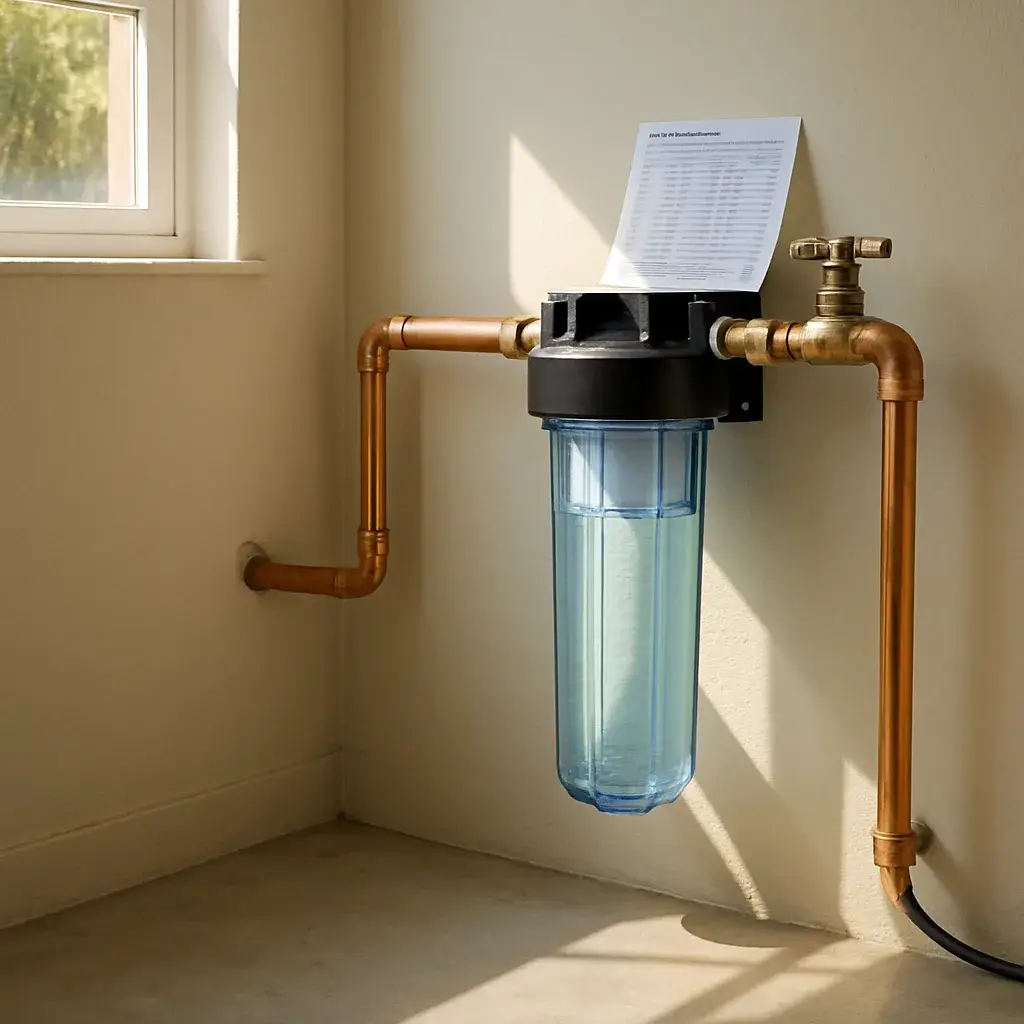
Strips are cheap, fast, and good at one thing: giving you a ballpark number. They’re not built for anything more. Most only cover hardness, chlorine, and maybe pH. They can’t tell you iron levels. They can’t catch bacteria. They definitely can’t flag the metals or contaminants that matter for your family’s health.
- You just want to confirm your water is hard before buying a softener, nothing more
- You’re on city water and just want a quick chlorine taste-and-smell check
- You’re not seeing any staining, odor, or plumbing wear, just curious
Now, if you’re on a well, or your property sits closer to the Kaufman County side where well water is more common, a strip won’t cut it. Well water needs a real look at iron, pH swings, and bacteria risk that strips can’t measure. If you’re seeing rust stains in the tub, white scale on faucets, or your water heater is dying young, that’s your house telling you something a strip can’t confirm.
When someone calls us after a strip test, it’s because the strip raised more questions than it answered.
Thinking about Water testing? Let’s talk.
Call Today, Get Service Today. Xtreme Air Services is ready to help.
What Happens During a Professional Water Test in Sunnyvale
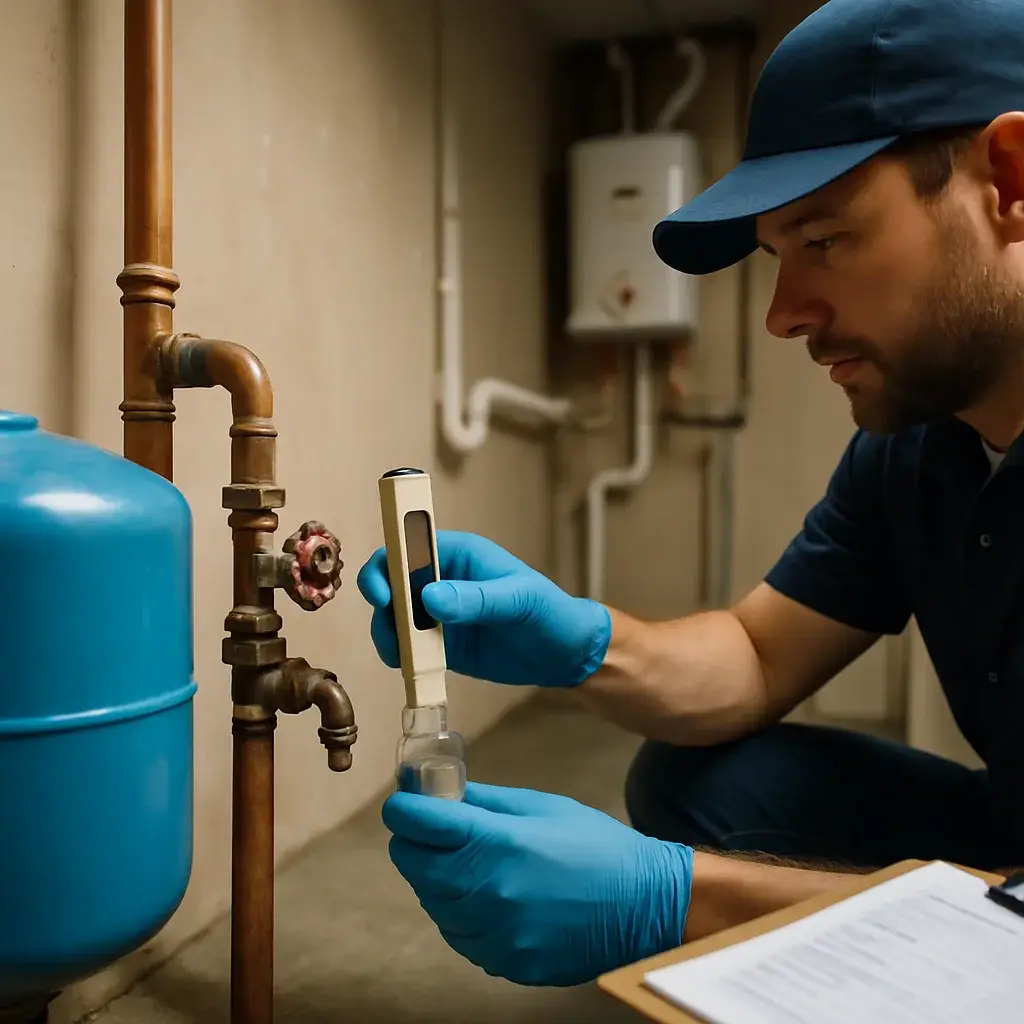
Here’s what happens. A technician shows up. The first thing we ask is simple: city water or well? That matters more than most folks think. Sunnyvale sits right on the Dallas and Kaufman county line. Depending on which side of town you’re on, you might be on a municipal supply or pulling from a private well. Each one gets tested differently.
- We pull samples from at least one indoor tap, usually the kitchen, since that’s where most of your drinking water comes from.
- We check hardness first. Hard water is the number one complaint we hear across North Texas. It shows up fast in mineral buildup on faucets and water heaters.
- We test chlorine, iron, and pH right on the spot, no waiting around.
- If something looks off, like unusual color or smell, we flag it for lab analysis instead of guessing.
- We write everything down in a summary you can read, not a stack of numbers with no explanation.
The whole visit usually takes less than an hour. We don’t rush through the results conversation. That part matters as much as the testing itself. Often, a homeowner already suspects hard water is the problem before we test. They just want proof and a plan. We give you both.
You’ll walk away knowing exactly what’s in your water and what it’s doing to your pipes, your appliances, and your water heater.
After the Test: Reading Results and Preventing Repeat Problems
Once the testing’s done, you get a written summary, not a stack of confusing lab jargon. It spells out your hardness reading in grains per gallon, your pH, iron levels, chlorine, and anything else that showed up. Anything past 7 grains per gallon counts as hard water. Most homes we test around Sunnyvale land past that mark.
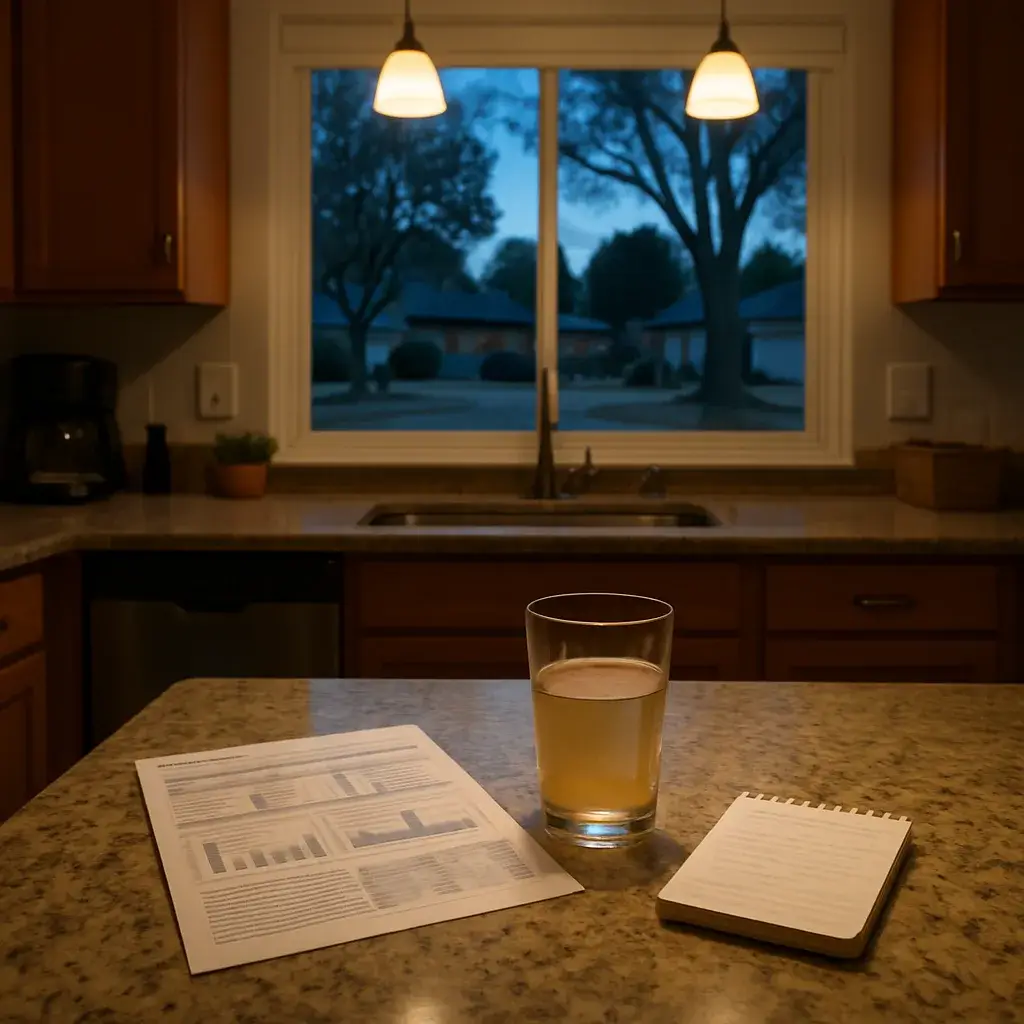
Here’s the thing about a lot of homes off U.S. 80 and the older streets nearby, built back in the 1970s and 80s. They still run galvanized supply lines in places. Those pipes show scale and rust faster once hardness creeps up. So a reading that looks mild on paper can still mean a water heater working overtime, or spots on your dishes that never quite go away.
Water supply in this part of North Texas can shift after heavy rain, since surface sources feed a lot of area systems. That’s why we tell folks not to treat one test as the final word. If your water suddenly tastes different or your skin feels dry after a shower that never used to bother you, that’s worth a second look. Don’t shrug it off.
The fix is simple once you know the numbers. But skipping the retest after you install a softener or filter is how people end up back at square one a year later, wondering why the spots came back.
Frequently Asked Questions
Common questions about Water testing
How fast can you get someone out to test my water in Sunnyvale?
We offer same-day service six days a week across Sunnyvale and the surrounding DFW towns. Most calls get a technician out the same day you reach out, especially if you’re seeing stains, smells, or scale buildup already. When you call, tell us whether you’re on city water or a well near the Kaufman County line, since that helps us bring the right equipment on the first visit.
What happens when your technician shows up for a water test?
The technician starts by asking if you’re on municipal supply or a private well, since that changes what gets tested. From there, we pull a sample from an indoor tap, usually the kitchen, and check hardness, chlorine, iron, and pH on the spot. If anything looks off, we flag it for lab analysis. The whole visit usually takes less than an hour, and you get a written summary you can understand.
Do I need to test my water if my Sunnyvale home is on a well?
Yes, well water on the Kaufman County side of Sunnyvale should get tested yearly. Private wells don’t get the same oversight or chlorination that city supply does, so they can carry bacteria, iron, or sulfur that municipal water rarely has. This matters even more if you just bought a home and don’t know its testing history. A yearly check catches problems before they show up as stains or odor.
Is a drugstore test strip good enough, or should I call a professional?
A test strip is fine if you just want a rough read on hardness or chlorine before buying a pitcher filter. It’s cheap and fast, but it can’t catch iron, bacteria, or the metals that matter for your family’s health. If you’re seeing rust stains, white scale on faucets, or your water heater is failing young, that’s your house telling you something a strip can’t confirm. That’s when a professional test makes sense.
What’s different about testing city water versus well water in Sunnyvale?
City water testing focuses on what happens after treatment, like hardness, chlorine, and pH, since Sunnyvale’s municipal supply is already treated before it reaches your tap. Well water testing goes further, checking for bacteria, nitrates, iron, and sulfur, since wells aren’t chlorinated the way city supply is. Knowing which one you have narrows down the problem fast. If you’re not sure which one your property uses, we’ll figure it out on-site before running anything.
Ready to Get Started?
Call 972-288-2263 Today, Get Service Today.