


Carbon Monoxide Testing in Sunnyvale: Don’t Wait for the Alarm
Professional carbon monoxide testing that finds the slow leaks a store-bought alarm can miss, with a clear line between a routine check and an emergency.
What’s Covered on This Page
- Warning Signs That Call for a Carbon Monoxide Check
- Emergency Alarm Versus Routine Testing: How to Decide
- Why Store-Bought Alarms Can Miss a Slow Leak
- What Happens During a Professional CO Assessment
- When You May Not Need a Site Visit Yet
- How soon can someone come test for carbon monoxide in Sunnyvale?
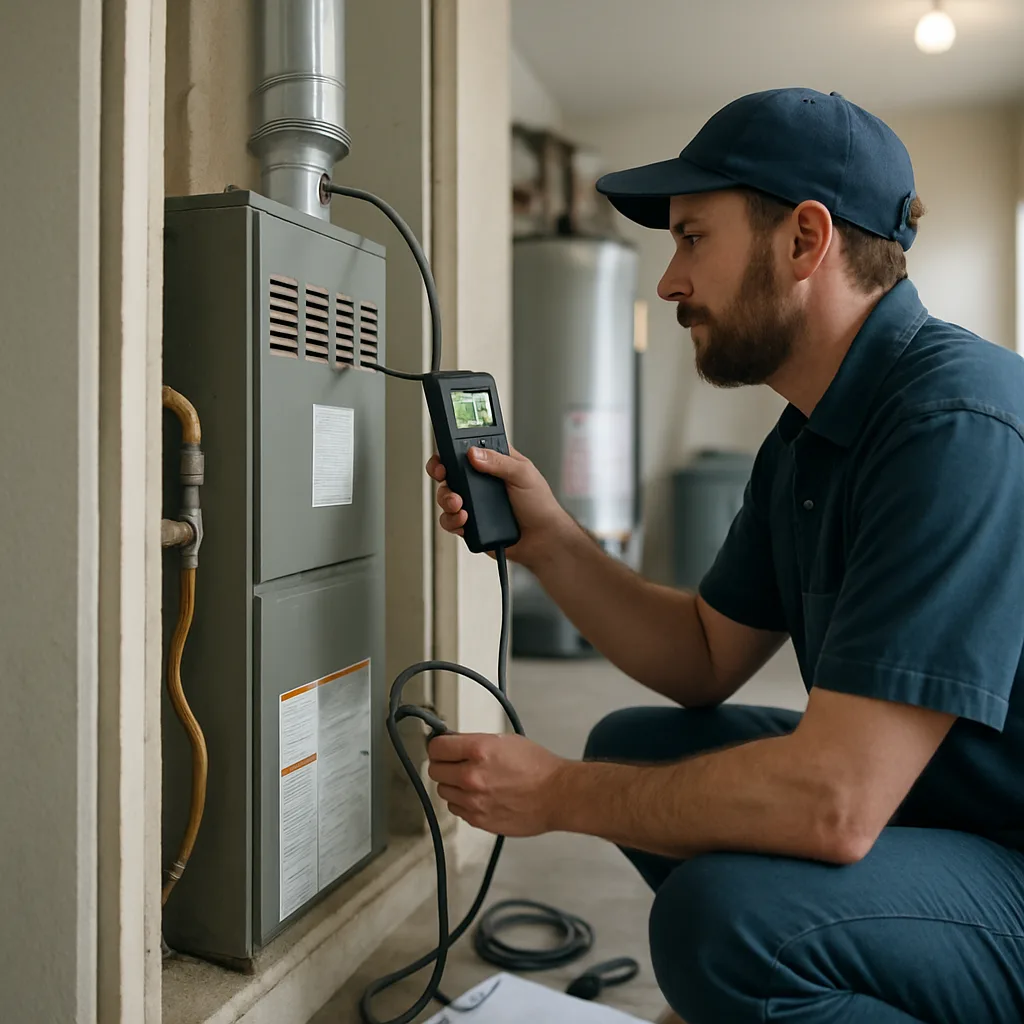
- What happens when your technician arrives for a CO test?
- Why do so many Sunnyvale homes have hidden carbon monoxide risks?
- Can my store-bought CO alarm replace professional testing?
- Do I need a CO test if my detector hasn’t gone off?
- What symptoms mean I should call right away instead of scheduling a routine test?
Warning Signs That Call for a Carbon Monoxide Check
Carbon monoxide has no smell or color, so many Sunnyvale homeowners don’t think about it until something feels off. You might have a headache that won’t quit or feel tired for no clear reason. Your pet may also act sluggish. We hear that story a lot.
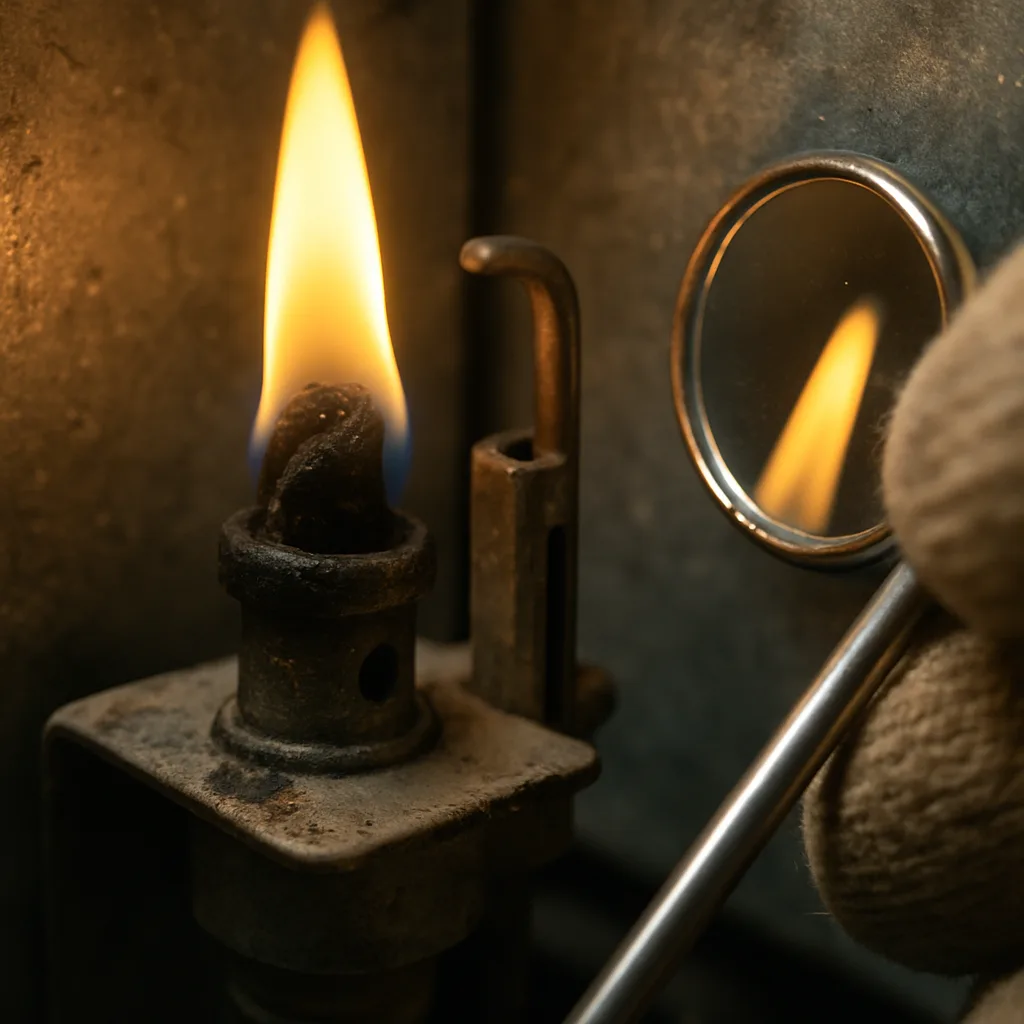
What should you watch for? Your furnace is often the source, so pay attention to soot marks around the unit. Look for a yellow or flickering pilot light instead of a steady blue flame. Check for rust on the flue pipe. If your carbon monoxide detector is chirping or sounding an alarm, call right now.
- Headaches, dizziness, or nausea that improve once you leave the house
- A yellow or flickering pilot light instead of steady blue
- Soot or dark staining around the furnace or vents
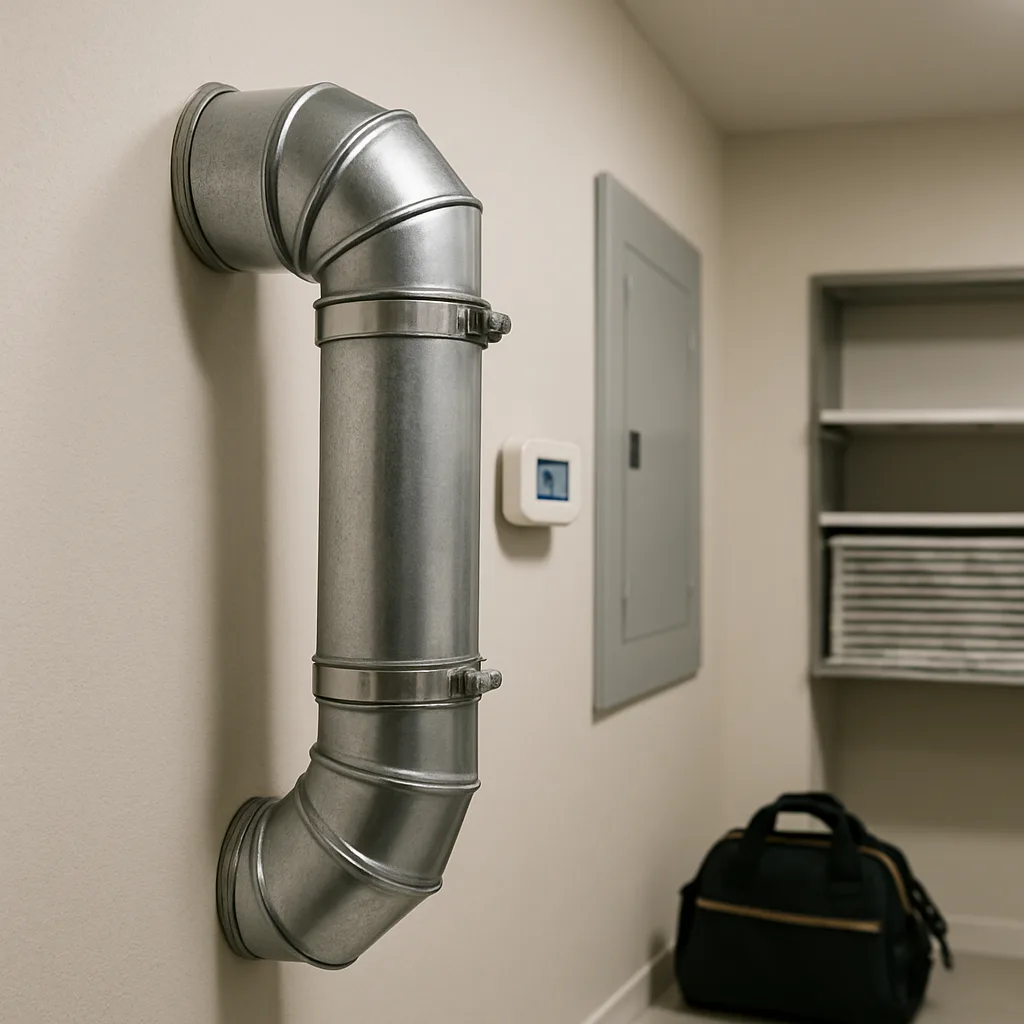
- A rusted or disconnected flue pipe
- Excess condensation on windows near gas appliances
Older furnaces and cracked heat exchangers are the usual culprits. We see this every week during the first cold snap, when systems start after sitting idle all summer. If you feel foggy at home and fine everywhere else, that pattern alone is worth a call.
Emergency Alarm Versus Routine Testing: How to Decide
Not every carbon monoxide concern has the same urgency. Is your alarm sounding while someone in the house has a headache, dizziness, or nausea? That’s not a testing question. Get everyone outside first, call 911, and then call us.
- Alarm sounding plus headache, dizziness, or confusion in anyone home
- A gas furnace or water heater that just started making unusual smells or soot marks
- Flu-like symptoms that only happen at home and go away when you leave
That’s an emergency. Routine testing is different, and it’s the more common call we get. No alarm is sounding, and nobody feels sick. You just want to check that your furnace and water heater aren’t leaking before winter sets in. Many Sunnyvale homes have furnaces in the attic. That setup can hide a slow leak for months because nobody checks the attic regularly.
How do you decide? Ask yourself one question: Is anyone showing symptoms now, or is this a peace-of-mind check? Symptoms mean it’s an emergency, and you don’t need a testing appointment first. Routine testing makes sense when nobody has symptoms and you want peace of mind. You may also be selling your home or have a furnace that hasn’t been checked recently. In those cases, there’s no need to panic.
Why Store-Bought Alarms Can Miss a Slow Leak
Already have a CO alarm on the wall? Good. Keep it, but don’t mistake it for a full system checkup.
Most people don’t realize that a store alarm sounds only after carbon monoxide reaches a set level. The gas has to build up first. The alarm is made to catch a dangerous spike. It may miss a slow, low-level leak from a cracked heat exchanger. We’ve entered Sunnyvale homes where the alarm never made a sound. The furnace was still leaking enough CO to cause headaches every winter morning.
That’s the gap between a home alarm and carbon monoxide testing with a combustion analyzer. Our equipment measures the output at the source, including the flue, burner, and connections. It doesn’t rely only on hallway air after the gas has leaked out.
A plug-in alarm also can’t tell you why CO is present. It only tells you the gas is there, if it detects it at all. Testing traces the source and checks the venting and combustion efficiency. You get an answer, not just a warning.
Older furnaces with cracked heat exchangers are a common culprit around here. Plenty of Sunnyvale homes still use original equipment from the 1990s. Alarms age out, too. Most are rated for only five to seven years. After that, the sensor can drift and become less reliable when you’re counting on it.
Thinking about Carbon monoxide testing? Let’s talk.
Call Today, Get Service Today. Xtreme Air Services is ready to help.
What Happens During a Professional CO Assessment
Here’s what happens when we arrive at your door. Our background-checked technician follows a clear plan instead of guessing or poking around blindly. We use the same order for every visit.
- We ask what you’ve noticed, such as headaches or a musty smell near the furnace closet. Tell us if an alarm sounded once and stopped.
- We check every fuel-burning appliance, including your furnace, water heater, gas range, and fireplace.
- We take meter readings at each source and in the rooms where your family spends the most time.
- If a burner or heat exchanger looks questionable, we use a combustion analyzer for a closer reading.
- We write the findings in plain English instead of handing you numbers that require a manual.
- We give you that summary and explain what, if anything, needs to be fixed next.
That written summary matters more than people think. It’s a record, not a sales pitch. Keep it for your files or show it to a home inspector. You can also use it if you decide to move forward with repairs.
Most visits are quick. They take about an hour and sometimes less, based on the number of appliances and the property’s layout.
When You May Not Need a Site Visit Yet
Not every concern requires a truck in your driveway. Is your plug-in carbon monoxide detector newer, with a digital readout and no chirps or fault codes? You may not need us at your home today.
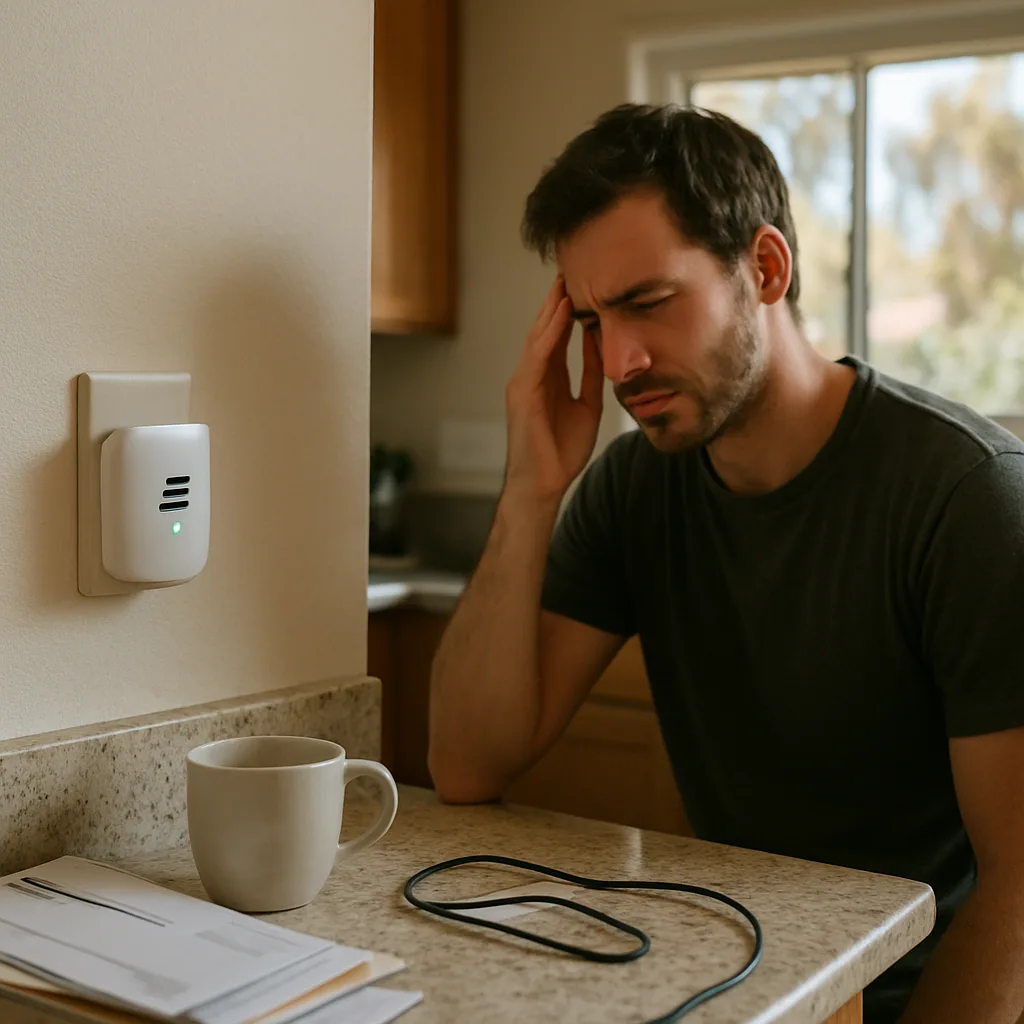
Here’s the honest answer. A battery-powered CO alarm under five years old is doing its job if it tests properly. Sometimes a detector sounds once and then resets itself. That’s usually a low battery or an aging sensor, not a gas leak.
- Your detector is working, tests fine, and hasn’t sounded an actual alarm
- You just moved a gas appliance and want a general safety check, not an active concern
- You smell nothing unusual and nobody in the house has headaches, dizziness, or nausea
- Your furnace was serviced or inspected within the last year with no flagged issues
When should you stop waiting? Leave the house if the alarm is sounding or anyone feels sick, dizzy, or confused. Get fresh air and call the fire department first. The same advice applies if you can’t remember when the furnace was last checked. Don’t try to test your way through that situation on your own schedule.
Many older homes around Sunnyvale still use furnaces installed before newer venting codes tightened requirements. That doesn’t mean anything is wrong. It does mean a working detector matters more than it does in a newer home.
Frequently Asked Questions
Common questions about Carbon monoxide testing
How soon can someone come test for carbon monoxide in Sunnyvale?
We schedule most carbon monoxide testing visits within a day or two of your call. If your alarm is actively sounding and someone feels sick, that’s an emergency, so get everyone outside and call 911 first, then call us. For routine peace-of-mind checks, like before winter or before selling your home, we work with your schedule. Sunnyvale homes with attic furnaces are common calls this time of year, since slow leaks up there can go unnoticed for months.
What happens when your technician arrives for a CO test?
Our background-checked technician follows the same clear process every visit. We start by asking what you’ve noticed, like headaches or a musty smell near the furnace closet. Then we check every fuel-burning appliance, take meter readings at each source, and use a combustion analyzer if anything looks questionable. You get a plain-English written summary at the end, not just numbers. Most visits take about an hour, depending on your home’s layout and appliance count.
Why do so many Sunnyvale homes have hidden carbon monoxide risks?
Many Sunnyvale homes have furnaces tucked in the attic, and that setup can hide a slow leak for months because nobody checks up there regularly. Older furnaces from the 1990s with cracked heat exchangers are also common around here. We see this a lot during the first cold snap, when systems fire up after sitting idle all summer. A yellow pilot light, soot near the unit, or rust on the flue pipe are signs worth checking before winter sets in.
Can my store-bought CO alarm replace professional testing?
No, a plug-in alarm only tells you gas is present, if it detects it at all, but it can’t tell you why. Store alarms sound after carbon monoxide reaches a set level, so the gas has to build up first, which means they can miss a slow, low-level leak from a cracked heat exchanger. Testing with a combustion analyzer measures output right at the furnace, flue, and burner. Most alarms are also rated for only five to seven years before the sensor starts to drift.
Do I need a CO test if my detector hasn’t gone off?
Not always, if your detector is newer, tests fine, and hasn’t sounded a real alarm. A battery-powered CO alarm under five years old is usually doing its job. Sometimes a detector chirps once and resets on its own, which is often a low battery, not a leak. But if you feel foggy or tired at home and fine everywhere else, that pattern is worth a call, even without an alarm going off.
What symptoms mean I should call right away instead of scheduling a routine test?
Headaches, dizziness, or nausea that ease up once you leave the house mean you should call right away. If your alarm is sounding at the same time anyone in the house has those symptoms, get outside first and call 911, then call us. Soot marks near your furnace, a yellow pilot light instead of blue, or a rusted flue pipe are also warning signs worth checking soon, even without symptoms yet.
Ready to Get Started?
Call 972-288-2263 Today, Get Service Today.