


Dryer Vent Cleaning in Sunnyvale: Clear the Lint, Cut the Fire Risk
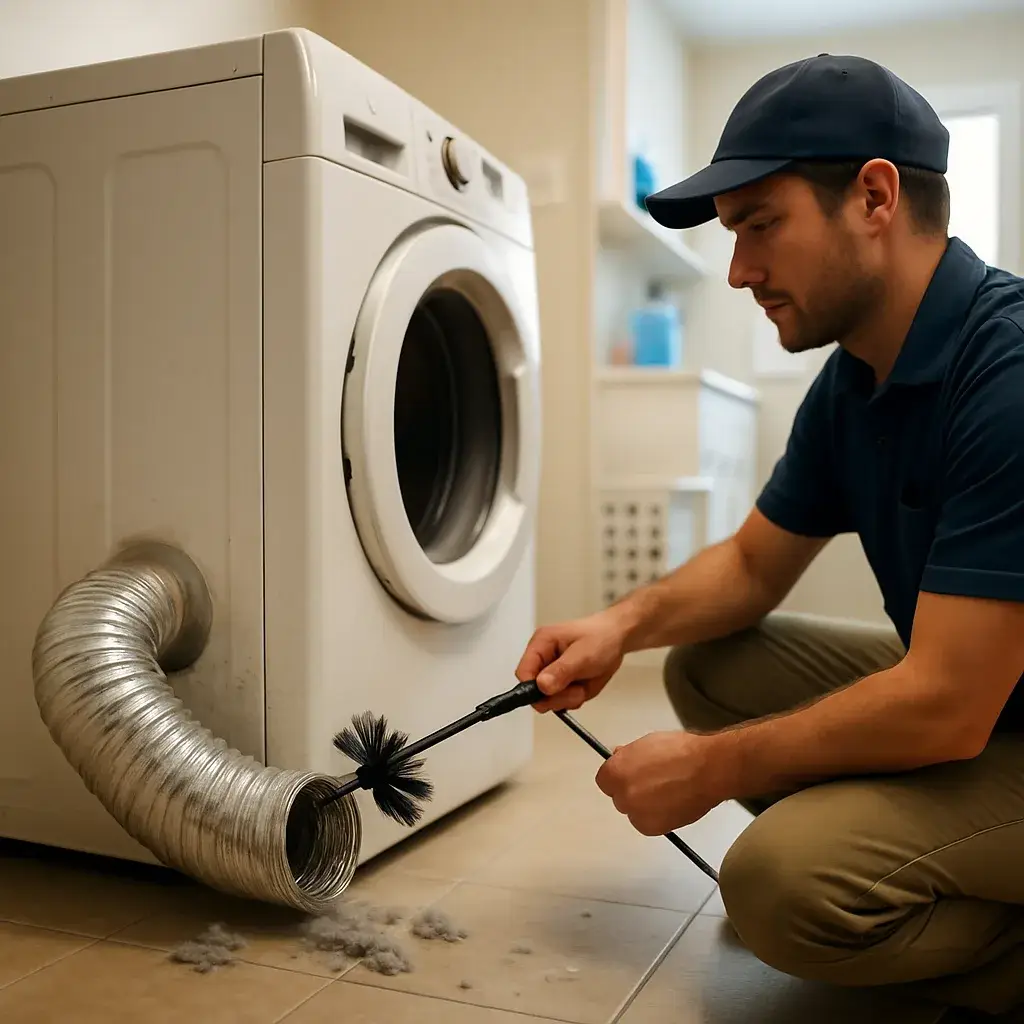
Lint cleared the full length of the duct, from the drum connection to the exterior hood, with airflow checked at the vent before we leave.
What’s Covered on This Page
- Warning Signs Your Dryer Vent Needs Cleaning
- How Often to Clean Dryer Vents in North Texas Heat
- When You Don’t Need Professional Dryer Vent Cleaning
- What Happens During a Dryer Vent Cleaning Visit
- Why an Airflow Check Confirms the Job Is Done
- How fast can you get out to clean my dryer vent in Sunnyvale?
- What happens when your technician shows up to clean my vent?
- Why do vents in older Sunnyvale homes clog faster than newer ones?
- How often should I really have my dryer vent cleaned?
- Do I need a professional, or can I clean the vent myself?
Warning Signs Your Dryer Vent Needs Cleaning
Here’s the thing about lint. It doesn’t announce itself until your dryer starts fighting for airflow. We get calls every week from folks who say their clothes used to dry in 40 minutes and now it’s an hour, sometimes two. That’s not your dryer getting old, it’s the same thing, a vent packed with lint that can’t push air out anymore.
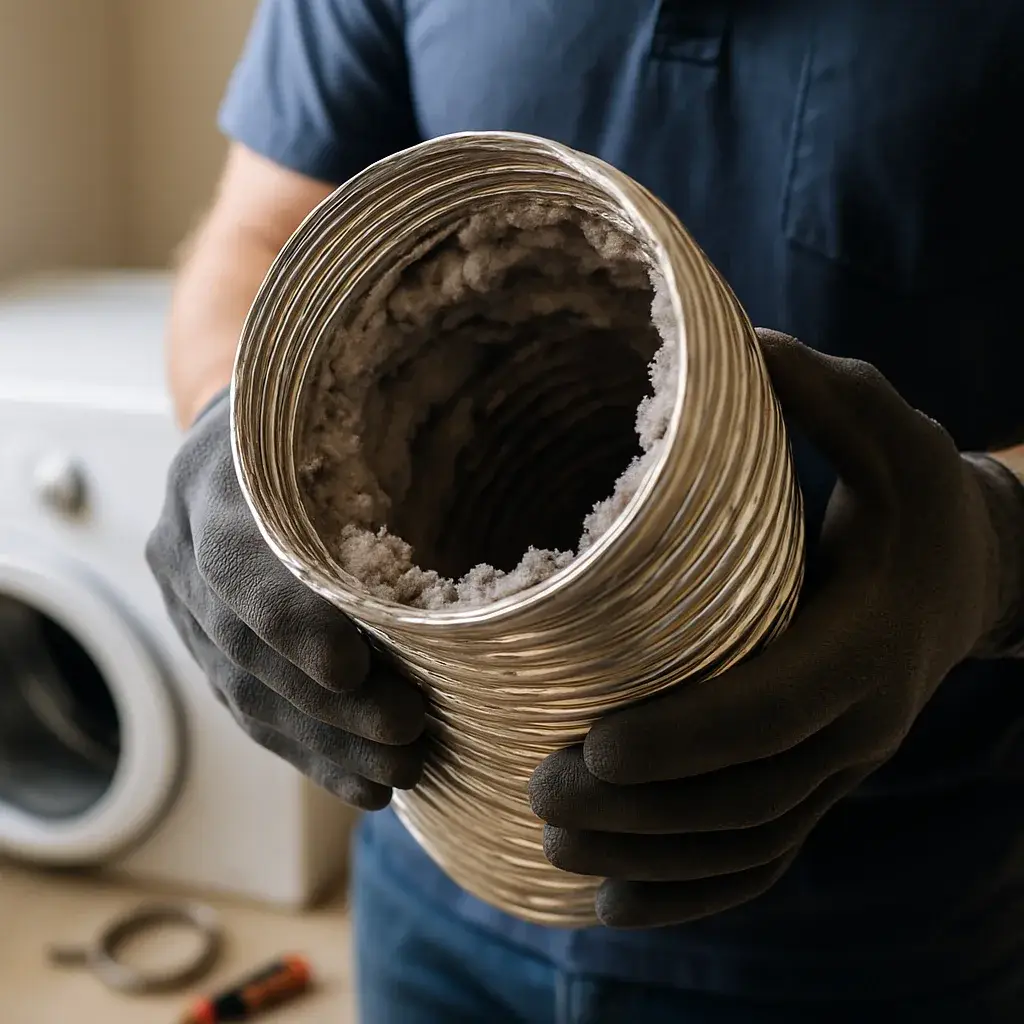
- Clothes come out hot to the touch but still damp
- The laundry room feels warmer or more humid than usual
- You smell a burning or musty odor when the dryer runs
- The outside vent flap barely moves, or doesn’t move at all, when the dryer’s on
- Lint shows up around the dryer door or on the floor nearby
- The dryer shuts off mid-cycle on its own
Think about what a Sunnyvale summer does to a hot attic vent run. Add months of lint sitting in that heat, and airflow drops fast. Homes near Belt Line Road with older slab construction often route vents a long way before they hit outside air, and every extra foot is another spot for lint to pack in. Noticed any of these? That’s your dryer asking for help, not a random glitch.
How Often to Clean Dryer Vents in North Texas Heat
Once a year is the baseline for most homes. But that number moves depending on how you live and what your vent looks like. A family of five doing laundry every day needs cleaning more than a couple who runs the dryer twice a week.
Here in North Texas, attic heat changes the math. A lot of homes around Sunnyvale were built between the 1970s and 90s with the dryer vent running up to a roof cap through a hot attic space. In July, that attic space can sit well above 130 degrees. Lint bakes onto the duct wall faster in that kind of heat, and it packs tighter than it would in a cooler space.
- Standard household use, roughly once a year
- Large family or daily laundry loads, every 6 to 9 months
- Long vent runs or roof termination, lean toward the shorter end
- Noticeable lint smell or slow drying, don’t wait for the calendar
We check vent length, routing, and buildup on every visit, that’s what drives how often you need us back, not a generic sticker on the dryer. Wall-terminated vents with short, straight runs can sometimes stretch past a year. Roof runs through a hot attic almost never should.
Not sure which category you fall into? Most folks aren’t, until we look at the setup.
When You Don’t Need Professional Dryer Vent Cleaning
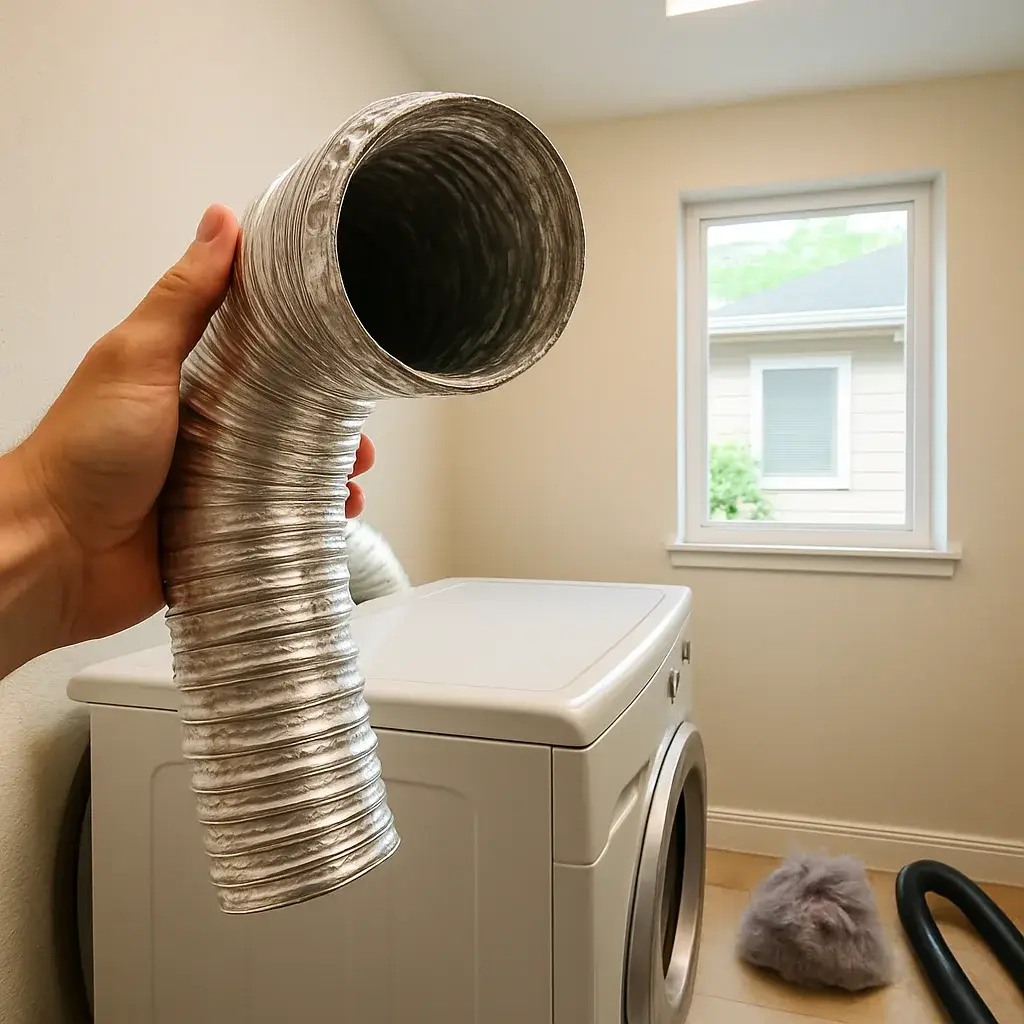
Not every dryer needs a pro out there. If your vent run is short and straight, say a newer place off FM 1389 where the dryer sits right against an exterior wall, lint has a much shorter path to travel. Those setups clog slower and often just need the outside cap checked for a bird’s nest or wasp problem once a year.
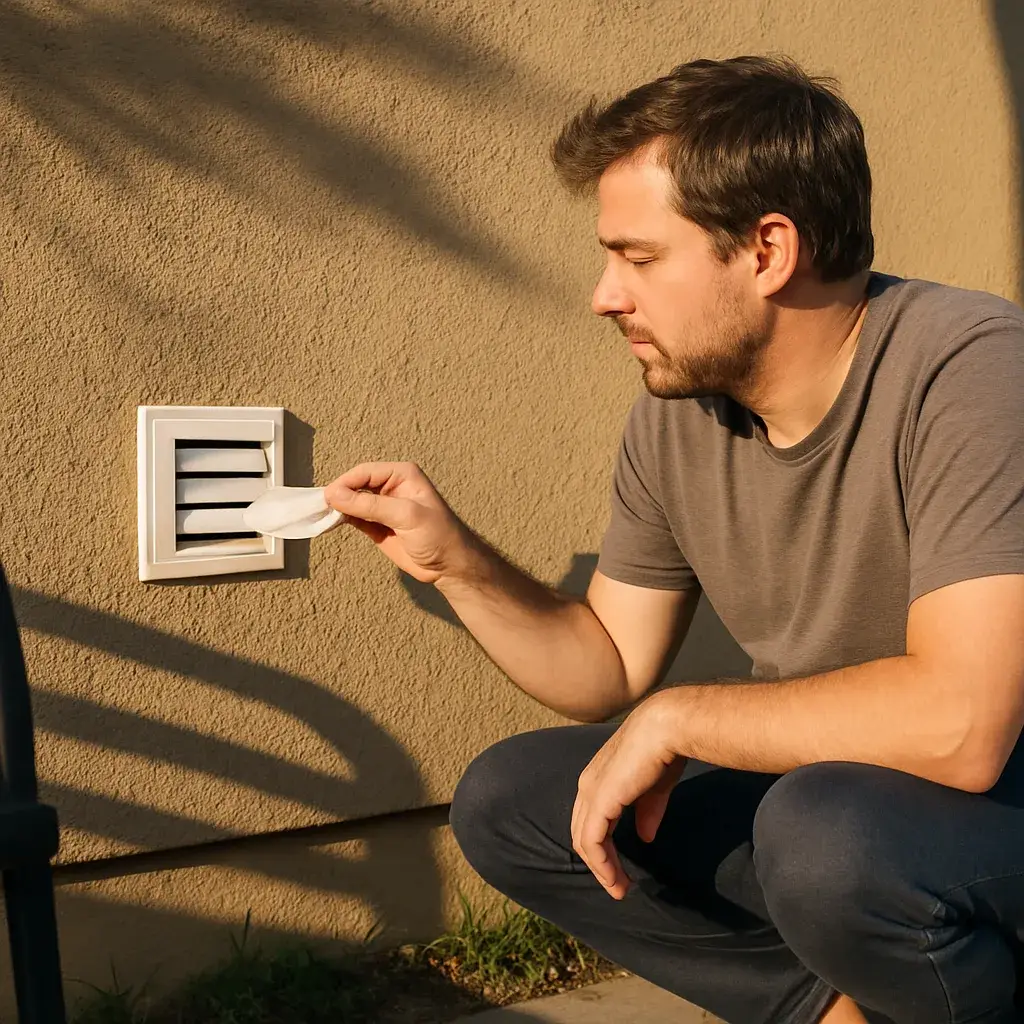
Here’s the real test. Feel the airflow at the outside vent hood while the dryer runs on a hot cycle. Strong, steady air means things are moving fine.
- Clothes still dry in one normal cycle, no repeats needed
- The outside vent flap opens easily and you feel real air pushing out
- You had the vent cleaned within the last year and use the dryer for a small household
- The vent run is short, straight, and terminates on a nearby exterior wall instead of routing through the attic or up to the roof
If that’s you, save your money this round. Wipe down the lint trap every load, that’s still on you no matter what, and just keep an eye on dry times over the next few months. But if the vent snakes up to a roof cap through the attic, or you’ve never had it checked since move-in, don’t wait for a burning smell to find out – that’s a different conversation entirely.
Ready when you are – get in touch today.
Call Today, Get Service Today. Xtreme Air Services is ready to help.
What Happens During a Dryer Vent Cleaning Visit
So what happens when we show up? Nothing complicated. We check the dryer, look at where the vent runs, and get to work. A lot of homes near Belt Line Road route the dryer vent up to a roof cap through the attic instead of straight out a side wall, and that longer path with more turns just means more lint traps along the way. 80 six days a week.
- We take a look at the dryer and the vent setup, roof termination or wall termination, and note how far it runs.
- We disconnect the vent at the dryer and clear the line with brushes and vacuum equipment built for this job.
- We work section by section toward the exterior termination, pulling out the packed lint as we go.
- We check the exterior cap or roof vent to make sure it’s clear and the flap or damper moves freely.
- We reconnect everything and run the dryer to test airflow and exhaust at the outside vent.
That last step matters more than people realize. A vent can look fine and still be barely moving air. We’re checking, not guessing.
The cleaning and airflow check is what’s included in the visit. If we find a crushed section, a disconnected joint, or a run that needs rerouting, that’s repair work and we’ll quote it separately before we touch anything. Most dryer vent cleaning jobs land in the $100 to $175 range, and the $26-$99 service call fee gets credited toward the work if you move forward with us. No surprise add-ons, no meter running while we figure things out.
Why an Airflow Check Confirms the Job Is Done
Pulling lint out of a vent feels like the whole job. It’s not. Clearing debris tells you the line is open, it doesn’t tell you the dryer is pushing air the way it should. That’s why we test airflow and exhaust after every cleaning, not just before.
Here’s the thing. A vent can look clear and still restrict airflow if there’s a soft crush in flexible ducting, a bad bend behind the wall, or a bird’s nest near the outside cap. We’ve seen it plenty of times, a vent looks fine at the wall connection but chokes down further along the run.
- We check exhaust speed and heat output at the outside termination
- We confirm the flap or damper opens fully and closes back down
- We look for airflow loss caused by long runs, tight turns, or roof versus wall routing
- We note anything that needs repair work, since that’s quoted separately, not part of the cleaning
So what does a passing check look like? Strong, steady exhaust at the cap, no lingering hot air smell in the laundry room, and a dry cycle that finishes in a normal amount of time. If your dryer’s been running long and clothes still come out damp, that’s usually your first clue something’s still off, even after cleaning. That gap between clean and confirmed working is where a lot of vent jobs fall short. We’re not done until the air moves the way it should, and you can hear the difference at the vent cap.
Frequently Asked Questions
Common questions about Dryer vent cleaning
How fast can you get out to clean my dryer vent in Sunnyvale?
We schedule most dryer vent cleanings within a few days of your call, sooner if you’re dealing with a burning smell or a dryer that shuts off mid-cycle. Those are signs of a real airflow problem, not just routine buildup. When you call, tell us what you’re noticing, hot clothes, slow drying, odd smells, so we can get you on the schedule at the right priority. Homes with roof-terminated vents through the attic tend to need faster attention since lint bakes on tighter in that heat.
What happens when your technician shows up to clean my vent?
We start by checking your dryer and tracing the vent path, whether it runs to a roof cap or straight out an exterior wall. From there we disconnect the line at the dryer, clear it section by section with brushes and vacuum gear, and check the outside termination to make sure the flap moves freely. Last, we reconnect everything and run the dryer to confirm real airflow at the exit point. That final test is what tells us the job solved the problem, not just that lint got pulled out.
Why do vents in older Sunnyvale homes clog faster than newer ones?
Homes built between the 1970s and 90s near Belt Line Road often route the dryer vent up through the attic to a roof cap instead of straight out a side wall. That longer run means more turns, and more turns mean more spots for lint to pack in. Add a Sunnyvale attic that can hit well above 130 degrees in July, and lint bakes onto the duct wall faster than it would in a cooler, shorter run. That combination is exactly why these setups need cleaning more often.
How often should I really have my dryer vent cleaned?
Once a year is the baseline for a standard household, but it shifts based on how you live and how your vent is built. A family running the dryer daily should plan on every 6 to 9 months instead. If your vent runs a long way through the attic to a roof cap, lean toward the shorter end of that range. Short, straight runs that terminate on a nearby exterior wall can sometimes stretch past a year, but don’t guess. Slow drying or a lint smell means it’s time regardless of the calendar.
Do I need a professional, or can I clean the vent myself?
If your vent run is short, straight, and ends on a nearby exterior wall, you may not need a pro every year. Feel for strong, steady air at the outside vent hood while the dryer runs on a hot cycle, that’s a good sign things are moving fine. But if your vent snakes up through the attic to a roof cap, or you’ve never had it checked since moving in, don’t wait for a burning smell to find out. Wiping the lint trap every load still matters no matter which setup you have.
Ready to Get Started?
Call 972-288-2263 Today, Get Service Today.