


Ground Wire Installation in Sunnyvale: Restore a Safe, Tested Path to Ground
Missing and broken grounding paths restored and tested, so surge protection, GFCIs, and sensitive electronics actually have somewhere to send a fault.
What’s Covered on This Page
- Spotting the Warning Signs of a Missing or Failed Ground Wire
- Ground Rod vs. Panel Bonding: Choosing the Right Fix
- When You Don’t Need a Full Ground Wire Service Call
- What Happens During a Professional Ground Wire Installation
- Grounding Challenges in Sunnyvale’s Clay Soil and Older Homes
- How do I know if my Sunnyvale home needs a ground wire installed?
- What’s the difference between a ground rod and panel bonding?
- Does Sunnyvale’s clay soil affect ground wire installation?
- Is a tripped GFCI outlet always a sign I need a ground wire fixed?
- What should I expect when your technician comes out for a ground wire job?
- Can a ground wire that’s already connected still be unsafe?
Spotting the Warning Signs of a Missing or Failed Ground Wire
Ground wire problems are sneaky. They don’t usually show up as a dramatic failure, they show up as small annoyances you learn to live with. Usually, it’s the same story. Someone feels a little tingle touching the dryer or a metal light switch, and they just shrug it off for months.
Ever touch a metal switch plate and feel a tiny buzz? That’s not your imagination, and it’s not normal. A lot of the older homes near Sunnyvale’s original town center still have two-prong outlets from before grounding was required by code, and that missing ground path is exactly what shows up on a home inspection report before a sale.
- Outlets with only two slots and no third grounding hole
- A slight shock or static buzz touching a dryer, appliance, or metal switch plate
- Breakers or GFCI outlets that trip often with no clear reason
- An inspection report flagging ungrounded or improperly grounded circuits
- Surge protectors, smart plugs, or electronics that misbehave because they need a true ground
A tripped GFCI is annoying, it’s also the outlet doing its job and cutting power before something worse happens. We get calls from folks doing laundry who felt a static shock off the dryer and finally decided to have it checked. That’s usually the moment someone picks up the phone.
Ground Rod vs. Panel Bonding: Choosing the Right Fix
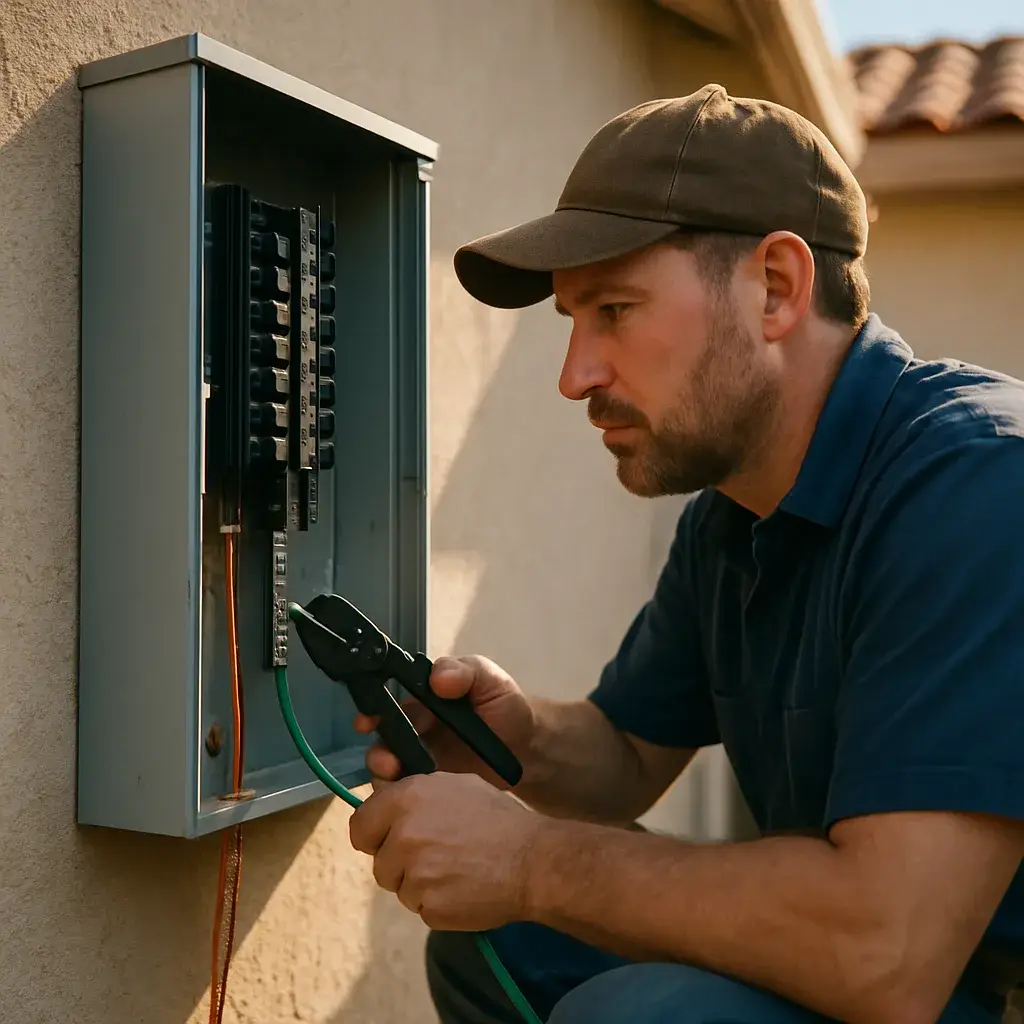
Not every ground wire installation looks the same. Some homes need a new ground rod driven into the soil outside. Others just need a bonding jumper connecting existing metal parts, like a water pipe or panel enclosure, back to the system. Either way, the panel and the wiring tell us which one you need before we even open a wall.
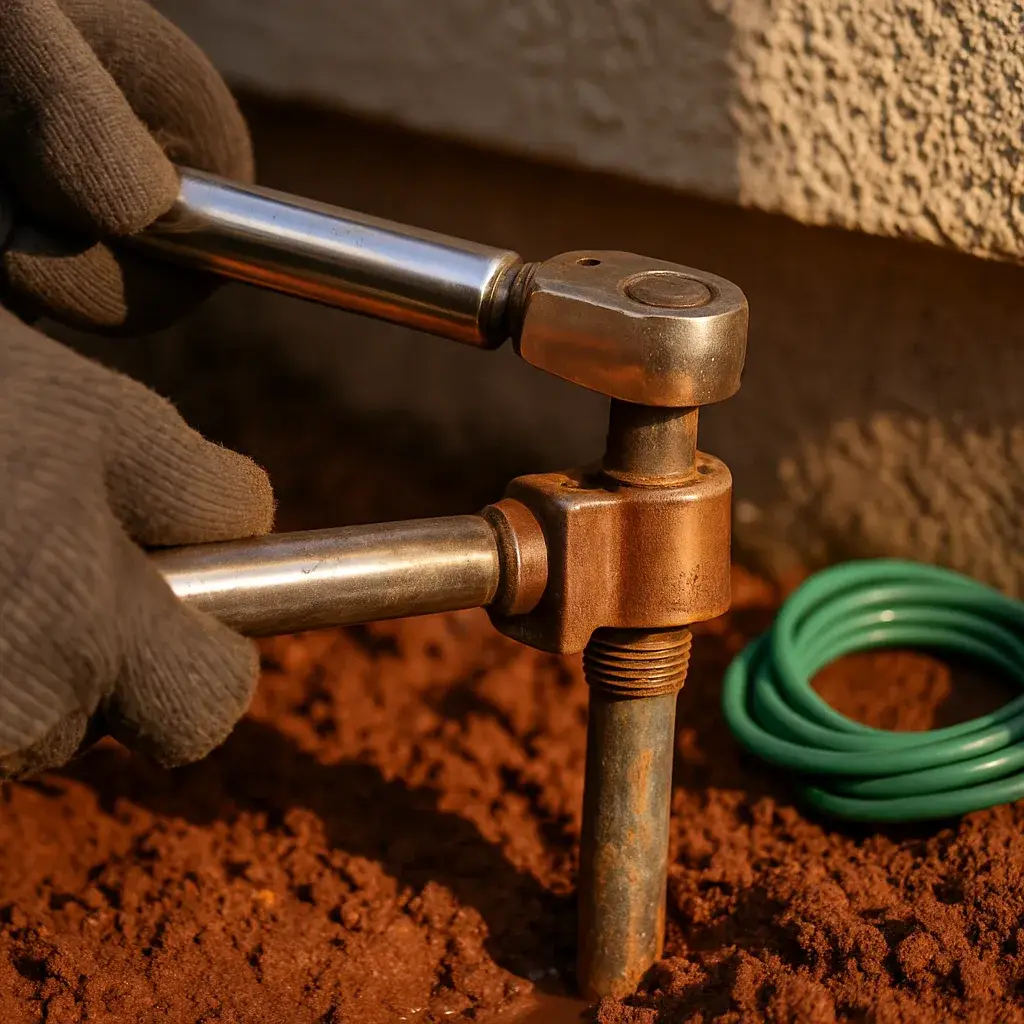
A ground rod job means driving a copper or copper-clad rod deep into the ground near your foundation, then running a heavy conductor from that rod to your panel. Bonding, on the other hand, ties metal components already inside your electrical system together so a fault has a safe path. Older Sunnyvale homes with galvanized water lines sometimes lose their natural ground path once a section of pipe gets replaced with plastic, and that’s when bonding becomes the priority.
- Soil type and moisture around your foundation, which affects how well a ground rod conducts
- Whether your plumbing was ever used as part of the grounding path and got interrupted
- Panel condition and whether the grounding bar has room for another connection
- Access to the panel and the length of the run needed to reach a suitable ground point
- Any local code updates that changed grounding requirements since your home was built
We test the existing setup first, we don’t guess. Once we know what your panel is missing, we’ll walk you through the fix in plain terms before any work starts.
When You Don’t Need a Full Ground Wire Service Call
Not every electrical hiccup means you’re missing a ground wire. We get calls where the real problem is something small, and it’s worth knowing the difference before you pick up the phone.
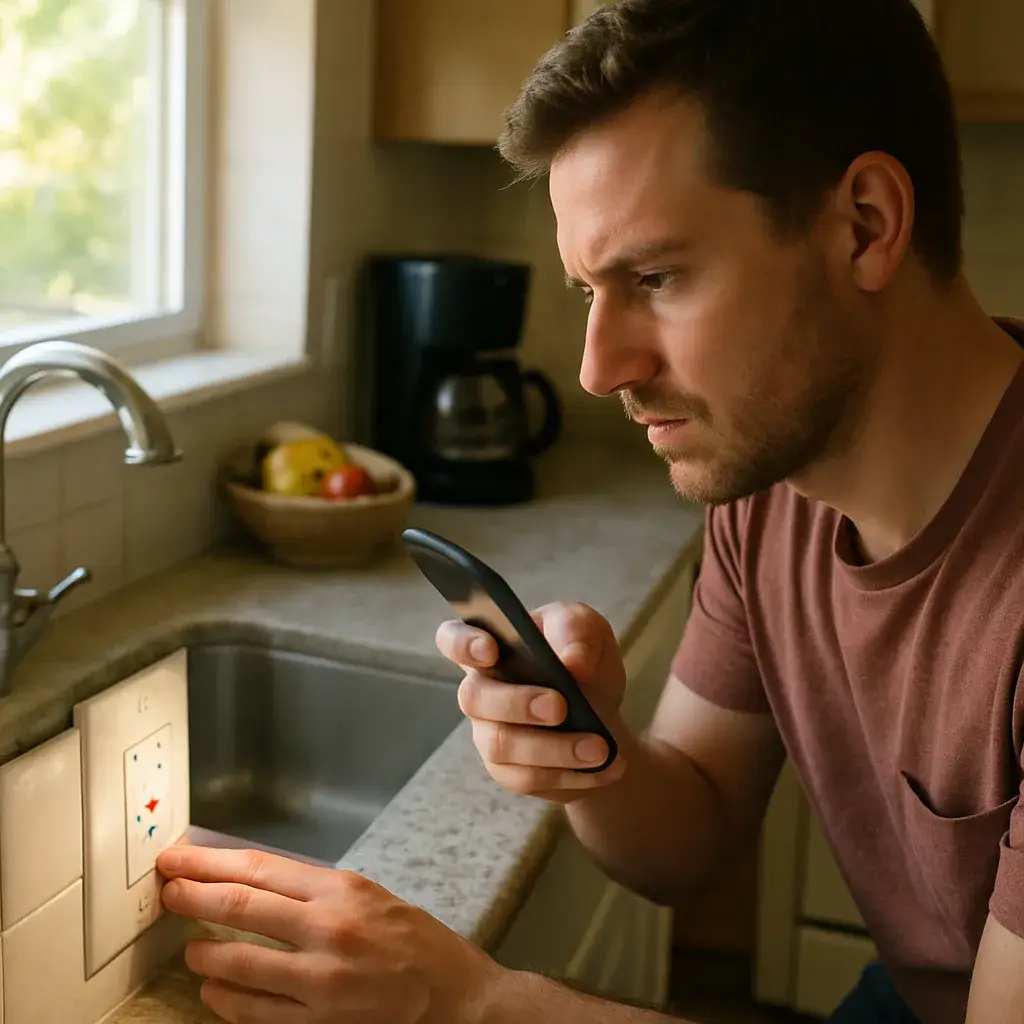
If an outlet near your kitchen sink or bathroom just stopped working, check the GFCI first. A tripped GFCI looks like a dead outlet, but it’s not a grounding issue. Press reset. Usually, that’s the whole fix.
- A breaker that keeps tripping is usually an overload or a faulty appliance, not a missing ground
- A two-prong outlet in an older home that’s working fine and isn’t being replaced doesn’t need grounding added right now
- A loose wire nut or a wiggly outlet often just needs tightening, not new grounding conductor
- If a circuit tester shows an open ground but nothing’s failing, you can usually wait and plan it during a bigger project instead of an emergency call
So how do you tell the difference? If the device works and stays working, you probably don’t need us today. If it flickers, shocks you, smells hot, or a tester keeps flagging it, that’s different, and that’s worth a real look.
We’d rather tell you it can wait than send someone out for nothing.
Need help with Ground wire installation?
Call Today, Get Service Today. Xtreme Air Services is ready to help.
What Happens During a Professional Ground Wire Installation
So what does the actual work look like? Not much drama. A ground wire job is quiet, methodical work. No torn-up walls, no all-day mess. Here’s how it usually goes when our team handles a ground wire installation at your Sunnyvale home.
- We check your panel and the circuit or device in question to find out what’s missing or damaged.
- We figure out the best path for the new grounding conductor, whether that means tying into a ground rod or bonding to existing grounded metal.
- We run the wire, keeping the length as short and direct as the space allows since longer runs can raise both cost and resistance.
- We make every connection tight and correct, using proper lugs and clamps rated for the job.
- We test for continuity to confirm the ground path works, not just that it looks connected.
- We walk you through what we found and what we did before we call it done.
That testing step matters more than people realize. A ground wire that’s attached but not carrying a path to earth does nothing for you. We’ve opened up panels where someone ran a wire years ago and just clamped it to a random screw, no continuity at all. It looked fine. It wasn’t.
Most jobs like this run quick, an hour or two in a lot of cases, depending on access and whether we’re dealing with an attic run or a tight crawlspace under an older Sunnyvale home. Our technicians are licensed and insured, so the work gets done right and gets documented, not just eyeballed and left alone.
Grounding Challenges in Sunnyvale’s Clay Soil and Older Homes
Sunnyvale sits on heavy clay soil, and that clay swells when it rains and shrinks hard during a dry August. A ground rod driven into that kind of soil doesn’t always keep the tight contact it needs. Over a few seasons, the rod can loosen. The connection weakens. And the whole grounding path loses effectiveness without anyone noticing, until a storm hits and something doesn’t trip the way it should.
We run into this constantly on older Sunnyvale homes built before modern grounding rules were standard. Some still have two-prong outlets with no ground path at all. Others got upgraded outlets at some point, but nobody ever ran the actual grounding conductor back to the panel. It looks fixed. It isn’t.
- Two-prong outlets with no ground wire behind the wall
- A ground rod that’s corroded or lost soil contact from years of clay expansion
- Bonding jumpers missing at the water heater or gas line
- Panels where the grounding and neutral bars were never separated correctly
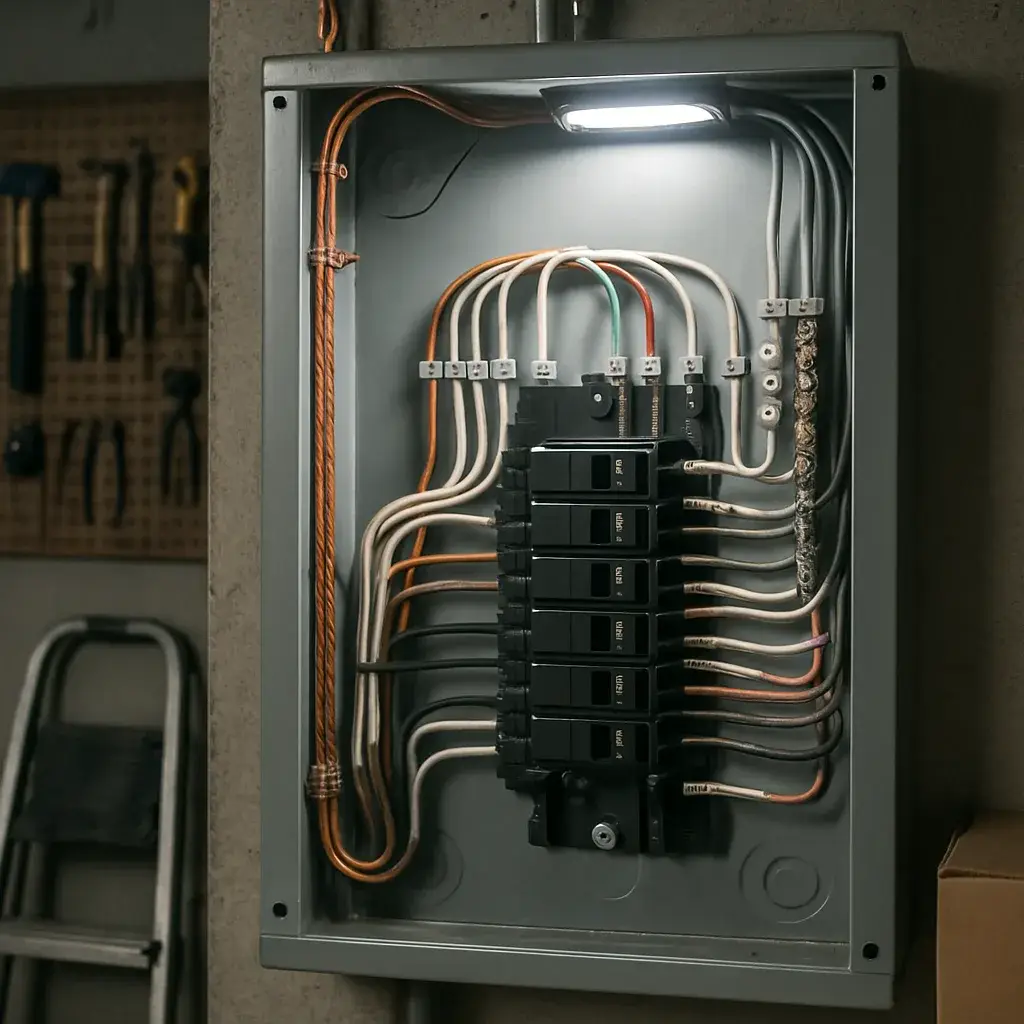
This is exactly why the job isn’t one-size-fits-all. Clay soil sometimes means bonding to an existing metal water line makes more sense than another ground rod, depending on what’s already in place. Panel condition matters too, an older panel might need more than a simple wire added before it’ll pass a real continuity test. We test every connection when we’re done, because a ground wire that looks connected but isn’t tested is just guessing.
Frequently Asked Questions
Common questions about Ground wire installation
How do I know if my Sunnyvale home needs a ground wire installed?
You likely need one if you have two-prong outlets, frequent GFCI trips, or a buzzing metal switch plate. Many homes near Sunnyvale’s original town center were built before grounding was required, so they still have two-slot outlets with no third hole. A slight shock from a dryer or metal fixture is another common sign. If a home inspection report flags ungrounded circuits before a sale, that’s usually the moment people finally call us to check the panel.
What’s the difference between a ground rod and panel bonding?
A ground rod is a copper rod driven into the soil outside with a heavy wire run to your panel, while bonding connects existing metal parts, like water pipes, back into the system. We test your panel and wiring first to see which one your home needs. Older Sunnyvale homes sometimes lose their natural ground path when a section of galvanized pipe gets swapped for plastic, which makes bonding the priority instead of a new rod.
Does Sunnyvale’s clay soil affect ground wire installation?
Yes, heavy clay soil around Sunnyvale foundations swells when it rains and can affect how well a ground rod conducts. Soil moisture and type are part of what we check before choosing a ground rod versus bonding to existing metal. This matters most for older homes near the original town center, where soil conditions and outdated grounding methods often show up together during an inspection.
Is a tripped GFCI outlet always a sign I need a ground wire fixed?
No, a tripped GFCI is often just doing its job, not signaling a grounding problem. Press the reset button first, since that solves it in a lot of cases. A real grounding issue looks different: a breaker that keeps tripping with no clear cause, a device that shocks you, or a circuit tester flagging an open ground while something is actively failing. If the outlet works fine after a reset, you probably don’t need a service call today.
What should I expect when your technician comes out for a ground wire job?
Expect a quiet, methodical visit with no torn-up walls or all-day mess. Our technician checks your panel and the circuit in question, figures out the best path for the new wire, runs it as directly as the space allows, and tests for continuity before calling it done. Most jobs take an hour or two, though attic runs or a tight crawlspace under an older Sunnyvale home can add time. You’ll get a plain-language walkthrough of what was found and fixed.
Can a ground wire that’s already connected still be unsafe?
Yes, a wire can be physically attached and still carry no real path to earth. We’ve opened panels where someone clamped a ground wire to a random screw years ago with zero continuity, even though it looked connected. That’s why we always test for continuity, not just visual connection, before finishing a job. Our technicians are licensed and insured, so the work gets documented properly instead of left as a guess.
Ready to Get Started?
Call 972-288-2263 Today, Get Service Today.