


Heating Zoning Installation in Sunnyvale: Even Out Hot and Cold Rooms for Good
Zoning that evens out the rooms your system cannot balance, starting with a compatibility check on the equipment you already own.
What’s Covered on This Page
- Uneven Temperatures Signal a Zoning Problem
- Why North Texas Weather Swings Make Zoning a Smart Sunnyvale Upgrade
- When Zoning Won’t Solve Your Comfort Problem
- What A Zoning Compatibility Check Involves
- The Zoning Installation Process From Start To Finish
- How long does heating zoning installation take in Sunnyvale?
- What happens when your technician arrives to check my system?
- Why do Sunnyvale homes get hot and cold rooms every winter?
- Will zoning fix every uneven temperature problem in my house?
- How do I know if my home needs zoning or just duct repair?
- Do older Sunnyvale homes need extra work before zoning can be installed?
Uneven Temperatures Signal a Zoning Problem
You crank the thermostat to 72, and the living room finally warms up. Meanwhile, the back bedroom still feels like a walk-in cooler. Sound familiar? That’s not a broken furnace. It’s one thermostat trying to do a job that needs two or three.
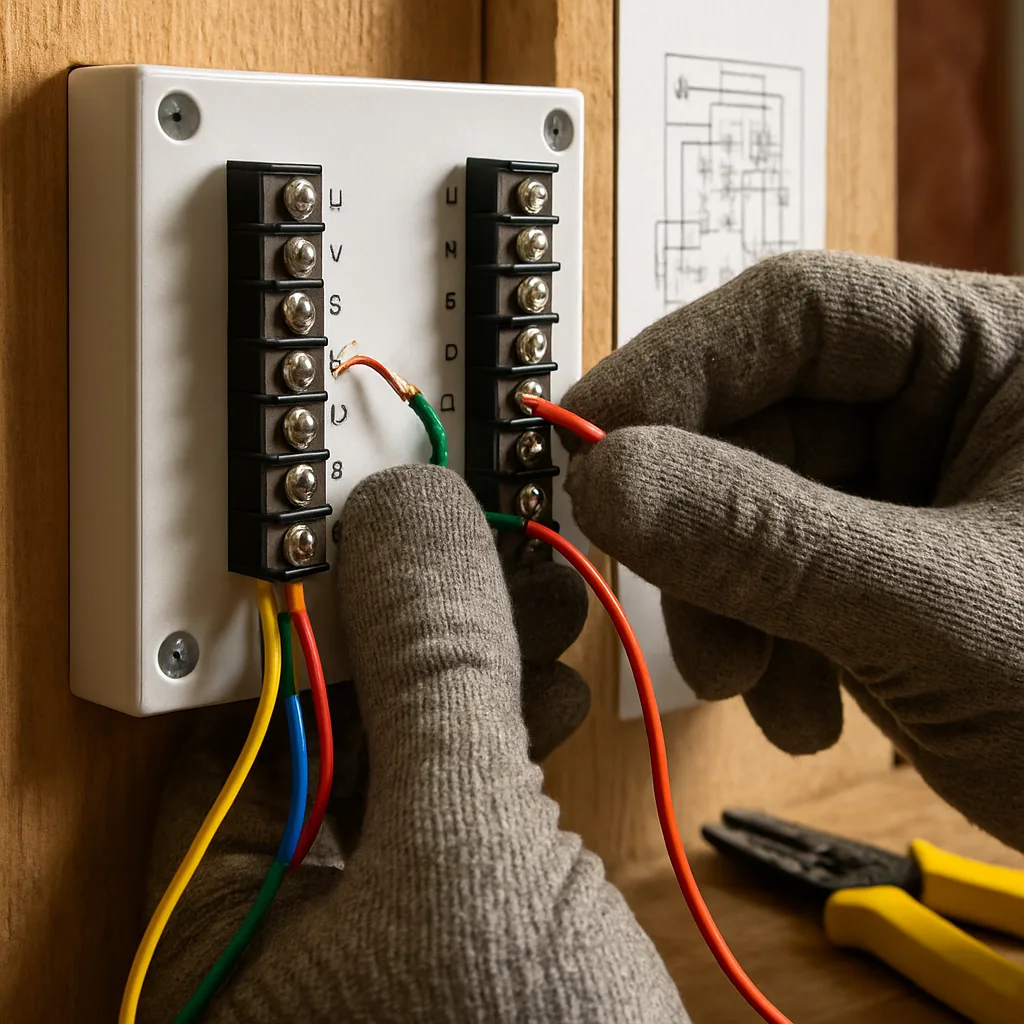
Sunnyvale has older single-story homes with long duct runs. It also has newer two-story builds where the upstairs bakes while downstairs stays chilly. Long duct runs lose heat before it reaches the far end of the house. Two-story layouts naturally form different heat zones because warm air rises. One thermostat can’t read both conditions at once. It either overheats one area or underheats another.
Here’s how you can tell it’s a zoning issue rather than another problem.
- Some rooms stay 5 to 10 degrees off from the rest of the house, no matter how you set the thermostat
- Upstairs and downstairs never feel comfortable at the same time
- You’ve closed vents in some rooms to force air elsewhere, but it hasn’t helped much
- One part of the house has newer insulation or windows, so it holds heat differently
- The furnace runs constantly, but certain rooms still lag behind
If only one room stays cold and everything else feels fine, the problem may be a duct or insulation issue. But a room-to-room or floor-to-floor pattern points somewhere else, especially when it returns every winter. Your house may need separate zones, not a bigger furnace.
Why North Texas Weather Swings Make Zoning a Smart Sunnyvale Upgrade
One day it’s 80 degrees, and the next morning there’s frost on the windshield. That’s how North Texas weather goes. A cold front can drop Sunnyvale’s temperature 30 degrees overnight. A week later, you may be running the AC again.
Your heating system may not handle that swing evenly across every room. Two-story homes often feel it worst because heat rises. The upstairs bakes while the downstairs stays chilly. Many newer Sunnyvale homes have an attic-mounted furnace with long duct runs. Those ducts can lose heat before the air reaches far bedrooms.
We get calls every winter from people whose thermostat says 70, but the back bedroom feels like 62. The furnace may not be broken. A single-zone system is trying to heat a house built with several distinct areas.
Older, established Sunnyvale homes can have a different problem. Additions and remodels may leave ductwork that was never designed as one system. Zoning gives each part of the house a thermostat and dampers. The system sends heat only where it’s needed.
Does every home need it? No. But zoning is built for a familiar pattern: heating bills spike when a front arrives, and one room never catches up.
When Zoning Won’t Solve Your Comfort Problem
Here’s the honest part: zoning isn’t the fix for every uneven room in your house.
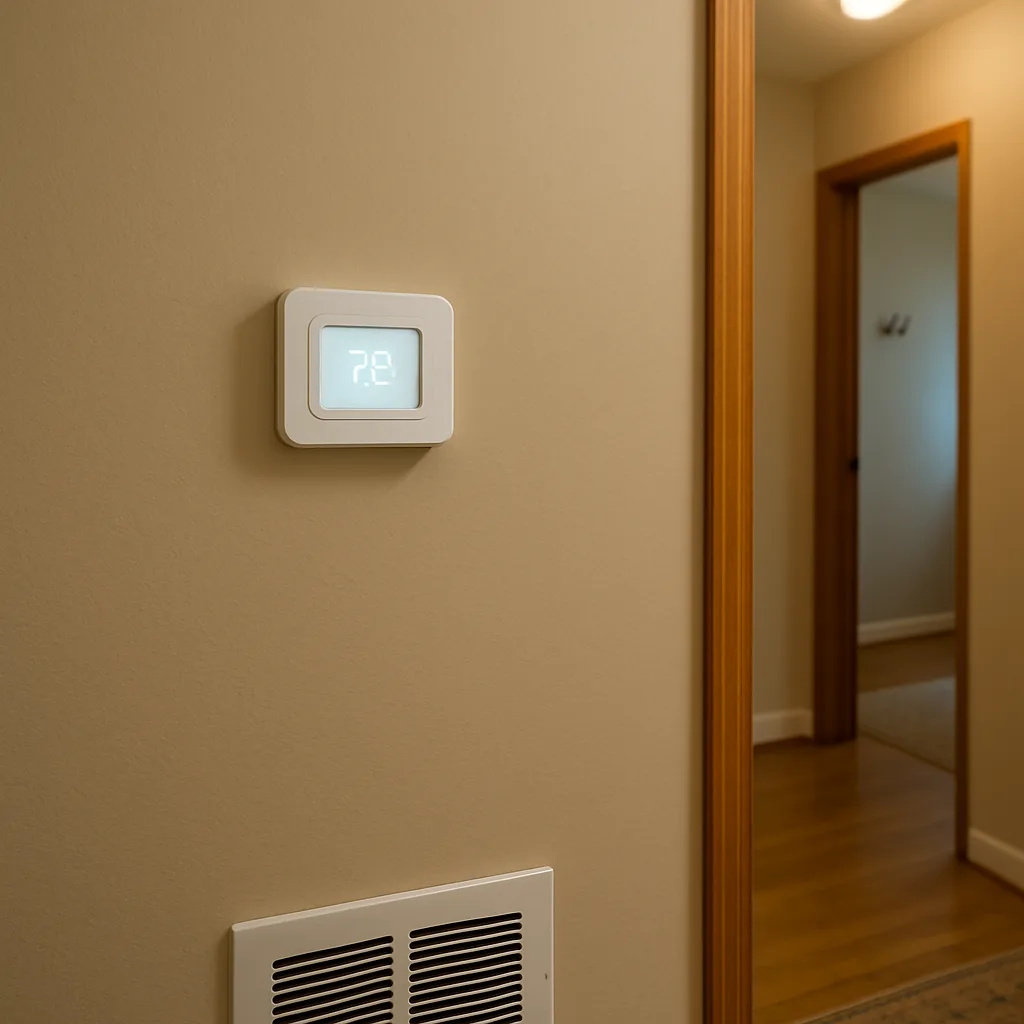
Zoning won’t help if your ductwork leaks air into the attic before it reaches a vent. You’d just divide one weak airflow problem into several smaller ones. The same applies to a system that’s too small for your home’s square footage. Adding dampers and another thermostat asks a struggling unit to work harder. If the whole house runs warm in July, the cause is usually sizing or insulation, not zoning.
Sometimes the answer is simpler than you expect. One hot room might need a better vent, a cleared return, or more attic insulation. We’ve visited plenty of homes where the owner expected to book zoning. Some needed duct repair or a single mini-split for a converted garage or bonus room instead.
So how do you know which problem you have? A load calculation and an inspection of your existing ductwork usually settle it quickly.
Undersized, leaky, or poorly routed ducts need to be fixed first. Adding zoning to bad ductwork only locks in the problem with a fancier control panel. That’s not us talking you out of a sale. It’s what we’d tell a neighbor before they spend money on the wrong repair.
Need help with Heating zoning installation?
Call Today, Get Service Today. Xtreme Air Services is ready to help.
What A Zoning Compatibility Check Involves
Before we touch a duct, we inspect your system from top to bottom. A zoning compatibility check shows whether your home’s setup can support separate temperature zones. It also tells us whether the system needs other work first. Not every home is ready for zoning right away.
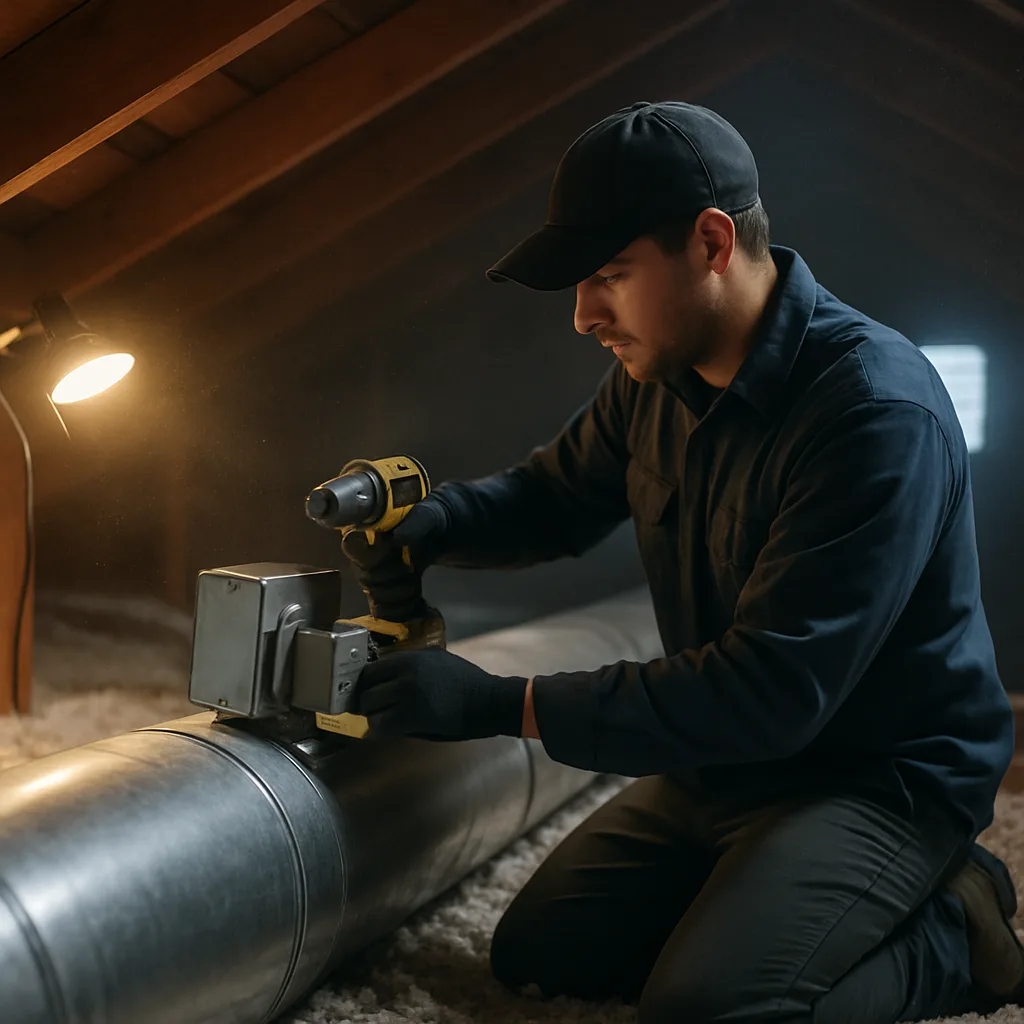
We start in the attic or closet where your air handler sits. Then we trace the trunk line and branch runs. We check duct size, insulation, and how the air divides between rooms. A single trunk feeding six rooms without dampers isn’t unusual. That layout can require duct changes before zoning will work correctly.
- Ductwork size and layout, including whether trunk lines can support dampers without restricting airflow
- Electrical panel space for the zone control board and damper wiring
- Thermostat locations and whether wiring already runs to each zone
- Return air paths, since undersized returns can disrupt the whole system
- Attic access and duct condition, especially in older Sunnyvale homes with original single-zone runs
Older homes near Sunnyvale’s established streets often have one thermostat and one trunk line for the entire house. Newer homes in the area may have flexible duct runs already prepared for several zones. That can make the job faster. Either way, we measure before providing a quote and explain our findings in plain English. You get a price based on your house, not a guess.
The Zoning Installation Process From Start To Finish
Here’s the honest answer. Many homeowners expect a crew to tear into walls for days, but the job rarely goes that way. Heating zoning installation follows a careful process. Once you see the steps, the work stops feeling like a mystery.
- We walk through your home and map how heat moves from room to room. A bonus room over the garage behaves differently from a bedroom on a slab.
- Next, we design the zone layout. We decide how many zones make sense and where dampers and sensors belong in your existing ductwork.
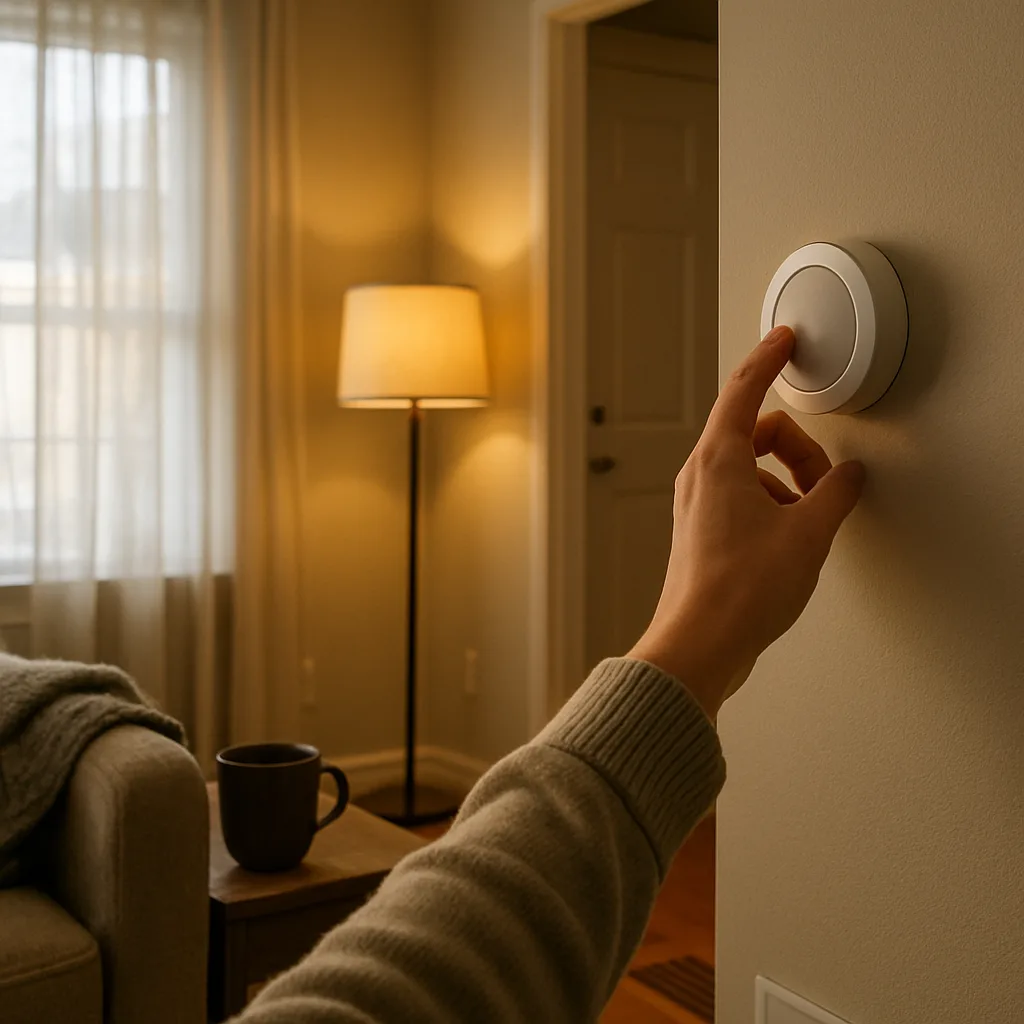
- Then we install motorized dampers in the trunk lines. We run the low-voltage wiring and mount the zone control panel near your furnace.
- We install a thermostat for each zone and pair it with the control panel. Each thermostat can then control its own damper.
- We start the system and test each zone on its own. We check that every damper opens and closes as it should.
- Finally, we balance airflow across the whole house. A change in one area affects airflow everywhere else.
Some contractors skip that balancing step when they rush the job. That’s why a poor zoning installation can leave one room stuffy and another freezing. We don’t call the work finished until each zone holds its set temperature. You shouldn’t have to fight the thermostat down the hall.
Most jobs wrap up in a single day from start to finish. Older ductwork or a home that needs extra dampers can take longer. You’ll know the expected timeline before we touch a tool.
Frequently Asked Questions
Common questions about Heating zoning installation
How long does heating zoning installation take in Sunnyvale?
Most zoning jobs take one to two days, depending on your home’s layout. Single-story homes with easy attic access often finish faster. Two-story homes or older houses with tricky duct runs can take longer. We walk through the full plan with you before we start, so you know what to expect. Homes with ductwork already split into sections tend to move quicker than homes with one trunk line feeding every room.
What happens when your technician arrives to check my system?
Your technician starts with a full inspection before touching anything. We check your attic or closet air handler, trace the ductwork, and look at your electrical panel space. We also test your return air paths and thermostat wiring. This tells us if your home is ready for zoning or needs duct work first. You’ll get a plain-English explanation of what we found and a price based on your actual house, not a guess.
Why do Sunnyvale homes get hot and cold rooms every winter?
It usually comes down to long duct runs or two-story layouts. Many newer Sunnyvale homes have an attic-mounted furnace, and heat can fade before it reaches far bedrooms. Older homes near established Sunnyvale streets often run one thermostat for the whole house, which struggles once additions or remodels change the airflow. A sudden North Texas cold front makes this worse, since one thermostat can’t read hot and cold spots at the same time.
Will zoning fix every uneven temperature problem in my house?
No, zoning only fixes certain problems. If your ductwork leaks air into the attic, zoning just splits that weak airflow into smaller problems instead of fixing it. A system that’s too small for your square footage needs sizing help, not more thermostats. We check your ductwork and run a load calculation first. Some homes just need a duct repair or a single mini-split, not a full zoning setup.
How do I know if my home needs zoning or just duct repair?
A duct inspection and load calculation usually answer this in one visit. If only one room stays cold while the rest of the house feels fine, that points to a duct or insulation issue. If the pattern runs room-to-room or floor-to-floor every winter, that points to zoning. We measure your ducts, check insulation, and walk you through the findings before recommending anything, so you’re not guessing which fix you need.
Do older Sunnyvale homes need extra work before zoning can be installed?
Often yes, especially homes with one trunk line built for a single thermostat. Additions and remodels over the years can leave ductwork that was never designed to split into zones. During our compatibility check, we look at trunk size, insulation, and whether your electrical panel has room for a zone control board. Newer homes nearby sometimes have flexible duct runs already in place, which can make the zoning job go faster.
Ready to Get Started?
Call 972-288-2263 Today, Get Service Today.