


A/C System Installation in Dallas: What the Job Includes and What It Costs
New AC systems sized to your Dallas home and installed right – with an honest look at whether a repair still makes sense.
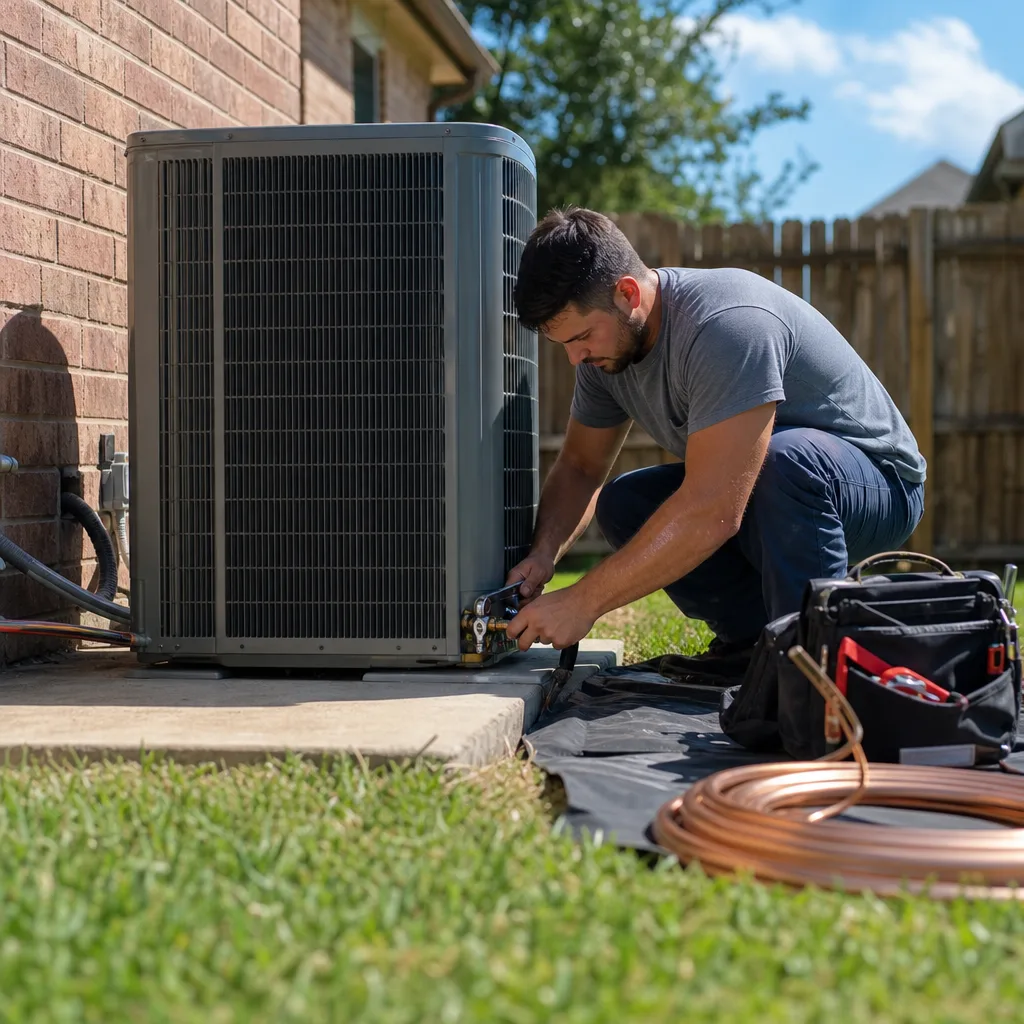
What’s Covered on This Page
- Signs It’s Time to Replace Your A/C System Instead of Repairing It
- When Repair Still Makes More Sense Than Full Installation
- What’s Included in an A/C System Installation Quote
- Why Ductwork and Wiring Condition Changes the Job in Older Dallas Homes
- What Happens on Installation Day
- Can I legally install my own A/C system in Dallas?
- What’s the downside of a wall-mounted or ductless system compared to a full A/C installation?
Signs It’s Time to Replace Your A/C System Instead of Repairing It
A broken A/C doesn’t automatically mean you need a new one. A lot of no-cool calls come down to one small part, like a capacitor or a clogged drain line. Fix that part, and a healthy system can keep running for years. The real question isn’t “what broke today?” It’s “how much life is left in the rest of this system?”
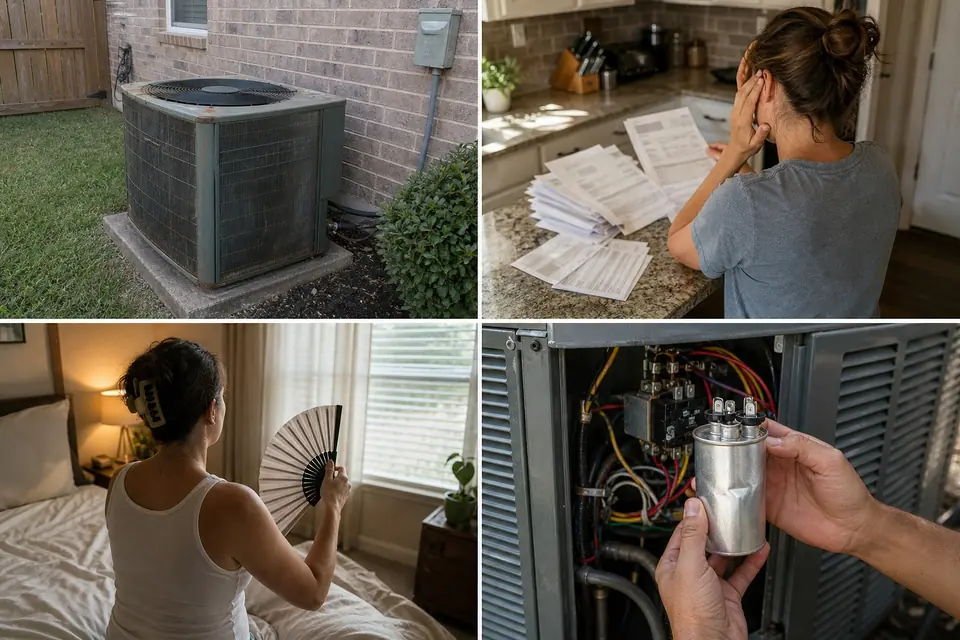
Here’s what points toward replacing instead of repairing:
- It’s getting old. Dallas summers make an A/C run long, hard hours, often with the indoor unit sitting in a hot attic. Once a system gets into its teens, every repair is going into equipment that’s near the end of its life anyway.
- You’re calling for repairs every summer. One fix is normal. A new problem each season usually means parts are wearing out one after another.
- It runs on an older refrigerant. Many older systems use R-22, a refrigerant that’s being phased out. It’s gotten hard to find and costly to refill, so a leak in one of these systems can turn into an expensive fix.
- The big parts are failing. A dead compressor or a leaking coil on an older system is a major repair. That’s often the point where putting money toward a new system makes more sense.
- Your bills keep climbing. If you’re paying more each summer for the same comfort, the system is likely losing efficiency as it ages.
- Some rooms never cool off. If a back bedroom stays warm while the thermostat says you’re fine, the system may be the wrong size, or the ductwork may be the problem. Both are worth checking before you decide.
A simple rule a lot of folks use: multiply the age of your system by the repair cost. If that number lands around $5,000 or more, replacement usually deserves a serious look. It’s not a hard law, but it’s a good gut check.
Now the other side, because it matters just as much. Repair is often the right call when:
- Your system is still fairly young and has been reliable up to now.
- The problem is one part, like a capacitor, a fan motor, a thermostat, or a clogged drain line.
- Your bills have stayed steady and the house cools evenly.
In those cases, spending on a full new system just doesn’t add up. Keep it maintained and let it keep working for you.
One more thing for older Dallas homes. Many of the slab ranch houses built from the 1950s through the 1990s have had their outdoor unit swapped at some point while the indoor coil stayed the same. A mismatched system can cool poorly and wear out sooner. If your outdoor unit is newer than the parts in your attic, that’s worth checking before you pay for another repair.
If you’re not sure which side you’re on, that’s okay. A licensed technician can look at the age, the refrigerant, the coil, and your ductwork and tell you plainly what’s worth fixing and what isn’t. You should walk away with a clear answer either way, not a sales pitch.
When Repair Still Makes More Sense Than Full Installation
A new system is a big decision, and plenty of times it’s the wrong one. We already covered the signs that your equipment is worn out. Here are the other cases where you should hold off on installation and fix what you have, or even fix it yourself.
Start with the easy stuff. Before you call anyone, check these:
- The air filter. A filter packed with dust can choke airflow so badly the house won’t cool. Swapping it costs a few dollars.
- The thermostat. Make sure it’s set to cool and set below the room temperature. Also check that the batteries aren’t dead.
- The breaker. If the outdoor unit is silent, see if its breaker tripped.
- The outdoor unit. Grass clippings, leaves, and cottonwood fluff can coat the outside of the unit. Shrubs grown in too close can block it, too. Either one cuts how well it gets rid of heat.
If one of those fixes it, great. You didn’t need us, and you sure didn’t need a new system.
Think twice before replacing in the middle of a heat wave. Say your A/C quits during a 105-degree week in July. You’ll feel pushed to pick a whole new system that same day. If your system is a decent candidate for repair, getting it cooling again buys you time. You can plan the replacement for spring or fall, when you can compare options with a clear head and not a sweaty one.
Hail damage often looks worse than it is. North Texas storms can leave the fins on an outdoor unit dented and flattened. Bent fins can often be straightened. On a younger system, a damaged condenser coil can sometimes be replaced by itself. Have it looked at before you assume the whole unit is done.
Moving soon? If you plan to sell in the next year or two and the system still cools well, a solid repair is usually the smarter money. You may not live there long enough for a new system’s lower bills to pay you back.
The trouble may not be the unit at all. Leaky or crushed ducts in a hot attic can waste a lot of your cooling before it ever reaches a room. In that case, duct sealing or a duct repair may solve the problem. A new system would just push air through the same leaks.
Our service-call fee is $26-$99. That fee is credited toward the repair if you go ahead with Xtreme Air Services. Paying that to find out what’s wrong is a lot easier to swallow than a full installation you didn’t need. If the honest answer is a repair, that’s the answer you should get.
What’s Included in an A/C System Installation Quote
A good quote tells you exactly what you’re paying for and what you’re not. Our most common job is a standard like-for-like A/C system installation that uses your existing connections with no major modifications, and it runs $7,000-$10,000. Our typical price range is $5,500-$13,000. Where your home lands depends on the system you choose and what your current setup looks like.
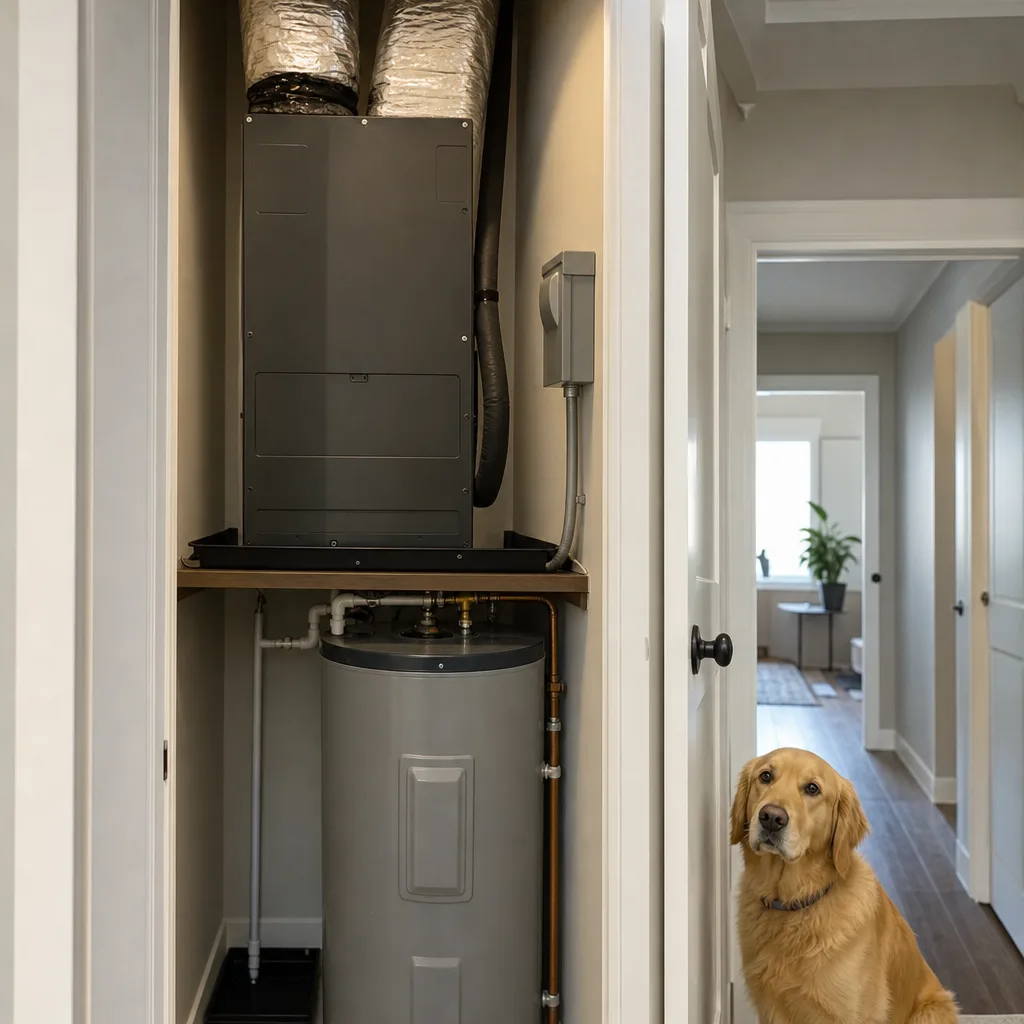
Here’s what’s included in our installation price:
- The equipment and materials
- Professional installation
- Standard connections
- Startup and testing, so you know it’s cooling right before we leave
- Haul-away of your old unit
Here’s what’s not included unless your quote says it is:
- Ductwork changes
- Electrical changes
- Plumbing changes
- Code corrections
- Permits
Those aren’t hidden traps. They’re the parts nobody can price until they’ve seen your home. Say you live in a 1970s slab ranch house in Dallas. The wiring at the outdoor unit or the drain line in the attic may not match what’s needed today. If it needs work, it should show up as its own line on your quote, so you see it before you say yes.
These are the things that push the price up or down:
- Size and capacity. A/C size is measured in tons. That’s how much heat the system can pull out of your house, not how much it weighs.
- Efficiency. SEER2 is the efficiency rating. A higher number means the system uses less power to give you the same cooling. Higher-efficiency systems usually cost more up front.
- Brand and model.
- Ease of access. A cramped attic with a tight opening takes more time and labor than a wide-open one.
- The condition of your existing ductwork, wiring, and plumbing.
- Code upgrades and permits.
- Any custom fabrication, like a part built on-site to make the new system fit.
Ask these questions before you sign with anyone, us included:
- Did you size this system for my house, or just match the old unit? A cooling load calculation looks at your square footage, insulation, windows, and how much sun hits the house.
- Is the indoor coil being replaced to match the new outdoor unit? A mismatched pair causes the problems we covered earlier.
- Is the permit included, or is it extra?
- Is hauling away the old unit part of the price?
- Will I get the full price in writing before any work starts?
You get upfront flat-rate pricing that you approve before we start, so there’s no meter running and no surprise bill at the end. If the total is the hard part, flexible financing is available on qualifying installations and larger jobs, on approved credit.
Have questions? We’re happy to help.
Call Today, Get Service Today. Xtreme Air Services — North Dallas is ready to help.
Why Ductwork and Wiring Condition Changes the Job in Older Dallas Homes
A new A/C is only as good as the ducts and wiring it hooks up to. In a lot of Dallas homes built from the 1950s through the 1990s, those parts are decades old. The outdoor unit may have been replaced once or twice, but the ducts in the attic and the wiring at the panel often haven’t been touched since the house was built. That’s why two homes with the same square footage can get very different quotes.
Here’s what an installer should check in an older home, and why each one matters.
- Duct size. A new system needs to move a certain amount of air. If the ducts are too small, the system strains, gets noisy, and can’t cool the far rooms. A bigger or more efficient unit on undersized ducts won’t fix a hot bedroom. It just makes louder air.
- Return air. Many older houses have one small return grille in the hallway. That’s like trying to breathe through a straw. Not enough air coming back to the system cuts cooling and can freeze the coil.
- Attic duct wear. Dallas attics can get well over 130 degrees in summer. Years of that heat can dry out tape, crack old duct board, and let flex duct sag or come loose. Every gap dumps cold air into the attic instead of your living room.
- Electrical capacity. Your new system needs the right breaker and wire size at the panel. Older panels may be full, worn, or sized for a different unit. The outdoor disconnect, the shutoff box near the condenser, may be rusted or out of date.
- Refrigerant lines. The copper lines between the indoor and outdoor units may date back to an R-22 system. Sometimes they can be cleaned and reused. Sometimes they’re the wrong size or too worn, and they need to be replaced.
Picture a 1960s ranch house where the back bedroom has always run five degrees warmer. The owner puts in a brand-new system and the room is still warm. The problem was never the old unit. It was a crushed duct and a single tiny return. Catching that before the install saves you from paying for a new system and still living with the same hot room.
None of this means your older home needs a full makeover. Plenty of older houses have ducts and wiring in good shape, and the job stays a standard swap. The point is that someone should look before quoting you, in the attic, at the panel, and at the outdoor unit. A quote based only on the old unit’s model number is a guess.
This is where having one company for HVAC and electrical helps. Xtreme Air Services is a licensed and insured HVAC, plumbing, and electrical contractor. If your panel or wiring needs work, or your ducts need repair or new duct and vent installation, you’re not juggling a second contractor or waiting on someone else’s schedule. You get one team, one plan, and every extra item listed on your quote before any work starts.
Watch Our Video
See How We Handle A/C system installation in Dallas
Xtreme Air Services — North Dallas
What Happens on Installation Day
A straightforward like-for-like swap often takes most of one day. Your house will be without cooling while the old system is out, so if you can plan it for a milder week, you’ll be more comfortable. In July, attic work goes slower because the attic heat is brutal. That’s not a reason to rush the job. It’s a reason to start early and do it right.
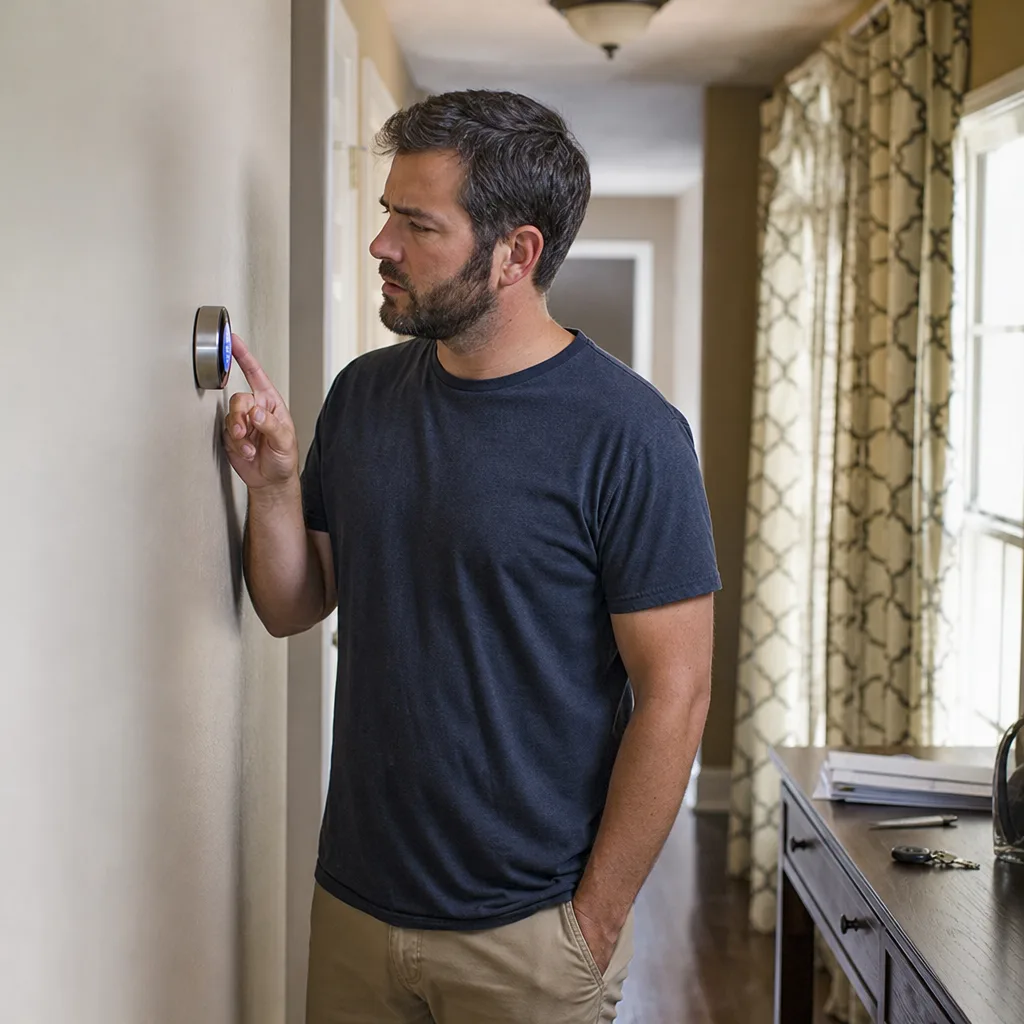
You can make the day go smoother with a few simple steps:
- Clear a path to your attic opening and to the outdoor unit.
- Move cars so there’s room to carry equipment in and out.
- Keep pets in a closed room or in the backyard away from the work area.
- Know where your electrical panel is. The power to the system has to be shut off.
The old system comes out first. The refrigerant has to be recovered with proper equipment, not released into the air. Then the old outdoor unit and indoor coil are disconnected and removed. Haul-away of your old unit is included in our installation price, so you aren’t left with a dead condenser on the side of the house.
Next, the new equipment goes in. Here’s what careful work looks like at each spot:
- In the attic, the new coil or air handler is set in place with a drain pan underneath. A safety switch that shuts the system off if the drain backs up protects your ceiling from water stains.
- Outside, the condenser should sit on a level pad. North Texas clay soil swells and shrinks, and that can tilt a pad over the years. A tilted unit is harder on the compressor.
- The copper refrigerant lines are joined and then pressure tested to make sure nothing leaks.
- The lines are pulled into a deep vacuum before refrigerant goes in. This step removes air and moisture. Skip it, and moisture left inside can shorten the life of a brand-new system.
- Power is connected at the breaker and the outdoor disconnect. Any wiring changes found during the estimate should already be on your quote.
Startup and testing is the part that tells you the job is really finished. It’s included in our installation, and it’s where a lot of installs get rushed. The refrigerant charge gets checked and adjusted. Airflow gets checked. The air coming out of your vents should be clearly cooler than the air going into the return. Water should be draining out of the condensate line the way it’s supposed to.
Before the installer leaves, ask them to show you three things. Where your filter goes and what size it takes. How to set your thermostat. Where the drain line ends outside, so you can spot a clog later. If your job needed a permit, a city inspection may come after the install. Your quote should already tell you whether the permit is included.
You’ll know the price before anyone touches your old system, because you approve our upfront flat-rate price before work starts. If you’re ready to see what your Dallas home needs, call and talk to a real person. We’ll look at your attic, your panel, and your outdoor unit, then give you a clear plan and a firm number.
Call 469-213-3107
Frequently Asked Questions
Common questions about A/C system installation
Can I legally install my own A/C system in Dallas?
No, you can’t legally install a full A/C system yourself in Dallas. Texas requires a licensed HVAC contractor through the Texas Department of Licensing and Regulation to handle refrigerant lines, electrical hookups, and permitted work. DIY installs can also void your equipment’s eligibility for warranty coverage and may fail a city inspection if a permit is required. Hiring a licensed contractor protects your home and keeps the job code-compliant.
What’s the downside of a wall-mounted or ductless system compared to a full A/C installation?
A wall-mounted or ductless system can struggle to cool an entire house evenly, since each unit mainly handles the room it’s in. In a typical Dallas home, that means you may need multiple indoor units to match the comfort of one central system tied into your existing ductwork. They also sit on an interior wall, which can be a tight fit in older homes without the right wiring already in place. For whole-house cooling, a central system connected to your ducts usually performs more consistently.
Ready to Get Started?
Call (469) 213-3107 Today, Get Service Today.