


Slab Leak Detection in Sunnyvale: Find the Leak Before It Cracks Your Floor
Under-slab leaks isolated to a spot before the jackhammer comes out, using line isolation, pressure testing, and acoustic location.
What’s Covered on This Page
- Signs Your Slab Has a Hidden Leak
- Check These Common Culprits Before You Book
- How Slab Leak Detection Works, Step by Step
- What Slab Leak Detection Costs and What Drives the Price
- Larger Lots, Longer Runs: Slab Leak Detection in Sunnyvale Homes
- How fast can you get someone out to check a possible slab leak?
- What happens when you arrive to check my slab?
- Are Sunnyvale homes more likely to have slab leak problems?
- How can I tell if it’s really a slab leak and not something else?
- Will finding the leak mean tearing up my floor or yard?
- Why does detection take longer on some Sunnyvale properties?
Check These Common Culprits Before You Book
Before you book anything, run through a quick gut check. Not every wet spot or high water bill points to a slab leak. We often get calls where the real problem turns out to be much simpler.
- A running toilet that never fully shuts off and quietly adds gallons a day to your bill
- A water heater drip pan overflowing onto the garage or utility room floor
- An irrigation valve stuck open somewhere in the yard
- An AC condensate line draining in the wrong place, especially during a hot Texas summer
- Pipes sweating from humidity, which can resemble a leak but aren’t leaking
The signs of a slab leak point somewhere else. You may find a warm floor with no vents nearby. You may hear running water when every faucet is off. An unexplained jump in the water bill gets our attention fastest. Most Sunnyvale homes sit on slab foundations, with supply lines beneath solid concrete. You can’t simply look under the house and check those lines yourself.
If you’re seeing only one small item from the list above, watch it for a day or two. If two or three signs appear together, that’s worth a call.
How Slab Leak Detection Works, Step by Step
Here’s what happens when we show up. There’s no guesswork or tearing up your whole yard on a hunch.
- We talk with you first about what you’ve noticed. It might be a warm floor, hissing sound, or unexplained water bill increase.
- We check your water meter and isolate the plumbing system. This confirms whether there’s a leak or another problem.
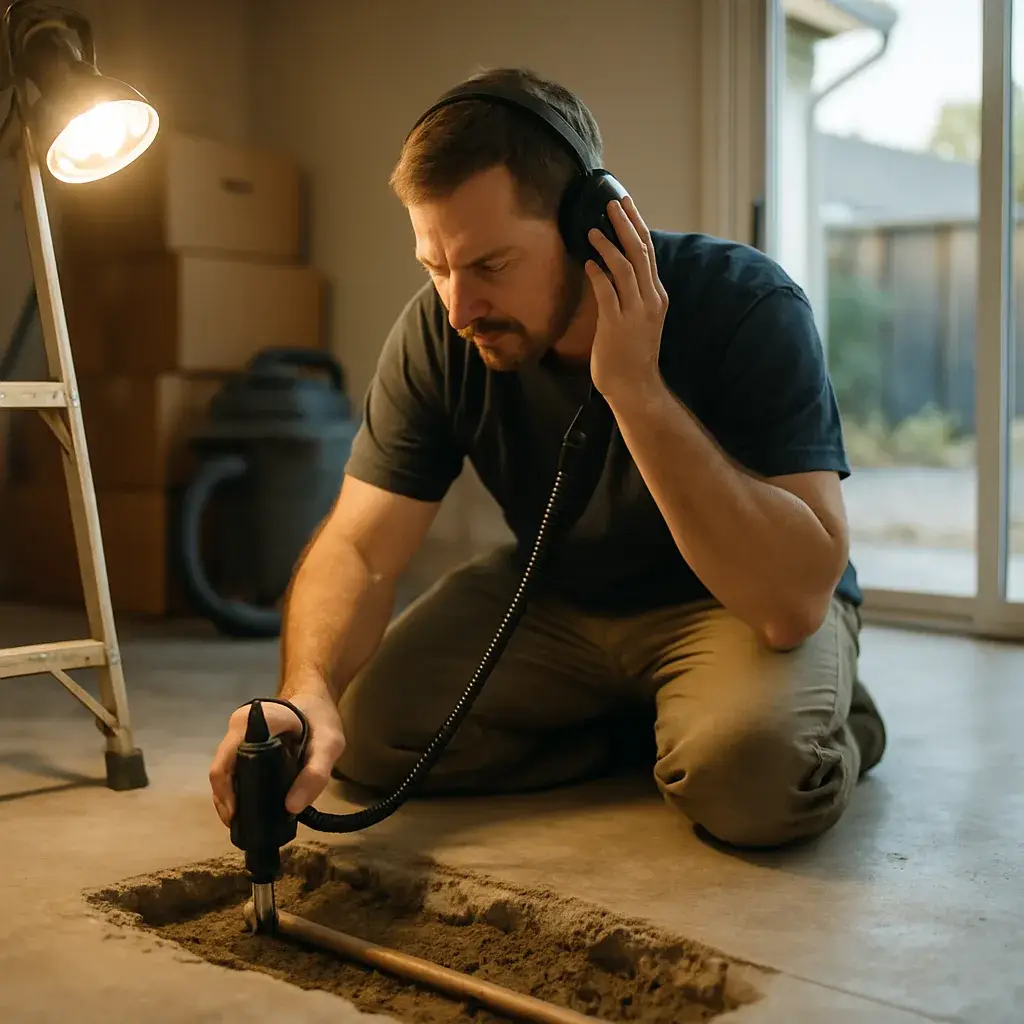
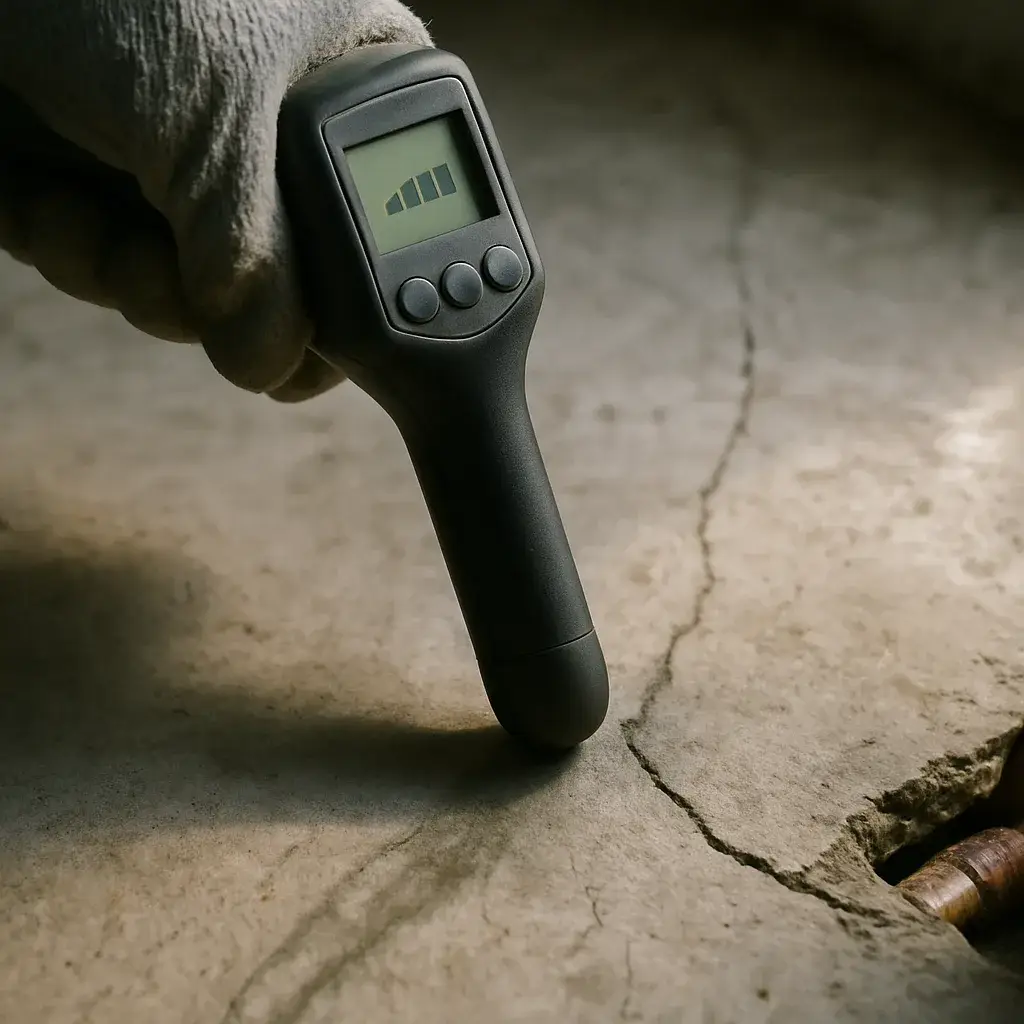
- We bring the right tools for the job. Acoustic equipment detects escaping water, while thermal imaging spots temperature changes in the slab. Testing narrows down which line is losing water.
- We pinpoint and mark a specific location on your slab, rather than saying it’s somewhere under the kitchen.
- We give you a written summary of our findings and explain what we recommend next.
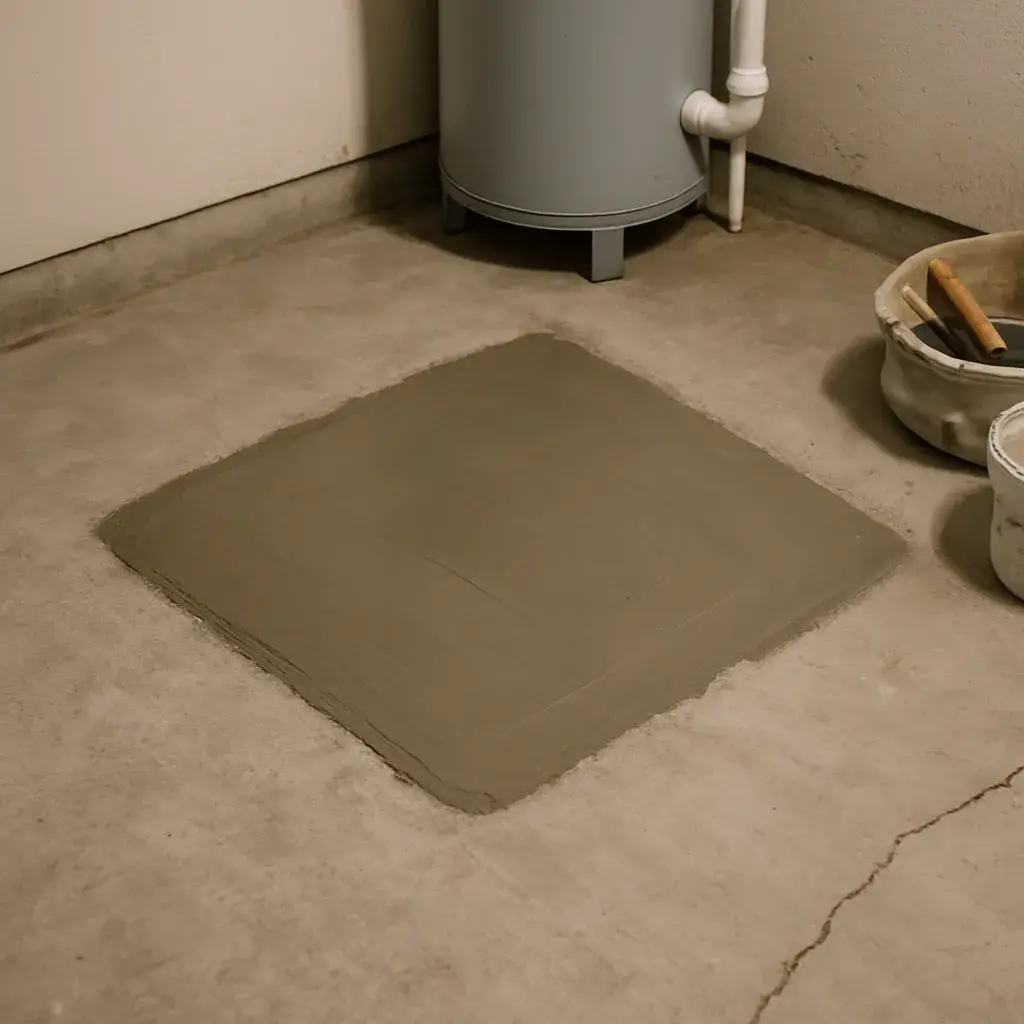
We’re not cutting concrete during this visit. This is detection, not repair. The point is to know exactly where to dig before anyone starts digging.
Post-tension slabs in older Sunnyvale homes can make this work trickier. Cables inside the concrete require careful planning before any future repair cut. That’s why accurate detection matters here. Guessing wrong on a post-tension slab can cause a real problem.
Once we know where the leak is, you’re in control. You decide what happens next based on real information rather than a hunch.
Not sure what your Slab leak detection project needs? Ask us.
Call Today, Get Service Today. Xtreme Air Services is ready to help.
What Slab Leak Detection Costs and What Drives the Price
Cost is usually the first question. Slab leak detection typically runs $200-$600. A straightforward pinpoint with a written summary usually costs $200-$375. That’s the real range, not a teaser rate. Your price within that range depends on factors we can usually identify quickly.
- Property size – scanning a small ranch house takes less time than scanning a sprawling one-story home on a large slab
- How deep the leak is and where it sits under the slab
- Access – furniture, flooring, and finished rooms over the suspected area can slow the work
- The equipment needed for the job, such as acoustic listening gear, thermal imaging, or testing
We charge a $26-$99 service call fee for the visit. That fee is credited toward your repair if you move forward with us, so you aren’t paying twice to learn what’s wrong.
That price covers the detection work and a written summary explaining the leak’s location and our recommended next step. Repairs are a separate job and priced once we know what we’re dealing with. Financing typically isn’t offered for this smaller detection visit. It’s more common for larger repairs or replacement work later.
We quote the detection job upfront, before anyone touches your slab. You won’t find surprise line items afterward.
Larger Lots, Longer Runs: Slab Leak Detection in Sunnyvale Homes
Sunnyvale isn’t built like Dallas or Plano, and that affects how we find a leak beneath your slab. Lots along FM 740 and in newer subdivisions nearby tend to be larger. That often means longer supply lines buried deeper beneath more concrete. A leak that takes twenty minutes to isolate in a tight Irving townhome may take longer here. There’s simply more slab to inspect.
We see this every week. With a larger footprint, our acoustic equipment must cover more ground before picking up a solid signal. Thermal imaging must scan a wider flooring area. The job isn’t necessarily harder – it takes patience and the right equipment to narrow down the location without guessing.
Newer Sunnyvale construction usually has PEX or copper lines beneath a single slab pour. It doesn’t have additions stacked onto earlier additions, as some older Dallas homes do. That’s good news. Fewer generations of plumbing under one roof mean fewer variables when tracking changes or listening for a telltale hiss.
Older properties on larger acreage sometimes have another water line running to a shop, barn, or guest structure. Miss that line, and you could spend hours chasing the wrong leak.
Our licensed and insured technicians ask about outbuildings before opening the equipment case. Skipping that question on a Sunnyvale property wastes everyone’s time.
Frequently Asked Questions
Common questions about Slab leak detection
How fast can you get someone out to check a possible slab leak?
We can usually schedule a visit within a day or two of your call. If you’re seeing two or three warning signs together, like a warm floor and a rising water bill, call sooner rather than later. Waiting lets water sit under your slab longer, which can lead to more damage. When you call, tell us exactly what you’ve noticed. That helps us bring the right equipment on the first visit instead of a second trip.
What happens when you arrive to check my slab?
We start by talking with you about what you’ve noticed, then check your water meter to confirm there’s a leak. From there, we use acoustic equipment to listen for escaping water and thermal imaging to spot temperature changes in the concrete. We mark the exact spot on your slab instead of guessing at a general area. Before we leave, you get a written summary explaining what we found and what we recommend next.
Are Sunnyvale homes more likely to have slab leak problems?
Yes, especially older homes built with post-tension slabs, where steel cables run through the concrete. These slabs need careful planning before any repair cut, so accurate detection matters more here than in newer construction. Newer Sunnyvale homes often use PEX or copper lines under a single slab pour, which behaves differently. Either way, knowing your slab type before repair work starts helps avoid a costly mistake.
How can I tell if it’s really a slab leak and not something else?
A true slab leak usually shows up as a warm floor spot, a hissing sound with everything off, or a water bill that jumps 20 to 30 percent with no change in your routine. Simpler problems like a running toilet, an overflowing water heater pan, or a stuck irrigation valve can mimic these signs. If you only notice one small thing, watch it for a day or two. If two or three signs show up together, it’s worth having checked.
Will finding the leak mean tearing up my floor or yard?
No, detection doesn’t involve cutting concrete or digging up your yard. We use listening equipment and thermal imaging to pinpoint the leak’s location from above the slab. This visit is about finding the exact spot, not repairing it. Once we mark the location, you’ll know precisely where any future repair work needs to happen, so nothing gets opened up on a guess.
Why does detection take longer on some Sunnyvale properties?
Larger lots, especially newer subdivisions near Sunnyvale, often have longer supply lines running deeper under more concrete. Our acoustic equipment has to cover more ground, and thermal imaging has to scan a wider area, before we get a clear signal. It’s not that the job is harder, it just takes more patience and the right tools to narrow down the exact spot without guessing.
Ready to Get Started?
Call 972-288-2263 Today, Get Service Today.