


Backup Power Assessment in Sunnyvale: Find Out What Your Home Really Needs
A walkthrough of your home, panel, and priorities to determine exactly what needs to stay running when the power drops.
What’s Covered on This Page
- A Backup Power Assessment Starts With a Real Load Calculation
- Standby Generators vs. Portable Backup: Matching the System to Your Home
- Older Electrical Panels Often Need a Check Before Generator Sizing
- Signs You Can Skip a Full Assessment
- What Happens During Your On-Site Visit
- How long does a backup power assessment take, and how do I schedule one?
- What should I expect when you show up for the assessment?
- Why do older Sunnyvale homes often need extra electrical work before a generator install?
- Do I really need a full assessment, or can I just buy a generator?
- How do you figure out what size generator my home needs?
A Backup Power Assessment Starts With a Real Load Calculation
Here’s where a lot of assessments go wrong before they even start: somebody eyeballs your panel and guesses a generator size. We don’t do that. A real backup power assessment means walking your home, room by room, and figuring out what needs to stay on when the grid goes down.
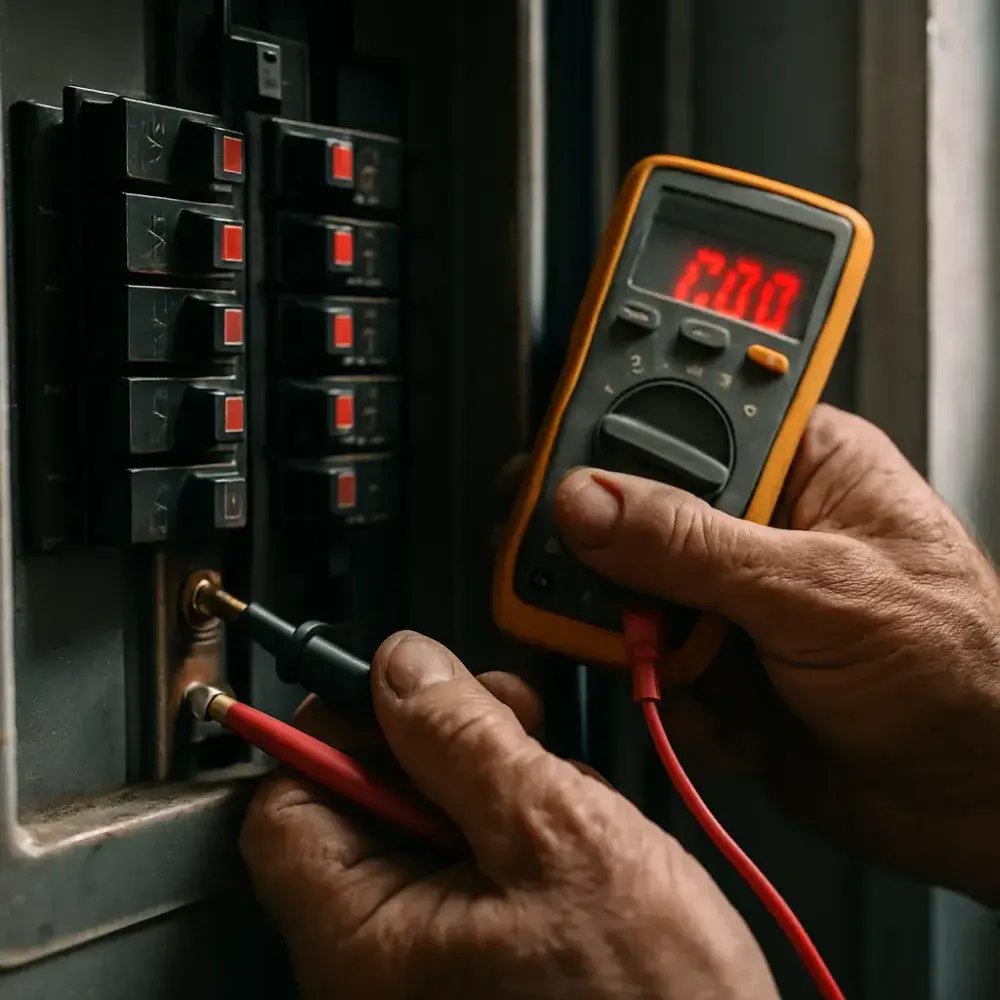
Think about what matters most during a Sunnyvale summer outage. Your AC compressor draws a heavy startup load, refrigerators cycle on and off all day, and if you’re on well water or have a sump pump, that’s power you can’t skip. Older homes around Sunnyvale with a single 100-amp panel need a different conversation than a newer place with a 200-amp service and a home office full of electronics. We check your panel, your circuits, and ask what you want running. Lights and a fridge, or the whole house including the AC.
So we measure. Square footage, appliance wattage, HVAC tonnage, well pump horsepower if you’ve got one. Then we add it up and compare it against what a portable generator, a whole-home standby unit, or a battery system can handle. Guessing here costs you later, either an underpowered generator that trips during a heat wave or an oversized unit you overpaid for.
Nine times out of ten, homeowners are surprised by how much their AC alone eats into the total load. That’s not a small detail. It’s usually the deciding factor in what size system makes sense.
This isn’t a sales pitch dressed up as a consultation. It’s an honest look at your electrical setup, your goals, and what backup power option fits your home.
Standby Generators vs. Portable Backup: Matching the System to Your Home
So which one do you need? That’s the real question behind every backup power assessment we do. A portable generator can run a fridge, a window unit, and a few lights during a short outage. A whole-home standby unit kicks on by itself and can carry your AC, your well pump if you’ve got one, and your electrical panel without you lifting a finger. Different jobs, different budgets, different expectations. Once you’ve picked a direction, our Generator Installation Service in Sunnyvale covers the install itself.
Here’s what we look at during the visit:
- How often your part of Sunnyvale loses power, and for how long
- Whether you’ve got medical equipment, a home office, or a business that can’t afford downtime
- Your home’s electrical panel and whether it can handle a transfer switch
- Where a unit could sit outside without blocking access or drainage
- Your budget, both for the unit itself and for fuel type, natural gas or propane
Older homes on smaller lots sometimes don’t have room for a full standby setup near the panel. We’ll tell you that straight, no dancing around it. Newer subdivisions with bigger side yards usually have more options. And storm season here can knock out power for hours, sometimes longer. That changes the math for a lot of families.
If a portable unit fits your situation better, we’ll say so. If a standby system makes more sense, we’ll walk you through Generator Installation Service in Sunnyvale | Xtreme Air Services and what that install involves. Nine times out of ten, the right answer is obvious once you see both options laid out side by side. That’s the whole point of doing this assessment before you buy anything.
Older Electrical Panels Often Need a Check Before Generator Sizing
Here’s something a lot of homeowners don’t think about until we bring it up. Your generator size doesn’t matter much if the panel behind it can’t handle the load. We see this every week during a backup power assessment, especially in Sunnyvale’s older established homes where the electrical panel is original to the house.
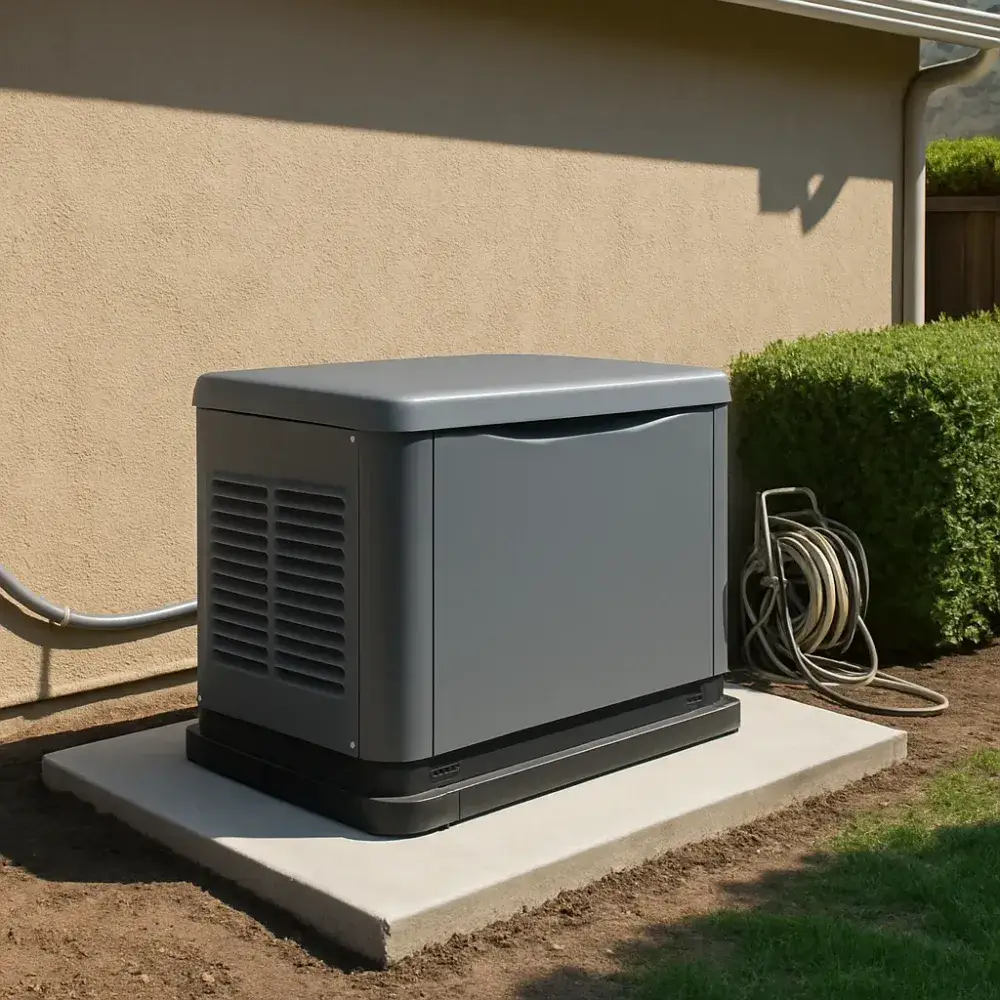
A lot of these homes were built with 100-amp service, back when nobody ran three window units, a pool pump, and a home office off the same panel. Newer subdivisions around Sunnyvale usually come with 200-amp panels, so there’s more room to work with. But older panels can be maxed out already, or close to it. That changes what kind of generator setup makes sense, and whether a subpanel or panel upgrade needs to happen first.
During your assessment, we’re not just asking what you want to power. We’re looking at what your existing panel can support, whether the wiring is in decent shape, and where a transfer switch would even go. Fuse boxes and old aluminum wiring come up more than you’d think in this area. Both change the conversation.
Skip this step, and you risk buying a generator that either overloads your system or can’t be installed the way you pictured it. That’s a frustrating, expensive surprise nobody wants.
Not sure if your panel’s up to the task? That’s pretty common, and it’s exactly why we look at it during the assessment instead of guessing. If an upgrade turns out to be the right move, our electricians handle panel replacements and subpanel installs as part of the same conversation. No need to bring in a second contractor or start over with someone new.
Watch Our Video
See How We Handle Backup power assessment in Sunnyvale
Xtreme Air Services — Serving Sunnyvale and surrounding areas
Not sure what your Backup power assessment project needs? Ask us.
Call Today, Get Service Today. Xtreme Air Services is ready to help.
Signs You Can Skip a Full Assessment
Not every home needs a sit-down backup power assessment. If you already know exactly what you want, a small portable generator to keep the fridge and a few lights running during a summer storm, you can usually just call and order it. No consultation needed for that.
Same goes if you had a whole-home standby generator installed somewhere else in the last few years and it’s still under manufacturer service. A load calculation was already done. Your needs haven’t changed much since then, unless you’ve added a pool, a workshop, or a home addition with its own AC unit. In that case, the math has changed and it’s worth another look.
Here’s when you can probably skip it:
- You just need a small portable unit for a fridge, some lights, and a fan
- Your home already has a properly sized standby generator installed and running fine
- You’re only trying to power one window AC unit during outages, nothing whole-house
- You’ve had an assessment done in the past two years and nothing structural has changed
Now, if your power situation is more complicated than “one fridge,” slow down. Got a home office that can’t lose internet? Medical equipment that needs steady power? A detached shop with its own electrical panel? That’s when guessing gets expensive, and undersized systems fail exactly when you need them most. We see homeowners try to eyeball this on their own sometimes, and it usually works out fine for simple setups. But for anything with multiple circuits or a whole-home system in play, a proper assessment saves you from buying more generator than you need, or worse, less than you need.
What Happens During Your On-Site Visit
Here’s what happens when one of our techs pulls up for your backup power assessment. We’re not there to sell you the biggest generator on the truck. We’re there to look at your actual house, your actual panel, and your actual needs, then tell you the truth about what makes sense.
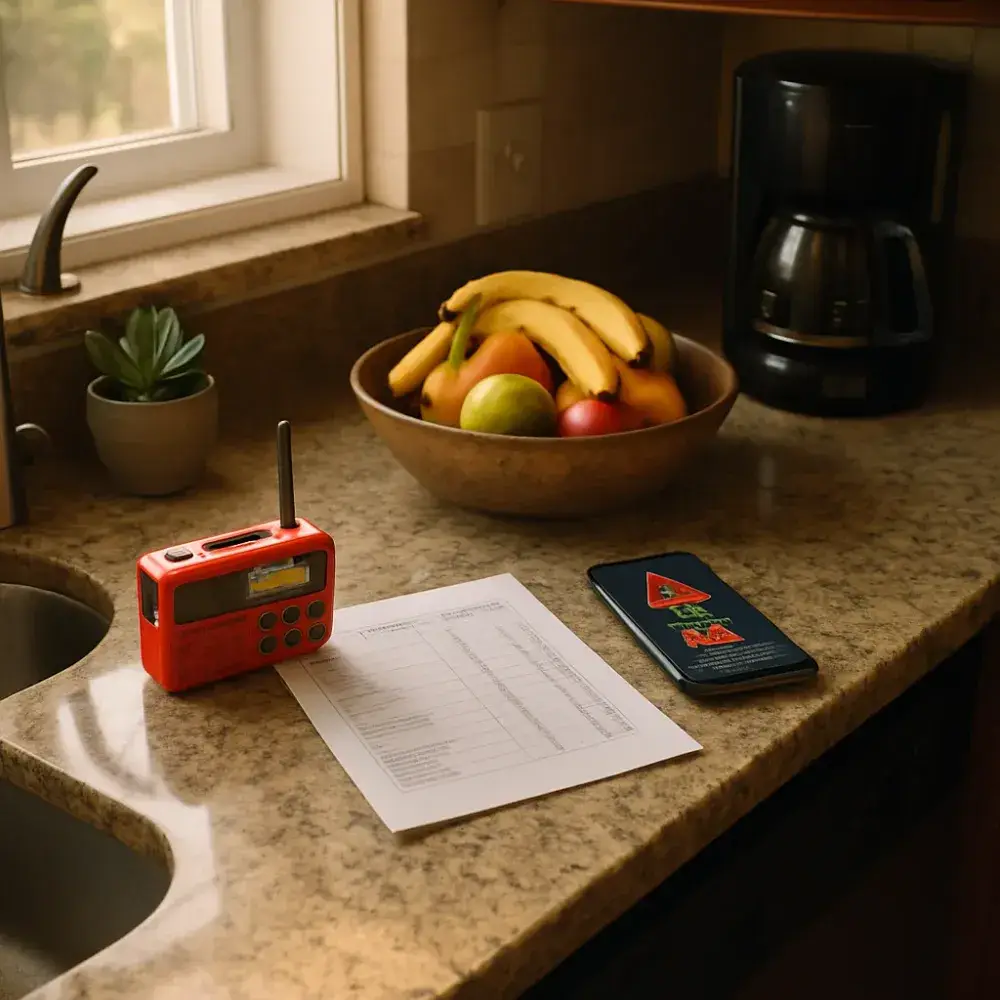
First, we walk the property. Where’s the electrical panel, is it in the garage or on an exterior wall, and how much room is there for a transfer switch or a generator pad? Sunnyvale has a mix of older homes with smaller panels and newer builds out toward the eastern edge with more modern service, so panel size matters a lot here.
- We check your current electrical panel and note its capacity.
- We ask what you want covered, just the fridge and a few lights, or the whole house running like nothing happened.
- We run a load calculation so the sizing isn’t a guess.
- We talk through generator placement, fuel type, and transfer switch options.
- We give you straight numbers and a recommendation, no pressure attached.
Most visits run about 30 to 45 minutes, sometimes longer if your setup is more involved. We see this every week: folks think they need a massive standby unit, and once we run the numbers, a smaller system covers everything they care about.
Not sure what questions to even ask? That’s normal, most people have never shopped for a generator before.
Frequently Asked Questions
Common questions about Backup power assessment in Sunnyvale
How long does a backup power assessment take, and how do I schedule one?
A typical assessment takes about an hour, sometimes a bit more for larger homes. We walk through your house, check your electrical panel, and ask what you want to keep running during an outage. Booking is simple, just call and we’ll find a time that works. Sunnyvale summers bring heat waves that strain the grid, so many homeowners like to schedule before that season starts. That way, you’re not scrambling when the power goes out.
What should I expect when you show up for the assessment?
You can expect us to walk your home room by room, checking your panel, circuits, and major appliances. We measure square footage, HVAC size, and any well pump or sump pump you have. Then we talk through your goals, just the fridge and lights, or the whole house running normally. There’s no pressure to buy anything on the spot. It’s an honest look at your setup so you can make a good decision.
Why do older Sunnyvale homes often need extra electrical work before a generator install?
Many older homes in Sunnyvale still have their original 100-amp panel, and that often can’t support a modern generator setup without changes first. Newer subdivisions usually have 200-amp service with more room to work with. During your assessment, we check whether your panel, wiring, and transfer switch location can handle the load you want. If an upgrade is needed, we can handle the panel or subpanel work in the same visit.
Do I really need a full assessment, or can I just buy a generator?
If you only need a small portable unit for the fridge and a few lights, you can usually skip the full assessment. The same goes if you already have a properly sized standby generator running fine. But if you’ve added a pool, a workshop, or extra AC since your last setup, the math has changed. A quick assessment helps you avoid buying something that’s under or oversized for your home.
How do you figure out what size generator my home needs?
We start with a real load calculation, not a guess based on your panel size. That means adding up your square footage, appliance wattage, HVAC tonnage, and any well pump load. In most Sunnyvale homes, the AC compressor turns out to be the biggest factor, since it draws a heavy startup load. Once we have the full picture, we compare it against portable, standby, and battery backup options to find what fits.
Ready to Get Started?
Call 972-288-2263 Today, Get Service Today.