


Generator Sizing / Consultation: Repair, Resize, or Replace?
How we decide whether to resize, upgrade, or replace a generator at Sunnyvale, TX homes.
What’s Covered on This Page
The Short Answer: It Comes Down to Load, Not Just Age
How old your home is or how many bedrooms it has almost nothing to do with the size generator you actually need. What matters is load, meaning the running watts and starting watts of everything you want backup power to cover. A 1,600 square foot house with a well pump, a sump pump, and a home office running medical equipment can need a bigger unit than a 3,200 square foot house where the goal is just keeping the AC and refrigerator alive during a storm.
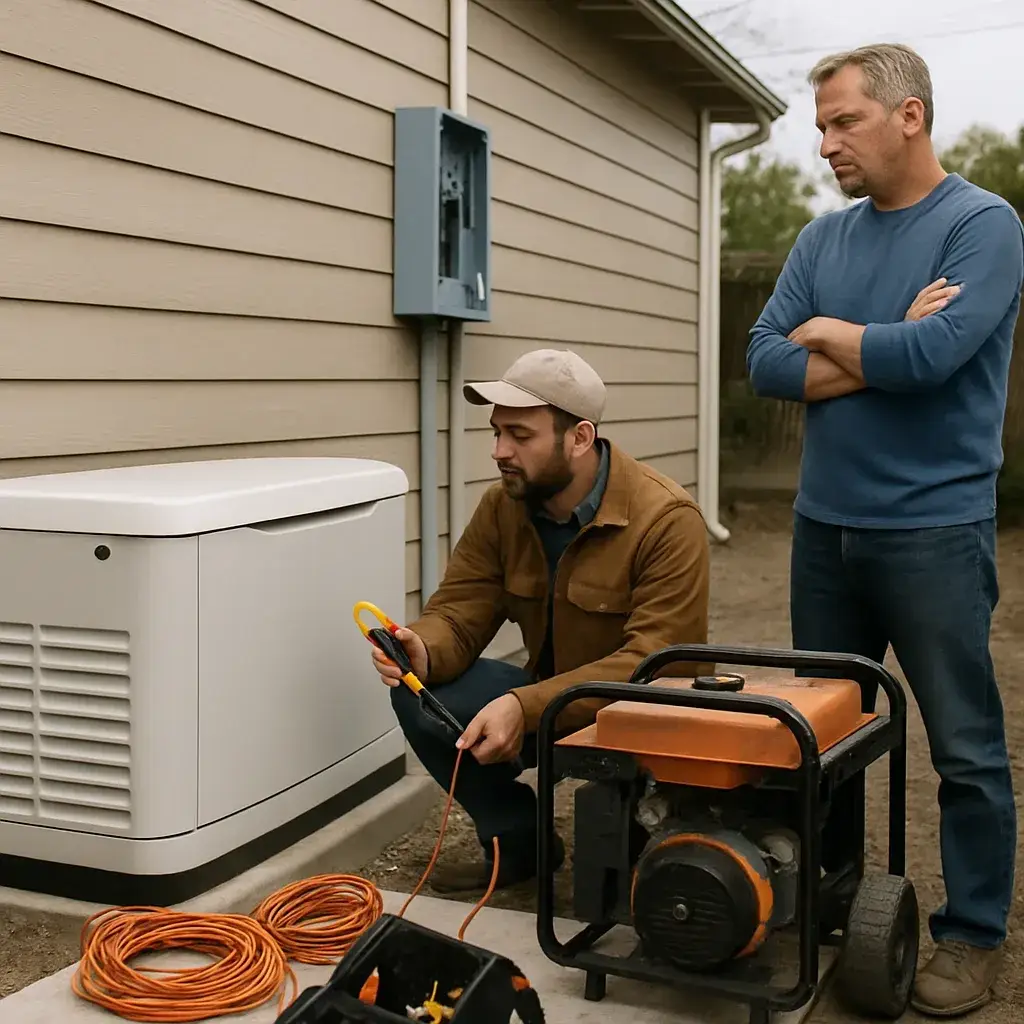
That’s the whole point behind our generator sizing and consultation service. We walk the property, list out what you want powered during an outage, and calculate the running load plus the surge load some equipment needs just to start up. Air conditioners and well pumps pull far more power the instant they kick on than they do once they’re running, and that surge number is exactly what gets missed when a generator gets sized off a rough guess instead of a real calculation.
Here’s a tradeoff worth knowing up front: bigger isn’t automatically better. An oversized generator costs more to buy and more to run, and it can end up idling well below its efficient operating range if it’s only ever asked to carry a small load. Undersized is worse, though, since it can trip on overload right when you need it most. The consultation exists to land on the number that actually fits your home or business, not to sell you the biggest unit on the lot.
As for cost, the consultation itself is typically complimentary. If a detailed load calculation or formal engineering and design work is involved, a fee in the $0 to $300 range can apply. Where we do charge a service-call fee, it runs $26 to $99, and that amount gets credited toward the job if you decide to move forward with us. The consultation covers the sizing assessment and your options, not installation, equipment, or any follow-on work. Financing isn’t typically part of this smaller step, though it’s available once you get to a larger installation or replacement.
What you walk away with is a number backed by an actual calculation, plus a clear picture of what a properly sized unit would look like for your specific situation.
The Factors That Decide Resize, Upgrade, or Replace
The real answer comes down to what you want running during an outage and what your panel can support. Every consultation starts the same way: we walk your electrical panel, count your circuits, and talk through what you’d never want to lose power to, whether that’s the fridge, the well pump, a medical device, or the whole house. That list drives the math far more than the square footage of your home ever does.
If you’re comparing a smaller unit against a whole-home standby generator, the deciding factor is usually your simultaneous load, not your total square footage. A 2,800 square foot house with gas everything might run comfortably on a mid-size unit. The same size house with an electric range, a tankless water heater, and a pool pump can need a lot more. That’s why we run a load calculation instead of pricing off square footage alone.
Fuel source matters early in the conversation, too. Natural gas versus propane changes what’s available and how the fuel line connection gets run. We also check your existing gas meter capacity before we ever recommend a size, because a generator that’s sized right on paper but starved for fuel supply won’t perform the way you expect.
- Panel age and capacity, since an older panel may need attention before it can accept a larger unit
- Whether you want whole-house coverage or just critical circuits, which changes the transfer switch setup
- Planned additions like an EV charger or new pool equipment that will add load later
- Placement and clearance for the generator pad, which can rule out certain sizes on tight lots
- Whether an existing generator just needs a transfer switch upgrade instead of full replacement
We’ve told homeowners that the bigger unit they were quoted elsewhere wasn’t necessary. If your goal is keeping the essentials running and your panel supports it, we’ll say so, even when the smaller option costs less. We’ve also had to tell people that a unit they were considering wouldn’t cover a workshop or second fridge they hadn’t mentioned until we walked the property. That’s exactly why the load calculation happens before you commit to equipment.
Sometimes the answer isn’t a new generator at all. If you already have a unit that’s sized fine but was installed with a limited transfer switch, adding circuits or updating that switch can solve the problem for less than a full swap. We’ll tell you plainly if that applies to your setup instead of steering you toward a bigger sale.
For a closer look at how this consultation runs and what we check on-site, generator sizing and consultation service in Sunnyvale covers the visit in more detail.
When We’d Recommend Resizing or Upgrading What You Already Have
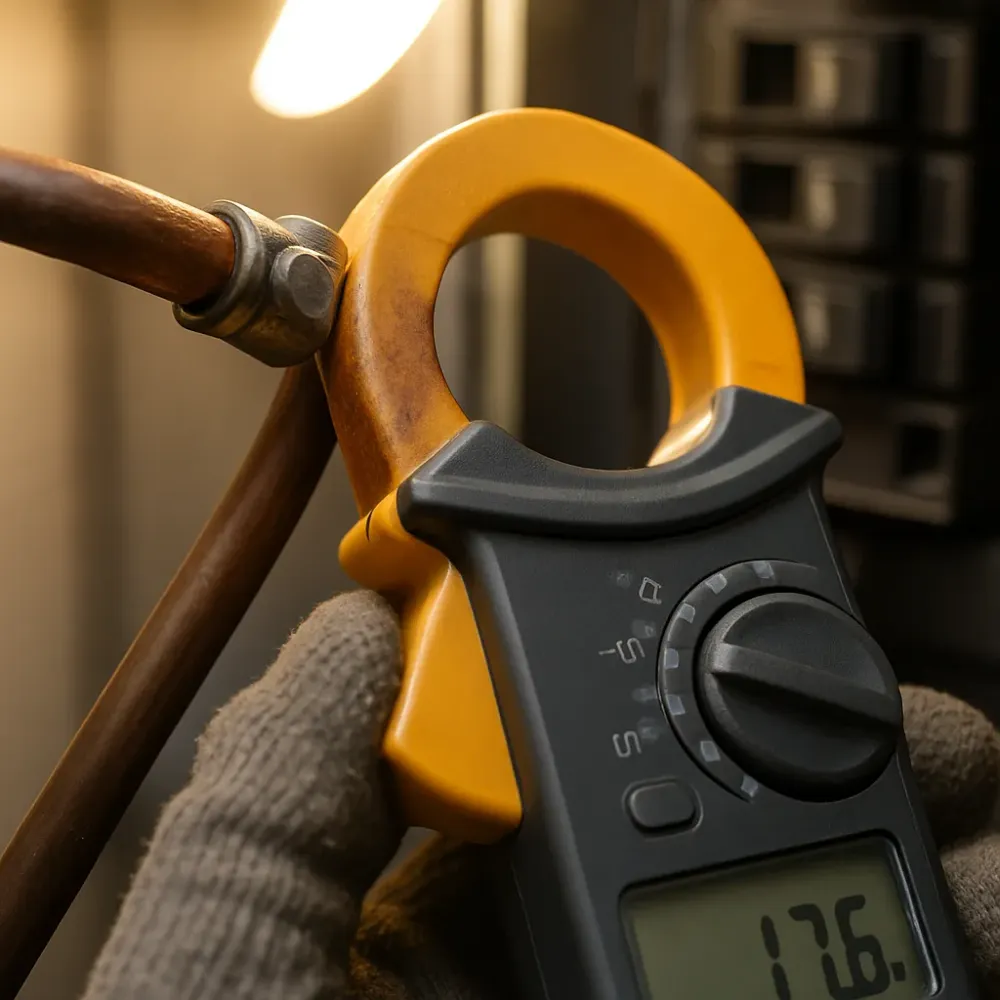
We’d recommend resizing when your home’s electrical load has outgrown what your generator was built to carry. That happens more often than people expect. A house that had a generator sized for the AC and a few circuits five years ago might now have a tankless water heater, an EV charger, or a second HVAC system added since then. Each of those pulls real amperage. If we run the load calculation and your current unit is close to maxed out, we’ll say so plainly, and we’ll show you the math, not just a bigger price tag.
The other common trigger is a home addition or a switch from a portable generator to a whole-home standby unit. Adding a bedroom wing, a workshop, or a home office with its own equipment changes the numbers. So does moving from a manual transfer setup to an automatic one, which often calls for a fresh look at panel capacity and transfer switch sizing.
- You’ve added major appliances or an EV charger since the original install
- The home has been expanded with new square footage or a detached structure
- You’re moving from a portable unit or manual switch to a whole-home standby system
- You’re not sure the original sizing ever matched your actual panel load
- A subpanel or dedicated circuit has been added and never re-evaluated
A resize isn’t always the fix, though. If your generator is undersized but was installed by someone else and you just want a bigger unit connected to the existing setup, we look at the transfer switch, the gas line, and the pad before agreeing to anything. We back what we install with a workmanship warranty, so we only install equipment we can source and verify, which is why we don’t take on labor-only swaps of equipment bought elsewhere. If the existing hardware can’t support a safe upgrade, we’ll tell you what needs to change first instead of just bolting on a bigger box.
The load sizing assessment itself is usually complimentary, so it costs you nothing to find out where you stand, whether you’re comparing options through our generator sizing and consultation service or just confirming what you already have is enough. If the review turns into a full engineering or design job for a complex commercial setup, that’s a separate scope we’ll walk you through before any fee applies.
A generator that’s a little oversized usually isn’t a problem. One that’s undersized will shed circuits or shut down under load exactly when you need it most, which is the scenario worth ruling out before storm season, not during it.
Need help with Generator sizing / consultation?
Call Today, Get Service Today. Xtreme Air Services is ready to help.
When We’d Recommend Replacing the System Instead
We’d point you toward a new or bigger generator when the load calculation shows your current setup can’t carry what your home or business needs. A lot of homes in the Dallas-Fort Worth area have added a window unit, a pool pump, a workshop, or an EV charger since the last time anyone looked at backup power. That extra load adds up fast, and a generator sized for a smaller home years ago just won’t cover it now.
The consultation is where this gets sorted out with real numbers instead of a guess. We calculate the total load your home draws, then compare it against what your existing unit, if you have one, can actually produce. If there’s a real gap, replacing or upgrading is the honest recommendation, not a smaller fix that leaves circuits unprotected during an outage.
- A portable generator that can’t cover the AC, refrigerator, and well pump at the same time during a summer outage
- An older standby unit installed before a home addition, garage conversion, or new HVAC system raised the total load
- A setup that only backs up a few circuits when the household now wants whole-home coverage
- Equipment that’s aged out of parts support, which we’d flag during a backup power assessment rather than recommend patching
- A business that’s added refrigeration, kitchen equipment, or other critical loads since the original system was sized
It’s not always a replacement conversation, though. If the load numbers show your current standby generator still covers what you’re running, we’ll say that plainly and lay out your options anyway, rather than push a bigger system you don’t need. That’s the same reasoning we walk through in our generator sizing and installation services, where sizing, transfer switch setup, and placement all get worked out before anyone buys equipment.
When replacement is the right call, the next steps are straightforward: transfer switch installation, generator pad and placement, fuel line connection, and load testing once it’s in. None of that starts until the sizing numbers are settled first.
What the Consultation Costs and What It Includes
A generator sizing consultation with us usually runs somewhere between free and $300, and most homeowners pay nothing at all. The visit answers one question: what size generator does your house or business need to run the loads you care about, and what are your real options for getting there.
That range moves depending on how detailed the job gets. A straightforward walk-through, where we look at your electrical panel, talk through what you want backed up (the AC, the fridge, well pump, medical equipment, whatever matters to you), and calculate a load estimate, is often complimentary. If you need a formal load calculation or engineering-level design work, say for a larger commercial property or a complicated electrical setup, that’s where a fee can come into play.
- Included: a full load sizing assessment based on your panel and the circuits you want covered
- Included: a walkthrough of generator size and placement options that fit your situation
- Excluded: the generator itself, installation, permitting, or any electrical work
- Excluded: follow-on services like the transfer switch installation or fuel line connection, which get quoted separately once you decide to move forward
If you’re calling us out for something more urgent, like a generator that’s already installed and acting up, that’s a different visit with its own service-call fee, typically $26 to $99, and that fee gets credited toward the repair if you move forward with us. That’s not the same appointment as a sizing consultation, and we won’t mix the two up on the invoice.
This consultation doesn’t come with financing attached, since the visit itself is a small or no-cost item. Financing is a real option once you’re ready to install a whole-home standby generator, and we’ll walk through that when we get to pricing the actual unit and installation.
We built the consultation this way on purpose. A homeowner in Frisco with a newer panel and a homeowner in an older Garland house with a smaller service will land on very different generator sizes and very different budgets. Quoting either one over the phone without seeing the panel usually gets it wrong. The consultation is where that gets sorted out before any money changes hands on equipment.
See our full generator sizing consultation in Sunnyvale for what the complete job involves.
Ready to Get Started?
Call 972-288-2263 Today, Get Service Today.