
Transfer Switch Installation in Sunnyvale: Keep the Power On When DFW Storms Hit
The safe, automatic handoff between utility and generator power, installed and tested so your home switches over without anyone flipping a thing.
What’s Covered on This Page
- Signs Your Sunnyvale Home Needs a Transfer Switch
- Automatic vs Manual Transfer Switches: Which Fits Your Home
- When You Don’t Need a Transfer Switch
- What to Ask Before You Hire an Electrician for This Job
- The Transfer Switch Installation Process, Step by Step
- How long does transfer switch installation take?
- What should I expect when the electrician arrives to install my transfer switch?
- Do I need a permit for transfer switch installation in Sunnyvale?
- What’s the difference between an automatic and manual transfer switch?
- Do I need a new transfer switch if my home already has one?
- Why do homes near FM-548 in Sunnyvale lose power more often during storms?
Signs Your Sunnyvale Home Needs a Transfer Switch
Most calls start the same way. The power goes out, you haul the portable generator from the garage, and then you’re standing in the yard with a tangle of extension cords running through a cracked window. Sound familiar? That’s the moment most Sunnyvale homeowners realize they need a transfer switch.
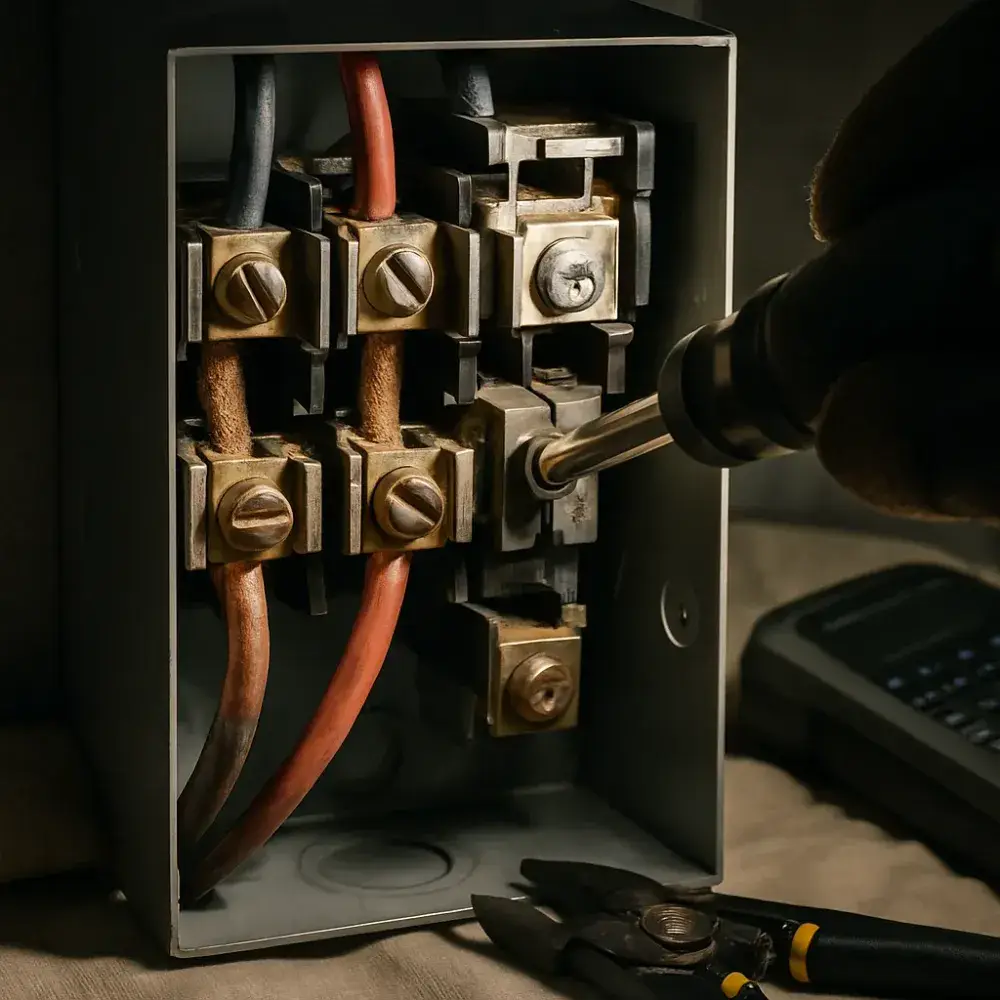
Sunnyvale sits on the edge of the DFW grid, and that matters more than people think. Feeder lines out this way run longer distances than they do closer to Dallas, so when a spring storm knocks down a line, restoration can take longer. We see it every storm season. Homes near FM-548 and the older lots around town, some with mature trees hanging over the service line, tend to lose power first and get it back last.
Here’s what tells us a customer is ready for a transfer switch instead of just running cords:
- You already own a generator but you’re backfeeding power through a dryer outlet or extension cords. That’s a real safety hazard.
- Your family depends on medical equipment, well pumps, or a home business that can’t sit dark for hours.
- You’ve lost food in the freezer more than once during an outage.
- You’re tired of running extension cords through doors and windows every time the lights flicker.
- You just installed or are planning a standby generator and need it wired into the panel safely.
If any of that sounds like you, you’re not alone. We hear it constantly this time of year. A manual transfer switch lets you flip a few breakers and power your essential circuits straight from the panel. An automatic one does it without you lifting a finger, even if you’re not home. Either way beats a cord running under your back door.
Automatic vs Manual Transfer Switches: Which Fits Your Home
This is the question almost every homeowner asks us first, and it’s a good one. An automatic transfer switch senses the outage the second it happens, starts your standby generator, and shifts your home’s power over, usually within seconds. You could be at work, asleep, out of town. It doesn’t matter. A manual transfer switch works too, but you’re the one flipping the switches, and that means someone has to be home and awake to do it. Either way, the switch gets wired in as part of our Generator Installation Service in Sunnyvale.
Here’s the real-world difference. Say a storm rolls through Sunnyvale in the middle of the night and knocks the power out. With an automatic switch, your fridge, your AC, your sump pump if you’ve got one, they all come back on before you even wake up. With a manual setup, you’re the backup plan. Some folks are fine with that, especially if they’re mostly worried about a portable generator running a few key circuits during the day.
We get asked which one’s “worth it” a lot. Depends on what you’re protecting. A family with kids, medical equipment, or a home office that can’t afford downtime usually wants automatic, no question. A weekend cabin or a house where someone’s almost always around might do fine with manual and save some money on the switch itself.
One thing we always check before recommending either: your panel’s condition and how many circuits you want backed up. That changes the whole conversation. If you’re still deciding between a whole-home standby setup or something smaller, our generator installation service in Sunnyvale page walks through sizing and options in more detail.
Either way, the switch has to be installed correctly and tested. That’s not a spot to cut corners.
When You Don’t Need a Transfer Switch
Let’s be straight with you. Not everybody needs one.
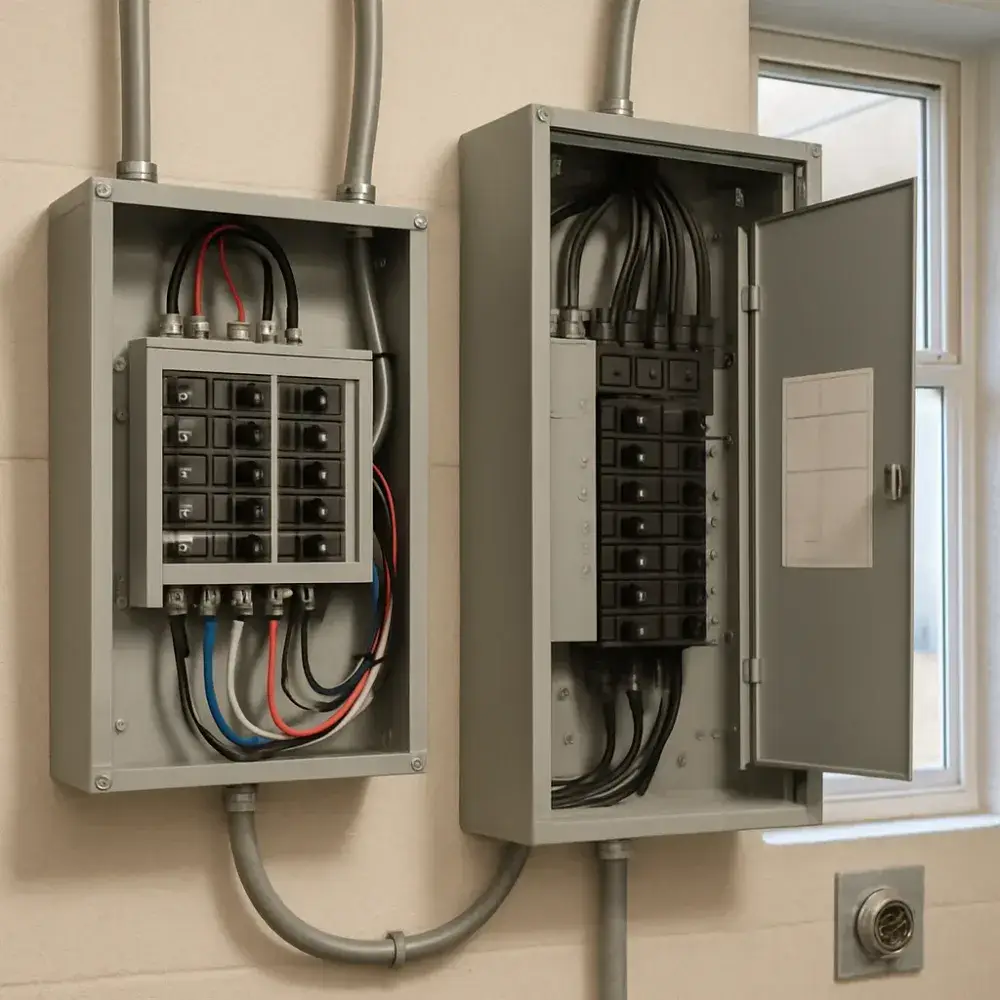
If you own a small portable generator and you’re only trying to keep a fridge and a few lamps running during a storm, a heavy-duty extension cord run through a cracked window might do the job. It’s not elegant, and it won’t power your whole house, but it works in a pinch. A transfer switch earns its keep when you want your generator to power your actual electrical panel, lights, outlets, maybe your AC or well pump, without you dragging cords through the house every time the power blinks.
And if your home already has a working transfer switch from a previous owner or a past generator setup, you probably don’t need a new one installed. What you might need instead is for someone to check that the existing switch matches the generator you’re buying now. Automatic switches are sized to specific generator capacities, so pairing an old switch with a bigger new unit can cause real problems.
Some folks also call us thinking they need a transfer switch when what they have is a generator that won’t start, a dead battery, or a fuel issue. That’s a repair call, not an installation. We hear this mix-up all the time. It’s an easy one to make if you’re not in this trade every day.
So before you book anything, ask yourself what you’re really trying to fix. Powering the whole panel safely and automatically? That’s a transfer switch job. Just need backup for a couple of essentials during short outages? A manual setup or even a well-placed extension cord might be all you need, at least for now.
Watch Our Video
See How We Handle Transfer Switch Installation in Sunnyvale
Xtreme Air Services — Serving Sunnyvale and surrounding areas
Need help with Transfer switch installation?
Call Today, Get Service Today. Xtreme Air Services is ready to help.
What to Ask Before You Hire an Electrician for This Job
Not every electrician handles transfer switch work the same way, and the questions you ask before signing anything tell you a lot. Start here: is the switch automatic or manual? An automatic switch senses an outage and kicks the generator on without you lifting a finger. A manual one needs you to flip it yourself. That single choice changes the wiring, the labor, and what circuits get covered, so make sure whoever you’re talking to explains it plainly instead of assuming you already know it.
Ask who’s pulling the permit. Transfer switch installation ties into your home’s electrical panel, and skipping the permit step can come back to bite you at resale or during an insurance claim. Ask what happens if your panel needs upgrading first. Older homes around Sunnyvale often have panels that are tight on space or amperage, and that’s a factor that can change the scope of the job before a single wire gets connected.
Ask about the service call fee upfront, and whether it applies toward the job if you move forward. Ask how many circuits the switch will cover, and whether that number matches what you want to keep running during an outage, lights and fridge only, or the whole house. Ask if testing is included once the install’s done, not just the connection.
The Transfer Switch Installation Process, Step by Step
Here’s what happens once you call and we’re on the way. First, a technician looks at your panel, your generator, or the one you’re planning to buy, and figures out the best path between the two. In a lot of the older homes around Sunnyvale, the panel sits in the garage, and that makes for a shorter, simpler run than a panel tucked on the far side of the house.
Once we know the layout, here’s the general order of work:
- Confirm switch type, automatic or manual, based on how you want backup power to kick in.
- Shut down power safely before touching the panel.
- Mount the transfer switch and run wiring to the connected circuits.
- Tie the switch into your panel and into the generator connection point.
- Restore power and test every circuit the switch controls.
- Walk you through how it works before we leave.
That last step matters more than people think. You should know what happens the second the power goes out, not find out during a storm.
Most jobs finish same-day. That’s not a sales line. It’s just how long the work usually takes once we’re on site. A straightforward install with good panel access can wrap up in a few hours. Add more circuits, a tricky panel, or a longer conductor run to the generator pad, and the job takes a bit more time. We’ll tell you which situation you’re in before we start, not after.
Testing isn’t optional. We check that the switch moves power correctly and that nothing’s backfeeding into the grid. That protects you and the crews working on the lines outside. Skip that step and you’ve got a switch installed, not a system you can trust.
Frequently Asked Questions
Common questions about Transfer Switch Installation in Sunnyvale
How long does transfer switch installation take?
Most transfer switch installations take four to six hours for a straightforward setup. The timeline depends on your panel’s condition and whether we’re adding an automatic or manual switch. If your panel needs upgrading first, or if we’re tying into a new standby generator, plan for a longer visit. We’ll walk your panel before we start so you know what to expect. Older Sunnyvale homes sometimes need extra time because of aging panel components, so we always check that first before giving you a schedule.
What should I expect when the electrician arrives to install my transfer switch?
We start by shutting off power and inspecting your existing panel before touching any wiring. You’ll get a clear rundown of which circuits will connect to the switch and where it will be mounted. We test everything once it’s wired in, flipping the system through a simulated outage so you can see it work. Before we leave, we walk you through how to operate it, whether it’s automatic or manual, so you’re never guessing during an actual storm.
Do I need a permit for transfer switch installation in Sunnyvale?
Yes, transfer switch work ties directly into your home’s electrical panel, so a permit is required. Skipping this step can cause problems later, especially at resale or if you ever file an insurance claim after storm damage. We pull the permit as part of the job so you don’t have to track it down yourself. This also means your installation gets inspected, which gives you extra confidence the wiring meets code before the next outage hits.
What’s the difference between an automatic and manual transfer switch?
An automatic switch senses an outage and starts your generator within seconds, even if you’re at work or asleep. A manual switch needs you to flip breakers yourself, so someone has to be home and aware the power is out. Families with medical equipment or a home office usually lean automatic since downtime isn’t an option. If someone’s almost always around and you only need a few circuits covered, a manual switch can still get the job done.
Do I need a new transfer switch if my home already has one?
Not necessarily, but you should have it checked against your new generator’s capacity. Automatic switches are sized to specific generator outputs, so pairing an old switch with a bigger unit can cause real problems down the line. If a previous owner installed one, we can test it and confirm it matches what you’re buying now. That quick check often saves you the cost of a full new installation.
Why do homes near FM-548 in Sunnyvale lose power more often during storms?
Homes near FM-548 and older lots around Sunnyvale sit on longer feeder lines, so outages here tend to last longer than closer to Dallas. Mature trees hanging over service lines in these older areas add to the risk during spring storms. That combination means restoration crews often reach this part of the grid last. If you’re in one of these areas, a transfer switch gives you a reliable way to keep essential circuits running until the lines are fixed.
Ready to Get Started?
Call 972-288-2263 Today, Get Service Today.