


Heat Pump Repair in Sunnyvale That Gets Your Comfort Back Fast
Heat pump repair for units that blow cool air, run constantly, or will not switch into heat – repair-first, with costs explained up front.
What’s Covered on This Page
- Signs Your Heat Pump Needs Repair, Not Replacement
- When Your Heat Pump Problem Isn’t a Repair Call
- How Heat Pump Repair Costs Are Determined
- What Happens During a Heat Pump Repair Visit
- Why Sunnyvale Heat Pumps Fail Harder in Summer and Winter
- How fast can you get someone out for a heat pump repair in Sunnyvale?
- What happens when a technician comes to my house for heat pump repair?
- Why is my heat pump icing over even though it’s not that cold outside in Sunnyvale?
- How do I know if my heat pump needs a repair or a full replacement?
- Do older Sunnyvale homes make heat pump repairs harder to access?
- What should I check before calling for heat pump repair?
Signs Your Heat Pump Needs Repair, Not Replacement
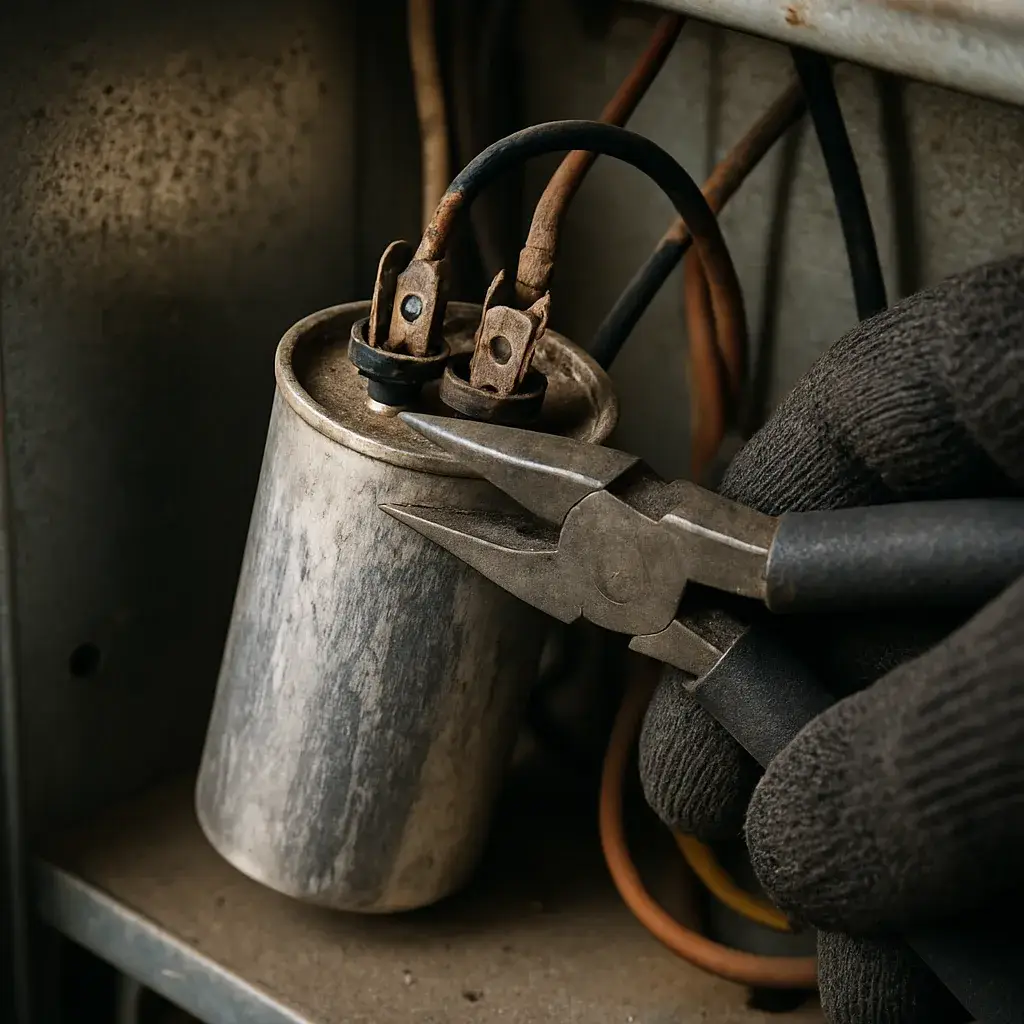
The heat pump sitting outside your house in Sunnyvale isn’t dying, it’s just tired of one part doing all the work. A capacitor wears out. A contactor gets pitted. A sensor drifts out of range. Any one of those will make the whole system act like it’s on its last leg, even when it isn’t.
- Warm air blowing when it should be hot, or the reverse in summer, often a refrigerant issue or a stuck reversing valve
- The outdoor unit icing over even when it’s not that cold, usually a defrost control problem
- Short-cycling, the system kicks on and off every few minutes instead of running a full cycle
- A breaker that trips every time the unit tries to start, a sign the compressor or a wire is under strain
- Loud clicking, buzzing, or grinding from the outdoor unit that wasn’t there last season
None of those mean you need a new system. They mean something specific failed, and once we find it, most of these get fixed on the first visit. Replacement talk only comes up when the unit’s old, say 10 to 15 years in, and more than one major part is going at once. Compressor plus coil plus a control board all failing together is a different conversation. But a single part quitting on a unit that’s otherwise sound? That’s just a repair, and it’s the call we get most often.
When Your Heat Pump Problem Isn’t a Repair Call
Not every heat pump hiccup needs a technician at your door today. Before you call, check a few things yourself, it takes five minutes and saves you a trip charge if the fix is that simple.
- Thermostat set to heat or cool, not just fan, with the temperature calling for a change
- Batteries fresh if it’s a battery-powered thermostat
- Breaker in the panel still flipped on, not tripped halfway
- Air filter clean, a clogged one chokes airflow and can shut the whole system down
- Outdoor unit clear of leaves, grass clippings, or anything blocking the fins
Still nothing? Now you’ve got a real repair on your hands, and that’s what we’re here for. But if the thermostat was just set wrong or the filter was packed with a season of dust, you fixed it, no charge, no visit needed. We’d rather tell you that than send someone out for a filter change.
Here’s the other honest answer. If this is the third or fourth repair call on the same heat pump in a year or two, or the unit is old and parts are getting hard to find, repair might not be the smart move anymore. Sinking money into a unit that keeps failing usually costs more over time than replacing it once. We’ll tell you straight if that’s where you’re at, we’re not going to talk you into another patch job on a system that’s done.
One more thing worth knowing: if your heat pump trips a breaker repeatedly or you smell burning, that’s not a wait-and-see situation. Skip the checklist and call.
How Heat Pump Repair Costs Are Determined
Most heat pump repair costs come down to one part, one problem, one visit. We don’t build a repair quote out of thin air. It starts with what’s broken, then moves to what that part costs and how hard it is to get.
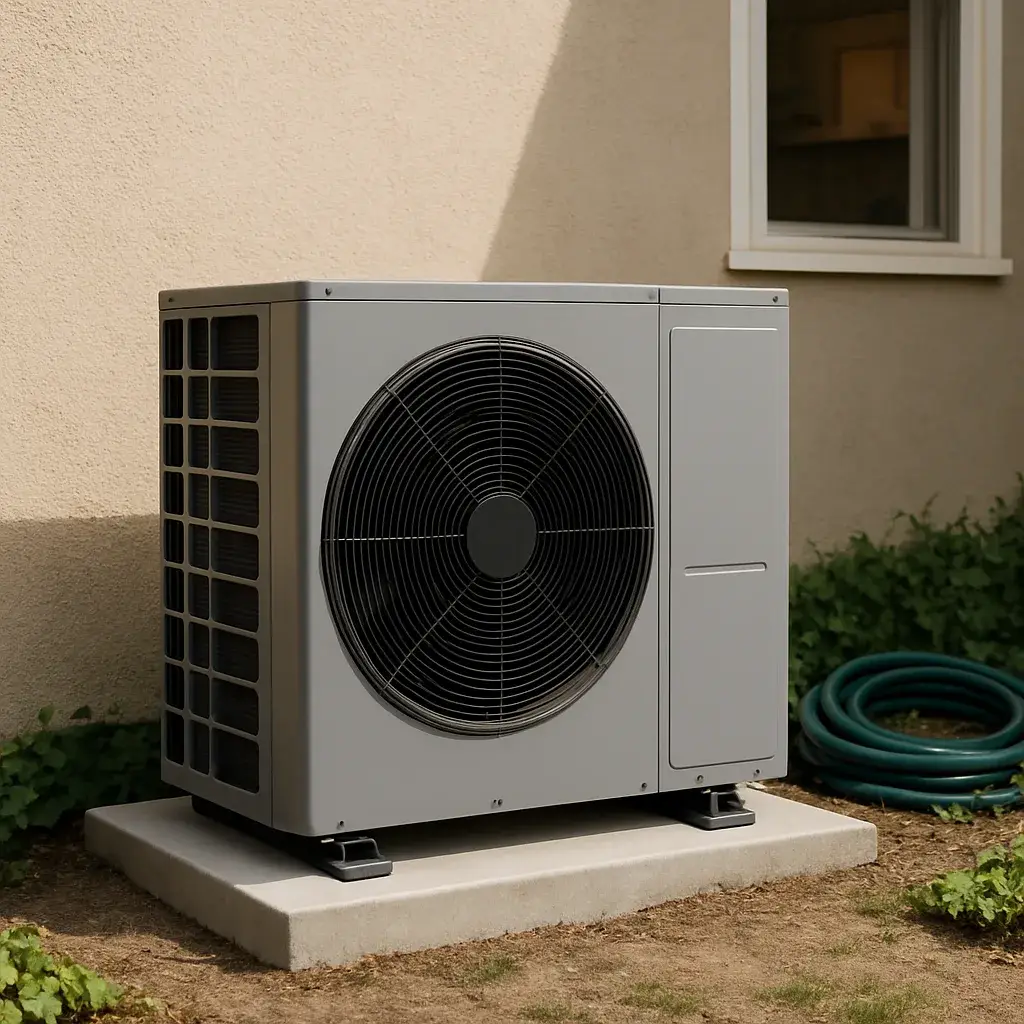
A capacitor swap is quick and the part’s cheap. A failed reversing valve or a control board takes longer, and the part itself costs more. Age matters too, older units sometimes need parts that aren’t sitting on a shelf anymore.
- How far the failure has spread, one bad part versus several
- Part cost and whether it’s in stock or has to be ordered
- Equipment age and brand, older systems can mean harder-to-find parts
- Whether more than one component failed at once
- Time of day, though we don’t charge extra for nights or weekends
That last point matters more than people think. A lot of contractors quietly tack on an overtime rate for evening or weekend calls. We don’t do overtime traps here, a Saturday night no-heat call gets the same pricing as a Tuesday afternoon one.
One more thing before you call around and compare, ask what’s included in that number. Some quotes skip the trip fee, then surprise you with it later.
Thinking about Heat pump repair? Let’s talk.
Call Today, Get Service Today. Xtreme Air Services is ready to help.
What Happens During a Heat Pump Repair Visit
So what happens once a tech pulls into your driveway? It’s not magic, it’s a process, and we walk you through what we’re doing and why, step by step, so you’re never left guessing.
- We ask what you noticed first. Warm air blowing, a clicking sound, the outdoor unit not running at all, details like that point us straight to the likely cause.
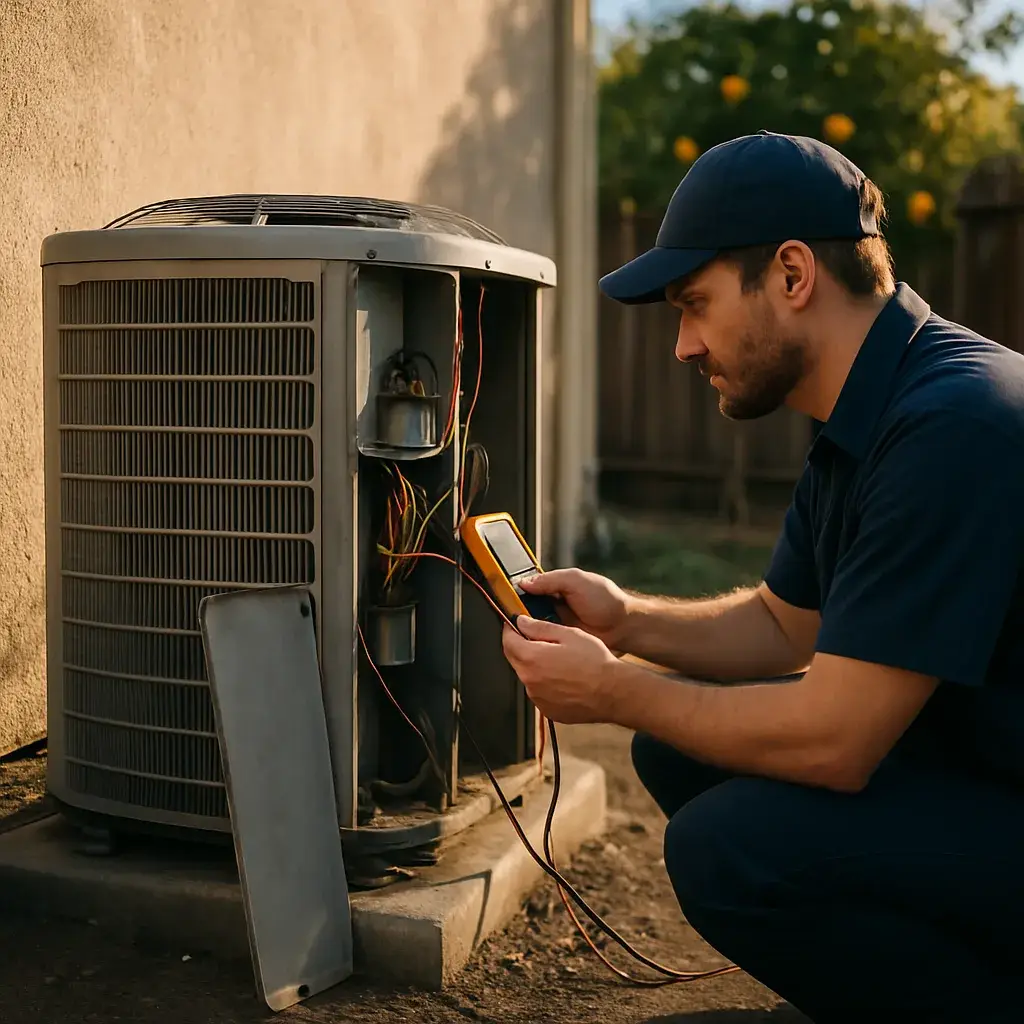
- We check the outdoor unit and the indoor air handler. Refrigerant, electrical connections, and the compressor all get a look before anything gets touched.
- We test the components most likely to fail. A capacitor, a contactor, a defrost sensor, whatever’s acting up gets isolated and confirmed.
- We explain what’s wrong in plain English and quote the flat-rate repair price before we touch a single part.
- We repair or replace the failed part, then run the system through a full heating and cooling cycle to confirm it’s working right.
- We clean up, walk you through what we found, and answer any questions before we leave.
Most Sunnyvale calls end right there on the first visit. Older established homes near the town center often have equipment tucked into tight attic spaces, and access alone can add time if we’re not prepared for it. We show up with the parts and tools for common heat pump failures already on the truck.
A tech won’t leave until the system is running and blowing the right temperature, not just powered on.
Why Sunnyvale Heat Pumps Fail Harder in Summer and Winter
A heat pump in Sunnyvale works twice as hard as one up north. It’s cooling your house through months of triple-digit afternoons, then flipping over to heat mode for sudden cold fronts that can drop 40 degrees overnight. That back-and-forth is rough on the equipment.
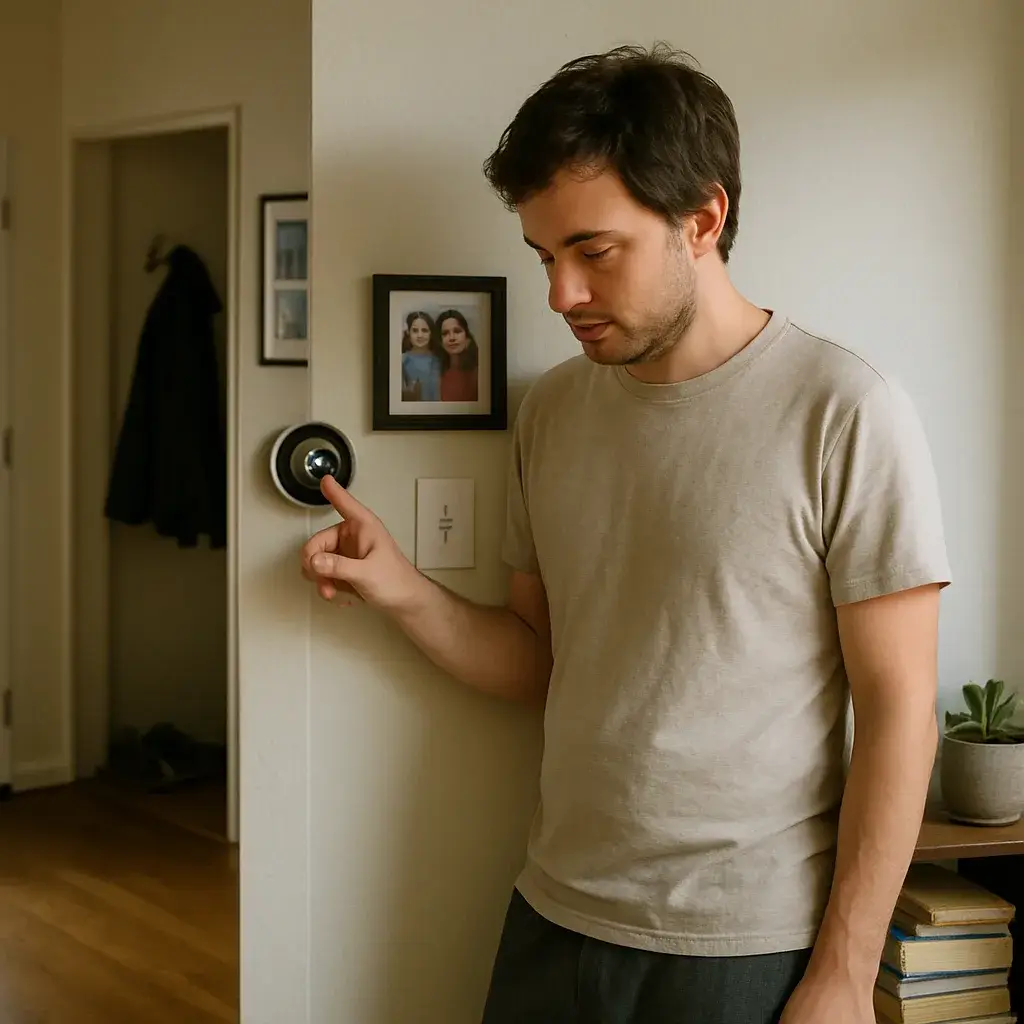
Most systems here sit outside on a concrete pad, baking in direct sun for hours a day. A lot of Sunnyvale homes run the air handler up in the attic, where summer temps can climb past 130 degrees. That heat cooks capacitors and circuit boards from the inside out, and we see it every week.
Winter brings a different problem. When a hard freeze hits, your heat pump has to run defrost cycles to clear ice off the outdoor coil. Do that too many times in one cold snap and something usually gives out, a contactor, a defrost control board, a stuck reversing valve.
- Capacitors weakened by months of outdoor heat and daily on-off cycling
- Contactors pitted from constant summer runtime
- Defrost boards worn out from repeated winter freeze cycles
- Refrigerant leaks at fittings that expand and contract with temperature swings
- Blower motors straining under dust buildup from year-round use
Here’s the thing nobody expects: none of that means the whole unit is done. It usually means one part gave up under the stress, not the system itself.
Frequently Asked Questions
Common questions about Heat pump repair
How fast can you get someone out for a heat pump repair in Sunnyvale?
We schedule most heat pump repair calls for the same day, and we don’t charge extra for nights or weekends. A Saturday night no-heat call gets the same pricing as a Tuesday afternoon one. Before we head out, we’ll ask what you noticed first, like weak airflow or a clicking sound, so we show up ready to fix the actual problem. If it’s something simple like a tripped breaker, we’ll tell you over the phone and save you the trip charge.
What happens when a technician comes to my house for heat pump repair?
We start by asking what you noticed first, then check both the outdoor unit and the indoor air handler for refrigerant, wiring, and compressor issues. We test the parts most likely to fail, like a capacitor or defrost sensor, until we find the exact cause. You’ll get a plain-English explanation and a flat-rate price before any part gets touched. Once the repair is done, we run the system through a full cycle to confirm it’s working right, then clean up and answer your questions.
Why is my heat pump icing over even though it’s not that cold outside in Sunnyvale?
Ice on the outdoor unit almost always points to a defrost control problem, not the weather. Sunnyvale doesn’t see hard freezes often, so when we see ice buildup, it usually means the defrost sensor or control board isn’t cycling the way it should. This is a fixable issue on the first visit in most cases. Left alone, it can strain the compressor, so it’s worth calling as soon as you notice frost that shouldn’t be there.
How do I know if my heat pump needs a repair or a full replacement?
Most heat pump problems come down to one worn part, not a dying system, so repair is usually the right call. We start talking replacement only when a unit is 10 to 15 years old and more than one major part, like the compressor, coil, and control board, are failing together. If this is your third or fourth repair call in a year or two, we’ll tell you straight whether sinking more money into it makes sense or not.
Do older Sunnyvale homes make heat pump repairs harder to access?
Yes, older established homes near the town center often have equipment tucked into tight attic spaces, and that access alone can add time to a repair. We plan for it by asking what you noticed before we arrive, so we bring the right tools and don’t waste time guessing. Most calls still wrap up in a single visit, even with a tighter attic setup, because the diagnosis work is done before we ever touch the unit.
What should I check before calling for heat pump repair?
Check your thermostat setting, breaker panel, air filter, and the outdoor unit for blockage before you call. A thermostat set to fan instead of heat, a tripped breaker, or a filter packed with dust can shut the whole system down without anything being broken. This takes about five minutes and can save you a trip charge. If you’ve checked all that and the system still won’t run right, that’s a real repair call.
Ready to Get Started?
Call 972-288-2263 Today, Get Service Today.