


Flame Sensor Cleaning in Sunnyvale: Stop Furnace Short-Cycling Fast
Cleaning the flame sensor that shuts your burner down mid-cycle – the most common cause of a furnace that lights, runs briefly, then quits.
What’s Covered on This Page
- Furnace Short-Cycling Points to a Dirty Flame Sensor
- When It’s Not the Flame Sensor
- What a Flame Sensor Cleaning Visit Includes
- Why North Texas Heating Season Causes Sensor Buildup
- Same-Day Flame Sensor Cleaning in Sunnyvale
- How fast can you get someone out for flame sensor cleaning in Sunnyvale?
- What happens when your technician arrives for a flame sensor cleaning?
- Why does my furnace short-cycle every winter here in Sunnyvale?
- How do I know if it’s my flame sensor or something else causing no heat?
- If cleaning the sensor fixes the short-cycling, will the problem come back?
Furnace Short-Cycling Points to a Dirty Flame Sensor
Here’s the pattern we hear on most calls about this. The furnace kicks on, and you feel warm air for a bit. Then it clicks off before the house gets comfortable. A minute later, it tries again. It may run longer the second time, or it may not. That stop-start rhythm is short-cycling, and it often traces back to the flame sensor.
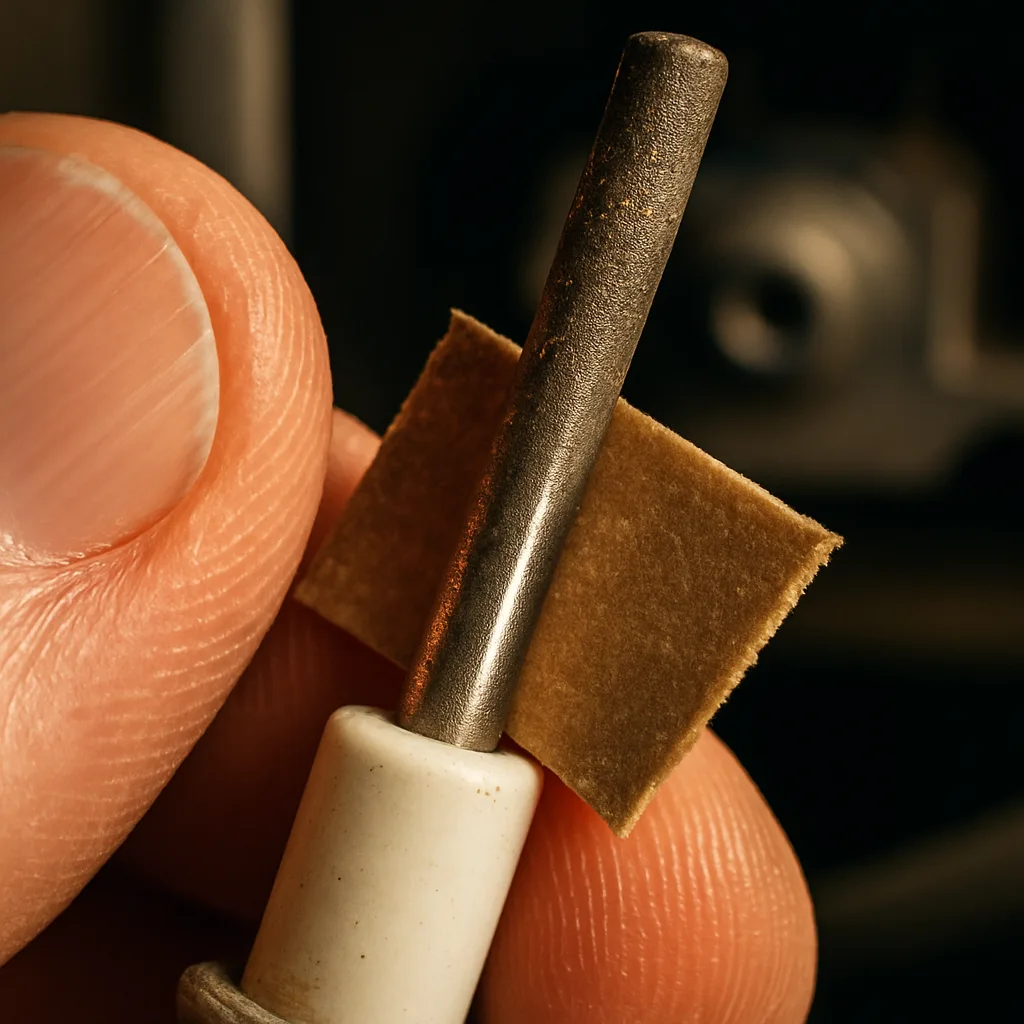
So what’s happening? The flame sensor is a small metal rod near the burner. Its job is to confirm that a flame is burning after the gas valve opens. Without a confirmed flame, the furnace stops the gas flow. That’s a safety feature, not a flaw. Over a heating season, the rod picks up a thin layer of carbon and soot. A dirty sensor still tries to work, but it can’t always read the flame. The control board then shuts down the burner as a precaution and tries again.
- Furnace lights, runs briefly, then shuts off before trying again a few minutes later
- Longer run times right after a filter change or duct cleaning, followed by more cycling
- The problem gets worse as the week goes on instead of improving
- No error lockout yet, just repeated short bursts of heat
This happens more often when the first cold front arrives and your furnace runs for the first time in months. Dust has settled throughout spring and summer, including on the sensor.
When It’s Not the Flame Sensor
Not every no-heat call is a flame sensor problem. We wish it were that simple.
If your furnace won’t fire at all, with no click or whoosh, the problem is usually the ignitor or control board. A dirty sensor causes short-cycling. It doesn’t usually prevent ignition completely. If the burners never try to light, cleaning the sensor won’t fix it. The same goes for a system that trips the breaker whenever it starts. That’s an electrical issue, and flame sensors don’t cause breaker trips.
Steady blue flames that remain lit for a full heating cycle mean your sensor is already doing its job. There’s no need to touch it. In that case, the shutdown is coming from somewhere else. Possible causes include a thermostat wiring fault, bad gas valve, or a limit switch stuck open.
- Furnace won’t attempt ignition at all, pointing to the ignitor or control board
- Breaker trips on startup, indicating an electrical fault rather than the sensor
- Flames burn steady blue through a full cycle, so the sensor is reading correctly
- Error code on the control board points to a different component
- You’ve already cleaned the sensor, but the furnace still won’t hold a flame after several tries
Here’s the honest part. If cleaning fixed the short-cycling before, but the problem returns within weeks, the sensor may not be the real cause. A cracked heat exchanger or weak flame signal can mimic buildup. That calls for a full furnace safety inspection and carbon monoxide check, not another swipe with sandpaper.
What a Flame Sensor Cleaning Visit Includes
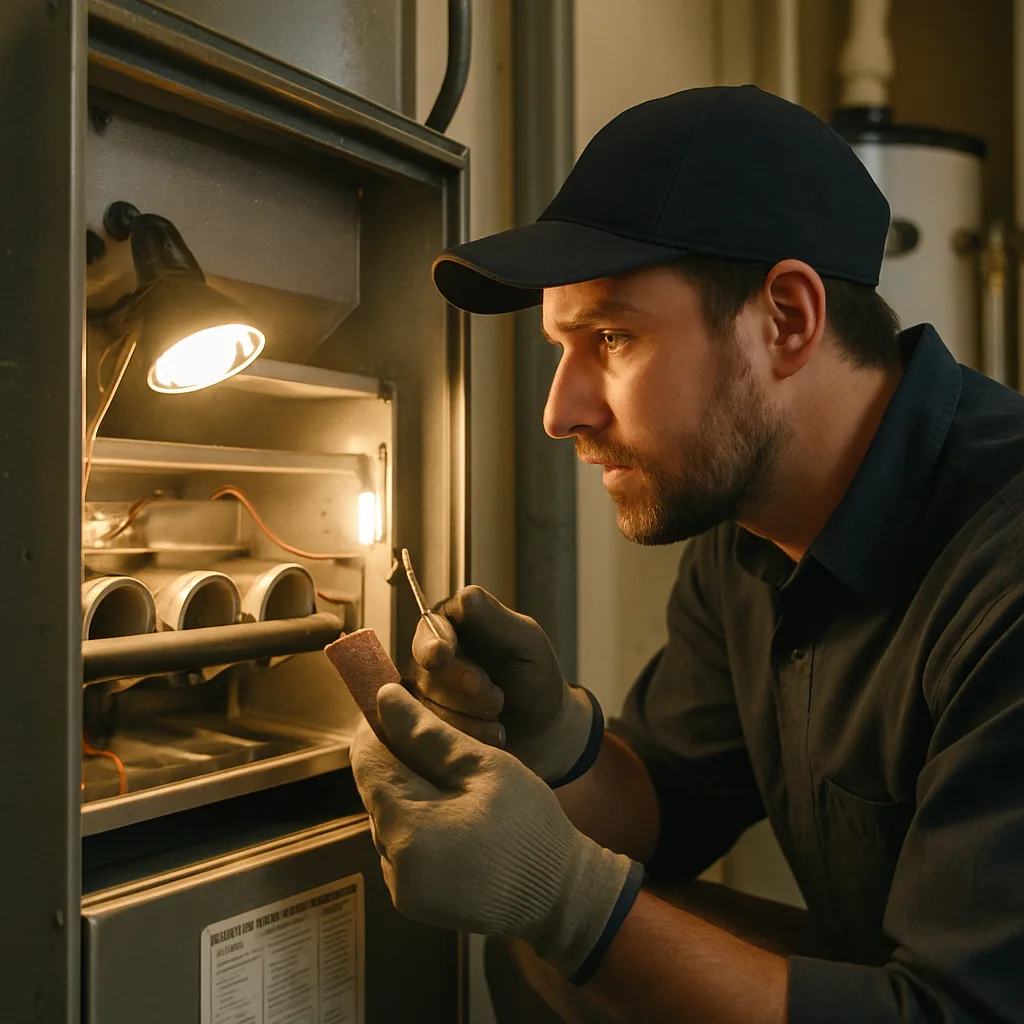
When one of our techs arrives for flame sensor cleaning, here’s what happens. It’s a straightforward job, and it shouldn’t take all day.
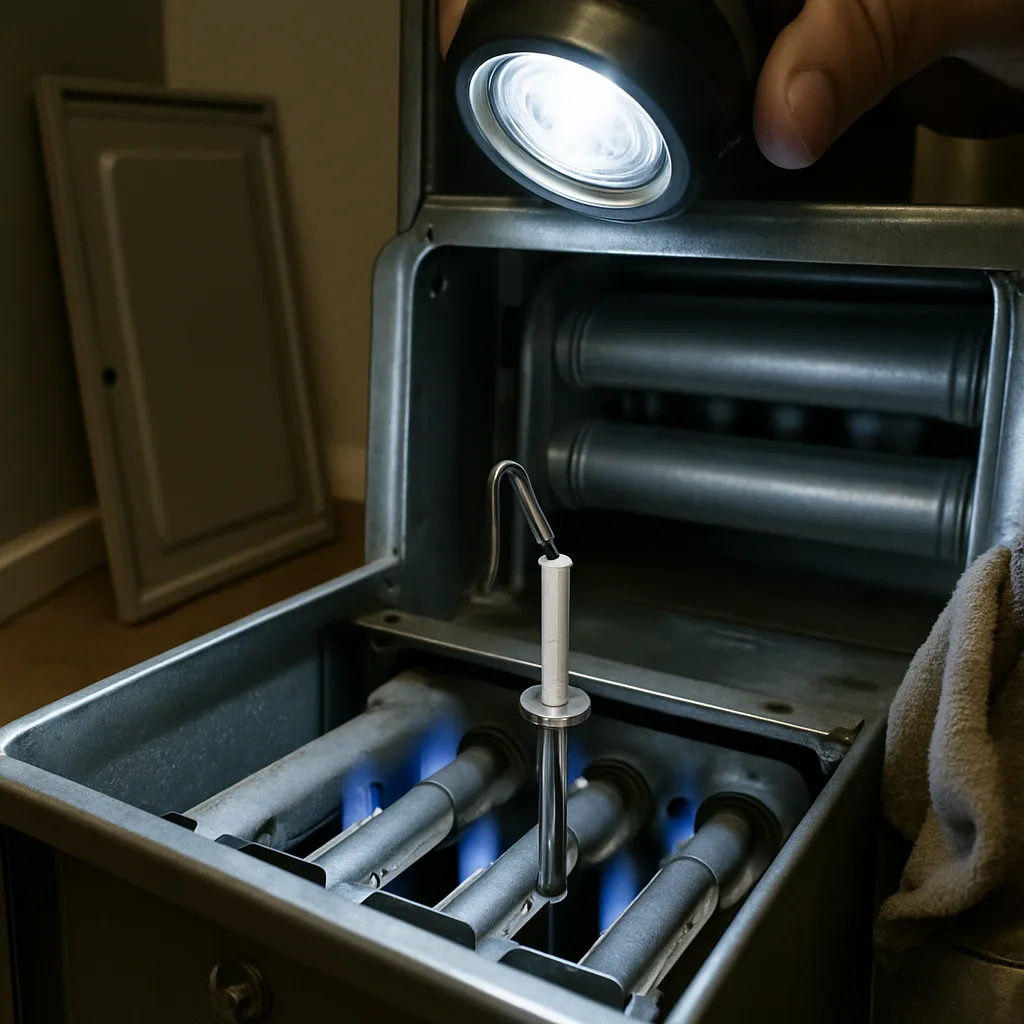
- We shut down the furnace and locate the flame sensor, a thin metal rod near the burners.
- We remove it and inspect it for carbon buildup or a chalky coating. That coating may be the problem.
- We clean the rod down to bare metal with a fine abrasive. We don’t use harsh chemicals that could leave residue.
- We reinstall the sensor and start the furnace, watching the flame through a full ignition cycle.
- We check the burner flame color and listen for the short-cycling that usually prompted your call.
The visit covers that inspection, cleaning, and performance check. If we spot another problem, such as a cracked heat exchanger or failing igniter, you’ll receive a separate quote. We’ll show you what we found before touching anything else.
There’s a small service-call fee for coming out. If you move forward with the repair, that fee is credited toward the work.
Our techs are licensed and insured. Each one is background-checked before stepping into your home.
Not sure what your Flame sensor cleaning project needs? Ask us.
Call Today, Get Service Today. Xtreme Air Services is ready to help.
Why North Texas Heating Season Causes Sensor Buildup
Winter doesn’t stick around long here. Many Sunnyvale furnaces sit idle for eight or nine months. Then they’re expected to fire up as soon as a cold front rolls through. That long gap can cause problems.
Dust settles on equipment that sits still that long, including the flame sensor. Many Sunnyvale homes have furnace units in the attic. Summer attic heat can bake that dust into a stubborn film before fall arrives. A sensor that worked fine last February may completely misread the flame by November.
We see this every week once the first cold snap hits North Texas.
- Months of dormancy let dust and rust settle on the sensor rod
- Attic installations face extreme temperature swings between seasons
- Sudden cold fronts push the system to full demand without a warm-up period
- Older units may run through several heating seasons without sensor cleaning
None of that means something is broken. The sensor simply can’t tell the control board that it sees a flame. The furnace then shuts itself off as a safety measure. It’s frustrating, but usually a quick fix once a tech inspects it.
Same-Day Flame Sensor Cleaning in Sunnyvale
It’s a January morning, and a cold front just rolled through Sunnyvale. Your furnace fires up for two seconds, then shuts right back off. That short-cycling is one of the most common calls we get when temperatures drop. A dirty flame sensor may be telling the furnace to protect itself.
You don’t have to wait for the problem to sort itself out. We offer same-day service. A technician can reach your door the day you call, instead of leaving you on a waitlist through the cold snap.
Sunnyvale has older homes with furnaces running for fifteen years or more. It also has newer builds with tighter, higher-efficiency systems. Both types need the same basic care. Dust and soot collect on the small sensor rod over time, regardless of the home’s age.
Here’s what the visit looks like. A technician checks the system, removes the sensor, cleans it, and runs the furnace. This confirms that it stays lit and cycles correctly. If another issue appears, such as a cracked ignitor or control board problem, we’ll explain it clearly. You’ll get a separate quote before any repair starts, with no surprise charges added to the bill.
Our technicians are licensed and insured, background-checked, and drug-tested. You won’t have someone working on your furnace based on a guess.
That’s the point of catching the problem early.
Frequently Asked Questions
Common questions about Flame sensor cleaning
How fast can you get someone out for flame sensor cleaning in Sunnyvale?
We offer same-day service for most flame sensor calls in Sunnyvale, especially right after a cold front hits. That’s when short-cycling calls spike, since furnaces that sat idle all summer suddenly have to work hard. Call us in the morning and you’ll likely have heat back on before evening. We know a cold house isn’t something you want to wait days to fix.
What happens when your technician arrives for a flame sensor cleaning?
Your technician shuts down the furnace, locates the flame sensor near the burners, and removes it for inspection. If it has a carbon or chalky coating, we clean the rod down to bare metal using a fine abrasive, not harsh chemicals. Then we reinstall it and watch a full ignition cycle to confirm the flame reads correctly. The whole visit includes inspection, cleaning, and a performance check before we leave.
Why does my furnace short-cycle every winter here in Sunnyvale?
Many Sunnyvale furnaces sit unused for eight or nine months, letting dust settle on the flame sensor. If your unit is in the attic, summer heat can bake that dust into a stubborn film before the first cold front arrives. Then the furnace is asked to run at full demand with no warm-up period. That sudden shift is why sensors that worked fine last February can misread the flame by November.
How do I know if it’s my flame sensor or something else causing no heat?
If your furnace won’t attempt to light at all, that usually points to the ignitor or control board, not the sensor. A dirty flame sensor causes short-cycling after ignition, not a complete failure to fire. A breaker that trips on startup is an electrical issue too. If flames stay steady blue through a full cycle, your sensor is already working fine and the shutdown is coming from elsewhere.
If cleaning the sensor fixes the short-cycling, will the problem come back?
A proper cleaning usually solves short-cycling for the rest of the heating season. But if the same furnace starts short-cycling again within just a few weeks, the sensor may not be the real cause. A weak flame signal or cracked heat exchanger can mimic the same symptoms. At that point we’d recommend a full furnace safety inspection with a carbon monoxide check instead of another cleaning.
Ready to Get Started?
Call 972-288-2263 Today, Get Service Today.