


Boiler Repair in Sunnyvale: Licensed Help When Heat Fails
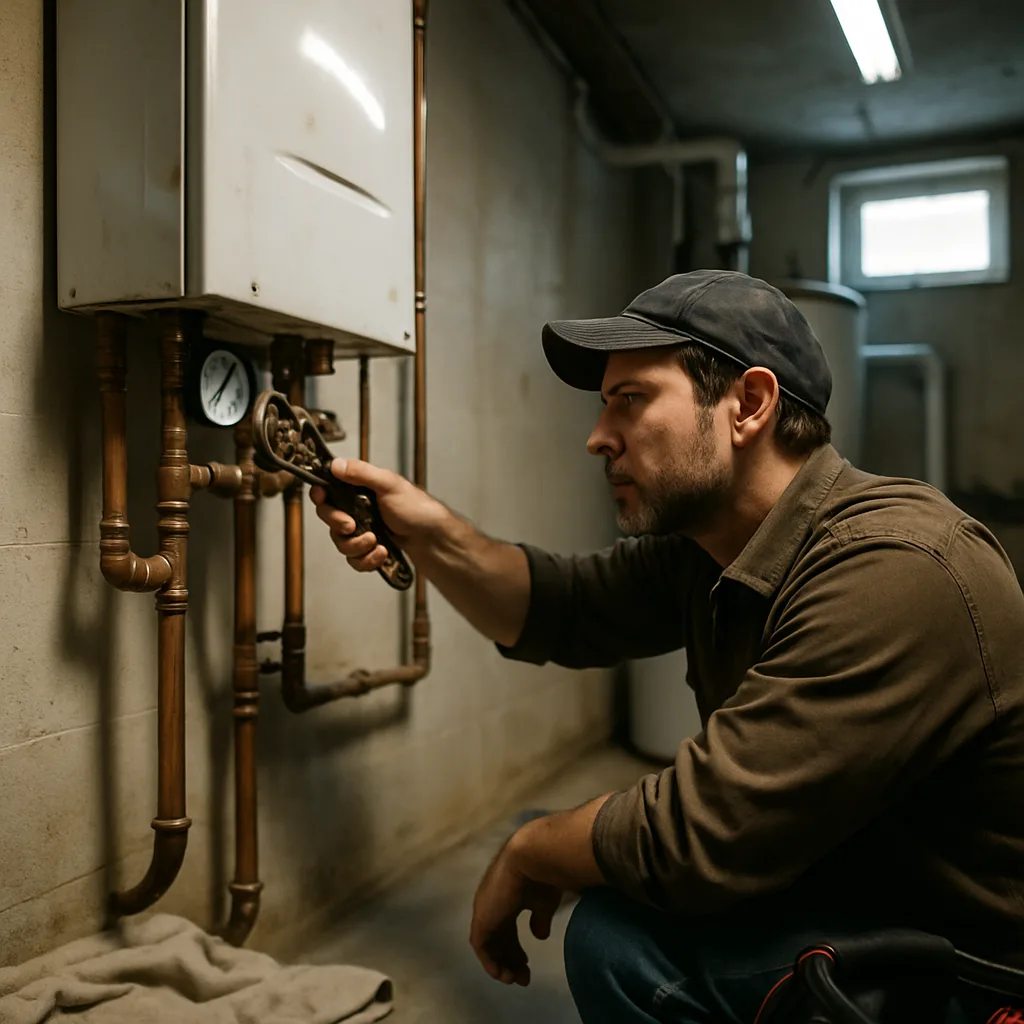
Radiators, circulator pumps, and ignition faults diagnosed across Sunnyvale – most boiler repairs finished in a single visit rather than staged across a week.
What’s Covered on This Page
- Warning Signs Your Boiler Needs Repair
- Furnace or Boiler? How to Get the Right Fix the First Time
- What Happens During a Boiler Repair Visit
- How Boiler Repair Pricing Works
- Texas Boiler Codes, Freeze Risk, and Preventing Repeat Breakdowns
- How fast can you get to my building if my boiler stops working in Sunnyvale?
- What happens when your technician arrives to fix my boiler?
- How do I know if I have a boiler or a furnace in my Sunnyvale building?
- What are the warning signs that my boiler needs repair?
- Can my boiler be fixed in one visit?
Warning Signs Your Boiler Needs Repair
Boilers don’t usually fail without warning. They give you signs first: a strange noise, a cold radiator, or a pilot light that won’t stay lit. Many owners ignore these signs for weeks before calling. By then, the failed part may have stressed a second one. Catching trouble early can keep a repair from becoming a replacement.
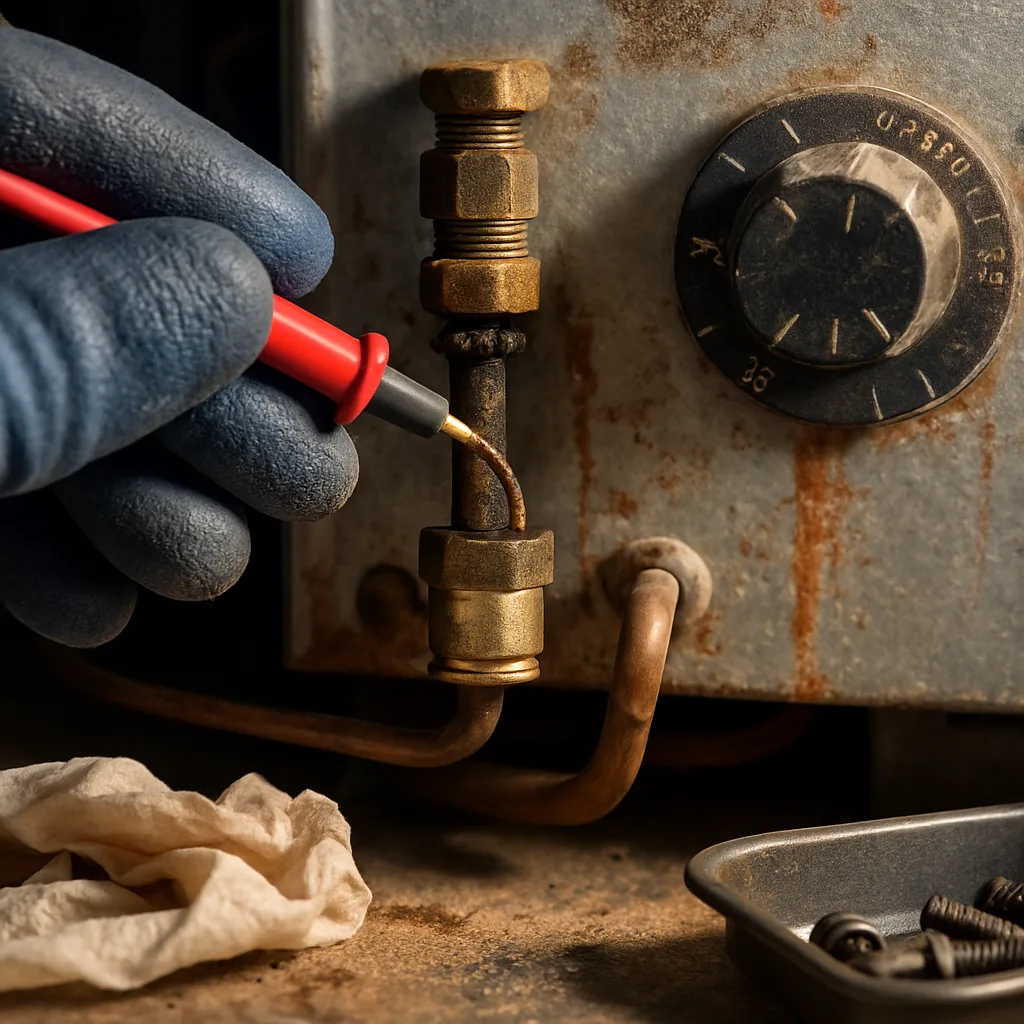
- Banging, kettling, or gurgling sounds from the unit, usually a sign of mineral buildup or trapped air
- The pilot light won’t stay lit, or you smell gas near the unit
- Water pooling at the base of the boiler; even a small puddle matters
- Some rooms heat normally while others stay cold, often because of a circulation or valve issue
- The system short cycles. It turns on and off every few minutes instead of completing a full heat cycle
- Your gas or electric bill jumps without a change in how you use the system
- An error code appears on the display panel that wasn’t there last season
We get calls almost every winter from someone whose boiler has made a ticking noise for a month. They thought it would work itself out, but it won’t. A failing igniter or bad flame sensor gets worse, and you shouldn’t wait on a possible carbon monoxide risk. If you smell gas or your carbon monoxide alarm sounds, call for help right away.
Not every noise means disaster. Sometimes trapped air is the problem, and a quick bleed fixes it. You don’t need to panic at the first sound. But call a technician when two or more signs appear together. Examples include cold spots with rising bills or short cycling with a pilot that won’t hold. An inspection may prevent an emergency no-heat call during the next cold snap.
Furnace or Boiler? How to Get the Right Fix the First Time
We run into this every week: an owner calls about a broken furnace, but they have a boiler. Sometimes it’s the other way around. People use the words loosely, but these systems are different machines with different failure points.
A furnace heats air and pushes it through ducts and vents. A boiler heats water and sends hot water or steam through pipes. That water or steam reaches radiators or baseboard units. There is no ductwork or warm air blowing from vents. Instead, the system uses pipes, pumps, and radiators that become warm to the touch. 80 six days a week.
- You have radiators or baseboard heating units instead of vents in the floor or ceiling
- The heat comes on, but rooms warm unevenly. One radiator may be hot while another stays cold
- You hear banging or gurgling in the pipes before the system heats fully
- There’s a gauge or pilot light on a unit tucked in a closet or mechanical room
- The system has run well for years, but water or leaks around the unit are new
Sunnyvale’s newer commercial construction mostly uses packaged, forced-air rooftop systems. If your building went up within the past couple of decades, cold air from the vents points to a furnace problem. Older buildings and some hydronic or radiant setups may still have boilers doing the work.
Not sure which one you have? It’s a common and fair question. If you’re looking at ductwork and vents, ask for furnace repair. If pipes and radiators are involved, boiler repair is likely the right service. Sorting that out before the visit helps us bring the right parts and technician the first time.
What Happens During a Boiler Repair Visit
Here’s what happens once we’re standing in front of your boiler. We listen to what you noticed and get to work without guessing.
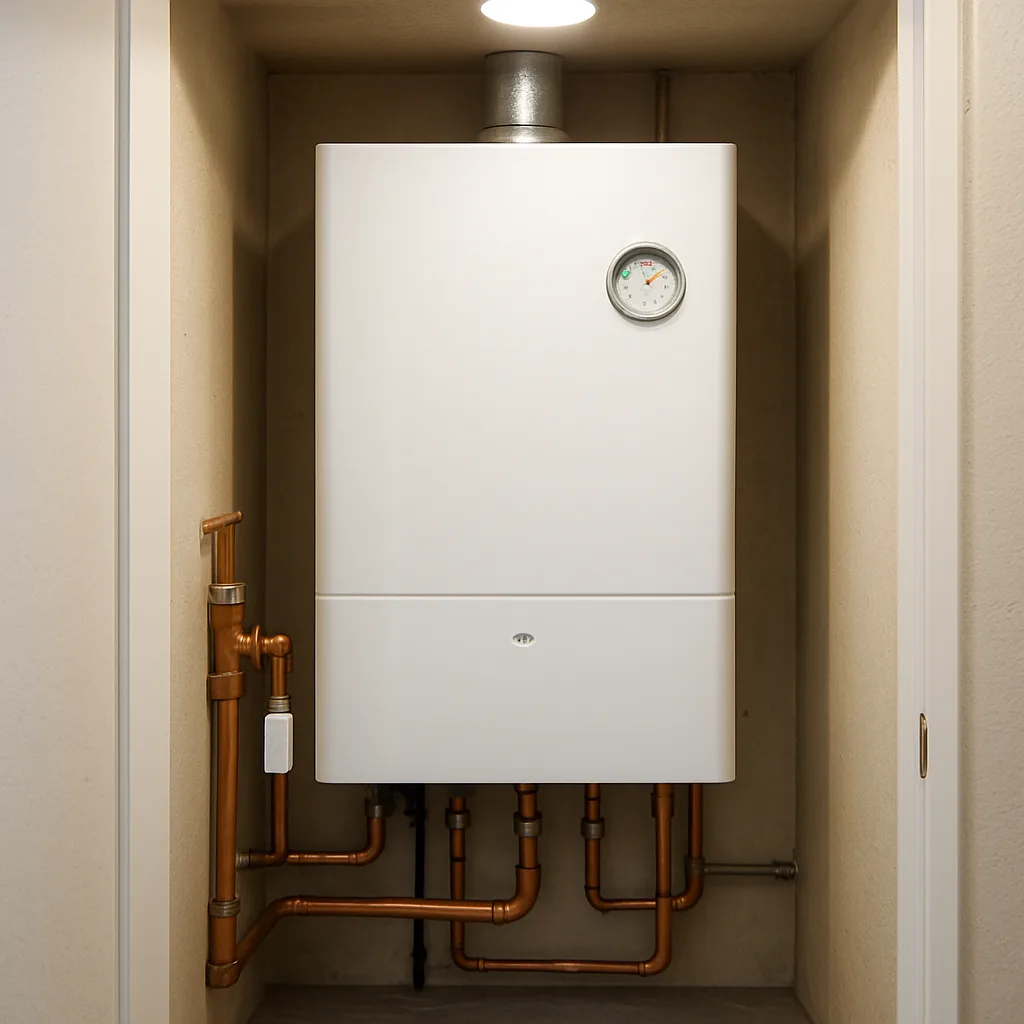
- We ask what you first saw or heard, such as no heat, banging, a leak near the base, or a control-panel error light.
- We check the basics before opening anything: gas supply, power, water, and the thermostat’s call for heat.
- We test the ignition system, relief valve, circulator pump, and controls. This helps us find the exact failed part.
- We show you what we found. You see the failed part, hear the proposed fix, and approve the price before work begins.
- We repair or replace the part. Most jobs need only one, and we run the system through a full heat cycle.
- We test the system again while it fires normally, check for leaks or strange noises, and clean up before leaving.
Most repairs come down to one part, such as an igniter, sensor, circuit board, or pump. We find it, fix it, and test the system so your heat can return during the same visit. Some older boilers in Sunnyvale’s established buildings need parts that must come from a supplier. If that happens, we’ll tell you right away instead of leaving you guessing.
Our technicians are licensed and insured. Every part is tested under real operating conditions instead of receiving only a visual check.
Need help with Boiler repair?
Call Today, Get Service Today. Xtreme Air Services is ready to help.
How Boiler Repair Pricing Works
You probably want to know the cost before picking up the phone. Boiler repair pricing in Sunnyvale usually falls between $300 and $2,000. Most calls we run land between $300 and $1,100. The technician finds the failed part, repairs or replaces it, and checks the full system before leaving.
What pushes a job toward the low or high end? A few factors affect the final price.
- How far the failure has spread, from one bad part to several
- Whether the replacement part is common or must be tracked down
- The boiler’s age and brand, since older units may need harder-to-find parts
- Whether multiple components stopped working at the same time
Calling us at 9 p.m. on a Saturday never changes the price. There is no extra charge for nights or weekends. You receive upfront flat-rate pricing before we touch anything.
There’s a small service-call fee of $26 to $99. If you move forward with the repair, that fee is credited toward the job. You won’t pay twice.
What’s covered in that number? It includes diagnosis, labor, the standard replacement part, testing, and cleanup. A second unrelated failure, code upgrade, or permit is quoted separately. We’ll explain the added work and price before starting, not afterward.
Financing usually isn’t needed for a repair this size, but it is available for larger jobs such as a full boiler replacement.
Texas Boiler Codes, Freeze Risk, and Preventing Repeat Breakdowns
Sunnyvale doesn’t get a long winter, but cold fronts can be sharp. Temperatures may drop 30 degrees overnight, forcing an idle boiler to work hard. That’s when a weak igniter or sticking low-water cutoff may finally fail. Cold snaps don’t cause these problems; they expose them.
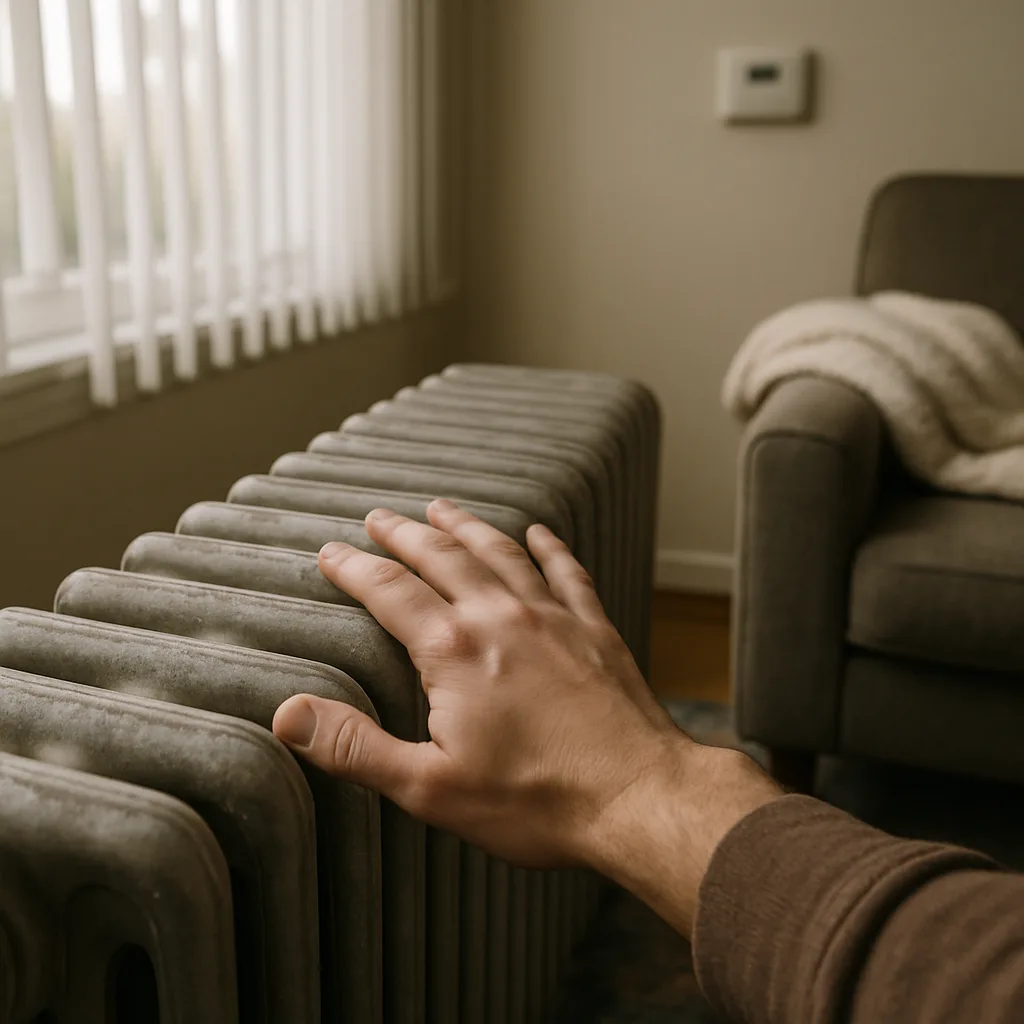
Commercial boilers in Texas must be registered with the state and regularly inspected for safety under the Texas Boiler Law. Most jurisdictions also require permits for major component replacements or system upgrades. We handle boiler safety inspections and cleaning during routine service. That work can catch problems before they cause another breakdown.
Here’s the pattern we see: a boiler serviced once a year rarely needs a second repair that season. A boiler without regular service may suffer the same failure again, sometimes during the coldest weather.
- Mineral buildup in older cast-iron boilers reduces heat transfer and stresses components over time
- Igniter and flame sensor wear happens faster in units that cycle on and off frequently
- Low-water cutoff switches can stick when sediment isn’t flushed during regular boiler maintenance
- Relief valves may weep slowly for months before failing outright
- Skipped boiler service lets small issues grow into full component failures
You don’t need to memorize those details. You need a technician who checks these parts before they fail. If your building hasn’t had boiler service this year, schedule it before the next cold front arrives.
Frequently Asked Questions
Common questions about Boiler repair
How fast can you get to my building if my boiler stops working in Sunnyvale?
We aim to reach Sunnyvale buildings quickly once you call about a no-heat boiler. Winter mornings bring the most urgent calls, especially after a cold night. If you smell gas or your carbon monoxide alarm goes off, that call jumps to the top of the list. For less urgent issues, like a noisy pipe or uneven heat, we can often schedule you within the same day or the next one. Tell us what you’re seeing so we bring the right parts on the first trip.
What happens when your technician arrives to fix my boiler?
Your technician starts by asking what you first noticed, like a strange noise, a leak, or no heat at all. We check the basics first, including gas supply, power, water pressure, and the thermostat call. Then we test the ignition system, relief valve, and circulator pump to find the exact failed part. Before any work begins, we show you what broke and explain the fix. Most boilers need only one part replaced, and we run a full heat cycle before we leave to confirm everything works.
How do I know if I have a boiler or a furnace in my Sunnyvale building?
You likely have a boiler if you see radiators or baseboard heating units instead of floor or ceiling vents. Sunnyvale’s newer commercial buildings mostly run packaged, forced-air systems built within the last couple of decades. Older properties and some hydronic setups still rely on boilers with pipes and pumps. If you hear banging or gurgling in pipes before rooms warm up, or notice a gauge in a closet, that points to a boiler. Not sure? Just describe your setup when you call.
What are the warning signs that my boiler needs repair?
Banging or gurgling sounds, a pilot light that won’t stay lit, and water pooling near the base are the clearest signs. Uneven heat between rooms and a system that short cycles, turning on and off every few minutes, also point to trouble. A sudden jump in your gas or electric bill without a change in use is another clue. One sign alone might just be trapped air. But two or more together mean it’s time to call before a small issue turns into a no-heat emergency.
Can my boiler be fixed in one visit?
Most boiler repairs finish in a single visit, since the problem usually traces back to one failed part. Common culprits include a bad igniter, flame sensor, circuit board, or circulator pump. We diagnose the issue, replace the part, and run the system through a full heat cycle before leaving. Some older boilers in Sunnyvale’s established buildings use parts that must be special-ordered from a supplier. If that happens, we tell you right away instead of leaving you guessing about a return trip.
Ready to Get Started?
Call 972-288-2263 Today, Get Service Today.