

Boiler Cleaning in Sunnyvale: Licensed Service Before Winter Hits
Scale and soot cleared from burners and heat exchangers for Sunnyvale restaurants, churches, schools and multi-family buildings – the difference between a boiler that fires in January and one that does not.
What’s Covered on This Page
- Signs Your Boiler Needs Cleaning
- Why Sunnyvale’s Boiler Demand Skews Commercial
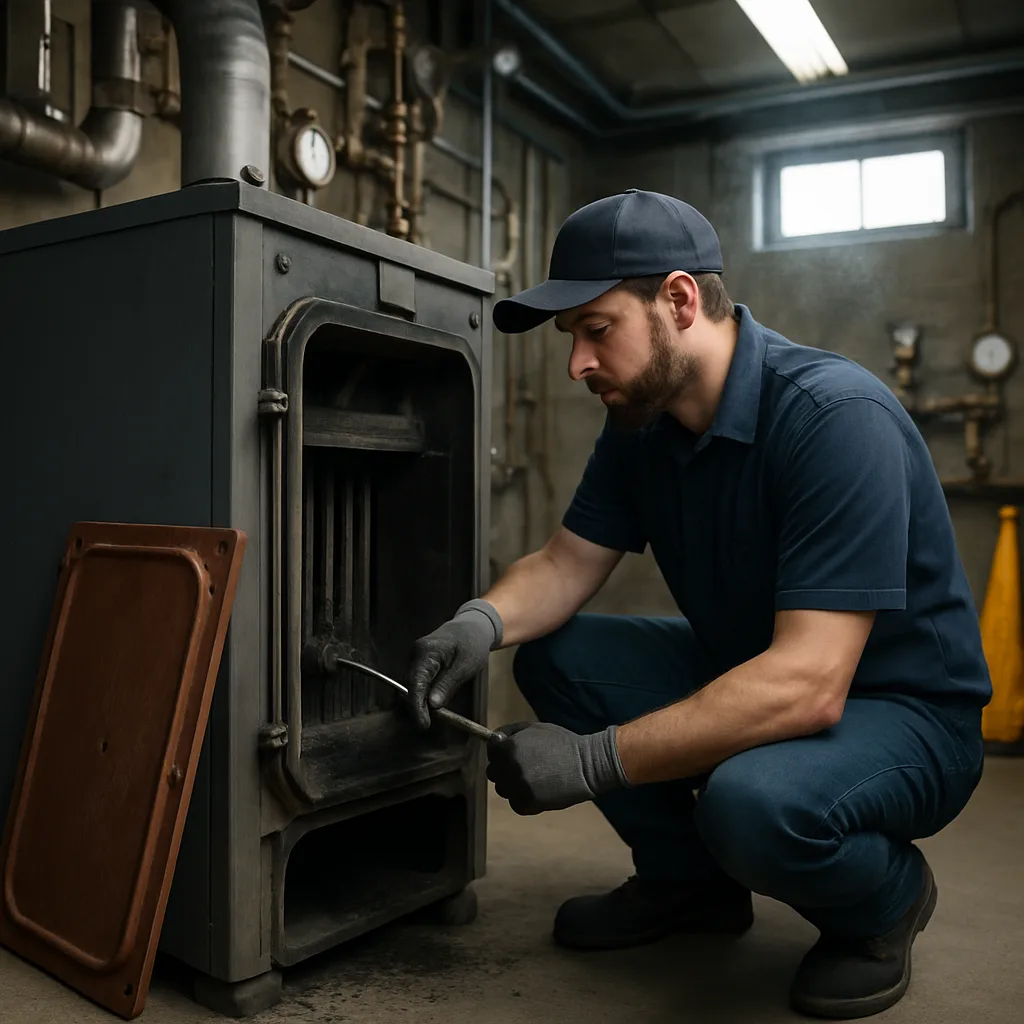
- What Happens During a Professional Cleaning Visit
- Boiler Cleaning Isn’t Water Heater Flushing
- How Boiler Cleaning Pricing Works
- How fast can you schedule a boiler cleaning in Sunnyvale?
- What happens when your technician arrives to clean our boiler?
- Why is almost all boiler cleaning in Sunnyvale commercial work?
- How does skipping boiler cleaning affect our inspection certificate?
- Is boiler cleaning the same thing as flushing a water heater?
- What signs mean it’s time to schedule a boiler cleaning?
Signs Your Boiler Needs Cleaning
Boilers rarely announce a problem outright. They give off subtle clues that build over weeks or months. Most people only think about their boiler when it stops working. It helps to know what to watch and listen for during normal operation. Some signs are visible in seconds, while others may only show up on your utility bill.
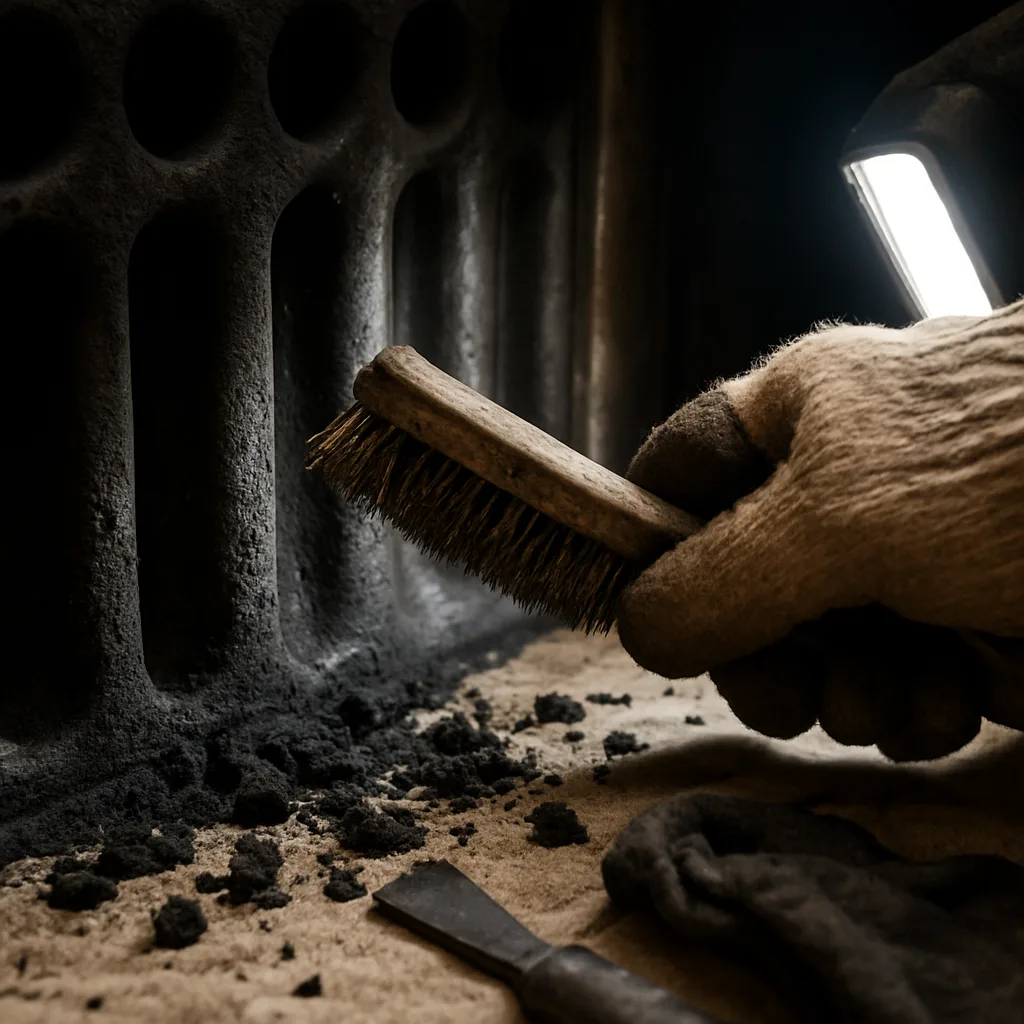
- Visible soot or dark residue around the burner, flue, or heat exchanger. This signals incomplete combustion and buildup inside the unit.
- White, chalky scale deposits on internal components or fittings, often caused by hard water minerals building up over time.
- Rough startup, rattling, banging, or a louder hum than the boiler made when it was new.
- Uneven heat distribution, such as cold rooms while others overheat, or radiators that take longer to warm up.
- Steadily rising fuel or energy bills without a matching increase in usage. This usually points to reduced combustion efficiency.
- A burning, musty, or metallic odor near the unit, especially when the boiler first fires up.
- A safety or efficiency inspection with a borderline or marginal rating rather than a clear pass.
One sign may not mean much by itself. Two or more together can indicate that internal buildup is affecting performance. Soot and scale act as insulation inside the boiler. They force it to work harder and burn more fuel to reach the same temperature. That strain may first show up as noise, followed by uneven heat and a higher bill. If you notice several symptoms, schedule cleaning instead of waiting for the next inspection cycle.
Why Sunnyvale’s Boiler Demand Skews Commercial
Sunnyvale is a small, tightly zoned Dallas County town along the U.S. 80 corridor between Mesquite and Forney. Most homes are newer construction on large lots. Nearly every single-family home uses a gas furnace or electric heat pump instead of a boiler. Residential boiler cleaning calls are uncommon here. Most local boiler work happens in commercial and institutional buildings.
Those buildings rely on hydronic heat or steam for space heating, water heating, or process loads. Local boiler inventory includes restaurants along U.S. 80, church fellowship halls, school campus buildings, and central plants serving larger developments. These systems are usually larger and run longer duty cycles. A failure or heavy soot and scale buildup can also disrupt more people.
- Restaurants and food service buildings using boilers for water heating, dish sanitation, or space heat.
- Churches and fellowship halls with older hydronic systems serving sanctuaries and multipurpose rooms.
- School buildings and administrative facilities with central boiler plants.
- Multi-family and mixed-use developments running shared central plants for heat and hot water.
These institutional and commercial boilers fall under the Texas Department of Licensing and Regulation’s boiler program. The program was established under Texas Health and Safety Code Chapter 755. Any covered boiler in Sunnyvale must carry a current Certificate of Operation. That requires periodic inspection by a TDLR-authorized inspector and records showing the vessel is safe to run. Regular cleaning helps keep that certificate valid. Scale, sludge, and soot buildup affect efficiency, safe operating pressures, and inspection outcomes.
For building owners and facility managers, boiler maintenance in Sunnyvale is about more than seasonal convenience. Skipped cleaning cycles may lead to failed inspections, lapsed certificates, and shutdown orders. The system must then be brought back into compliance before it can run.
What Happens During a Professional Cleaning Visit
What happens when we show up? The process is straightforward, and we walk you through each step before touching the equipment.
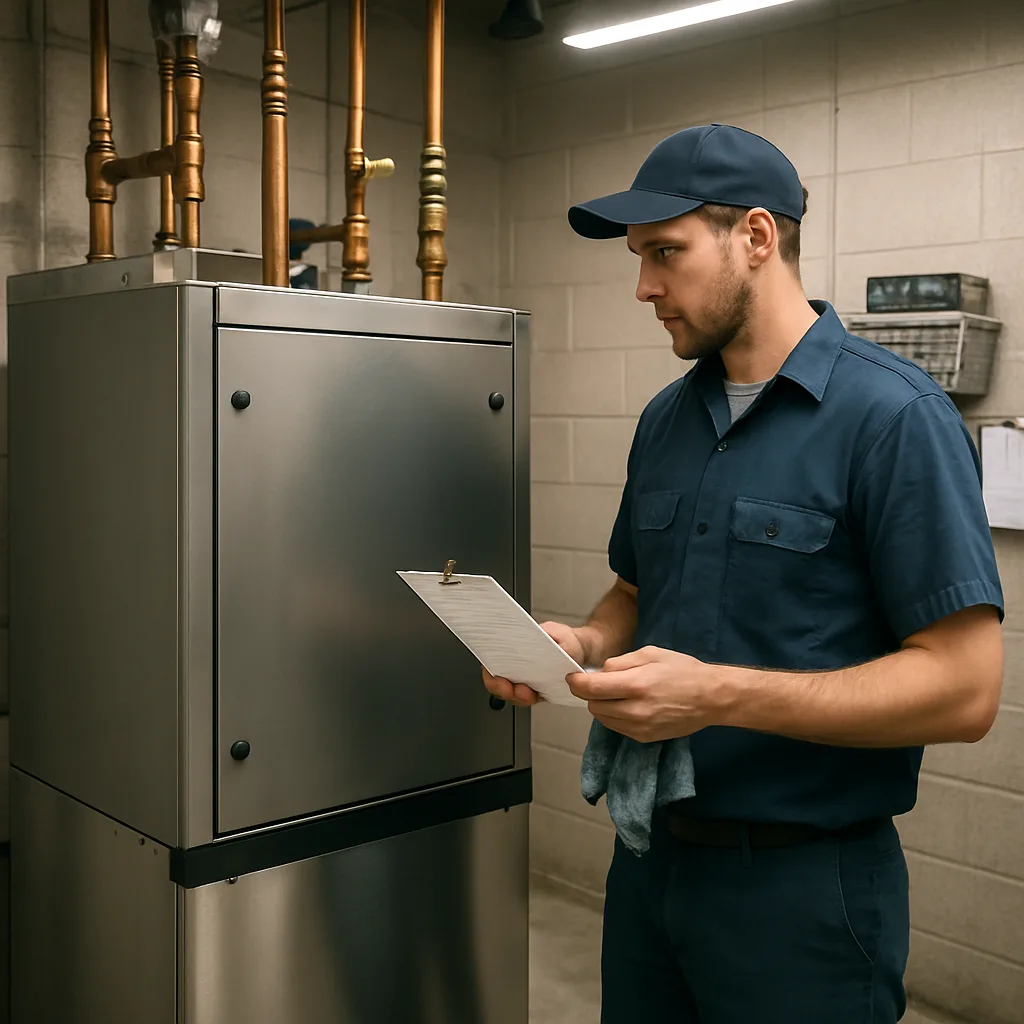
- We start with a full inspection. We check the burner, heat exchanger, flue, and controls before cleaning anything.
- We shut the unit down safely and let it cool if needed. This step protects you and the technician from burns.
- We clean the burner assembly. We also remove soot, scale, or dust buildup from the heat exchanger surfaces.
- We clear the flue passages so exhaust gases can move as intended.
- We check the pilot or ignition system, then clean it if it’s dirty or corroded.
- We start the boiler again, watch the flame pattern, and check the temperature readings.
- We test the safety controls once more before calling the job done.
That last step matters. A boiler can look fine while venting exhaust improperly or holding pressure it shouldn’t. During routine cleaning, we’ve found corroded flue connections that the property owner knew nothing about. There may be no dramatic warning, just buildup developing over a few seasons.
Cleaning one system usually takes an hour or two. The timing depends on access and how much buildup we find. Tight mechanical rooms or older units behind other equipment take longer. If the inspection finds a problem that needs repair, we’ll explain it and provide a separate quote. We won’t add work you didn’t approve.
Not sure what your Boiler cleaning project needs? Ask us.
Call Today, Get Service Today. Xtreme Air Services is ready to help.
Boiler Cleaning Isn’t Water Heater Flushing
Owners sometimes go looking for boiler cleaning after watching a video about flushing sediment from a water heater tank. These are different jobs, and mixing them up can cause safety problems. A water heater flush drains the tank through a hose bib to remove mineral buildup. Boiler cleaning is a combustion service. It involves opening burner assemblies, brushing carbon and scale from heat exchanger surfaces, and clearing flue passages. A technician also tests gas and safety controls with calibrated equipment.
Older churches, schools, and municipal buildings along Collins Road and the U.S. 80 corridor still run hydronic boilers for radiant heat. These units collect soot, scale, and corrosion inside the firebox and around the flue collar. You can’t safely remove that buildup with a shop vacuum or garden hose. The work requires removing burner covers and inspecting refractory material. A technician must also confirm that carbon monoxide vents correctly through the flue.
- Boiler cleaning involves gas valves, pilot assemblies, and ignition controls that require handling by a licensed technician.
- Flue and vent passages must be cleared and tested for proper draft, not merely wiped down.
- Combustion analysis equipment verifies carbon monoxide output after cleaning, and in-house maintenance tools cannot perform that test
- Water heater flushing only removes sediment from a storage tank. It doesn’t address combustion safety.
- Opening a boiler without training risks gas leaks, carbon monoxide exposure, or voided manufacturer warranties.
Unlike changing a furnace filter or resetting a thermostat, boiler cleaning isn’t a weekend project. The equipment sits near gas lines and pressurized water. Small reassembly mistakes can cause carbon monoxide problems or leaks. Those problems may go unnoticed until a system fault appears weeks later. If you have a standalone water heater with sediment noise or slow recovery, you need a different and simpler service.
How Boiler Cleaning Pricing Works
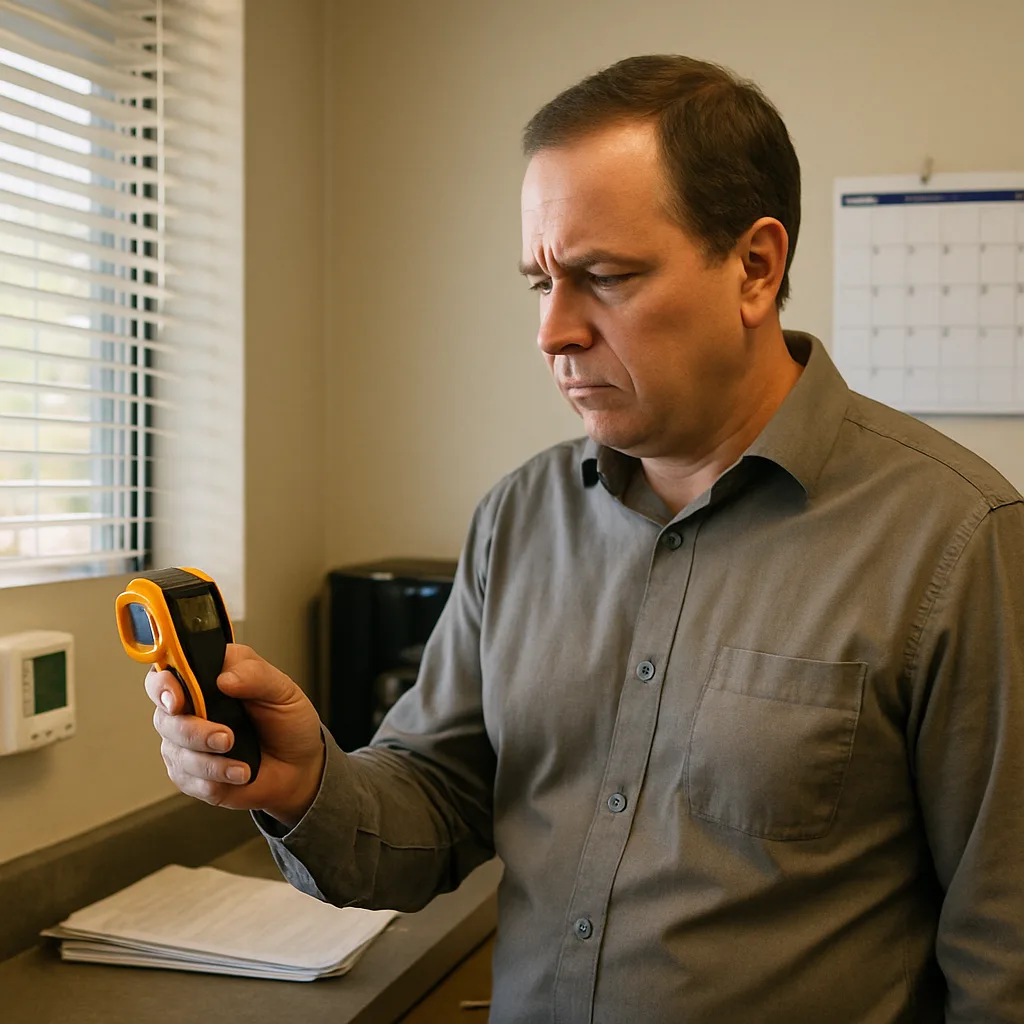
What does boiler cleaning cost? A typical job in Sunnyvale falls between $250 and $800. Most calls involve one system and include inspection, cleaning, and a safety check. That common job usually lands between $250 and $500. Larger buildings with multiple units cost more because they require more time and work.
The price isn’t random. It changes based on a few practical factors.
- How many systems or units need service, from one boiler to a bank of them.
- How easy the unit is to reach, since a tight mechanical room adds time.
- How much buildup or neglected maintenance we find after opening the unit.
- Whether you need a one-time visit or ongoing maintenance.
Boiler cleaning includes a full inspection, the cleaning itself, and performance and safety checks. It doesn’t include repair parts or corrective work. If we find a broken component, we’ll quote that repair separately. You won’t find surprise add-ons buried in the invoice.
There’s a $26 to $99 service call fee. We credit it toward the job if you move forward with us. We don’t typically offer financing for boiler cleaning because it’s a smaller job. Larger repairs and full boiler replacements may qualify. Want a real number for your building? A five-minute phone call can give you a clearer answer.
Frequently Asked Questions
Common questions about Boiler cleaning
How fast can you schedule a boiler cleaning in Sunnyvale?
We can usually get to your building within a few days of your call, sooner if your boiler is showing warning signs like soot or rattling. Since most Sunnyvale boiler work involves commercial buildings along U.S. 80, schools, or church fellowship halls, we plan cleanings around your operating hours. This keeps your kitchen, sanctuary, or classrooms running while we work. Call early if you’re near an inspection deadline, since certificates depend on timely maintenance.
What happens when your technician arrives to clean our boiler?
We start with a full inspection before touching anything. Your technician checks the burner, heat exchanger, flue, and controls, then shuts the unit down safely to cool if needed. After cleaning the burner and heat exchanger surfaces, we clear the flue passages and test the ignition system. We restart the boiler, watch the flame pattern, and check the safety controls one more time. A single cleaning usually takes one to two hours, longer if your mechanical room is tight.
Why is almost all boiler cleaning in Sunnyvale commercial work?
Almost every single-family property in Sunnyvale runs a gas furnace or heat pump, so residential boiler calls are rare here. The real demand comes from restaurants, churches, schools, and multi-family developments with shared central plants for heat and hot water. These systems run longer duty cycles and serve more people, so buildup affects more than one household. Any covered boiler in town falls under Texas Department of Licensing and Regulation rules and needs a current Certificate of Operation to legally stay running.
How does skipping boiler cleaning affect our inspection certificate?
Skipped cleaning cycles can lead to failed inspections and a lapsed Certificate of Operation. Scale, sludge, and soot buildup change how efficiently your boiler runs and how safely it holds pressure, both of which a TDLR-authorized inspector checks. If your certificate lapses, the system has to be brought back into compliance before it can legally operate again. Regular cleaning keeps your building’s boiler ready for inspection instead of scrambling to fix problems after a failed visit.
Is boiler cleaning the same thing as flushing a water heater?
No, these are different services and mixing them up can cause safety problems. A water heater flush drains the tank through a hose bib to clear mineral buildup. Boiler cleaning is a combustion service that involves opening the burner assembly, brushing carbon and scale from heat exchanger surfaces, and clearing flue passages. If you searched for boiler cleaning after watching a water heater flushing video, ask us which service fits your equipment before booking.
What signs mean it’s time to schedule a boiler cleaning?
Soot around the burner, rattling noises, uneven heat, or a climbing utility bill all point to buildup inside your boiler. One sign alone may not mean much, but two or more together usually mean scale or soot is forcing your unit to work harder. That strain often shows up first as noise, then as cold rooms or higher fuel costs. Catching these signs early lets you book a cleaning before a small efficiency issue turns into a bigger repair.
Ready to Get Started?
Call 972-288-2263 Today, Get Service Today.