


Building Automation Systems in Sunnyvale: Is Your Building Ready?
Rooftop units, boilers, and zones put on one shared schedule – and handed over with your staff trained to change it without calling us.
What’s Covered on This Page
- Signs Your Building Is Ready for a Full Automation System
- Retrofit vs. New Construction Decisions for Sunnyvale Buildings
- When a Full BAS Isn’t the Right Fit
- What to Expect Before Installation Begins
- How Installation and Controls Programming Work
- How long does a building automation system installation take in Sunnyvale?
- What happens during the initial building walkthrough?
- Can a building automation system work with my existing rooftop units?
- Will a building automation system actually lower my energy bills?
- Do I need a full BAS, or would simpler controls do the job?
- Who can adjust the system after installation?
Signs Your Building Is Ready for a Full Automation System
Here’s what we hear most on the phone. One tenant’s office is freezing while the office next door is too warm. Nobody adjusted anything, but it happens every afternoon. That’s a classic sign your rooftop units and zones aren’t talking to each other.
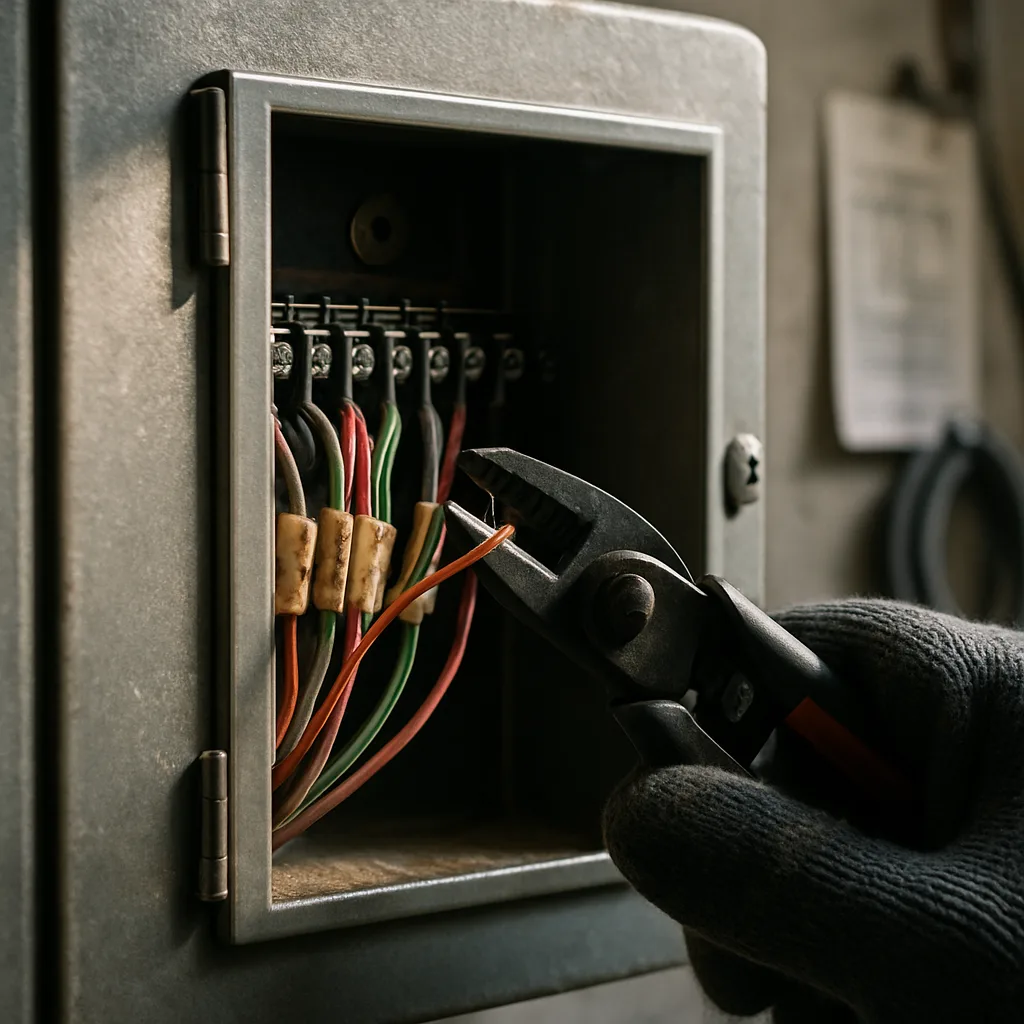
How do you tell whether the controls or an old unit are at fault? Look for a pattern rather than a one-time glitch. One hot day doesn’t tell you much. The same complaint from the same corner office for three months gives you useful data. Buildings along the U.S.
- Energy bills that keep rising even though your equipment hasn’t changed
- Staff manually changing thermostats or overriding schedules throughout the day
- HVAC running full blast overnight or on weekends when the building is empty
- Multiple rooftop units or zones that never seem to coordinate with each other
- No single place to check what’s running, what’s failing, or what’s costing money
- Aging pneumatic or standalone controls that can’t communicate with newer equipment
We see this every week in older offices and light industrial spaces. Equipment was often added over the years without anyone tying it together. You may have one RTU here and another added five years later. There may also be a rooftop unit nobody has touched since installation. None of the equipment communicates. That’s not your fault. It’s a controls gap, and it can be fixed.
Retrofit vs. New Construction Decisions for Sunnyvale Buildings
Sunnyvale has a mix of building ages, and that changes how we approach automation work. Some older commercial buildings near the town center still use basic thermostats and manual switches. Their wiring may predate smart controls. Newer construction along U.S. 80 often has the needed framework in place. That may include conduit runs, low-voltage wiring stubs, and control panels ready for programming. This difference can change the full scope of your job.
How do you know which category you’re in? Ask yourself a few questions before you call anyone out.
- Is your mechanical equipment already zoned, or does everything use one thermostat for the whole building?
- Can a technician reach the ceiling space, plenum, or mechanical room without tearing anything open?
- Is the existing wiring in decent shape, or has it been patched over the years?
- Are you building new or adding on, where controls can be designed in from day one?
Retrofit jobs cost more when the wiring is outdated or access is tight. New construction gives us a clean slate without questions about what’s behind the wall. Neither approach is wrong, but they are different projects with different timelines. Treating them as identical can leave you with a bad surprise halfway through.
When a Full BAS Isn’t the Right Fit
Let’s be straight with you: not every building needs a full automation system. If you’re running one rooftop unit and a couple of thermostats, a full BAS is overkill. Your money is better spent somewhere else.
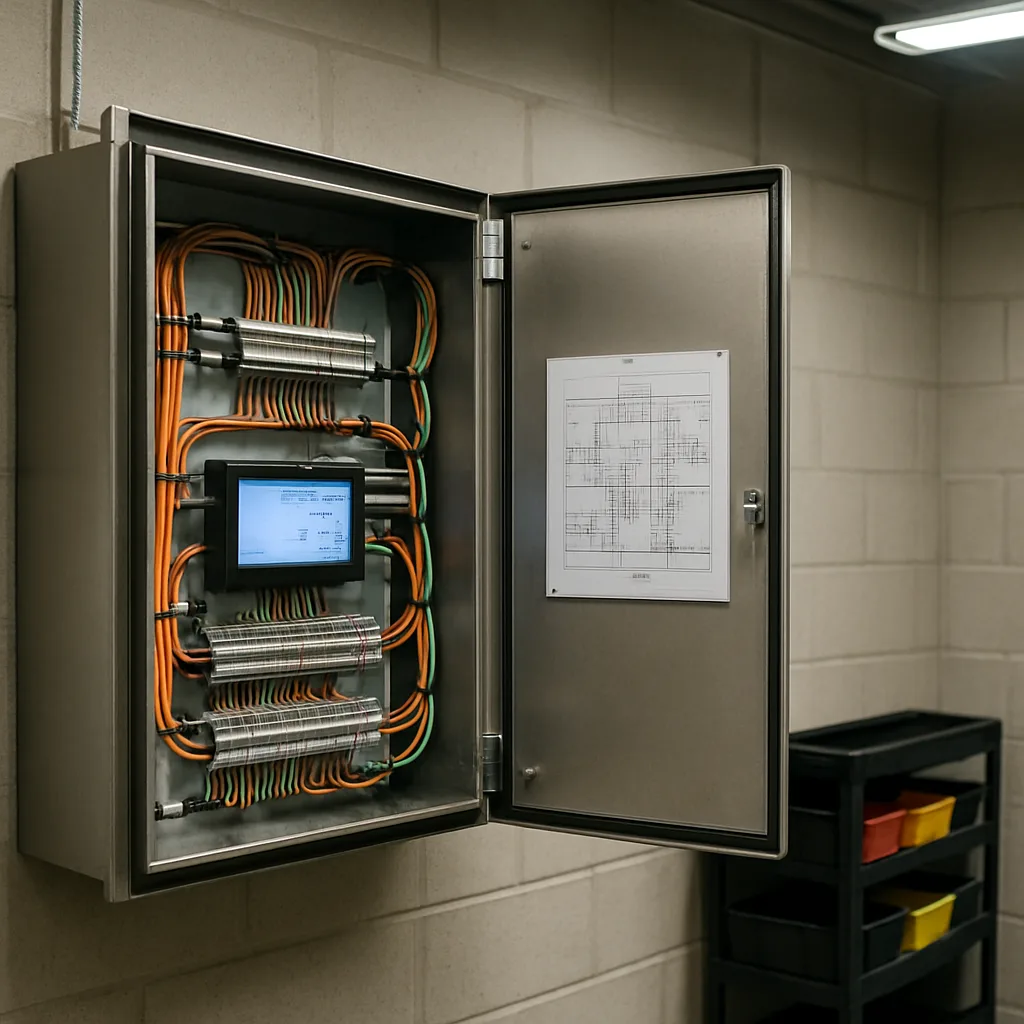
When doesn’t it make sense? A few common scenarios stand out.
- A small single-tenant space with one or two RTUs and no separate zones to coordinate. A smart thermostat or basic RTU control can do the job.
- A building with a working DDC system that only needs calibration, a sensor swap, or a software update. It doesn’t need a full replacement.
- A short remaining lease term. If you’re leaving in two years, a large controls investment may not pay itself back.
- No boilers, chillers, or multiple air handlers to manage. Full automation earns its keep when your building has real complexity.
We see someone assume that bigger is better almost every week, but it isn’t. If your building has one system, zone, and thermostat, you don’t need a full head-end with networked controllers. That would solve a problem you don’t have.
Some buildings sit right on the line. You may have two or three units, different tenant needs, and plans to hold the property for years. Those cases deserve a real conversation rather than a guess. 80 six days a week.
Have questions? We’re happy to help.
Call Today, Get Service Today. Xtreme Air Services is ready to help.
What to Expect Before Installation Begins
Before anyone touches a wire, we walk your building. That step isn’t optional, and any contractor you hire should do the same. Many older commercial spaces around Sunnyvale still use pneumatic or first-generation digital controls. Those systems don’t always work well with modern equipment. We need to see what’s behind the walls before quoting the full scope.
- Site walkthrough to map existing thermostats, sensors, dampers, and controllers
- Review of current wiring and panel condition to find what’s reusable and what needs replacement
- Discussion of your goals – energy savings, remote monitoring, tenant comfort, or all three
- Check on permit and code requirements tied to any electrical work
- Scheduling around your building’s occupancy so we don’t disrupt your day
Scheduling matters more than people think. A retail space and a warehouse have different operating hours, so we build the installation around yours. We don’t expect you to change your day for us. If the controls are original and nothing is labeled, tracing circuits will take extra time. We want to discover that before installation day rather than midway through the job.
Xtreme Air Services is fully licensed and insured, so we document each part of the walkthrough instead of relying on a quick visual check.
Some buildings need a second visit before we finalize the plan.
How Installation and Controls Programming Work
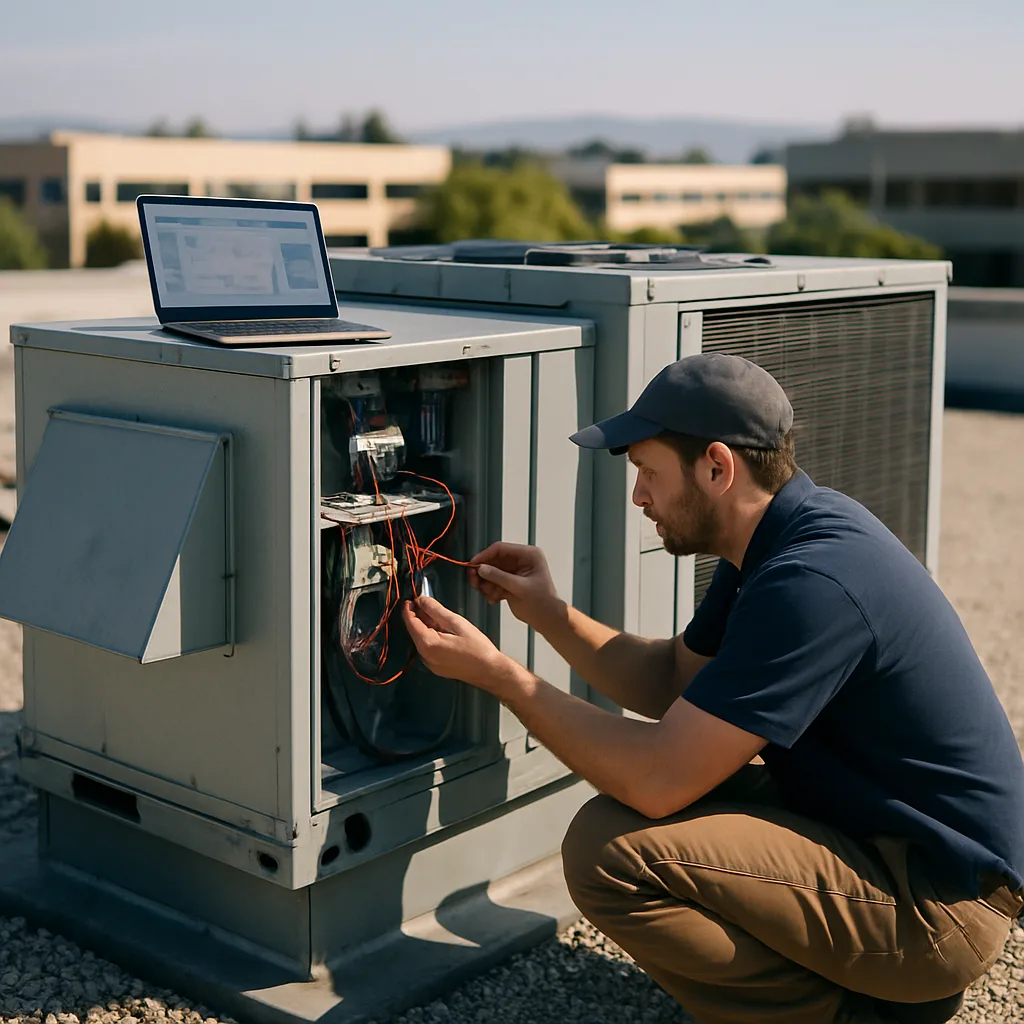
Installation day starts with what’s already there, not what’s on a specification sheet. Our team walks the building and checks the rooftop units and panels. We then map how the equipment communicates. In some newer business parks off Highway 80 in Sunnyvale, ductwork was built for one zoning setup. The tenant may now want three zones. We find that gap on day one rather than week two.

- Walk the site and map existing equipment, wiring, and sensor locations
- Connect the controller to your rooftop units, boilers, or chillers through existing connections where possible
- Configure the programming, schedules, setpoints, and alarm logic for your building
- Run startup and testing on every zone before we call the job done
- Walk you through the system so you know how to read and use it
That last step matters more than people think. A building automation system you don’t understand becomes a fancy thermostat you’re afraid to touch. We sit down with you and show you the schedule. Someone on your staff will know how to adjust it without calling us for every small change.
Ease of access affects much of the timeline. Easy equipment access means fewer surprises and less labor. Tight mechanical rooms or wiring behind finished ceilings take longer to reach. That additional work appears in the job scope. Once the wiring is in place, programming usually moves quickly.
Xtreme Air Services is licensed and insured for this work. We test every startup under a real load before signing off.
Frequently Asked Questions
Common questions about Building automation systems
How long does a building automation system installation take in Sunnyvale?
Most retrofits run three days to two weeks, and the wiring decides which end you land on. If the existing low-voltage runs are intact and labeled, programming moves fast. If nothing is labeled and we are tracing circuits through a finished ceiling, that adds days. We map the equipment during the walkthrough so the timeline we quote is the one you actually get.
What happens during the initial building walkthrough?
We map every thermostat, sensor, damper, and controller you already have, then check the panel and wiring condition to see what is reusable. We also ask what you want out of the system, whether that is energy savings, remote monitoring, or an end to the tenant comfort complaints. Nothing gets quoted until we have seen what is behind the walls.
Can a building automation system work with my existing rooftop units?
Usually yes. Most rooftop units built in the last two decades tie into a controller through their existing terminal connections, so you are not replacing equipment just to gain control of it. Older pneumatic or first-generation digital controls are the exception and may need to be swapped out. We confirm what your equipment can communicate with before we design anything.
Will a building automation system actually lower my energy bills?
The savings come from scheduling and coordination, not from the box itself. If your HVAC currently runs full blast overnight and on weekends in an empty building, putting it on a real schedule is where most of the reduction shows up. Buildings with several rooftop units working against each other also gain from one shared setpoint strategy. If you run a single unit on a working programmable thermostat, expect very little.
Do I need a full BAS, or would simpler controls do the job?
If you run one or two rooftop units with no separate zones and no boilers or chillers, a smart thermostat or a basic unit controller usually covers it. A full head-end with networked controllers earns its keep once you have real complexity: multiple zones, multiple tenants, or central plant equipment that has to be sequenced. We will tell you plainly when the smaller option is the right one. If your controls are already in place and simply are not behaving, that is a troubleshooting job rather than a new install. See our building automation controls page.
Who can adjust the system after installation?
You can. Before we call the job finished, we sit down with whoever manages the building and walk through the schedules, setpoints, and alarm logic so routine changes do not require a service call. A system nobody understands turns into an expensive thermostat nobody will touch. We would rather hand it over properly than leave you dependent on us.
Ready to Get Started?
Call 972-288-2263 Today, Get Service Today.