


Sewer Repair in Sunnyvale: Fixing Clay-Soil Line Failures Fast
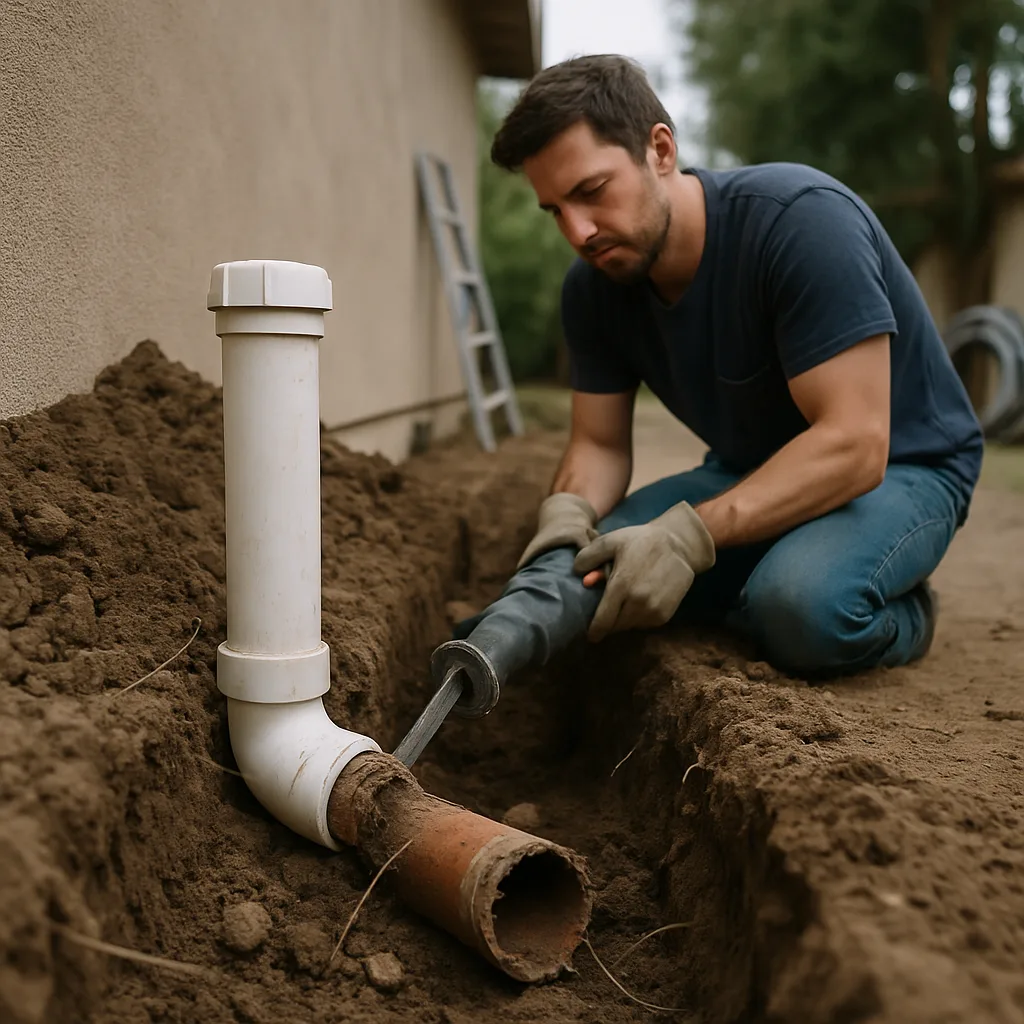
Broken, bellied, and separated sewer pipe repaired after a camera inspection – spot repair where it fits, replacement where it does not.
What’s Covered on This Page
- Warning Signs You Need Sewer Repair in Sunnyvale
- How Sewer Repair Pricing Works
- When a Slow Drain Isn’t a Sewer Line Problem
- Inside a Professional Sewer Repair Visit
- Trenchless vs. Open-Trench Repair Methods
- How fast can you get someone out for a sewer repair in Sunnyvale?
- What should I expect when a technician arrives for sewer repair?
- Why do sewer lines fail so often in Sunnyvale homes?
- How do I know if it’s just a clog or a real sewer line problem?
- Do you have to dig up my whole yard to fix a sewer line?
Warning Signs You Need Sewer Repair in Sunnyvale
Here’s the thing about sewer problems: they rarely show up all at once. You notice one odd thing, then another. By the time three drains back up on the same day, the damage has usually been building for a while. The same handful of signs often points to the same causes.
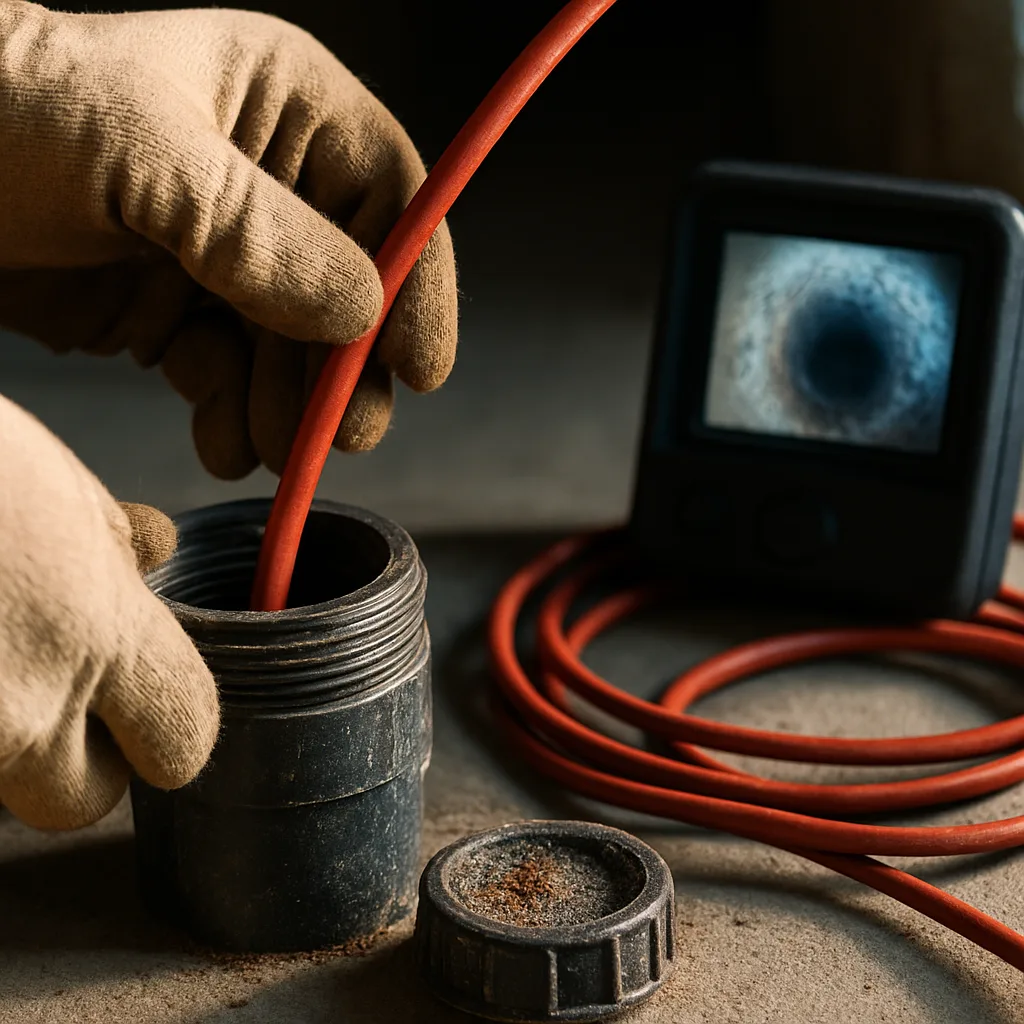
What should make you pick up the phone instead of pouring more drain cleaner down the pipe? Watch for these signs.
- More than one drain backing up at the same time, especially the lowest fixtures in the house
- Gurgling sounds from toilets when the washing machine drains
- A sewer smell near the yard or a soggy patch of grass that won’t dry out
- Toilets that flush slowly or need a second flush no matter how much you plunge
- Cracks in the slab or a bathroom floor that feels slightly uneven
That last one catches people off guard. Sunnyvale sits on clay soil that expands and shrinks with the seasons. Many homes here have slab foundations with the sewer line running underneath. That soil movement stresses old pipe joints over the years. Mature trees along established streets make root intrusion another common problem. Xtreme Air Services is licensed and insured. Our technicians run a camera down the line before anyone touches a shovel. You’ll know exactly what’s happening before we recommend a repair.
Not sure whether you’re seeing a clog or something worse? That’s a fair and common question. A single slow drain is often just a clog. When the signs stack up or the smell keeps returning, your sewer line needs attention.
How Sewer Repair Pricing Works
Numbers matter because guessing is one of the worst parts of a sewer problem. Most sewer repair jobs we run fall between $1,500 and $7,000. That’s a wide range. The most common job involves locating the bad section, repairing or replacing it, and checking the flow. That work usually falls between $1,500 and $4,000. It’s often one trip and one repair.
What pushes a job toward the higher end? A few things.
- How deep the damaged section sits and how far it runs
- The pipe diameter, since wider lines cost more to open and repair
- How hard it is to reach the pipe, including a slab, landscaping, or driveway in the way
- Root intrusion, which is common in older clay lines around Sunnyvale
Nights and weekends don’t change your price with Xtreme Air Services. There’s no extra charge for after-hours calls.
The repair includes diagnosis, labor, the standard fix, testing, and cleanup. Additional failed sections, full line replacement, code upgrades, and permits aren’t included. We quote those separately if they come up. The service call fee is $26 to $99. We credit it toward the repair if you move forward with us. Financing is available on approved credit for bigger jobs, so you can spread out the cost of a larger repair.
When a Slow Drain Isn’t a Sewer Line Problem
One slow drain in a sink or tub usually isn’t a sewer line problem. It’s almost always a local clog from hair, grease, or soap scum. That buildup sits in the fixture’s trap or branch line. A sewer line problem shows up differently. It affects more than one fixture because the main line carries waste from your whole house.
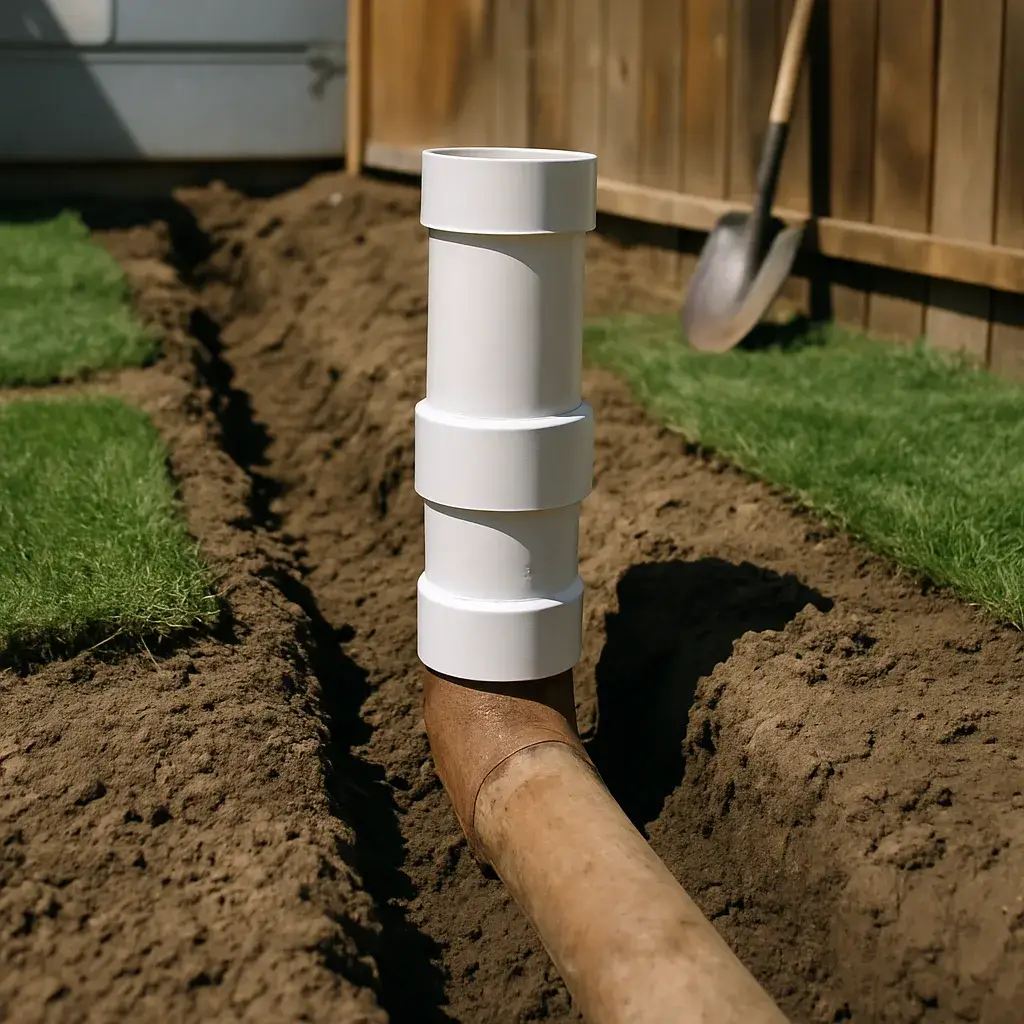
How do you tell the difference while standing in your kitchen? Ask yourself whether the trouble is isolated or spreading.
- Only one sink or tub drains slowly while other fixtures work fine: likely a local clog, not the sewer line
- The toilet gurgles when the washing machine drains, or the tub backs up when you flush: that’s a sewer line signal
- Water backs up in the lowest drain, usually a shower or floor drain: that’s a classic main line symptom
- You smell sewage near a cleanout or in the yard: that’s the line, not a fixture trap
You can probably clear a slow bathroom sink yourself with a plunger or drain snake from the hardware store. A single slow drain that hasn’t worsened for months isn’t an emergency. It’s a maintenance item, so save your money there. Once two or more drains act up together, or you hear gurgling, it’s no longer a simple clog. When more than one fixture has trouble, the problem sits in the shared line rather than the sink.
Ready when you are – get in touch today.
Call Today, Get Service Today. Xtreme Air Services is ready to help.
Inside a Professional Sewer Repair Visit
What happens when a technician pulls up? Many people expect a crew to tear up the whole yard on day one. That’s not how it works. Our team starts small and works toward the answer.
- Walk the property with you and hear what you’ve noticed, such as slow drains, gurgling, or a wet patch in the yard.
- Run a camera down the line to see inside the pipe and find the exact spot that’s failing.
- Mark the location and find the access point, sometimes through a small dig or an existing cleanout.
- Repair or replace the damaged section after confirming the pipe’s diameter and material.
- Run water and check the flow to make sure the repair holds under normal use.
- Clean up the work area before leaving.
That process often happens in a single visit. The service call costs $26 to $99. The visit includes diagnosis, labor, the standard repair, testing, and cleanup. We quote those separately if we find them.
Sunnyvale’s clay-heavy soil shifts with the weather. That movement is a common reason older sewer lines crack at the joints. We see it every week: a pipe that held for twenty years can separate after a wet spring.
Trenchless vs. Open-Trench Repair Methods
There are two ways to fix a broken sewer line: dig it up or repair it from inside. Both methods work, but the right one depends on what’s wrong underground.
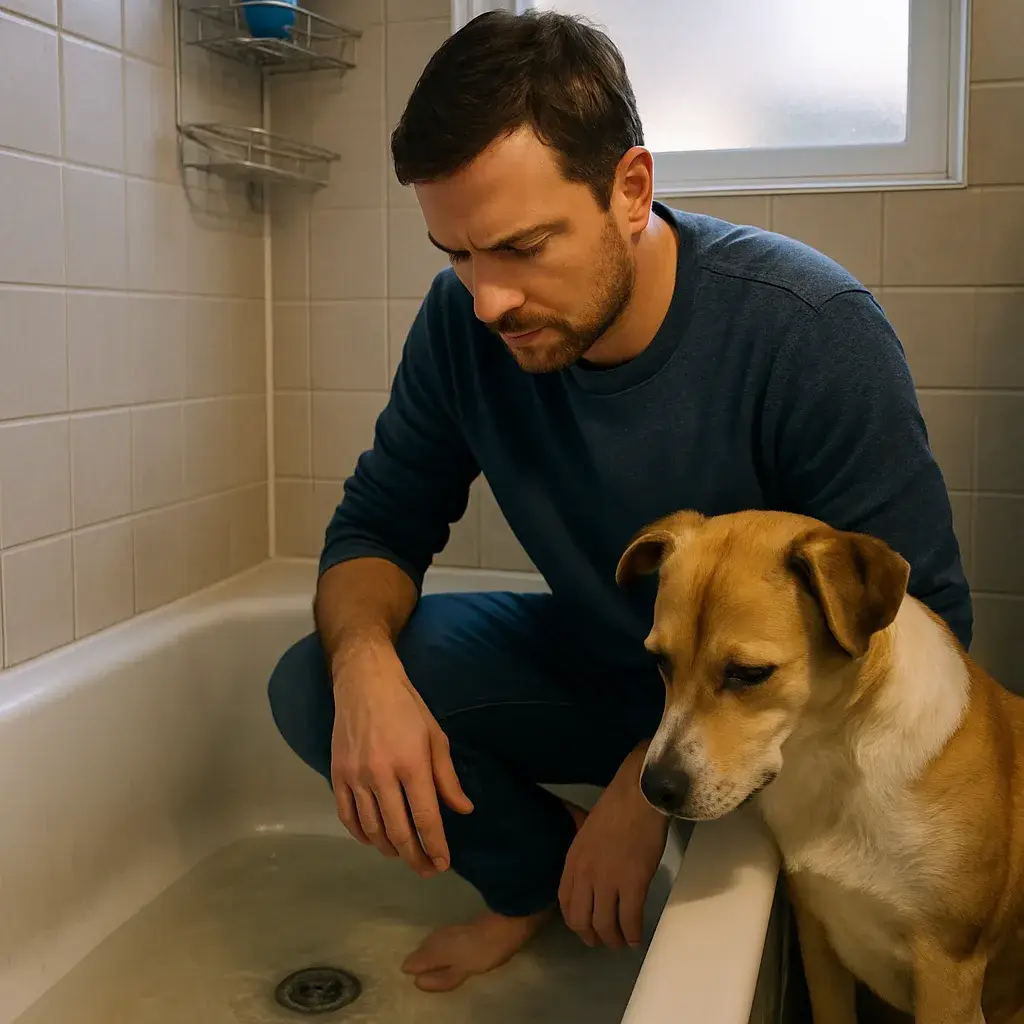
Open-trench repair means digging down to the pipe and cutting out the bad section. The technician then replaces it with new pipe. This method remains the right call for severe damage or a collapsed pipe. It may also be necessary when there’s no room for trenchless equipment. It disturbs the yard, but it’s often the faster, more direct repair for one bad spot.
Trenchless repair, sometimes called pipe lining, fixes the pipe from inside without tearing up the whole yard. A liner enters through an access point and cures in place to seal the damaged section. It works well for cracks, small breaks, and some root intrusion. That’s helpful in older Sunnyvale homes, where decades-old clay pipes often crack at the joints.
- How deep the pipe sits and how hard it is to reach
- How much of the line is damaged compared with one section
- The pipe’s diameter and material
- Whether roots have broken through the pipe wall rather than just pressing against it
Most people don’t realize that one bad section often causes the whole backup, not the entire line. The method matters less than getting an accurate look first. We run a camera and find the exact spot. Then we explain which method fits and why.
Frequently Asked Questions
Common questions about Sewer repair
How fast can you get someone out for a sewer repair in Sunnyvale?
We schedule sewer repair calls quickly, often the same day you call, because backed-up drains rarely wait for a convenient time. Our technicians run a camera down the line as soon as they arrive so you get answers fast instead of guesswork. If you’re seeing multiple drains back up or smelling sewage in the yard, call right away so we can find the problem before it spreads.
What should I expect when a technician arrives for sewer repair?
Expect a walk-through first, where the technician asks what you’ve noticed, like gurgling or slow drains. From there, we run a camera down the line to pinpoint the exact damaged section before any digging happens. Once we find the problem, we mark the access point, repair the section, and test the flow to confirm it holds. Most visits wrap up in a single trip, and we clean up the work area before we leave.
Why do sewer lines fail so often in Sunnyvale homes?
Sunnyvale’s clay-heavy soil expands and shrinks with the seasons, and that movement puts constant stress on old pipe joints. Many homes here sit on slab foundations with the sewer line running underneath, so shifting soil can crack or separate a pipe that held fine for twenty years. Mature trees along older streets add another layer, since roots search out these joints and force their way in. That combination is why root intrusion and joint failure are common calls here.
How do I know if it’s just a clog or a real sewer line problem?
A single slow drain is usually just a local clog from hair or grease, not a sewer line issue. You’ll know it’s the sewer line when more than one fixture acts up at once, like the toilet gurgling when the washing machine drains. Water backing up in your lowest drain, often a shower or floor drain, is another classic sign. If you smell sewage near a cleanout or in the yard, that points to the line rather than a single fixture.
Do you have to dig up my whole yard to fix a sewer line?
Not always. Many repairs only need access at the exact damaged section, which we locate with a camera before any digging starts. Depending on how deep the pipe sits and what’s in the way, like landscaping or a driveway, we choose the method that disturbs your yard the least. Full trenching is sometimes needed for badly damaged sections, but plenty of jobs are handled through a small access point instead of tearing up the whole line.
Ready to Get Started?
Call 972-288-2263 Today, Get Service Today.