


Toilet Repair in Sunnyvale: Fast Fixes for Running, Leaking, or Clogged Toilets
Running, weak-flushing, and leaking toilets fixed at the flapper, fill valve, or flange, with the wax seal replaced when the bowl comes up.
What’s Covered on This Page
- Common Toilet Problems That Call for Repair
- When a Toilet Just Needs a Plunger, Not a Plumber
- Signs Your Toilet Repair Can’t Wait
- Clay Soil and Older Homes: Why Seals Fail Over Time in Sunnyvale
- What Happens During a Toilet Repair Visit
- How fast can someone come out for a toilet repair in Sunnyvale?
- What happens when the technician arrives at my house?
- Why do toilets in Sunnyvale keep leaking at the base?
- Should I try a plunger before calling for toilet repair?
- How do I know if my running toilet is wasting a lot of water?
- Can a toilet repair turn into a bigger job once you’re inside the tank?
Common Toilet Problems That Call for Repair
Here’s the thing about toilets. They run on a handful of simple parts, and when one fails, the symptoms are pretty predictable. A toilet that runs constantly is almost always a fill valve or flapper that’s stopped sealing right. Water pooling at the base usually points to a worn wax ring, the seal between the toilet and the floor flange. And a toilet that won’t flush all the way, or backs up more than once, is telling you there’s a clog somewhere past what a plunger can reach.
- Constant running or a phantom flush every few minutes, usually the fill valve or flapper
- Water on the bathroom floor around the base, often a failing wax seal
- Weak flush or repeated clogging, sometimes a partial blockage in the trap
- Handle that needs jiggling or won’t spring back, a worn flush lever or chain
- Toilet that rocks slightly when you sit down, a sign the seal underneath may already be compromised
Older homes around Sunnyvale still have original fixtures from decades back, and those internal parts wear out on their own schedule, not yours. A flapper that’s been soaking in tank water for ten years just doesn’t seal like it used to. We check the flush, the fill, and the seal every time, because chasing the wrong part wastes your time and ours.
When a Toilet Just Needs a Plunger, Not a Plumber
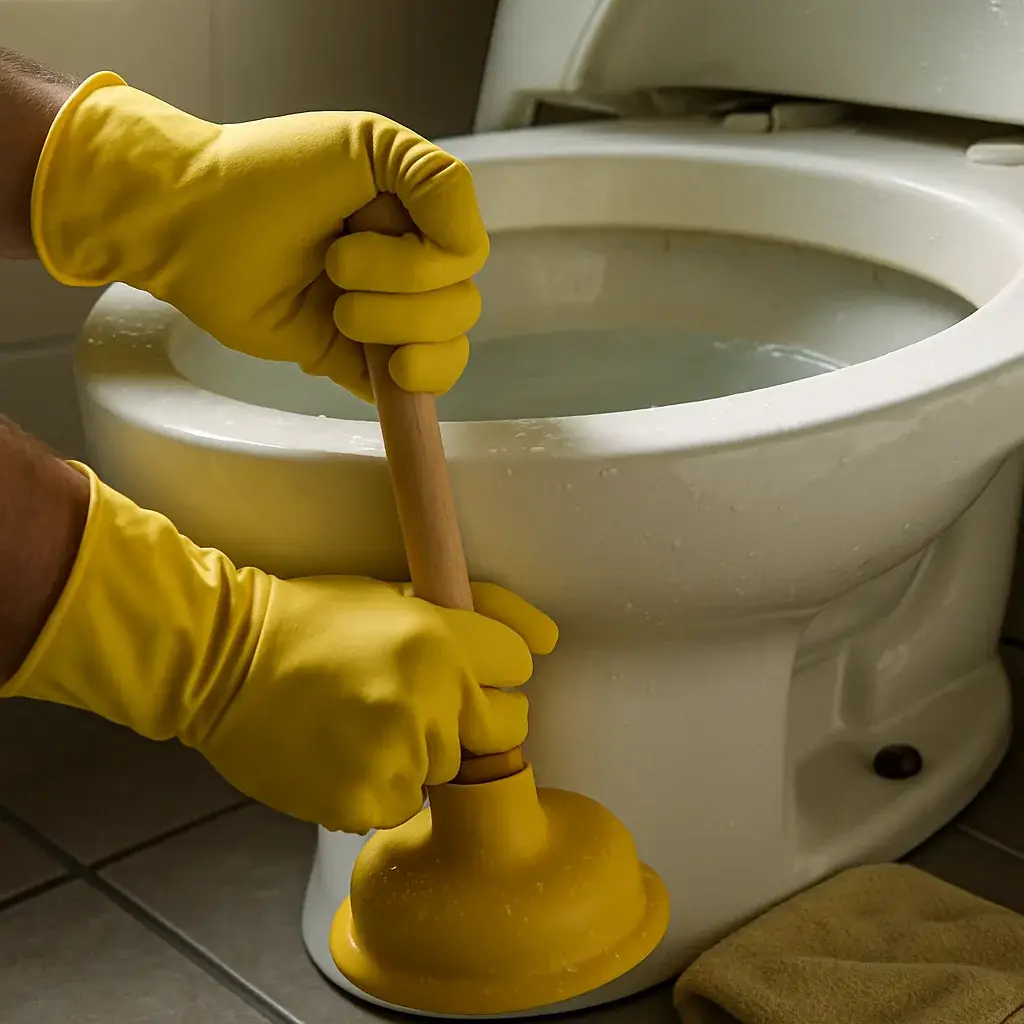
Not every clogged toilet needs a call to us. If it’s just backed up from too much paper and the water’s rising slow, grab a plunger first. A good plunge clears a simple clog in under a minute.
Here’s a quick gut check before you pick up the phone.
- The toilet clogs once, plunges clear, and flushes fine after – that’s normal use, not a repair issue
- Water level looks a little low or high but the toilet still flushes and doesn’t run constantly
- You just dropped something small and fished it back out before flushing
- The tank refills a bit noisy but stops within a minute or two and doesn’t run between flushes
So when does a plunger stop cutting it? If the clog comes back every few days, if the bowl won’t clear at all even after a few good plunges, or if you hear that hissing, running sound long after the tank should’ve shut off, that’s not a habit problem. That’s a part failing inside the tank or a blockage further down the line than a plunger can reach. 80 six days a week.
We get calls all the time from folks who plunged for twenty minutes on a Sunday before giving up.
There’s no shame in trying it yourself first. A running toilet that won’t stop, or a clog that returns fast, usually points to a worn flapper, a bad fill valve, or something stuck in the trap. Those aren’t plunger problems, and pushing harder won’t fix them.
Signs Your Toilet Repair Can’t Wait
Not every toilet hiccup needs a same-day call. But some do, and guessing wrong costs you a soaked bathroom floor or a bigger bill later.
We hear it every week: someone waited on a running toilet because it seemed minor, then the water bill showed up ugly. A toilet that keeps refilling on its own can waste a surprising amount of water in a single day. That’s not a small thing, that’s real money running down the drain.
Here’s what tells us a toilet needs attention now, not next week.
- The toilet rocks or feels loose when you sit down, which usually means the wax seal at the base is failing
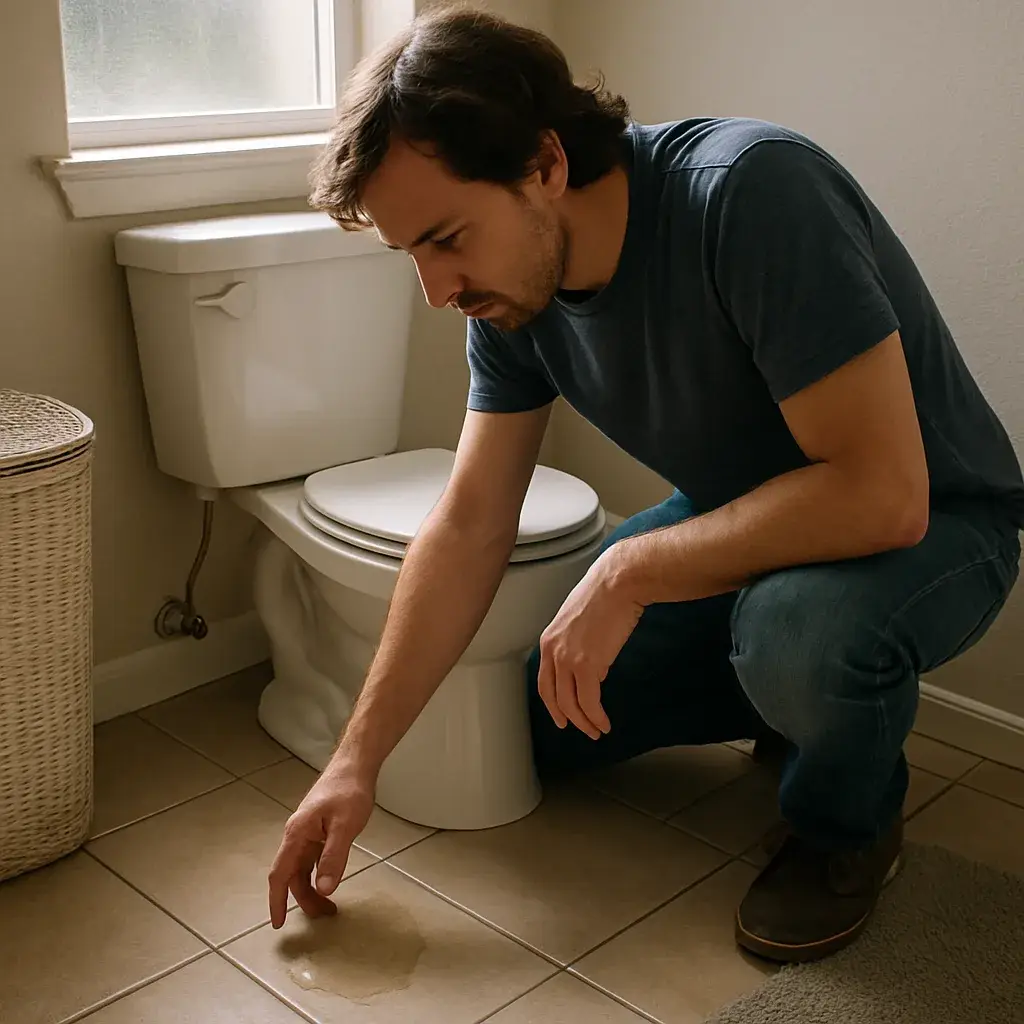
- Water shows up on the floor around the base after a flush, even a small puddle
- You hear a hiss or trickle in the tank long after the flush is done
- It takes two or three flushes to clear anything, or the bowl drains slow every single time
- The tank won’t stop filling, or it overflows with normal use
A lot of homes around Sunnyvale sit on slab foundations, and a failed wax seal can let water seep down around that base for weeks before you ever see a stain. By the time it shows on the floor, it’s usually been happening a while. So if you see water at the base even once, that’s your sign to call, not wait and watch.
Need help with Toilet repair?
Call Today, Get Service Today. Xtreme Air Services is ready to help.
Clay Soil and Older Homes: Why Seals Fail Over Time in Sunnyvale
Sunnyvale sits on North Texas clay soil, and that soil swells when it rains and shrinks when it’s dry. That movement doesn’t stay in the yard. It travels straight into the slab foundation under your bathroom floor. Homes built here in the 1970s and 80s were leveled once, when the flange went in, and never touched again.
We see this constantly in Sunnyvale’s older streets, older homes where the slab has settled just enough to tilt the flange a few degrees off level.
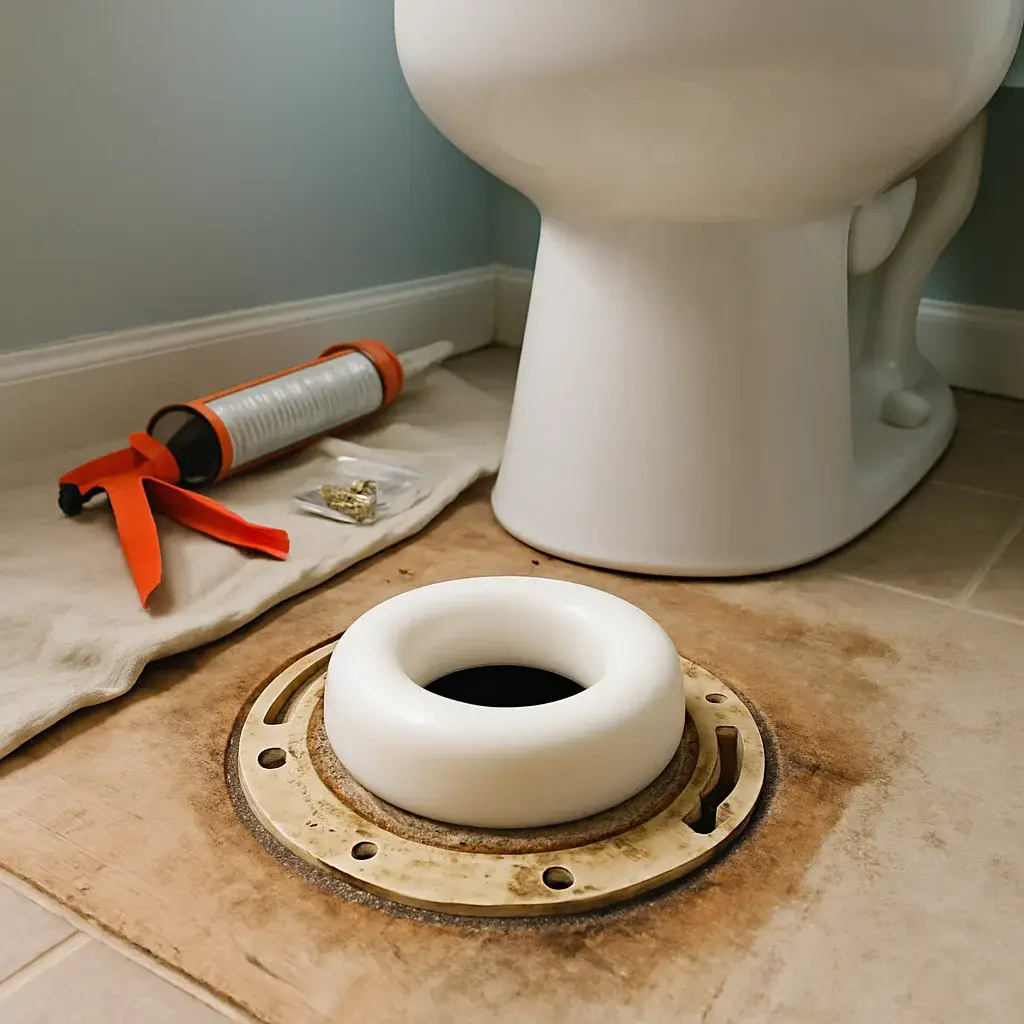
That tiny tilt is enough. The wax ring seal underneath the toilet cracks or shifts out of place, and water starts sneaking out at the base instead of going down the drain. A few signs point straight to a failed seal:
- The toilet rocks slightly when you shift your weight on it
- A ring of water shows up around the base after flushing
- You smell sewage near the toilet even when it looks dry
- The caulk line at the floor has cracked or pulled away
Now, here’s where diagnosis matters. Most of the time it’s a straight wax seal swap, and that’s a standard toilet repair job. But if the flange itself is cracked or sitting too low from years of slab movement, that’s a different repair, and we’ll quote that separately before touching anything. You’re never guessing which one you’ve got, we tell you on the spot.
What Happens During a Toilet Repair Visit
You call, we ask a few quick questions, and a technician heads your way. That’s really it for step one. Most of the time, the whole visit takes less time than you’d think, because most toilet trouble comes down to a handful of failed parts inside the tank.
- The technician checks the toilet in front of you, running it, listening for the fill valve, watching the flush.
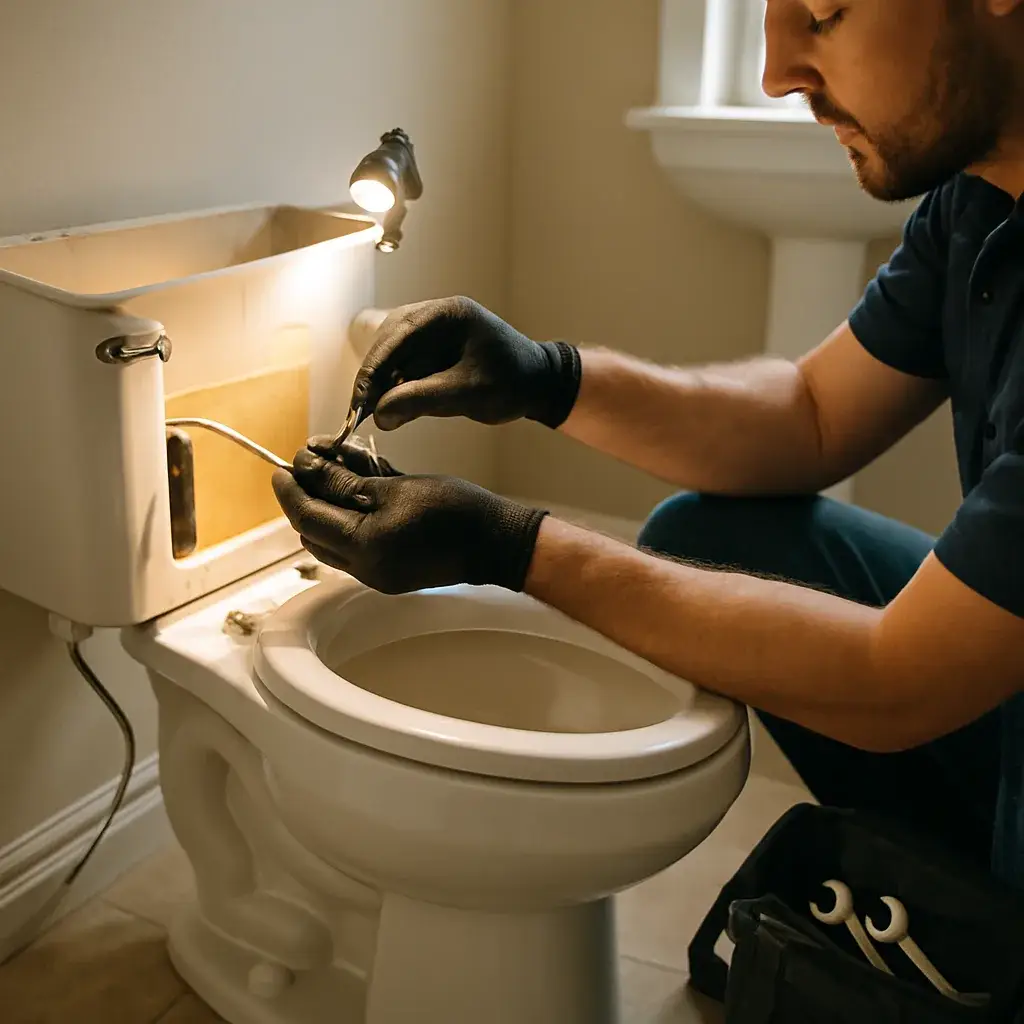
- We open the tank and look at the flapper, the fill valve, and the flush valve seat for wear or mineral buildup.
- If it’s a clog, we check whether it’s the trap, the drain line, or something further down.
- We test the wax seal at the base if the toilet’s rocking or you’ve noticed water on the floor.
- Once we find the cause, we walk you through the fix and the part before touching anything else.
- We replace the failed part, refill the tank, and flush it several times to check the seal and the fill level.
- We wipe down the area and make sure the shutoff valve and supply line are tight before we leave.
Older homes around Sunnyvale with cast iron or galvanized supply lines sometimes need a gentler touch at the shutoff valve, it can seize up if it hasn’t been turned in years. We check that early so it doesn’t turn into a second problem.
Most calls get fixed on that first visit.
Frequently Asked Questions
Common questions about Toilet repair
How fast can someone come out for a toilet repair in Sunnyvale?
We ask a few quick questions on the phone, then send a technician your way the same day in most cases. Most toilet problems come down to a handful of parts, a fill valve, flapper, or wax seal, so we can usually tell you what to expect before anyone even shows up. If your toilet is actively leaking at the base or won’t stop running, tell us that up front. We treat those as priority calls since they waste water fast and can damage your floor.
What happens when the technician arrives at my house?
The technician checks your toilet in front of you first, running it and listening for the fill valve, before touching anything. This on-the-spot check is how we figure out whether it’s a simple part swap or something bigger, like a cracked flange. You’ll know what’s wrong and what the fix involves before we start. There’s no guessing games, and if the job turns out to be different than expected, we tell you before doing extra work.
Why do toilets in Sunnyvale keep leaking at the base?
It’s usually the wax seal failing because of clay soil movement under the slab foundation. Sunnyvale sits on North Texas clay that swells and shrinks with rain and dry spells, and that shift can tilt the toilet flange just a few degrees over the years. Older homes from the 1970s and 80s are especially prone to this since the flange was leveled once and never adjusted again. A rocking toilet or water ring at the base is the giveaway sign.
Should I try a plunger before calling for toilet repair?
Yes, if it’s a simple clog, a good plunge usually clears it in under a minute. Try that first if the water’s rising slow and nothing else seems off. But if the clog keeps coming back every few days, or you hear hissing in the tank long after it should’ve shut off, that’s a failing part, not a plunging problem. Pushing harder on a stuck flapper or fill valve won’t fix it, and it just delays the real repair.
How do I know if my running toilet is wasting a lot of water?
A toilet that keeps refilling on its own can waste a surprising amount of water in a single day, and it shows up on your next water bill. We hear this every week, someone lets a running toilet go because it seems minor, then gets an ugly bill. If you hear trickling or hissing in the tank between flushes, that’s your fill valve or flapper failing, and it’s worth fixing before the water usage adds up further.
Can a toilet repair turn into a bigger job once you’re inside the tank?
Sometimes, yes, but we always tell you before it happens. Most calls are a straight fill valve, flapper, or wax seal swap, which is a standard repair. But if the flange underneath is cracked or sitting too low from slab movement, that’s a different kind of fix. We check the flush, fill, and seal on every visit, then quote any extra work separately before touching it, so you’re never caught off guard.
Ready to Get Started?
Call 972-288-2263 Today, Get Service Today.