


Water Tank Installation in Sunnyvale: Same-Day Service, No Guesswork
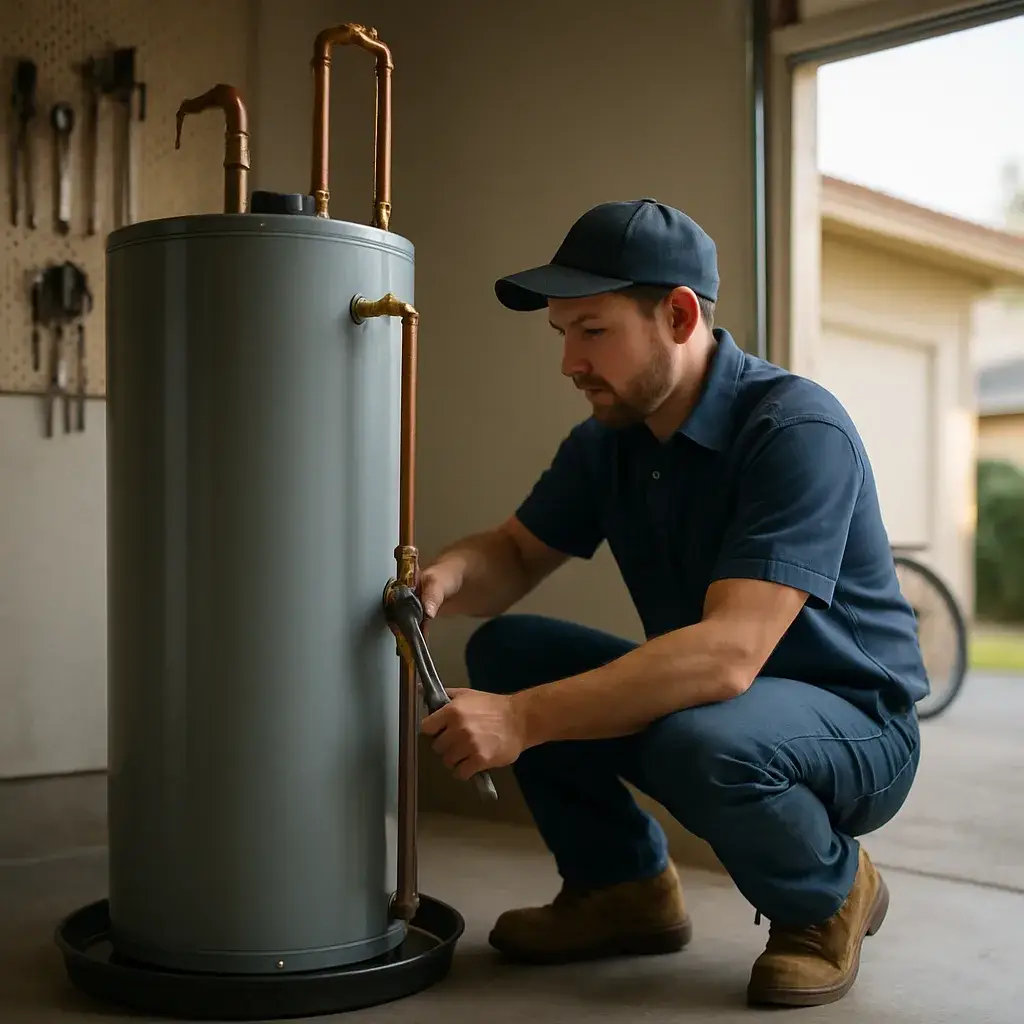
Storage and expansion tanks installed and set to the right pre-charge, so pressure stays stable and the heater stops short-cycling.
What’s Covered on This Page
- Signs a Water Tank Needs Replacement
- When Repair Beats Full Replacement
- What Drives Water Tank Installation Costs
- What Happens During Installation Day
- Code Upgrades and Permits: What to Confirm Before Work Starts
- How fast can you get a new water tank installed in Sunnyvale?
- What happens when your technician shows up for the installation?
- Do older Sunnyvale homes need extra code work during a water tank swap?
- How do I know if my water heater needs a repair instead of a full replacement?
- Do I need a permit for water tank installation in Sunnyvale?
- What are the biggest warning signs my water tank is about to fail?
Signs a Water Tank Needs Replacement
Usually, folks call us after something’s already gone wrong. That’s the part we hate. Most of these warning signs show up weeks, sometimes months, before a tank gives out.
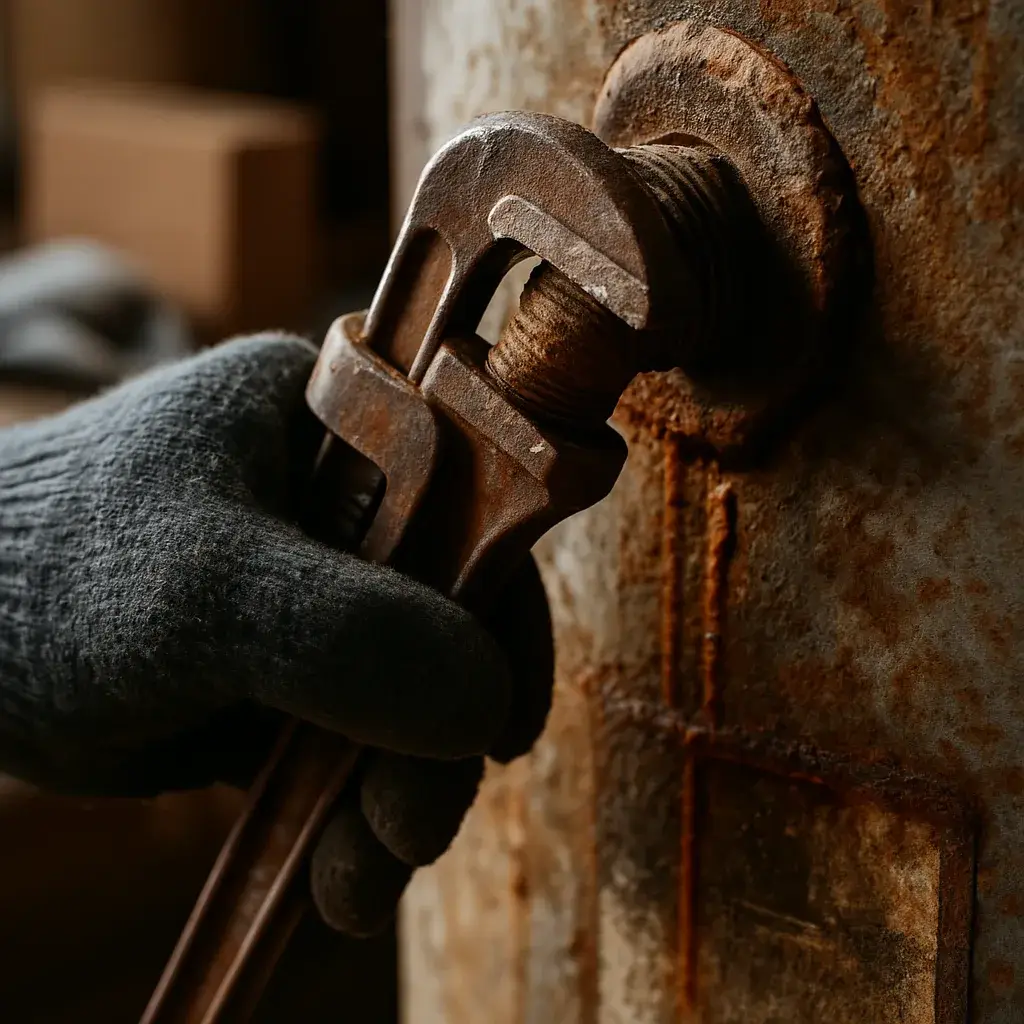
Age matters more than people think. A tank pushing past ten years is living on borrowed time, the inner lining wears thin and rust starts working from the inside out. Eventually, you turn on the shower and the water runs warm then goes cold in under five minutes. That’s not bad luck, that’s sediment eating into your tank’s capacity.
- Water coming out rusty or discolored, especially right when you turn on the hot tap
- Popping, rumbling, or cracking sounds coming from the tank as it heats
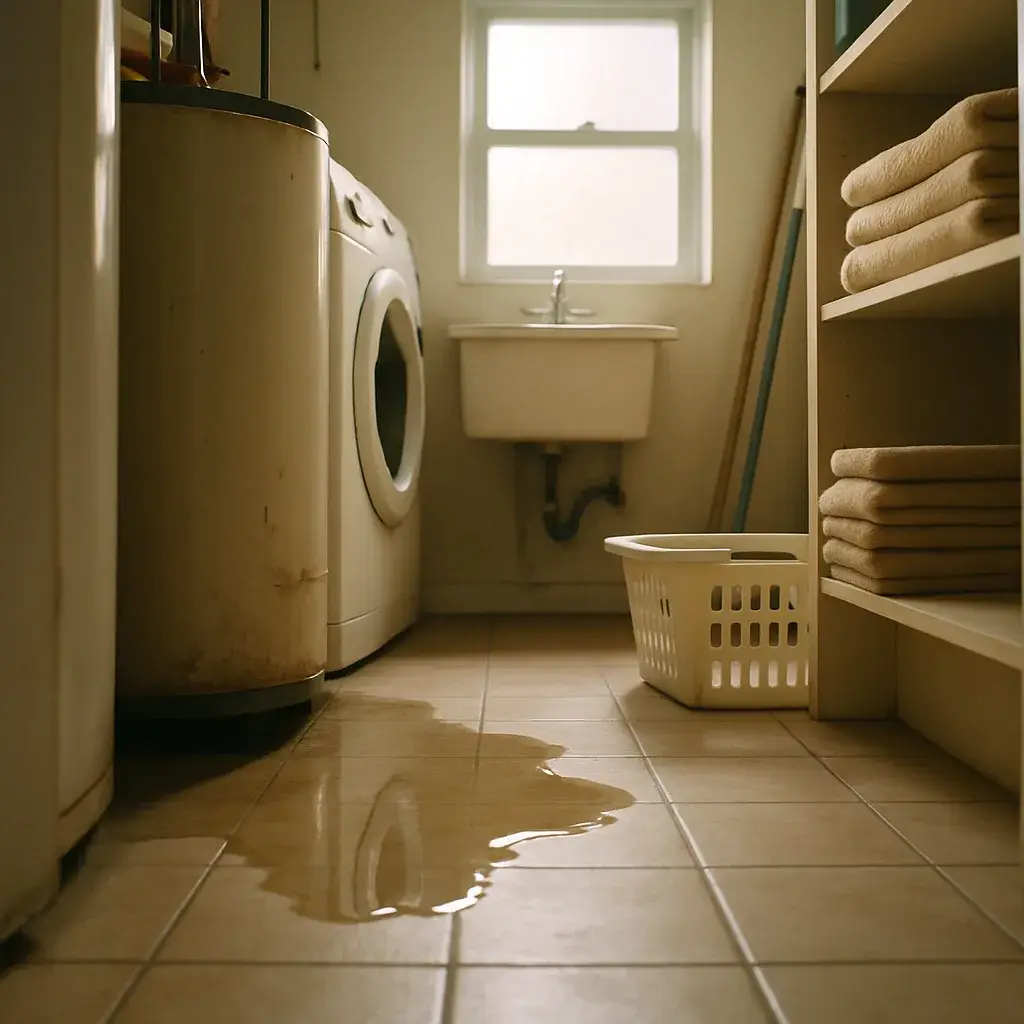
- Any moisture, dripping, or standing water around the base of the unit
- Hot water that runs out faster than it used to, or never gets fully hot
- Rust forming around the fittings, the relief valve, or the tank seams
Not sure if what you’re seeing counts? That’s pretty common. A little discoloration after being away for a weekend usually clears up. Rust that keeps coming back doesn’t. And a tank making noise every single cycle isn’t something to just live with, it’s telling you the sediment layer at the bottom is thick enough to cause real damage. Our licensed technicians check for every one of these signs on a standard visit, no guesswork involved.
When Repair Beats Full Replacement
Not every water heater problem means you need a new tank. If the tank itself is sound and something around it failed, a repair usually gets you back up and running for a lot less trouble. We check this on almost every call before we ever talk installation.
Here’s the real test. A thermostat, heating element, gas valve, or pilot assembly can all fail on their own, the tank stays fine, and swapping that one part solves it. But if water is coming from the tank body itself, from a seam or a weld, that’s corrosion from the inside. No amount of tightening or patching fixes that. Once the tank shell is leaking, it’s done, full stop.
- No hot water but no visible leak: often a heating element or thermostat, usually repairable
- Rusty water only from the hot tap: early warning sign, worth a look before it becomes a leak
- Water pooling under or around the tank base: tank failure, replacement is the honest answer
- Pilot won’t stay lit or unit trips its breaker repeatedly: component issue first, tank second
- Unit is past 8 to 12 years old and needs a part: repair might work short term, but you’re buying time, not years
So how do you know which one you’ve got? Look at the tank itself, not just the puddle. If the water’s tracking down from a fitting or valve up top, that’s often fixable. If it’s seeping from lower on the tank body, that’s the shell talking, and it’s not going to get better.
What Drives Water Tank Installation Costs
Every water tank job starts the same way, but they don’t finish the same way. Some are done in an hour. Others take longer because of what’s hiding behind the old unit. Typical water tank installation jobs run $1,000 to $3,500, and the most common one, a like-for-like tank swap using your existing connections, usually lands between $1,500 and $2,500. Same-day, most of the time.
- Tank size and fuel type, a 40-gallon gas unit is a different job than a 50-gallon electric one
- Brand and efficiency level of the new unit
- How easy your tank is to reach, an attic unit in Sunnyvale takes more time than one in a garage
- Condition of the existing connections and venting
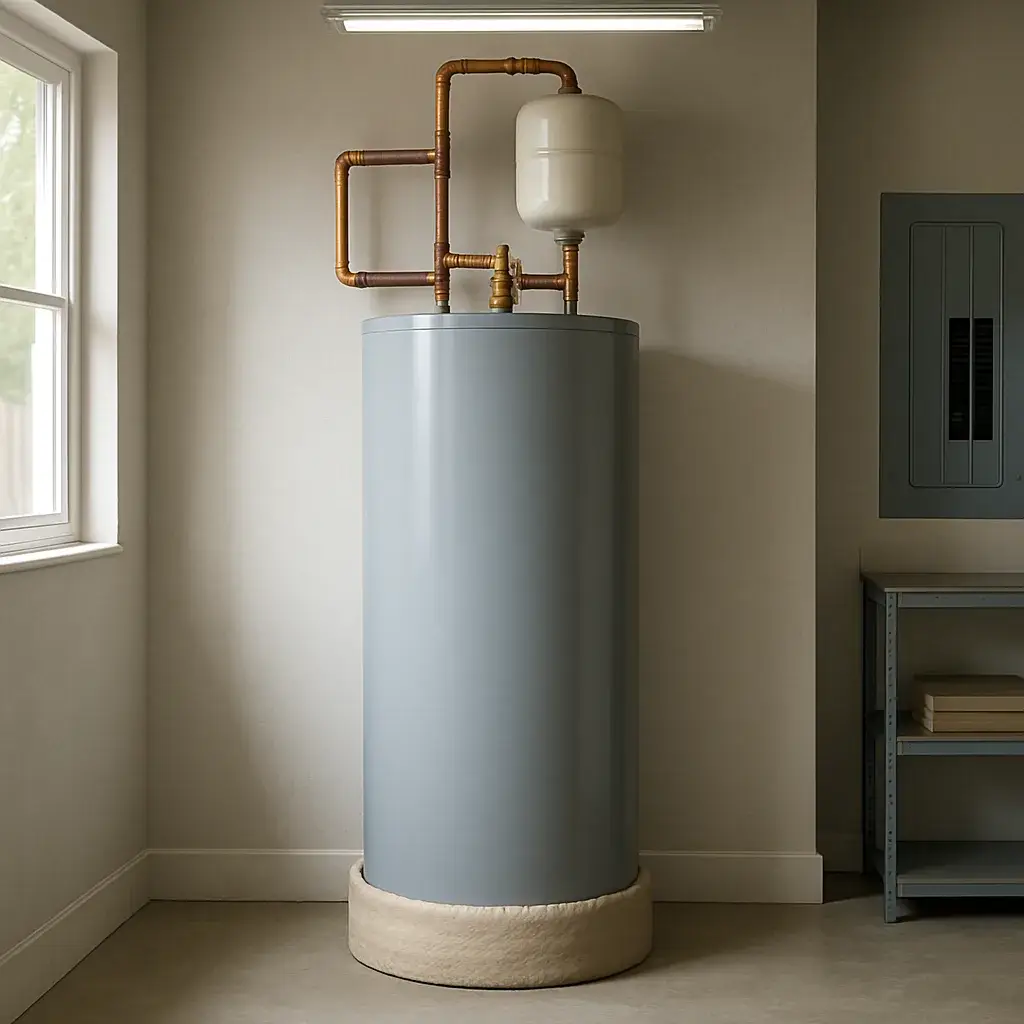
- Code upgrades, like adding an expansion tank or a drain pan if the old setup didn’t have one
- Permit requirements, depending on the scope of the work
Here’s what’s baked into a standard install: the unit and materials, professional installation, standard connections, startup and testing, and hauling the old tank away. What’s not included is anything beyond that, like plumbing, gas, or electrical modifications, or bringing older code items up to current standards. We’ll flag that before we touch a wrench, not after.
We charge a $26 to $99 service call fee to come look at your setup, and it gets credited toward the job if you move forward with us. And if the total’s bigger than you expected, flexible financing is available on qualifying installs, so the cost doesn’t have to hit all at once.
Thinking about Water tank installation? Let’s talk.
Call Today, Get Service Today. Xtreme Air Services is ready to help.
What Happens During Installation Day
Most Sunnyvale homes we work on have the water heater tucked in a garage closet or a small utility room off the kitchen, and that layout matters because it decides how fast the swap goes. Slab foundations are the norm out here, so the unit almost always sits at ground level instead of buried in a crawlspace. That’s good news. It means our team can usually get in, get the old tank out, and get the new one running the same day, start to finish.
- We shut off the water supply and the gas or power to the old unit before touching anything.
- The old tank gets drained through the bottom valve, then disconnected from the water lines and venting.
- We haul the old unit out and check the space, floor pan, and connections for anything that needs attention.
- The new tank goes in, gets leveled, and gets hooked to the existing water lines and venting.
- We fill the tank, check for leaks at every joint, and fire it up.
- Once it’s heating properly, we test water temperature and pressure before we call it done.
Typically, that whole process wraps up in one visit. If your existing connections and venting are in good shape, there’s not much reason it should drag into a second day. We’re licensed and insured, and our crew treats your garage or utility closet like it’s our own, drop cloths down, old tank hauled off, area left clean.
Code Upgrades and Permits: What to Confirm Before Work Starts
Here’s something a lot of folks don’t think about until installation day. Codes change. A tank that was fine to install ten years ago might need an expansion tank or a drain pan today, depending on how your home’s plumbing is set up.
Older Sunnyvale homes on original plumbing sometimes don’t have a closed-loop system, so an expansion tank wasn’t required when they were built. Add a new water heater to that same line now, and current code may call for one. It’s not us making up extra work, it’s just how the rules have shifted.
So what should you ask before anyone touches your water tank installation?
- Does my home need an expansion tank added, and why
- Is a drain pan required for where this unit sits
- Will this job need a permit, and who pulls it
- Are there any venting or gas line issues that need separate work
- What’s included in the quote versus what counts as a code correction
Permits and code corrections aren’t part of a standard swap. If your home needs one, that’s a separate conversation, not a surprise line item after the fact. We’ll flag it before we start, not after the old tank’s already out.
Usually, a like-for-like replacement doesn’t trigger much beyond the basics. But every home’s different, and the only way to know for sure is to have someone look at your setup.
Frequently Asked Questions
Common questions about Water tank installation
How fast can you get a new water tank installed in Sunnyvale?
Most Sunnyvale installs happen the same day you call. Since most homes here sit on slab foundations, your water heater usually lives in a garage closet or a small utility room, not a crawlspace. That easy access lets our crew pull the old tank, set the new one, and test everything in one visit. If your connections and venting are already in good shape, there’s rarely a reason for the job to stretch into a second day.
What happens when your technician shows up for the installation?
Your technician starts by shutting off the water and gas or power to the old tank before touching anything. From there, the old unit gets drained, disconnected, and hauled out so the space can be checked for any issues with the floor pan or connections. The new tank goes in, gets leveled, and gets hooked up. We fill it, check every joint for leaks, then test the water temperature before calling the job done.
Do older Sunnyvale homes need extra code work during a water tank swap?
Sometimes, yes. If your current setup doesn’t have an expansion tank or a drain pan, code often requires adding one when the old unit gets replaced. This comes up more in older Sunnyvale homes where the original install predates current standards. We check for this during the visit and flag anything needed before we start the swap, so there’s no surprise once the new tank is already in place.
How do I know if my water heater needs a repair instead of a full replacement?
If water is leaking from a fitting or valve, that’s usually a repair. But if it’s seeping from the tank body itself, from a seam or weld, that’s corrosion, and no amount of tightening fixes that. A failed thermostat, heating element, or pilot assembly can often be swapped out on its own while the tank stays fine. We check the tank itself, not just the puddle, before recommending either option.
Do I need a permit for water tank installation in Sunnyvale?
It depends on the scope of the work being done. A straightforward like-for-like swap using your existing connections may not need much beyond standard code checks, but adding venting changes, gas line work, or electrical modifications usually does. We walk through your specific setup during the visit and let you know exactly what’s required before any work starts, so there’s no guesswork on your end.
What are the biggest warning signs my water tank is about to fail?
Rusty water from the hot tap, popping or rumbling sounds, and any moisture around the base of the tank are the top three signs. Hot water that runs out faster than it used to is another common one, usually caused by sediment buildup cutting into your tank’s actual capacity. Most tanks last eight to twelve years, so if yours is getting close to that age and showing any of these signs, it’s worth having a technician take a look.
Ready to Get Started?
Call 972-288-2263 Today, Get Service Today.