


Subpanel Installation in Sunnyvale: Power for Your Garage, Shop, or Addition
Subpanels sized to the feeder and the busbar rating, installed for garages, shops, and additions with the grounds and neutrals separated correctly.
What’s Covered on This Page
- Signs Your Panel Can’t Handle a New Garage, Shop, or Addition
- When You Don’t Need a Full Subpanel
- How Subpanel Installation Works From Start to Finish
- What Affects Subpanel Installation Cost
- Permits, Code, and Utility Coordination Before You Dig In
- How quickly can you get out to look at my panel in Sunnyvale?
- What should I expect when the electrician arrives for a subpanel installation?
- Why do so many Sunnyvale homes need a subpanel for a garage or shop?
- Do I need a permit for subpanel installation in Sunnyvale?
- How do I know if I need a full subpanel or just a new circuit?
Signs Your Panel Can’t Handle a New Garage, Shop, or Addition
Here’s the thing about panels. They’re built for the load a house had on day one, not the load you’ll want ten years later. So when you start planning a workshop with a welder or a garage with a mini-split, the math changes fast.
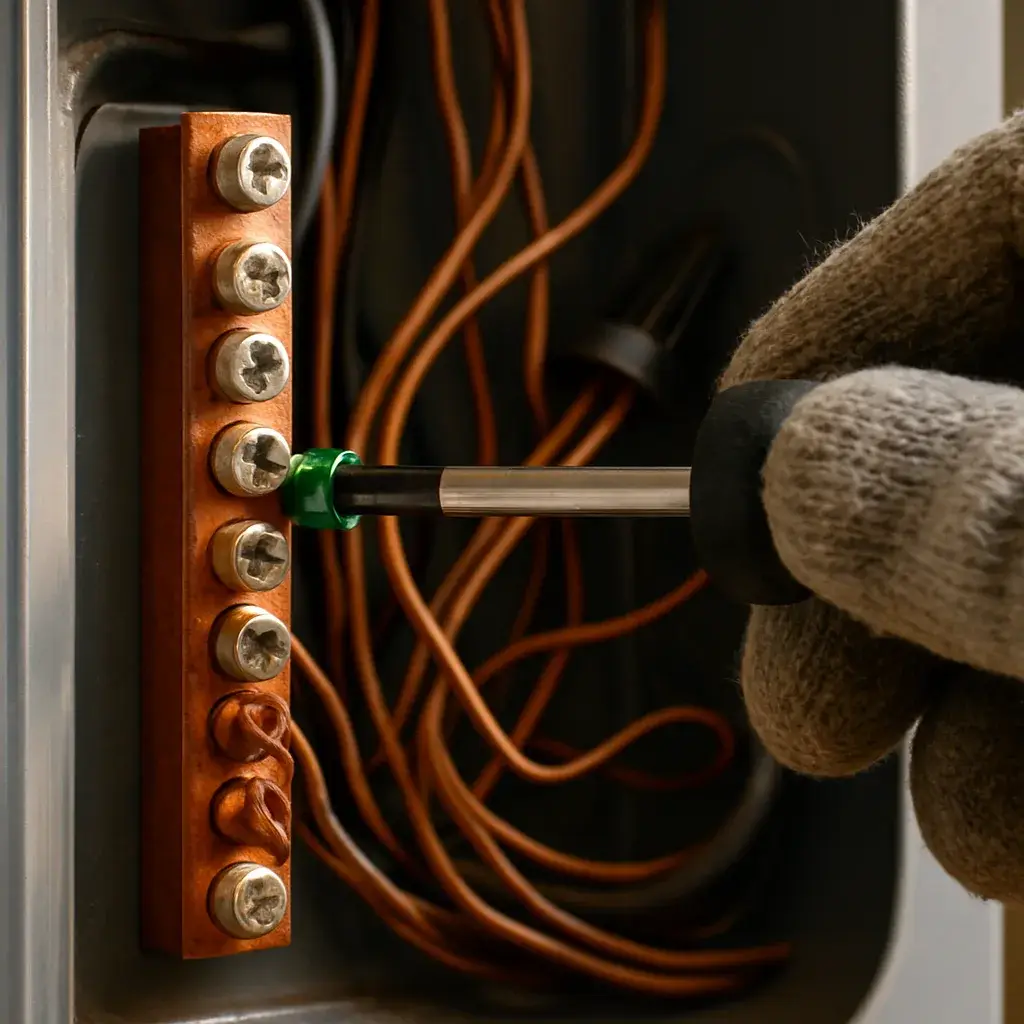
We get calls constantly from folks halfway through a garage build who just found out there’s nowhere left to plug in a new circuit. That’s the moment they need a subpanel, not a new main panel. A lot of homes around Sunnyvale still run on 100-amp service from when they were built, and that number just doesn’t stretch far once you add power tools, a shop fridge, or extra lighting.
- No open breaker slots left in the main panel, even for a small addition
- Breakers trip when you run two things at once, like a table saw and a shop light
- Lights dim or flicker somewhere in the house when a big tool starts up
- Your panel is already labeled full or double-tapped from a past project
- You’re planning a garage, detached shop, or addition that needs its own dedicated circuits
Notice two or three of these? That’s not a coincidence, that’s a panel telling you it’s out of room.
When You Don’t Need a Full Subpanel
Not every electrical upgrade in a Sunnyvale home requires a subpanel. Many homeowners call assuming they need one after adding a hot tub, workshop tool, or EV charger, when in reality their existing main panel already has the capacity and open breaker slots to handle the new load. If your panel was updated within the last fifteen years and shows two or more unused slots, a licensed electrician may simply need to run a new dedicated circuit rather than install an entirely separate subpanel.
This distinction matters because subpanel installation involves permits, load calculations, and often a full day of labor, while a dedicated circuit or new outlet can sometimes be completed in a few hours. Homes in Sunnyvale’s newer subdivisions with 200-amp service installed after 2005 frequently have this extra room built in, since builders anticipated future demand for things like kitchen remodels or garage EV charging.
A trustworthy electrician will always check your panel’s amperage rating, available slots, and total connected load before recommending a subpanel. If the math works without one, you should be told that directly, even if it means a smaller invoice. Conflating a simple outlet or switch job with subpanel-level work is a common upsell tactic, and it is one worth watching for when getting quotes from unfamiliar contractors.
- Two or more open breaker slots with headroom on your main panel’s amp rating
- Adding a single appliance, outlet, or light circuit rather than multiple new circuits
- No plans for major additions like an ADU, workshop, or second EV charger
- A panel inspection confirms your service size already exceeds your household’s calculated load
On the other hand, if your Sunnyvale home still has an older 100-amp panel, is completely full of breakers, or you are planning multiple upgrades at once, a subpanel becomes the more practical long-term solution. The goal is always matching the scope of work to your actual electrical needs, not selling a bigger project than your home requires. A short phone consultation or on-site panel check is usually enough to determine which category your situation falls into before any work begins.
How Subpanel Installation Works From Start to Finish
A properly executed subpanel installation in Sunnyvale follows a consistent sequence designed to protect your home’s electrical system while adding reliable capacity. Whether the subpanel is feeding a converted garage, an ADU, or a kitchen remodel with new circuits, the underlying process stays the same. Understanding each phase helps homeowners know what questions to ask and what to expect on installation day.
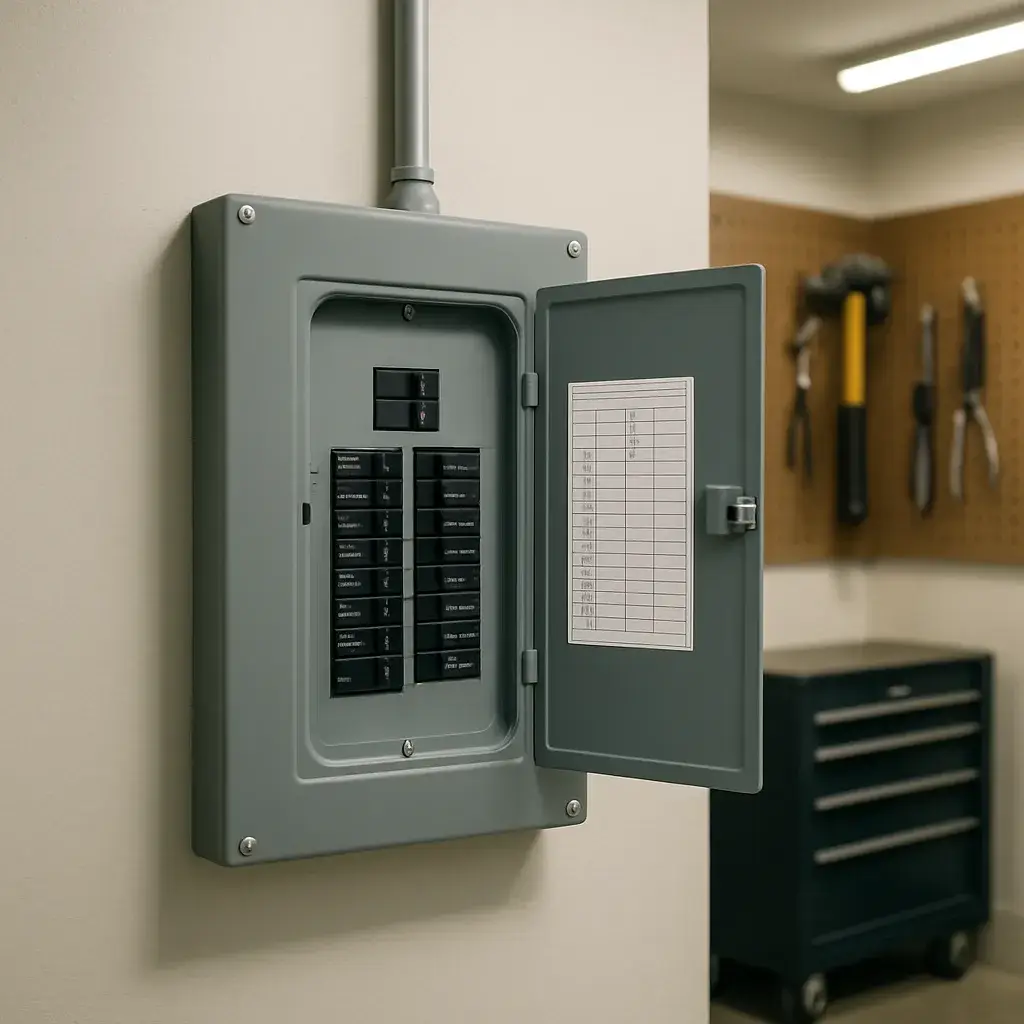
- Assess main panel capacity: An electrician checks your existing service size, available breaker slots, and load calculations to confirm the main panel can safely support a new subpanel without overloading the system.
- Size the subpanel and feeder: Based on the intended load, whether it’s a workshop, ADU, or EV charger circuit, the correct amperage subpanel and matching feeder wire gauge are selected to meet code and future needs.
- Run conduit: Conduit is routed from the main panel to the subpanel location, whether through a garage wall, crawlspace, or exterior run, protecting wiring and meeting Sunnyvale permit requirements.
- Mount and wire the subpanel: The subpanel enclosure is securely mounted, breakers are installed, and feeder conductors are connected according to the load calculation.
- Ground and bond the system: Proper grounding and bonding are established between the subpanel and the main service to ensure safety and code compliance.
- Start up and test: Power is restored, breakers are energized one at a time, and voltage, amperage, and connections are tested to confirm everything operates correctly.
- Inspect: A final walkthrough and, where required, a city inspection confirm the installation meets Sunnyvale electrical code before the job is closed out.
Most Sunnyvale homes experience only a brief power interruption during the changeover, typically under an hour, since the main panel must be de-energized to safely connect the new feeder. Electricians usually schedule this window in advance so homeowners can plan around it, and refrigerators, medical equipment, or home offices can be temporarily powered by other means if needed.
The scope of work typically includes the subpanel itself, all required materials, the feeder wire, grounding components, and post-installation testing, so there are no surprise add-ons once the job begins. This bundled approach reflects how most licensed Sunnyvale electricians structure their subpanel installation pricing, giving homeowners a clear picture of what’s covered from the first walkthrough to the final test.
Not sure what your Subpanel installation project needs? Ask us.
Call Today, Get Service Today. Xtreme Air Services is ready to help.
What Affects Subpanel Installation Cost
Every subpanel job in Sunnyvale is a little different, and the price reflects that. We see this every single week, two houses on the same street, same size garage, and the quote comes in different because the panel location isn’t the same.
The most common job we run, a new subpanel fed from the main panel to add capacity for a garage, addition, or shop, typically lands between $700 and $1,100 once it’s inspected and tested. That number moves based on a handful of real factors, not guesswork.
- Subpanel amperage, a 100-amp panel costs less to run than a 200-amp one
- Distance from the main panel, longer feeder runs mean more wire and more labor
- Conduit or feeder routing, running through a slab or brick wall takes more time than an open attic run
- Number of circuits you want fed from the new panel
- Access to the panel location, a cramped garage corner slows things down
- Code upgrades or permit requirements tied to your home’s age
So what’s included? Your subpanel, the materials, the feeder wire, grounding, plus startup and testing. What’s not included: any main panel upgrade, branch circuits beyond the original scope, or code corrections found along the way. Ask about that split before you sign anything, it matters.
Financing is available on qualifying installations, so a bigger job doesn’t have to wait for a bigger check. And our pricing is flat-rate and approved before we touch a wire, so there’s no surprise at the end.
Permits, Code, and Utility Coordination Before You Dig In
Before a single wire is pulled, a subpanel installation in Sunnyvale has to clear three separate hurdles: licensing, code compliance, and utility coordination. Texas does not leave electrical work to chance. Anyone performing this job must be licensed under the Texas Department of Licensing and Regulation, governed by Texas Occupations Code Chapter 1305. This means the electrician sizing your subpanel, calculating your load, and pulling your permit is legally accountable to the state, not just to your homeowners association or your own preference for a quick fix.
Once licensing is confirmed, the actual design and installation must follow NFPA 70, better known as the National Electrical Code. For subpanels specifically, two areas draw the most scrutiny during inspection: working clearance and overcurrent protection. NEC requires a minimum of three feet of clear working space in front of the panel, thirty inches of width, and adequate headroom, so a subpanel tucked behind storage shelving or squeezed next to a water heater will likely fail inspection outright. Overcurrent protection rules govern how the feeder breaker in the main panel is sized relative to the subpanel’s busbar rating and the wire gauge feeding it, which is where undersized installations most often create fire risk.
Sunnyvale homes and businesses are served by Oncor Electric Delivery, not a California utility, so any question about service capacity, meter upgrades, or temporary disconnects goes through Oncor’s process specifically. If your subpanel project coincides with a service upgrade or if the main panel is at or near capacity, Oncor coordination becomes a required step rather than an optional courtesy call.
- Confirm the contractor holds an active TDLR electrical license before work begins
- Verify the subpanel location meets NEC clearance requirements for access and working space
- Check that feeder wire and breaker sizing match overcurrent protection rules for the subpanel’s rating
- Contact Oncor Electric Delivery if the project involves a meter upgrade, service disruption, or added load
- Pull a local electrical permit and schedule the required inspection before the panel is energized
Skipping the permit step is one of the more common mistakes homeowners make when trying to save time. An uninspected subpanel can complicate a home sale, void portions of a homeowner’s insurance claim, and in some cases force costly rework if a licensed electrician later has to open walls to verify hidden connections.
Frequently Asked Questions
Common questions about Subpanel installation
How quickly can you get out to look at my panel in Sunnyvale?
Most Sunnyvale homeowners can get a panel inspection scheduled within a few days of calling. We start with a quick phone conversation about your project, whether it’s a garage build, ADU, or workshop, then set up an on-site visit to check your amperage, breaker slots, and load. This lets us tell you upfront whether you need a subpanel or just a dedicated circuit, so you’re not paying for more work than your home requires.
What should I expect when the electrician arrives for a subpanel installation?
You should expect a walkthrough of your main panel and the planned subpanel location before any tools come out. We check your service size, count open slots, and confirm the feeder route through your garage wall, crawlspace, or exterior run. We’ll also flag the short power interruption, usually under an hour, so you can plan around it if you have a fridge or home office to think about.
Why do so many Sunnyvale homes need a subpanel for a garage or shop?
A lot of Sunnyvale homes still run on 100-amp or 125-amp service from when they were built, and that just doesn’t leave room once you add a welder, mini-split, or shop lighting. The panel was sized for the original house load, not a future workshop or addition. Once you’re out of open breaker slots or breakers start tripping under load, a subpanel is usually the practical fix instead of upgrading the whole main service.
Do I need a permit for subpanel installation in Sunnyvale?
Yes, subpanel installations in Sunnyvale typically require a permit and a final city inspection before the job is considered complete. This confirms grounding, bonding, and feeder sizing all meet code. A licensed electrician handles the permit paperwork and schedules the inspection as part of the installation, so you don’t have to coordinate with the city yourself.
How do I know if I need a full subpanel or just a new circuit?
You likely just need a new circuit if your main panel has two or more open slots and enough amperage headroom for the new load. A subpanel makes more sense if your panel is already full, still running on 100-amp service, or you’re planning multiple upgrades like an ADU plus an EV charger. A short on-site check of your slots and load calculation is the fastest way to know which one fits your home.
Ready to Get Started?
Call 972-288-2263 Today, Get Service Today.