


Ductwork Inspection in Sunnyvale: Find Hidden Leaks Before They Cost You
Attic runs inspected for separated joints, crushed flex, and missing insulation, with static pressure measured so the report names a cause, not a symptom.
What’s Covered on This Page
- Signs Your Ductwork Needs a Professional Inspection
- What Happens During a Ductwork Inspection Visit
- Skip the Call If These Simple Fixes Solve It First
- How Ductwork Inspection Pricing Works
- Attic Ductwork Built for Sunnyvale Heat
- How fast can you get out to inspect my ductwork in Sunnyvale?
- What should I expect when the technician shows up?
- Why do Sunnyvale homes seem to have more duct problems than other areas?
- Do I need duct repairs, or just simple maintenance fixes first?
- Can pests get into my ductwork in the attic?
- How long does a ductwork inspection take?
Signs Your Ductwork Needs a Professional Inspection
Many Sunnyvale homeowners assume a struggling air conditioner is always to blame when a bedroom stays hot while the living room feels fine, but the real culprit is often a leaky or disconnected duct run losing conditioned air into the attic before it ever reaches the vent. This is especially common in homes built before stricter duct sealing standards, where flexible ductwork snakes through attic spaces exposed to triple-digit heat for months at a time.
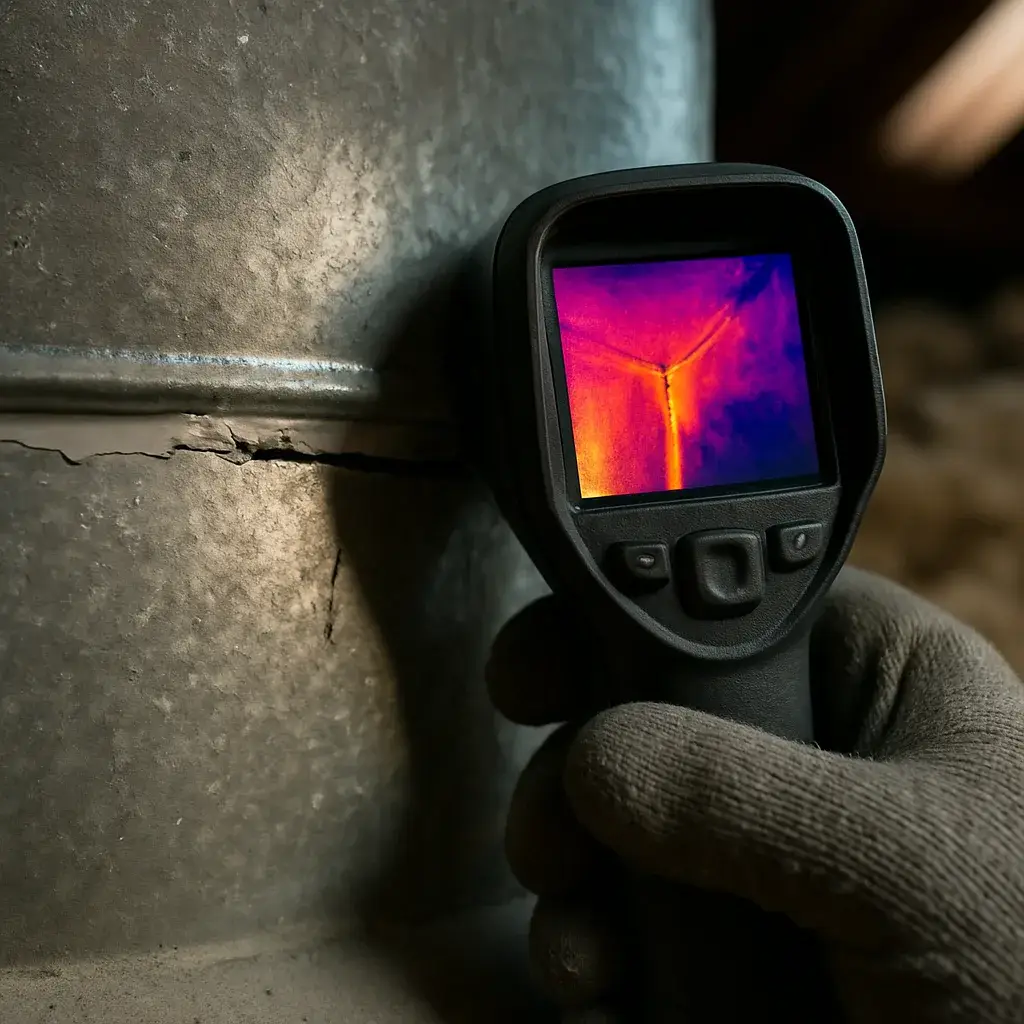
North Texas summers, as documented in National Weather Service Fort Worth climate records, routinely push attic temperatures well above 130 degrees. That sustained heat dries out duct insulation, weakens mastic seals, and causes joints to separate faster than in milder climates. Over several summers, this cycle turns small gaps into significant leaks that waste conditioned air and force the system to run longer to reach the thermostat setting.
- Certain rooms are noticeably hotter or colder than others despite a properly functioning thermostat
- Monthly energy bills have crept up without a matching increase in usage or equipment age
- Dust or debris collects heavily around supply vents shortly after cleaning
- A musty or stale odor is present when the system first kicks on
- Scratching sounds, droppings, or nesting material are visible near attic duct runs
- Rooms farthest from the air handler take much longer to cool
Each of these symptoms points to a different possible issue, from torn flex duct and separated joints to pest damage or insulation loss, and only a hands-on inspection can tell them apart. A technician who opens up the attic access, checks static pressure, and visually traces each run can identify whether the fix is a resealed seam, a section of replaced ductwork, or improved attic insulation around the duct path.
What Happens During a Ductwork Inspection Visit
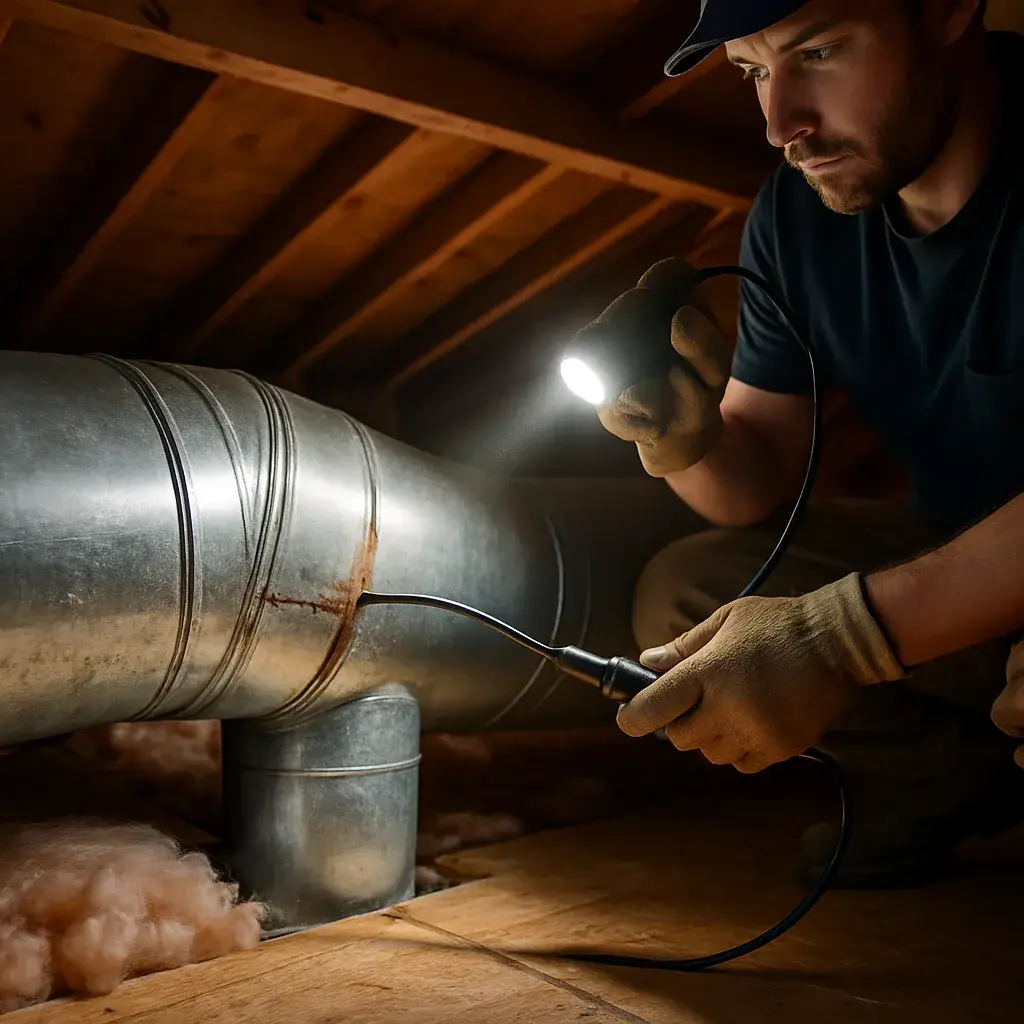
So what happens when we show up? Nothing fancy. We’re not tearing your ceiling apart or making a mess. A technician walks through your home first, and asks what you’ve noticed, hot rooms, weird smells, dust buildup around the vents. Then we go find the ductwork itself, usually in the attic, sometimes in a crawlspace under an older slab home.
- We check every accessible run of duct for tears, disconnected joints, and crushed sections, common in attics where temps swing 40 degrees or more between morning and afternoon.
- We look at the insulation wrap for gaps, sagging, or spots chewed up by pests, a real issue in older Sunnyvale homes with original ductwork.
- If airflow seems off room to room, we’ll test it at the registers to see where you’re losing pressure.
- For anything we can’t see with the naked eye, we can run a camera through the line to check for blockages or buildup.
- We write up what we found in plain language, no code numbers you need a decoder ring for, and hand you a clear list of what needs attention and what doesn’t.
That written summary is the whole point of the visit. You’re not paying for a guess, you’re paying for a real answer you can act on, or not.
Most inspections take under an hour, longer if attic access is tight or if we’re running the camera through several runs. And here’s the thing, we don’t push repairs on the spot. We finish the walkthrough, explain what we found, and let you decide the next step with our licensed and insured team, no pressure either way.
Skip the Call If These Simple Fixes Solve It First
Before you schedule a ductwork inspection in Sunnyvale, spend fifteen minutes checking three things that cause a surprising number of comfort complaints in homes across Sunnyvale and nearby towns like Mesquite, Forney, and Balch Springs. Many calls we get for uneven cooling or a stuffy back bedroom turn out to be simple maintenance issues, not duct leaks or blockages. Ruling these out first saves you money and helps you describe the problem more accurately if a technician does need to come out.
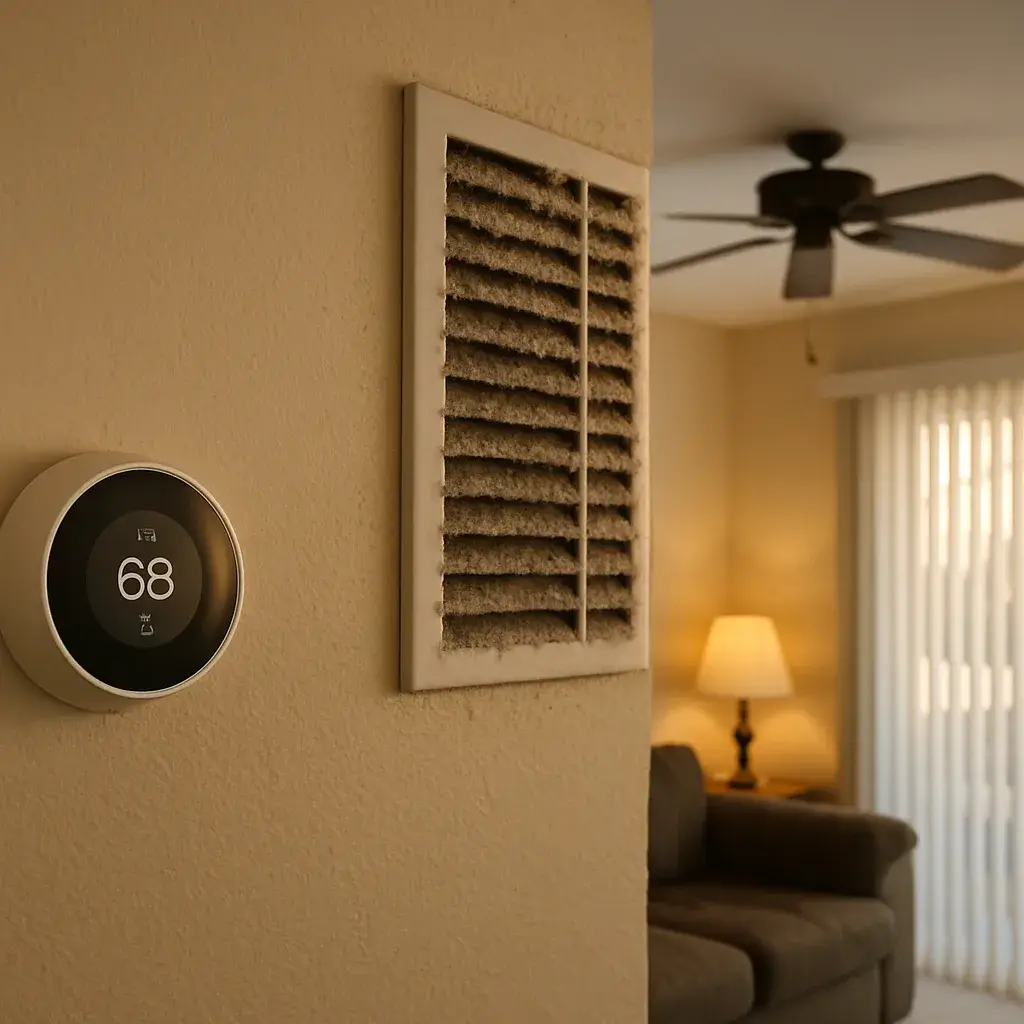
- Check the air filter first. A filter clogged with dust, pet hair, or pollen from the dry Sunnyvale summer restricts airflow across the entire system, mimicking the symptoms of a duct blockage. If it has been more than 60 to 90 days, replace it and see if airflow improves within a day.
- Walk the house and check every supply register. It is common for a previous owner or tenant to have closed vents in unused rooms to save energy, which throws off the balance of the whole system and starves other rooms of air.
- Look for furniture, rugs, curtains, or storage boxes blocking vents or return grilles. A couch pushed against a floor register or a bed frame covering a wall vent can choke off airflow just as effectively as a collapsed duct section.
- Confirm the thermostat fan setting is on Auto rather than On, since a fan running constantly can create the illusion of weak airflow at certain registers.
If comfort improves noticeably after making these adjustments, there is a good chance your ductwork is fine and the issue was simply maintenance or setup related. Give it a full day or two of typical use before deciding, since temperature swings in Sunnyvale homes can take some time to even out after a fix.
We would rather tell you to try these steps first than send someone out for a paid visit you did not need. If airflow problems, hot and cold rooms, or musty odors persist after checking the filter, registers, and vent clearance, that is a strong signal something inside the duct system itself needs a trained eye.
Ready when you are – get in touch today.
Call Today, Get Service Today. Xtreme Air Services is ready to help.
How Ductwork Inspection Pricing Works
Most ductwork inspections in our area run between $100 and $350. That’s a real range, not a teaser number, and where you land inside it depends on your house.
The most common visit we run is a straight-up ductwork inspection, checking for leaks, blockages, and bad insulation, then handing you a written summary with clear next steps. That job typically falls between $100 and $200. No repairs happen during this visit. We look, we document, we tell you straight what we found.
- System size and layout, a small ranch home with one trunk line takes less time than a sprawling newer subdivision house with zoned ductwork
- Attic or crawlspace access, tight attic hatches and low-clearance crawlspaces slow things down and add labor
- Whether you need camera or airflow testing on top of the visual check, that’s extra diagnostic work
Here’s something folks don’t expect. If you go ahead with follow-up work after your inspection, that inspection fee often gets credited toward the repair. So you’re not paying twice to fix the same problem.
Our service-call fee runs $26 to $99, and it’s credited toward the repair if you move forward with us. Financing isn’t typically offered for a job this size, we save that for bigger repairs and full system replacements. But an inspection shouldn’t need financing. It’s the smallest, most straightforward call you’ll make about your ductwork.
Attic Ductwork Built for Sunnyvale Heat
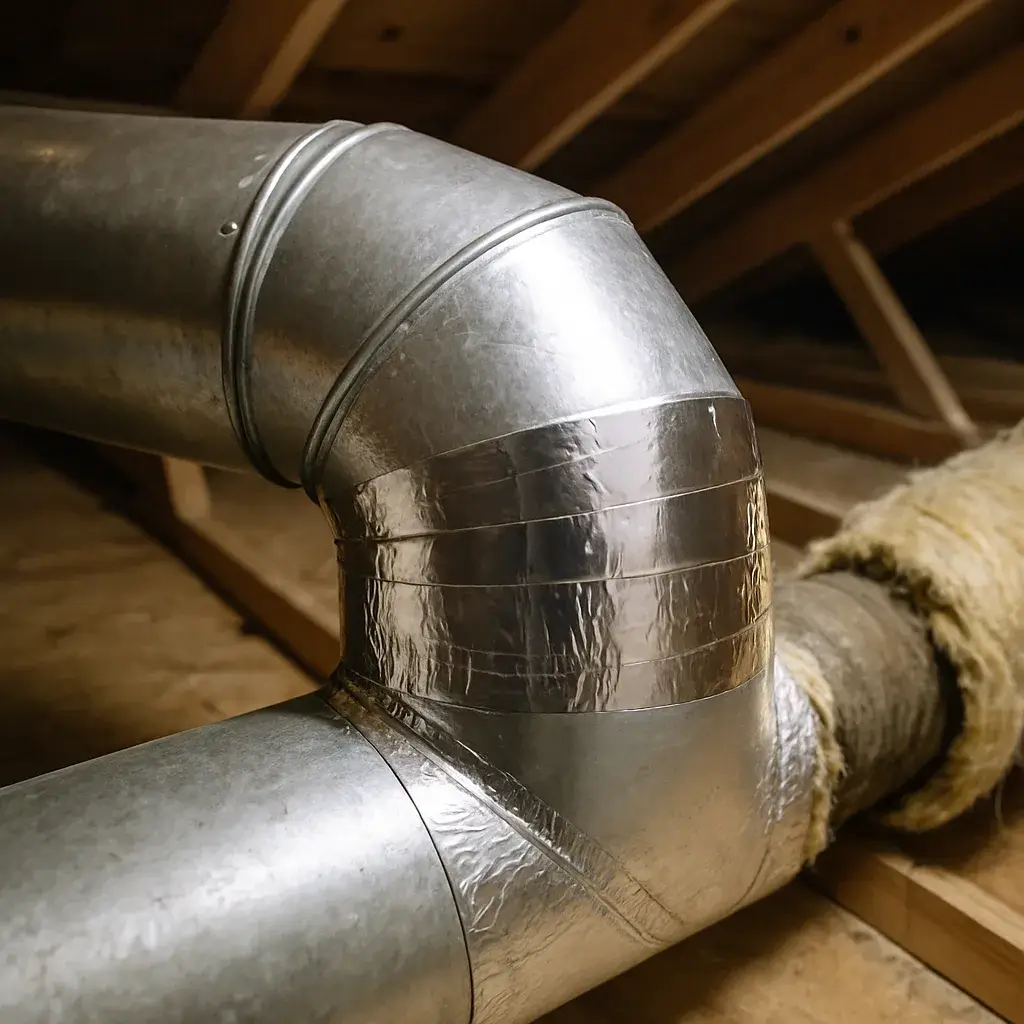
Walk through almost any neighborhood in Sunnyvale, from the older ranch-style homes near Tripp Road to newer builds off Collins Road, and you will find the same construction pattern repeated block after block: a slab foundation with no basement or crawlspace, which means the entire duct system has nowhere to go but up into the attic. That single fact shapes nearly everything about how ductwork ages in this city. Unlike homes with basement ductwork that stays in a relatively stable temperature zone year-round, Sunnyvale attics routinely climb past 120 degrees Fahrenheit on summer afternoons, baking metal and flexible ducts, mastic seals, and surrounding insulation for months at a time.
That sustained heat exposure is not a minor inconvenience. It is a primary mechanical stressor. Metal ductwork expands and contracts daily as attic temperatures swing from cool mornings to scorching afternoons, and over years that cycling works seams loose, cracks mastic seals, and pulls flex duct connections away from collars. Insulation wrapped around ducts also degrades faster under prolonged heat exposure, losing its R-value and compressing in ways that reduce its effectiveness even when it looks intact from a quick glance. A duct system that might last two decades in a moderate basement environment often shows measurable seam separation and insulation breakdown within twelve to fifteen years inside a Sunnyvale attic.
- Attic ducts exposed to repeated 120°F+ heat cycles are prone to seam separation at joints and collars
- Compressed or degraded attic insulation around ductwork reduces cooling efficiency during peak summer months
- Slab foundation construction means there is no alternative routing path, so nearly every home shares this exposure risk
- Older Sunnyvale homes with original 1960s-1980s ductwork are especially likely to show heat-related wear during inspection
Because attic ductwork carries higher failure risk in this climate, inspections need to be performed by someone properly credentialed to evaluate and document what they find. Texas requires HVAC contractors performing this kind of air conditioning and refrigeration work to hold a TDLR ACR license, and homeowners should confirm that credential before allowing anyone into their attic system. Xtreme Air Services holds HVAC License #TACLA29023C, which means every inspection is backed by state-recognized licensing rather than informal guesswork.
Frequently Asked Questions
Common questions about Ductwork inspection
How fast can you get out to inspect my ductwork in Sunnyvale?
Most Sunnyvale ductwork inspections can be scheduled within a day or two of your call. We know summer heat makes comfort problems feel urgent, so we try to fit you in quickly during peak months. When you call, tell us what you’ve noticed, like a hot bedroom or musty smell, so we can bring the right tools. A typical visit takes under an hour unless attic access is tight or we need to run a camera through several duct runs. Call 972-288-2263 to get on the schedule.
What should I expect when the technician shows up?
You should expect a quick walkthrough first, then a hands-on check of your ductwork, usually in the attic. We ask what you’ve noticed around the house, then trace each duct run for tears, disconnected joints, and crushed sections. We check insulation for gaps or pest damage, test airflow at the registers, and use a camera if something looks off. You get a written summary in plain language at the end. Nothing gets torn apart, and we don’t push repairs on the spot.
Why do Sunnyvale homes seem to have more duct problems than other areas?
North Texas summer heat is the main reason ductwork breaks down faster here. Attic temperatures routinely climb above 130 degrees for months at a time, and that sustained heat dries out insulation and weakens the mastic seals holding duct joints together. Homes built before stricter sealing standards, common across older parts of Sunnyvale, are especially prone to seam separation after several summers of this cycle. Small gaps become real leaks that waste conditioned air and make your system run longer than it should.
Do I need duct repairs, or just simple maintenance fixes first?
Try simple fixes first, since many comfort complaints turn out to be maintenance issues, not duct problems. Check your air filter, make sure supply registers aren’t closed or blocked by furniture, and confirm your thermostat fan is set to Auto. Give it a day or two after making changes. If hot rooms, musty odors, or high energy bills stick around after that, your ductwork likely needs a real inspection. We’d rather you skip a paid visit if a filter swap solves it.
Can pests get into my ductwork in the attic?
Yes, pests are a real problem for older Sunnyvale homes with original ductwork and insulation wrap. Scratching sounds, droppings, or nesting material near attic duct runs usually mean an animal has chewed through insulation or damaged a duct section. This creates air leaks and can affect indoor air quality, not just comfort. During your inspection, we check the insulation wrap specifically for chew marks and gaps caused by pest activity, and we’ll tell you plainly if that’s what’s driving your symptoms.
How long does a ductwork inspection take?
Most inspections take under an hour from start to finish. It runs longer if your attic access is tight or if we need to run a camera through multiple duct sections to check for blockages. We walk the whole system first, then explain what we found in plain terms before you decide on next steps. There’s no pressure to book repairs the same day. You get a clear answer either way, which is the whole point of having someone take a real look.
Ready to Get Started?
Call 972-288-2263 Today, Get Service Today.