


Water Softener Installation in Sunnyvale: Licensed Plumbers, Hassle-Free Setup
Licensed installation of a whole-home softener, sized to your water and plumbed to protect the pipes and appliances hard water is already wearing down.
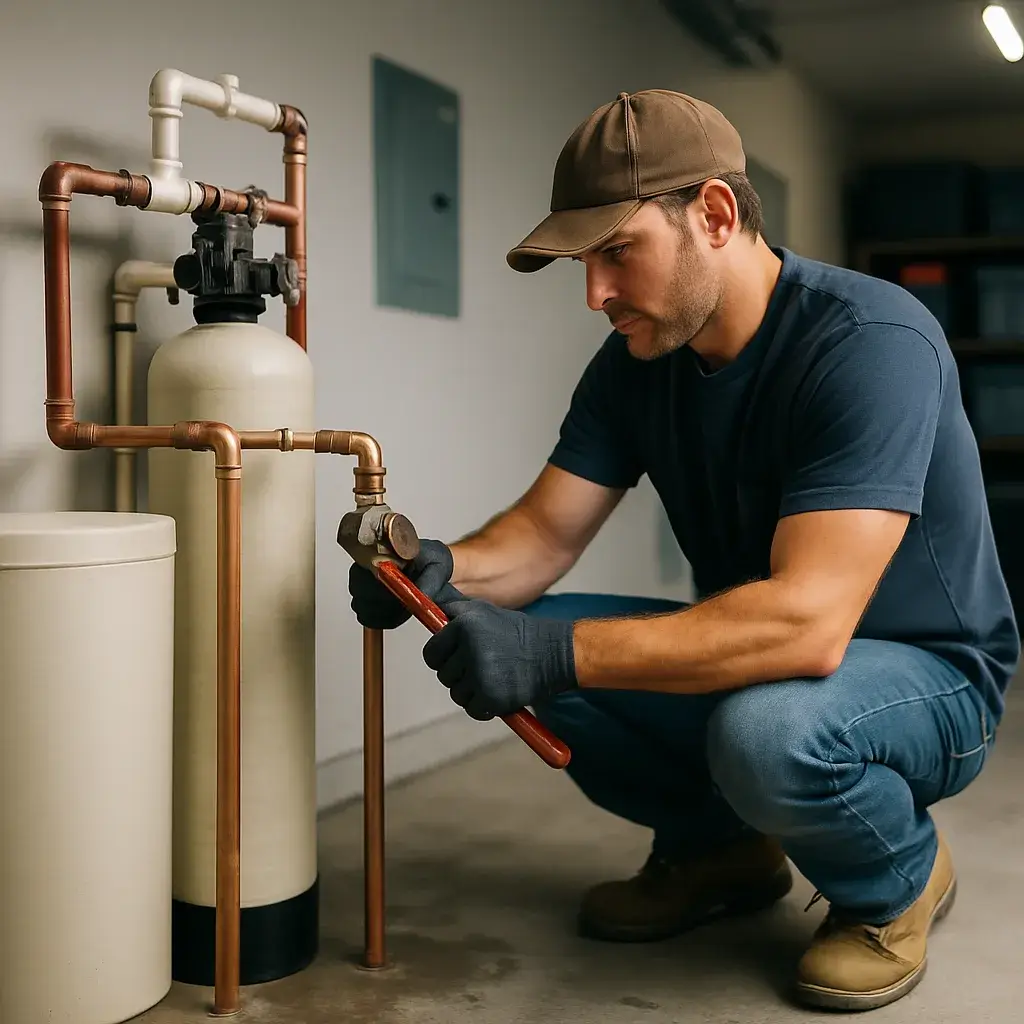
What’s Covered on This Page
- Signs You Need a Water Softener
- Whole-Home Softener vs. Point-of-Use Filtration
- Water Softener Installation in Sunnyvale: How the Process Works
- What Drives Installation Cost Up or Down
- Protecting Plumbing Through North Texas Weather
- How long does water softener installation take in Sunnyvale?
- What should I expect when the plumber arrives to install my softener?
- Do older Sunnyvale homes need extra work for water softener installation?
- Can I install a water softener myself instead of hiring a plumber?
- How do I know if I need a whole-home softener or just a filter?
- Do I need a permit for water softener installation in Sunnyvale?
Signs You Need a Water Softener
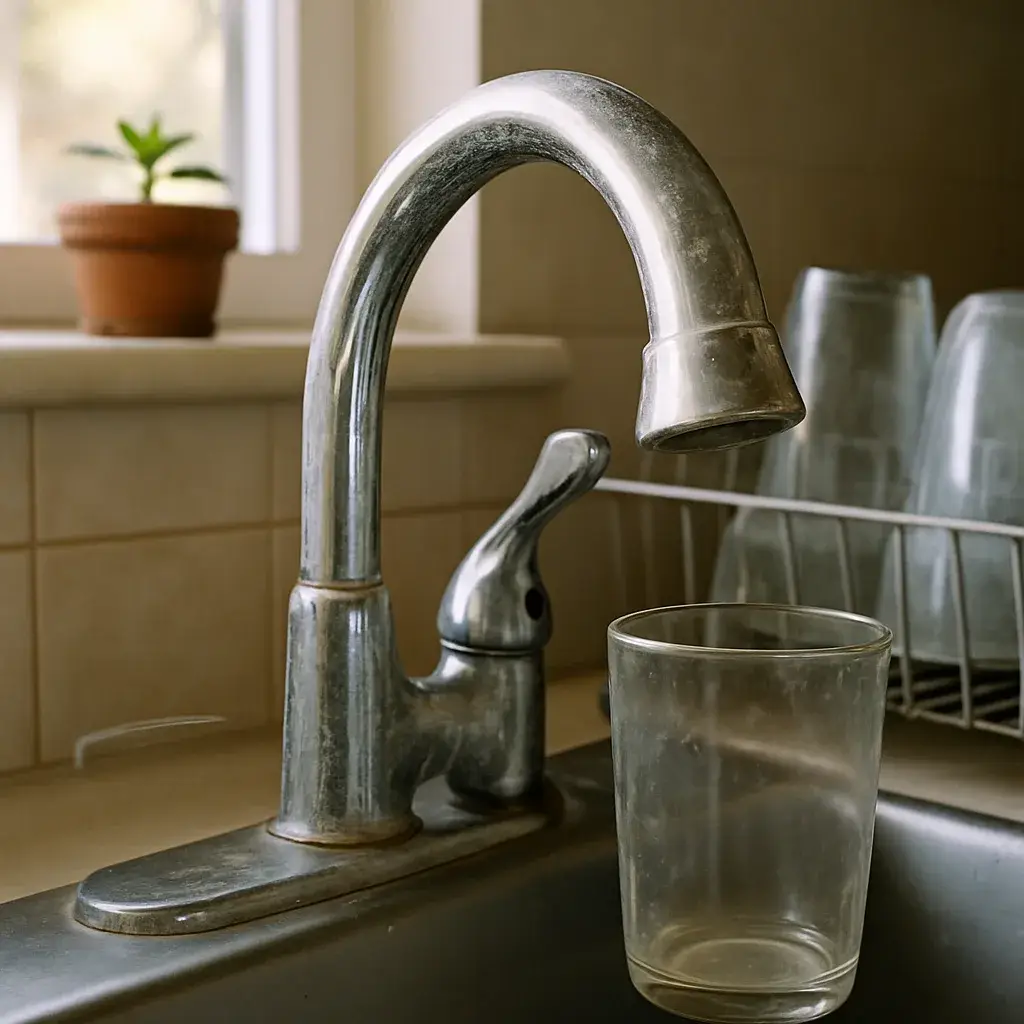
How do you know it’s your water and not just old fixtures? Look at your shower head first. If it’s crusted with white or gray buildup, that’s mineral scale. The same goes for your coffee maker and kettle.
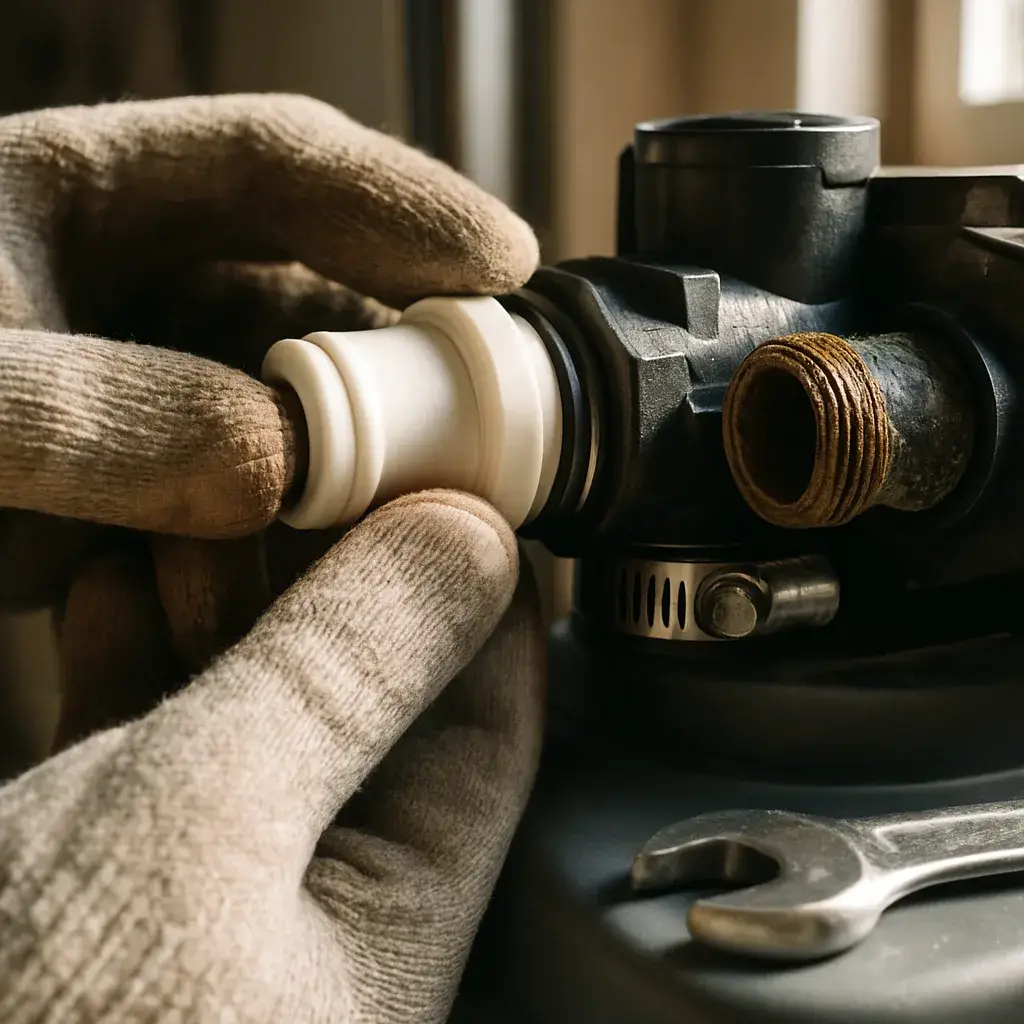
We get calls all the time from folks whose water heater failed way before it should have. They are shocked when we tell them scale buildup on the tank’s heating element is usually the culprit. Here in Sunnyvale, homes on well water or older municipal lines tend to run harder than newer subdivisions, so the wear shows up faster.
- White or chalky spots on dishes, glasses, and shower doors that won’t scrub off
- Soap and shampoo that won’t lather, and skin or hair that feels dry after a shower
- Faucets, shower heads, and pipe fittings with a crusty buildup around the openings
- Laundry that comes out stiff or dingy, even with a full load of detergent
- A water heater that’s noisy, slow to heat, or needs repairs earlier than expected
Run your hand along the inside of a glass baking dish after it dries. Feel a gritty film? That’s mineral residue, and it’s the same stuff building up inside your pipes where you can’t see it.
Not every one of these signs means you need a softener today. But if you’re nodding along to three or more, it’s time to stop guessing and get your water looked at.
Whole-Home Softener vs. Point-of-Use Filtration
A pitcher filter or a filter on your fridge line makes your drinking water taste better. It does nothing for your water heater, your washing machine, or the shower where your kids are getting scale buildup on their skin. Water softener installation at the main line treats every drop that enters your house, before it hits a single pipe or appliance.
Which one do you need? If your only complaint is the taste of tap water, a point-of-use filter under the kitchen sink might be enough. But if you’re dealing with white crust on faucets, dull dishes, or a water heater working harder than it should, that’s a whole-house problem. Point-of-use won’t touch it.
- Point-of-use filters treat one tap. A whole-home softener treats every fixture, every appliance, every shower.
- Softeners protect your water heater and pipes from scale buildup over time. Filters can’t do that.
- Many homes in Sunnyvale run on municipal water with mineral content high enough to leave spots on glassware within days.
- Filters need frequent cartridge swaps. A softener runs on a regeneration cycle and salt refills.
We see this every week. Someone calls after buying a shower filter online, expecting it to fix hard water throughout the house. It doesn’t work that way. A softener installed at the main supply line, right where water enters your home, is the only setup that protects your plumbing and your appliances at the same time. That’s the whole point of doing it right the first time.
Water Softener Installation in Sunnyvale: How the Process Works
Most homes in Sunnyvale sit on a slab, and the main water line usually comes up near the garage or a utility closet. That’s where we start. A softener only works if it’s tied in at the right spot, ahead of your water heater, so every fixture in the house gets treated water. Here’s how a typical job runs from start to finish.
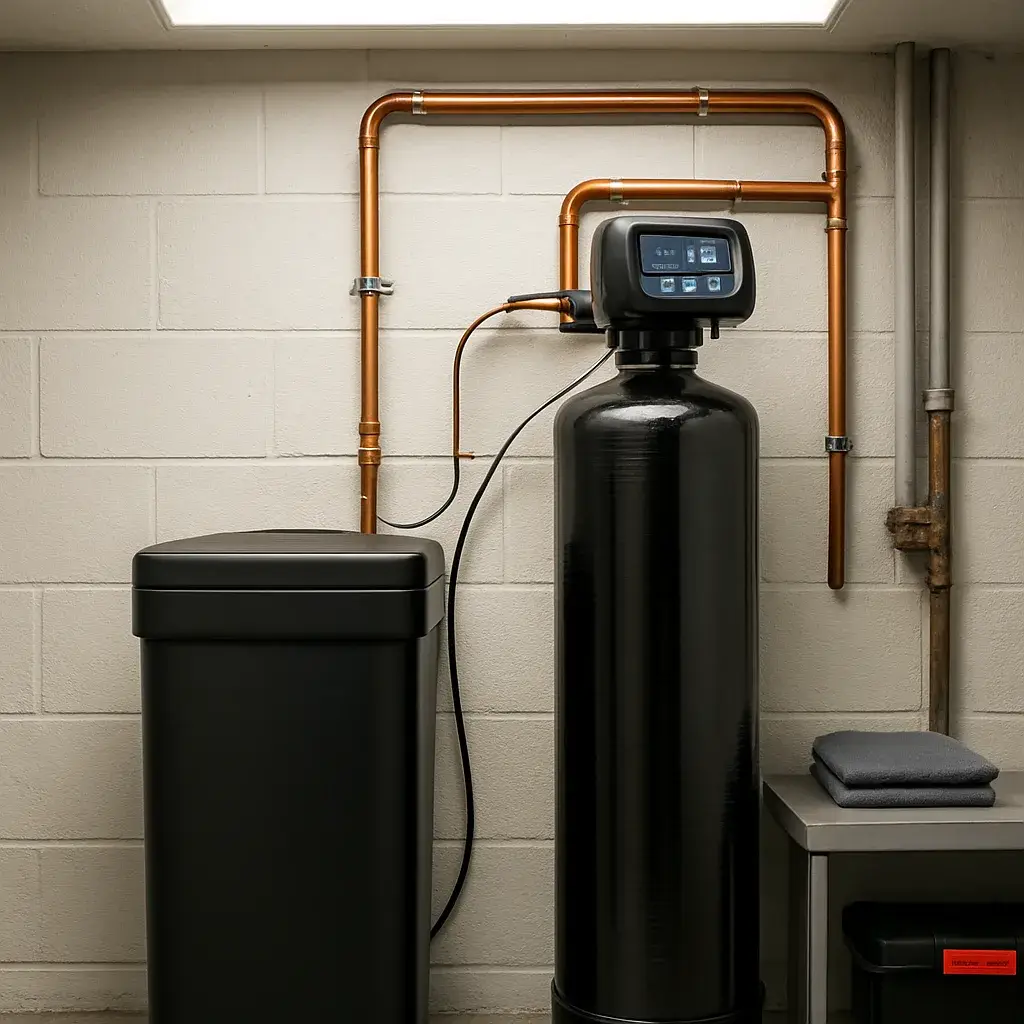
- We shut off the main and find the best spot to tie in, usually right after the regulator.
- We install a bypass valve so you can still get water to the house if the softener ever needs service.
- We connect the drain line, since the unit needs somewhere to send the backwash water during regeneration.
- We set the resin tank and brine tank, level them, and secure the plumbing connections.
- We program the control head to match your water hardness and household size.
- We run water through the system, check every joint for leaks, and test water hardness at a fixture.
- We haul away your old unit if you had one, and walk you through the salt and settings.
Older homes near the Dallas County side of town sometimes have galvanized supply lines that need an extra fitting or two. We catch that during the walkthrough before we start cutting pipe. Newer subdivision homes usually go faster since the plumbing is already set up clean. Either way, most installs finish the same day.
That’s the whole job, no mystery to it. We just do each step right so you’re not calling us back in six months.
Have questions? We’re happy to help.
Call Today, Get Service Today. Xtreme Air Services is ready to help.
What Drives Installation Cost Up or Down
Every water softener job starts the same way, at your main water line, but no two houses get there the same way. We size up your home first. A family of five in a newer subdivision needs more capacity than a couple in a smaller place. That alone changes what unit fits your water use.
Then there’s your plumbing. Homes built decades ago around Sunnyvale often have galvanized pipe or fittings that don’t play nice with a new bypass valve. If we hit corroded pipe or a setup that needs extra fittings to connect safely, that adds labor. Newer homes usually go faster because the connections are already modern and ready.
Drain access matters more than folks expect. The softener needs a nearby drain line for backwash water. If your laundry room or utility closet already has one close by, that’s simple. If we have to run new drain line across the garage or under the slab, that’s more work.
- Softener capacity and type: bigger households and harder water need bigger units
- Condition of existing plumbing: older galvanized pipe takes more time to adapt
- Drain access: distance from the softener location to a usable drain line
- Added pre-filters or a loop: if you want extra filtration or there’s no existing loop to tie into
- Code upgrades: older systems sometimes need a correction before a new softener can connect safely
Hard water here isn’t gentle. That scale buildup on faucets and inside your water heater is real, and it’s worth handling right the first time instead of patching around it. Not sure which of these applies to your house? That’s exactly why we look at the whole setup before quoting anything.
Protecting Plumbing Through North Texas Weather
Sunnyvale plumbing already fights a hard fight. The clay soil under most homes here shifts with the seasons, pulling and pushing on slab foundations and the pipes running through them. Add scale buildup from hard water and you’re asking galvanized fittings, water heater elements, and valve seats to handle two stresses at once.
Summer heat bakes attic-run lines and pushes water heaters harder to keep up with demand. Scale acts like insulation inside a tank, so the heater works longer and hotter to do the same job. Then winter brings a hard freeze, pipes contract, and any weak spot already thinned by scale is more likely to crack or leak.
That’s the real case for a whole home softener. It’s not just about spots on your shower glass. Less scale means less strain on your water heater, less buildup inside faucets and valves, and fewer weak points when temperatures swing hard in either direction.
A properly connected bypass and drain line matter here too. If the install isn’t done right, you can end up with a softener that’s not protecting anything. Or worse, it could add a new leak point to a system already under stress from soil movement and temperature swings.
We see this every week: homes where the water heater failed years early and nobody connected it back to scale.
Frequently Asked Questions
Common questions about Water softener installation
How long does water softener installation take in Sunnyvale?
Most water softener installations finish the same day. A typical job runs a few hours from shutoff to final leak check, since we tie in at the main line near your garage or utility closet. Homes with galvanized pipe near the Dallas County side of town sometimes need an extra fitting, which can add time. Newer subdivision homes usually move faster because the plumbing is already set up clean. We offer same-day service six days a week, so you’re not waiting around for hard water to get worse.
What should I expect when the plumber arrives to install my softener?
You should expect a walkthrough first, then the actual install. We check your main line, look for galvanized pipe or drain access issues, and confirm where the softener will sit. After that, we shut off the main, tie in a bypass valve, connect the drain line, and set the resin and brine tanks. We test water hardness at a fixture before we leave and haul away your old unit if you had one. Our plumbers are licensed, bonded, and insured for your protection.
Do older Sunnyvale homes need extra work for water softener installation?
Yes, older homes sometimes need extra fittings before installation. Many houses built decades ago around Sunnyvale still have galvanized supply lines, and those don’t always connect cleanly to a new bypass valve. We catch this during the walkthrough, before any pipe gets cut, so there are no surprises mid-job. Homes on well water or older municipal lines also tend to run harder, which means scale builds up faster on faucets and water heaters. Newer subdivision homes generally install quicker since the plumbing is already modern.
Can I install a water softener myself instead of hiring a plumber?
You can, but a bad tie-in point can send untreated water to your water heater and undo the whole point of the softener. The unit has to connect ahead of the heater, with a proper bypass valve and drain line for backwash water. Get it wrong and you risk leaks or a system that never softens your water. A licensed plumber sizes the unit to your household, finds the right tie-in spot, and tests hardness at a fixture before calling the job done.
How do I know if I need a whole-home softener or just a filter?
If your only issue is how your tap water tastes, a point-of-use filter under the sink may be enough. But if you’re seeing white crust on faucets, dull dishes, or a water heater failing early, that’s a whole-house problem a filter can’t fix. A softener installed at the main line treats every fixture and appliance, protecting your pipes and water heater from scale buildup over time. Filters only treat one tap and need frequent cartridge swaps.
Do I need a permit for water softener installation in Sunnyvale?
Permit requirements can depend on which side of the Dallas County and Kaufman County line your home sits on. Sunnyvale handles permitting through the Town of Sunnyvale’s online portal, and plumbing work should be done by someone licensed through the Texas Department of Licensing and Regulation. We handle the walkthrough and connection details so you don’t have to sort out the permit rules yourself. If your job needs one, we’ll flag it before we start any work.
Ready to Get Started?
Call 972-288-2263 Today, Get Service Today.