


AC Replacement in Frisco: Repair vs. Replace, Sizing, and What Good Installation Looks Like
New AC systems sized to your Frisco home and installed right – with an honest look at whether a repair still makes sense.
What’s Covered on This Page
- Signs Your AC System Needs Full Replacement, Not Just a Repair
- When Repair Still Makes More Sense Than Replacement
- Getting the Right Size System for Your Frisco Home
- What Happens During a Professional AC Installation
- Verifying Your Installer Is Licensed and the Job Is Permitted
- How long does an AC installation take in Frisco?
- Do I need to be home during the AC installation?
- Will my new AC work with my existing thermostat?
- How soon can I schedule an AC replacement once I decide to move forward?
Signs Your AC System Needs Full Replacement, Not Just a Repair
Nobody wants to buy a new AC before they need one. A repair is often the right move, and we’ll tell you when it is. Still, some signs point to a system that’s near the end of its life. Fixing it now often just means paying again next summer.
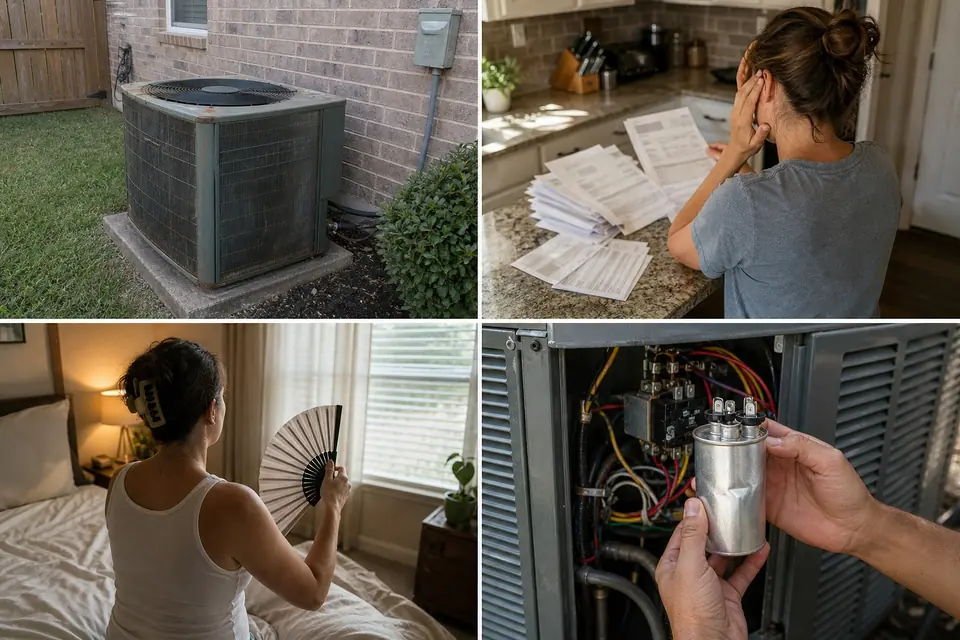
North Texas summers are long and hot. Your AC can run for hours a day, month after month, so wear adds up faster here than in milder places. Watch for these signs:
- Your system is well into its teens. Older units lose efficiency, and parts get harder to find. One big repair on an aging system is often a good time to stop and compare costs.
- The compressor or the outdoor coil has failed. The compressor is the heart of your AC. Replacing it, or a leaking coil, on an older unit can cost a large share of what a new system would.
- You’re calling for repairs every season. One fix is normal. A new problem every few months means the whole system is wearing out, not just one part.
- Your system uses R-22 refrigerant. This older refrigerant has been phased out, so adding more gets expensive. If an R-22 system is leaking, replacing it usually makes more sense than refilling it.
- Your power bills keep climbing. You haven’t changed how you use your AC, but summer bills keep going up. An older, worn system has to run longer to do the same job.
- Some rooms never cool down, or the house feels sticky. Uneven cooling and high humidity can mean the system is the wrong size for your home or is losing capacity.
A simple way to think about it: multiply your system’s age by the repair cost. If the number climbs into the thousands and your unit is already getting old, put that money toward a new system instead. It’s a rule of thumb, not a hard rule, but it helps you see the big picture.
There’s also a clear case for repairing. If your system is only a few years old and the problem is a capacitor, a fan motor, a clogged drain line, or a thermostat issue, fix it. Those are common, affordable repairs, and a younger system still has plenty of good years left. Replacing a healthy system because of one small part isn’t doing right by you.
Picture a hot July afternoon. Your AC is blowing warm air again, and it’s the third service call since spring. The unit was in the house when you bought it years ago. That’s the moment to ask for prices on both options, the repair and a replacement, side by side. With upfront pricing and no surprises, you can compare real numbers and make the call that fits your home and your budget.
When Repair Still Makes More Sense Than Replacement
Some problems look like the end of your AC when they’re really something small. Others are real, but a new system won’t fix them. Before you spend thousands, it’s worth ruling these out.
A few things can make a healthy system act like it’s dying:
- A clogged air filter. It chokes airflow, and that can make the indoor coil freeze into a block of ice. Your AC runs but blows weak, warm air. A new filter and some time to thaw often bring it right back.
- A full condensate drain line. Many systems have a safety switch that shuts the AC off when water backs up. It feels like a breakdown, but clearing the line is a simple fix.
- A tripped breaker or a thermostat problem. Dead batteries, the wrong setting, or a worn-out thermostat can all stop cooling cold. None of them mean you need a new system.
- A small refrigerant leak on a newer system. If your unit uses today’s refrigerant and still has good years left, finding and fixing the leak usually beats replacing everything.
Some of these you can check on your own. Look at your thermostat setting and your filter first. If the filter’s gray and caked with dust, swap it out. If that doesn’t do it, a technician can track down the real cause.
Then there’s the comfort problem that isn’t the AC’s fault. Maybe your upstairs bedrooms stay hot while the living room feels fine. A new unit pushing air through the same leaky or undersized ducts will give you the same hot rooms, just with a bigger bill. In that case, duct sealing, duct repair, or a zoning system may be what your home needs. A good contractor should tell you that before quoting a full system.
Timing matters too. Say your system is getting older, but the problem right now is a fan motor or a capacitor. If a repair gets you safely through a North Texas summer, that can be the smart move. It gives you time to plan a replacement in spring or fall, look at financing, and compare options without sweating through the decision in July. Repairing now and replacing later is a perfectly good plan. You don’t have to do it all at once.
If you’re not sure which camp you’re in, a diagnosis settles it. Xtreme Air Services charges a $26-$99 service-call fee, and it’s credited toward the repair if you go ahead with us. You’ll know what’s wrong before you spend money on anything bigger.
Here’s the straight answer. If the fix is small, your system isn’t old, and your home cools evenly once it’s running right, you don’t need a new AC. Keep the one you have, take care of it, and save the replacement money for when you really need it.
Getting the Right Size System for Your Frisco Home
The right size AC is the one that matches how much heat your home takes on. That isn’t always the biggest one, and it isn’t always the same size as the unit you have now. Getting this part right does more for your comfort than almost any other choice you’ll make.
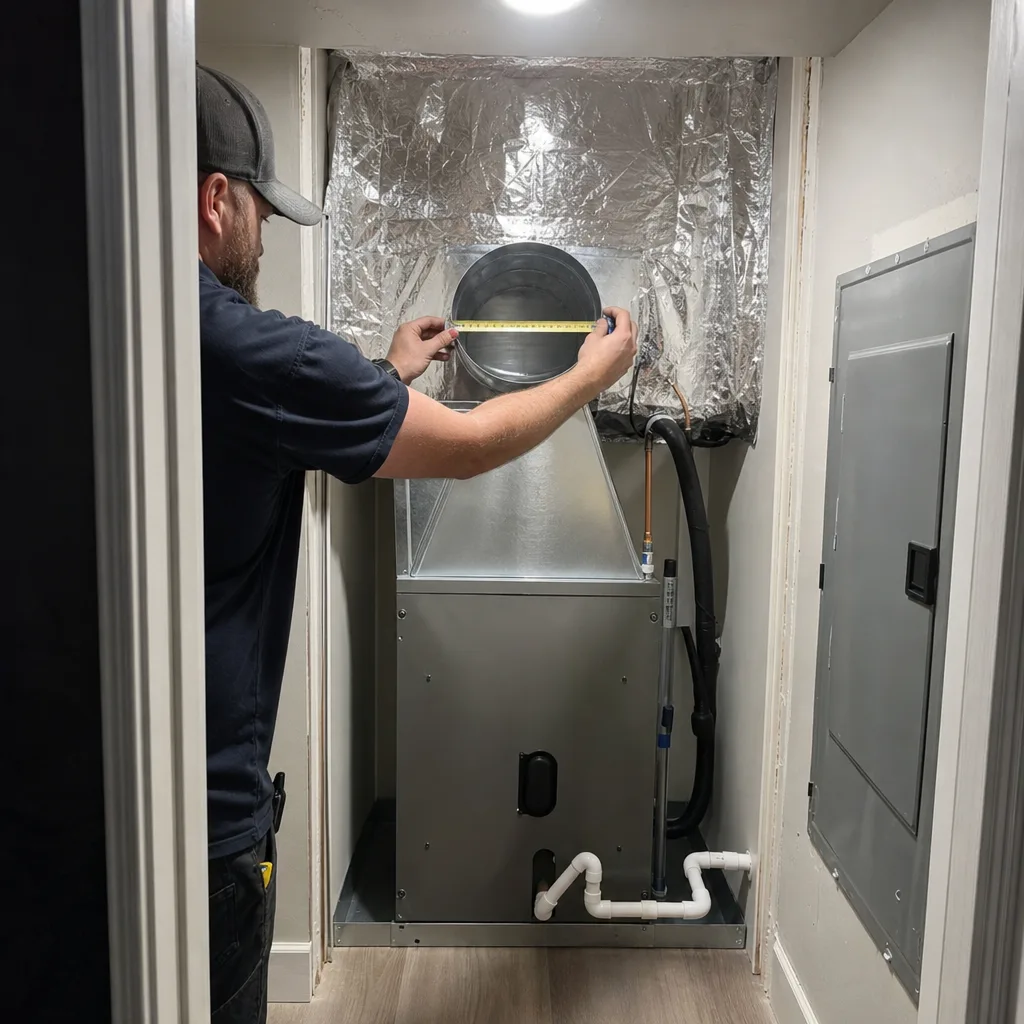
AC size is measured in tons. A ton here means cooling power, not weight. More tons means more cooling, and it also means a higher price, since size and capacity are among the biggest things that move the cost of a new system.
It’s easy to think a bigger unit will keep you cooler on a 105-degree August afternoon. It usually won’t. Here’s what goes wrong at each end:
- Too big: The system blasts cold air, hits the thermostat setting fast, and shuts off. It never runs long enough to pull moisture out of the air, so the house feels cool but clammy. All that starting and stopping also wears parts out sooner.
- Too small: The system runs nonstop on the hottest days and still can’t keep up. Your bills climb, and the upstairs or the west-facing rooms stay warm into the evening.
Long North Texas summers punish both mistakes. When your AC runs for months at a time, a system that’s the wrong size has a lot of hours to make you uncomfortable and run up your power bill.
Be careful with two shortcuts. The first is a rule of thumb based only on square footage. Two homes with the same square feet can need very different systems. The second is copying whatever size is in your attic now. Your home may have changed since that unit went in. You might have new windows, more insulation, or a finished bonus room. The old unit may also have been the wrong size from day one, and that could be part of why some rooms never felt right.
A proper cooling load calculation looks at the house itself. It’s one of the services we offer. A good one considers things like:
- Your square footage and ceiling heights
- How well your attic and walls are insulated
- How many windows you have and which way they face
- Whether your home is one story or two
- The size and condition of your ductwork
That last item matters more than most people expect. Your ducts have to carry the air your new system puts out. If they’re too small or leaking into a hot attic, even a perfectly sized unit will struggle. It’s better to find that out before installation day than after.
Some homes also do well with a high-efficiency, variable-speed system. Instead of running full blast or shutting off, it can run at a lower speed for longer stretches. In plain terms, you get steadier temperatures and better humidity control, which you’ll notice on muggy summer nights.
Whoever you hire, ask one simple question before you sign: “How did you decide on this size?” If the answer is “It’s what you had before” or “That’s what we usually put in a house this size,” ask for a load calculation. You’re about to live with this system for many summers, so it should be sized for your home.
Have questions? We’re happy to help.
Call Today, Get Service Today. Xtreme Air Services — Frisco is ready to help.
What Happens During a Professional AC Installation
A new AC is only as good as the way it goes in. The same equipment can cool your home well for years or struggle from day one. It all depends on the steps between unloading the truck and turning on the thermostat. Here’s what a careful installation looks like, so you know what to expect and what to ask about.
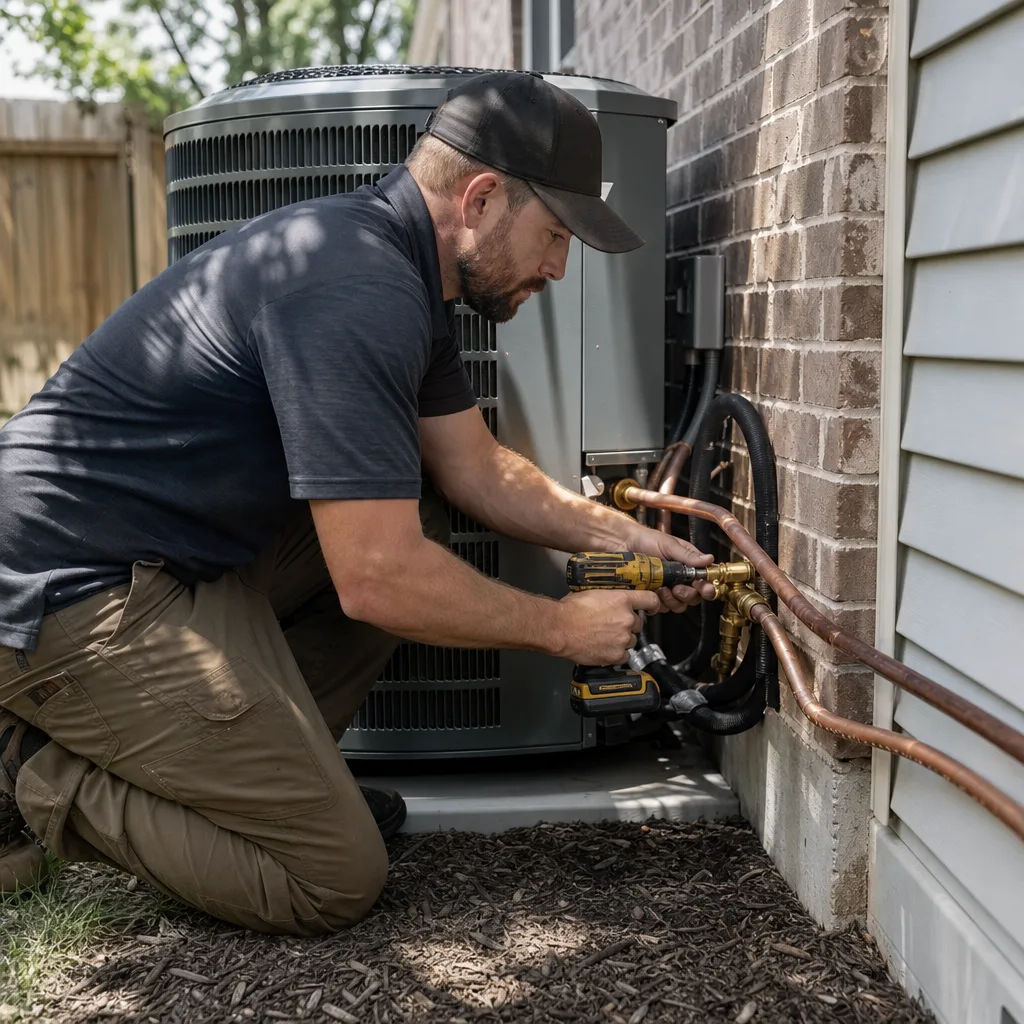
- Safe removal of the old system. The old refrigerant should be recovered with the right equipment, not let out into the air. Then the old indoor and outdoor units come out.
- Setting the outdoor unit. It should sit level on a solid pad with open space around it. The unit pulls in air to get rid of your home’s heat, so it needs room to breathe.
- Installing the indoor side. The indoor coil and the air handler or furnace need to match the outdoor unit. If the two halves don’t match, you won’t get the comfort or efficiency you paid for.
- Protecting your ceiling. Many North Texas homes have the indoor unit in the attic. A good install includes a drain pan and a float switch under it. If water backs up, the switch shuts the AC off before water reaches your ceiling.
- Refrigerant lines. These copper lines carry refrigerant between the two units. Old lines should only be reused if they’re the right size and in good shape. New joints need to be sealed tight.
- Leak test and vacuum. Before refrigerant goes in, the lines should be pressure-tested for leaks. Then a vacuum pump pulls out air and moisture. Moisture left inside can damage the compressor over time. This step takes patience, and it’s an easy one to rush.
- Electrical and thermostat. The new system gets connected to power and to your thermostat. This is a good time to think about a smart thermostat if you want one.
- Startup and testing. The refrigerant charge gets checked against the manufacturer’s specs. Airflow gets checked too, along with how much cooler the air leaving your vents is than the air going in.
That last step is where a correctly sized system from the load calculation proves itself. A system can be the right size on paper and still run poorly if the charge is off or the airflow is choked. Testing at startup catches those problems while the crew is still at your house, not on the first 100-degree day.
With Xtreme Air Services, a standard installation includes the equipment and materials, professional installation, standard connections, startup and testing, and haul-away of your old unit. Some things aren’t included unless your quote says so. That covers changes to ductwork, electrical, or plumbing, code corrections, and permits. Read your quote for those lines. If your ducts need sealing or your electrical needs an update, you want to know before installation day, not halfway through it.
Before the crew leaves, ask a few simple questions. Where does the filter go, and what size does it take? Where does the drain line run? Did the system pass its startup checks? A crew that did the work right won’t mind walking you through it. You’ll know your new system is set up to keep your home cool for many summers.
Watch Our Video
See How We Handle A/C system installation in Frisco
Xtreme Air Services — Frisco
Verifying Your Installer Is Licensed and the Job Is Permitted
Before anyone touches your system, check two things. First, is the company licensed to do AC work in Texas? Second, will the job be permitted and inspected? Both take a few minutes to confirm, and both protect you long after the crew drives away.
In Texas, air conditioning contractors are licensed through the Texas Department of Licensing and Regulation, or TDLR. A real license number is something you can look up yourself on the TDLR website. It isn’t just a line on a business card. Ours is HVAC License #TACLA29023C, and we’re glad to have you check it. Any company that gets vague when you ask for its number is telling you something.
Insurance matters just as much. If someone gets hurt in your attic or a ceiling gets damaged during the install, you don’t want that landing on your homeowner’s policy. Ask for proof of insurance before work starts. Xtreme Air Services is licensed and insured, and our technicians are background-checked, so you know who’s walking into your home.
Refrigerant is the other piece. Anyone who recovers or handles it should hold an EPA certification. That’s part of why removing the old system the right way matters. It isn’t a step a weekend handyman should take on.
Permits come next. In Frisco, like most North Texas cities, replacing a central AC system usually means a permit from the city and an inspection afterward. If you’re not sure what your project needs, the City of Frisco can tell you. The inspection is basically a second set of eyes. A city inspector checks that the electrical connections, the drain setup, and the overall install meet local code. That’s a good thing for you. It also helps when you sell your home, because buyers and their inspectors may ask whether the work was permitted.
As mentioned in the installation section, permits aren’t part of our standard installation price unless your quote says so. That’s why it’s worth asking about them up front, so there’s no surprise later.
Here are the questions to ask any installer, including us:
- What’s your TDLR license number? Then look it up.
- Can you show me proof of insurance?
- Who pulls the permit, you or me? The contractor should handle it.
- Will the job be inspected, and will you be there if the inspector has questions?
- Does my written quote list the permit and any code corrections?
Watch for a few red flags. One is an installer who suggests skipping the permit to save you money. Another is one who asks you to pull it in your own name, or who won’t put the price in writing. A good contractor doesn’t mind these questions. They expect them.
You’re making a big decision, and you deserve straight answers. Whether you need a repair, a correctly sized new system, or just an honest opinion on which one makes sense, we’ll give you upfront flat-rate pricing and walk you through every line before any work begins.
Call now
Frequently Asked Questions
Common questions about A/C system installation
How long does an AC installation take in Frisco?
Most single-system installations finish in one day, from removing the old unit to startup testing. If your home needs duct repairs, electrical upgrades, or code corrections, the job can stretch into a second day. Your written quote should spell out whether any of that extra work applies to your home before the crew arrives.
Do I need to be home during the AC installation?
You should be home at the start and end of the job, even if you step out during the work. You’ll want to walk through the system at startup, confirm it passed testing, and ask where the filter and drain line are located. Being there also lets you review the permit and inspection details on the spot.
Will my new AC work with my existing thermostat?
It depends on the thermostat and the new system’s features. Older thermostats sometimes can’t support variable-speed or high-efficiency equipment, so installation day is a good time to decide if you want a smart thermostat instead. Ask your installer to check compatibility before the new system is connected.
How soon can I schedule an AC replacement once I decide to move forward?
Scheduling depends on the season, since North Texas summers bring heavy demand for installations. Booking as soon as you’ve decided, rather than waiting until the system fails completely, gives you more flexibility on timing and lets you plan the work around your schedule instead of an emergency.
Ready to Get Started?
Call (469) 490-3595 Today, Get Service Today.