


Central Air Conditioning Installation in Allen
Central air sized to your home from day one, with what's included, what isn't, and the permits explained up front.
What’s Covered on This Page
- Your Central Air Conditioning Installation Decision Starts With What’s Included
- Allen Homes Built During the City’s Growth Boom Are Reaching Replacement Age
- Signs You Need Replacement Instead of Another Repair
- Sizing the Right System With a Cooling Load Calculation
- What Happens During Installation Day
- How long does a central AC installation take?
- Do I need to be home during the installation?
- Will my house be without air conditioning during the install?
- What size central AC do I need for my home?
Your Central Air Conditioning Installation Decision Starts With What’s Included
When two quotes for a new AC are thousands of dollars apart, it doesn’t always mean one company is fair and the other isn’t. Often they just aren’t quoting the same job. So the best first question isn’t “How much?” It’s “What’s in that number?”
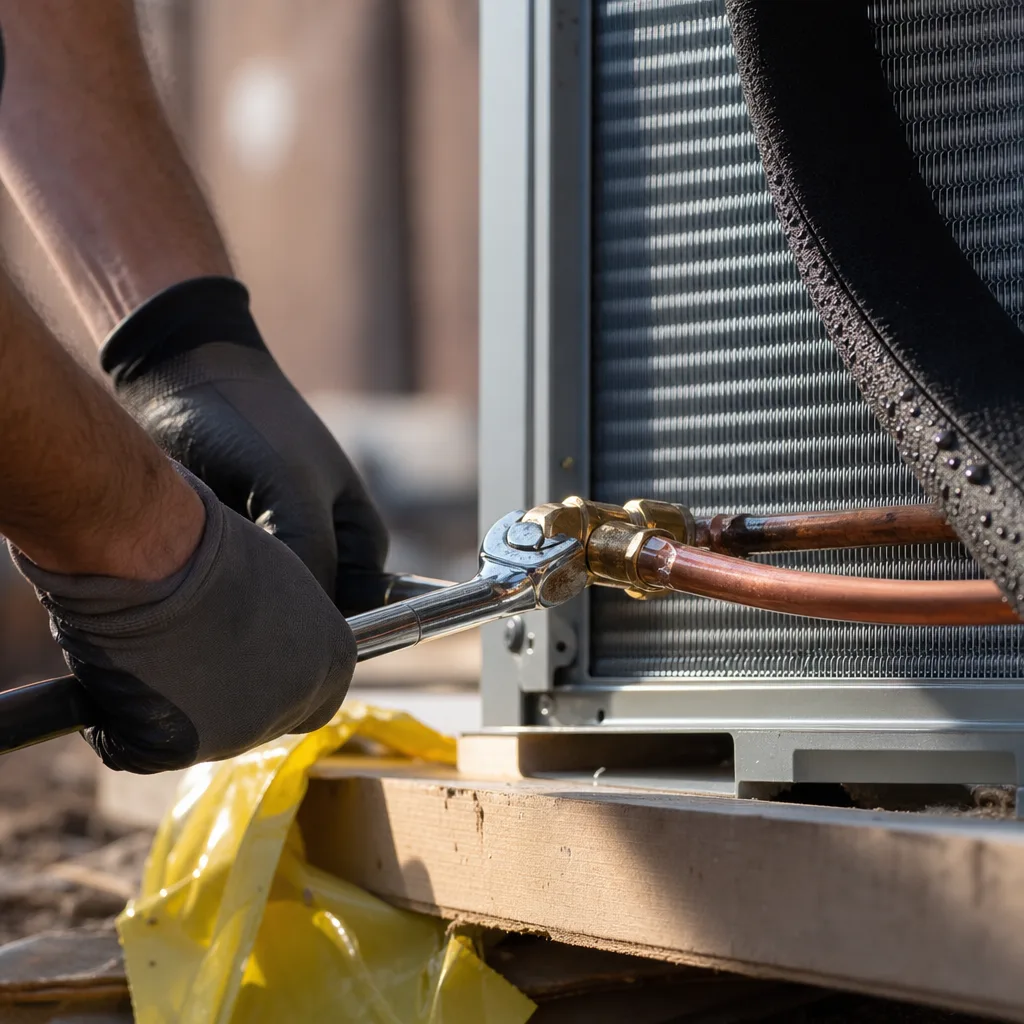
Here’s what our central air conditioning installation price includes:
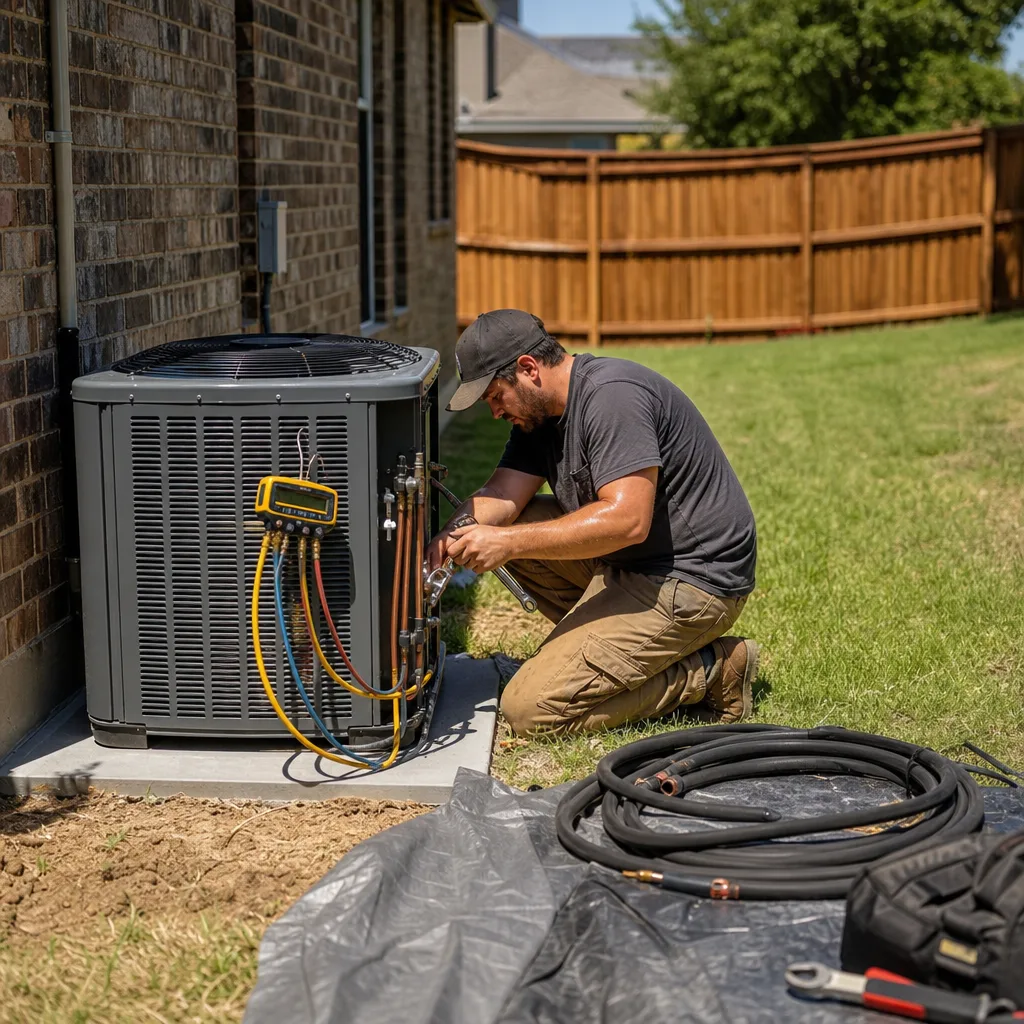
- Equipment and materials, including a new condenser (the outdoor unit) and a new coil (the indoor part that pulls heat out of your air)
- Professional installation with standard connections
- Startup and testing, so you know the new system is working right
- Haul-away of your old unit
And here’s what isn’t included unless your quote says it is: changes to your ductwork, electrical, or plumbing, code corrections, and permits. Those aren’t hidden fees. They’re the parts of the job nobody can price until they’ve looked at your home. Many North Texas systems sit in attics that bake all summer, and the ducts and wiring up there age right along with the old unit. Some homes need nothing extra. Others need real work, and you deserve to know which kind you have before you sign.
Say your current system is simply worn out, and the new one fits the same spot using the same connections. That’s our most common job, and it runs $7,000-$10,000. The price moves up or down based on a few things:
- Size and capacity. AC size is measured in tons, and a bigger home usually needs more of them.
- Efficiency. A higher SEER2 rating means the system cools your home on less electricity. It costs more up front but can lower your summer bills.
- Brand and model
- Ease of access, like a tight attic or a hard-to-reach outdoor pad
- Condition of your existing ductwork, wiring, and plumbing
- Code upgrades, permits, and any custom fabrication
That’s why we give you upfront flat-rate pricing, approved before any work starts. You’ll see what’s covered, what isn’t, and why, with no meter running. If a bigger system makes more sense for your budget spread out over time, flexible financing is available on qualifying installations and larger jobs, on approved credit.
Our team works from our Allen office on W McDermott Dr. We’re a licensed and insured Trane Comfort Specialist, holding HVAC License #TACLA29023C, so the person explaining your quote is someone you can check out before you trust them with your home.
Allen Homes Built During the City’s Growth Boom Are Reaching Replacement Age
A lot of Allen homes went up during the city’s big growth years. Many still have the cooling system the builder put in, or the first replacement after it. If that’s your house, the AC has been carrying you through North Texas summers for a long time. You may be wondering if this is the year it finally gives out.
Age alone doesn’t mean you need a new system. But an older system tells you things if you know what to watch for.
- You’re calling for repairs more often, and each fix costs more than the last.
- Your summer electric bills keep climbing even though your habits haven’t changed.
- Some rooms never cool down, especially upstairs in a two-story home.
- The system runs and runs on hot afternoons and still can’t hold the temperature you set.
- You’ve been told it has a refrigerant leak, and your older system uses a refrigerant that’s no longer made, so recharging it gets expensive.
If you’re only seeing one of these, and it’s minor, you probably don’t need a new system yet. A system that’s cooling fine but making a new noise, or one that just hasn’t been serviced in a while, may only need central air conditioning repair or a good AC tune-up. Replacing a working system early won’t pay you back. If a technician tells you to replace a unit that’s cooling well and has a simple, affordable fix, it’s fair to ask why.
When the signs start stacking up, though, the age of your home starts to matter in a second way. The builder sized your original system for the house as it was on day one. Since then, you may have finished a bonus room, added on, replaced windows, or added insulation. Any of those changes how much cooling your home needs. That’s why a cooling load calculation is worth doing before you pick a size. Matching the old unit ton for ton can lock in a mistake that’s been there since the house was built.
The other piece is what’s hiding in your attic. In a North Texas summer, attics get brutally hot. The ductwork and wiring up there have been aging in that heat for as long as the old unit has. Ducts can sag, pull loose, or leak cool air into the attic instead of your rooms. Wiring may not match what a new system calls for or what code requires today.
This is where the difference between a like-for-like swap and a bigger job usually comes from. Some older Allen homes are ready for a straight swap using the existing connections. Others need duct sealing, duct repair, or electrical updates first, and those are the items listed as extra in the quote breakdown above. Neither situation is good or bad. You just need to know which one you have before you compare prices, so the number you’re looking at is the real number for your home.
Signs You Need Replacement Instead of Another Repair
The warning signs above tell you a system is wearing out. The repair-or-replace call usually comes down to one thing: which part just failed, and what you’d be left with after you pay to fix it.
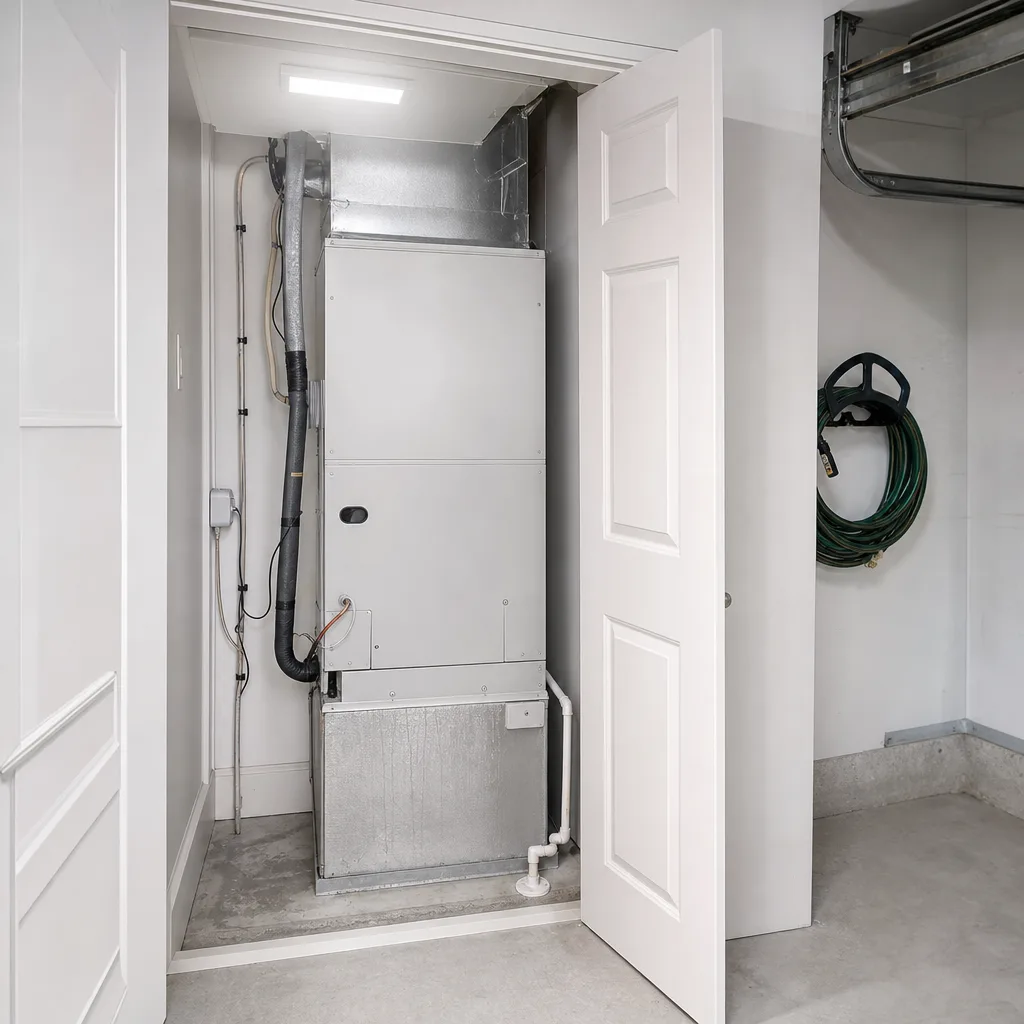
Some repairs are small and make good sense, even on an older unit. If your AC quit on a hot afternoon, the cause is often a part that’s quick to swap and doesn’t cost much. Fixing these keeps a working system going:
- A capacitor, the small part that gives the motors a jolt to start. These commonly wear out in summer heat.
- An outdoor fan motor that’s stopped spinning
- A clogged drain line that’s backing up water or tripping a safety switch
- A thermostat that’s lost its settings or isn’t talking to the system
- Bent fins on the outdoor unit after a North Texas hailstorm. They look scary, but they can often be straightened or cleaned instead of replaced.
If your problem is on that list and the system has been cooling fine, repair it. Don’t let anyone talk you into a new system over a part like that.
The math changes when one of the big parts fails on an older system:
- The compressor, the pump inside the outdoor unit that moves refrigerant through the system. It’s the heart of your AC and one of the most expensive parts to replace.
- The outdoor condenser coil, especially if it’s leaking or badly corroded
- The indoor evaporator coil, when it has a leak that keeps coming back
Paying for one of these puts a costly new part into a machine where everything else is just as old. The fan motors, the wiring, and the other coil haven’t gotten any younger. You could fix the compressor this summer and be back looking at another major failure next summer. When a big part goes on a system that’s already showing the signs above, putting that money toward a new system is often the better use of it.
There’s also a matching issue. Your outdoor unit and indoor coil are built to work as a pair. If only the outdoor half gets replaced and it’s hooked to an old coil, the system may not cool as well or run as efficiently as it should. That’s why our central air conditioning installation includes both a new condenser and a new coil. The two halves are made to work together from day one.
When a technician recommends replacement, you should get clear answers to three questions:
- Which part failed, and can you show me?
- What does the repair cost, compared with replacing the system?
- What else on this system is close to failing?
With straight answers, the choice usually becomes clear. If the answers stay vague, get another look before you spend money either way.
You don’t have to guess. Our service call runs $26-$99, and that fee is credited toward the repair if you go ahead with Xtreme Air Services. Our licensed and insured technicians will tell you what’s wrong and what it costs to fix. If fixing it is the smarter move, we’ll say so.
Have questions? We’re happy to help.
Call Today, Get Service Today. Xtreme Air Services — Allen is ready to help.
Sizing the Right System With a Cooling Load Calculation
Most people think a bigger AC is a safer bet. In a North Texas summer, that feels like common sense. But an AC that’s too big for your home can leave you less comfortable than one that’s the right size, and it costs more to buy.
Here’s why. An oversized system cools the air fast, hits the temperature on your thermostat, and shuts off. Then it kicks back on a few minutes later. That’s called short cycling. Your AC doesn’t just cool the air. It also pulls moisture out of it, and it needs to run for a while to do that well. Short runs leave your home feeling cool but damp and clammy. All that starting and stopping also wears on the parts.
An undersized system has the opposite problem. It runs nonstop on the hottest afternoons and still falls behind, so the house creeps warmer just when you want it coolest.
A cooling load calculation is how you find the right size. It’s a room-by-room look at how much heat your home takes on, so the system matches the house you live in today. A proper calculation weighs things like:
- The size and layout of your home, including ceiling heights and any finished bonus rooms
- How much insulation you have, especially in the attic
- Your windows: how many, how big, how old, and which way they face. A wall of west-facing glass takes a beating from the late-day Texas sun.
- How tight or leaky the house is
- Where the ductwork runs, since ducts in a hot attic lose some cooling before the air reaches your rooms
- How many people live there and how you use the space
Two homes with the same square footage on the same Allen street can need different sizes. One might have new windows and a well-insulated attic. The other might have original windows and a big sunroom facing west. Square footage alone can’t tell those homes apart. A load calculation can.
This connects straight back to your price. Tonnage is one of the biggest things that moves the cost of a new system up or down. Getting the size right means you’re not paying for capacity your home doesn’t need. You’re also not stuck with a system that can’t keep up in August. The right size also has to fit your ductwork. A larger system pushes more air, and ducts that are too small for it can make the system noisy and less efficient.
When you’re comparing quotes, ask each company a simple question: how did you pick this size? A good answer talks about your home, its windows, insulation, and layout. A weak answer is “it matches what you have now” or a quick guess from the square footage. If one quote is a size bigger or smaller than another, ask why. The company that can explain its number is giving you a quote built for your home, not just a box that fits the old pad.
We offer cooling load calculations as part of our AC services, so you can make the sizing choice with real numbers in front of you.
Watch Our Video
See How We Handle Central air conditioning installation in Allen
Xtreme Air Services — Allen
What Happens During Installation Day
Once you’ve picked the right size and signed off on the price, installation day is mostly about doing the careful steps in the right order. A straight like-for-like swap often takes about a day. Homes that need the duct or electrical work covered above can take longer. Here’s what you can expect, so nothing surprises you.
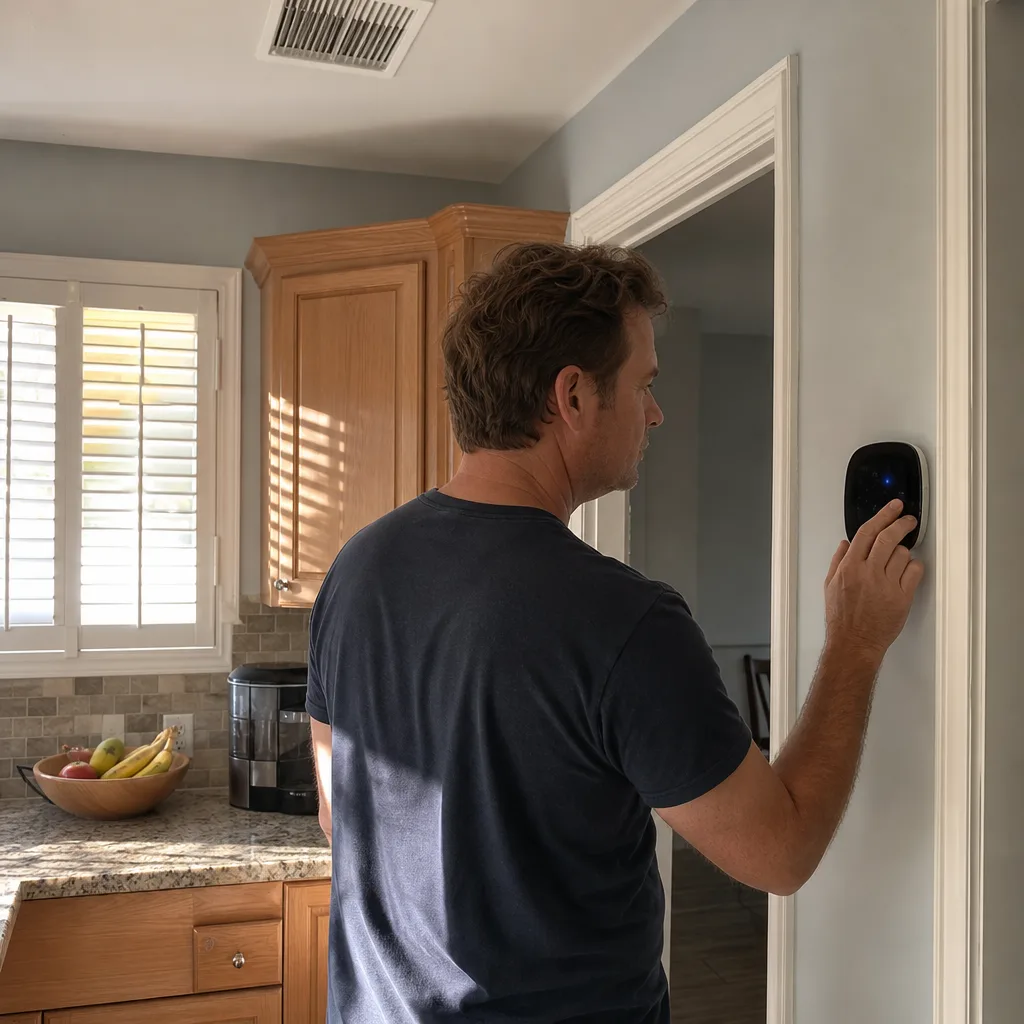
A little prep on your end helps the crew move faster and keeps your home cleaner.
- Clear a path to your indoor unit. In many Allen homes that means the attic access in a hallway closet or the garage, so move boxes and stored items out of the way.
- Make room around the outdoor unit. Trim back shrubs and move patio furniture or grills.
- Keep pets in a closed room. Doors will open and close a lot.
- Plan for a warm house. Your cooling will be off for part of the day, so a summer install goes easier with fans running or a cooler room picked out.
First, the old refrigerant gets pulled out of the system and captured in a tank. It isn’t vented into the air. Next, the old outdoor condenser and indoor coil come out. Haul-away of your old unit is part of our installation price, so you won’t be stuck with a rusty box in the side yard.
Then the new condenser and coil go in. The outdoor unit gets set level on its pad. The new coil gets fitted to your furnace or air handler, which in a lot of North Texas homes means work in a hot attic. The copper refrigerant lines and the wiring are then connected between the two.
The next part is the one you can’t see, and it matters most. A careful installer seals the refrigerant lines and pressure-tests them to make sure nothing leaks. Then they pull the system into a deep vacuum to get out air and moisture. Moisture left inside an AC can damage parts over time. After that, refrigerant goes in and gets set to the right amount for your system and line length. Skipping or rushing these steps is one of the most common reasons a brand-new system doesn’t cool the way it should.
Startup and testing come last, and they’re included in our installation price. The system runs while it’s checked for proper cooling, airflow, and drainage.
Before the crew leaves, it’s fair to walk through a few things with them:
- Feel the air at a vent near the indoor unit. It should be noticeably cool within a few minutes.
- Ask how they checked the refrigerant charge and airflow, and what the numbers showed.
- Look at the drain line and make sure water has a clear path out. In an attic system, that line protects your ceiling.
- Have them show you how your thermostat works with the new system.
- Check that the old unit, packaging, and debris are gone from your yard and attic.
A good installer won’t mind any of these questions. If they can walk you through what they did and why, you can trust the system you paid for was done right the first time.
Frequently Asked Questions
Common questions about Central air conditioning installation
How long does a central AC installation take?
A straight like-for-like swap usually takes about a day. If your Allen home needs duct repairs or electrical updates first, the job can run longer. We’ll let you know which situation you’re in before work starts, so you can plan your day around it.
Do I need to be home during the installation?
It helps if someone is there to let the crew into attic access points and the garage. Many Allen homes keep the indoor unit in a hallway closet or garage, so clearing a path beforehand and being available to answer questions keeps the job moving.
Will my house be without air conditioning during the install?
Yes, your cooling will be off for part of the day while the old system comes out and the new one goes in. On a hot day, it helps to run fans or pick a cooler room to wait in until the new system is up and tested.
What size central AC do I need for my home?
The right size depends on more than square footage. It comes from a cooling load calculation that looks at your insulation, window size and direction, ductwork, and layout, since two similar-sized homes can need different tonnage. Guessing from square footage alone can leave you with a system that short cycles or can’t keep up on the hottest afternoons.
Ready to Get Started?
Call (469) 299-8996 Today, Get Service Today.