


Dryer Vent Cleaning in Irving: Know When It’s Time to Call
The signs that point to your dryer vent, what a cleaning visit includes, and whether you need cleaning or a repair.
What’s Covered on This Page
- Signs Your Dryer Vent Needs Cleaning
- What’s Included in a Dryer Vent Cleaning Visit
- What Changes the Price of a Dryer Vent Cleaning
- Cleaning vs. Repair: Which One Your Dryer Vent Needs
- When You Can Handle It Yourself (and When to Call a Pro)
- How often should I get my dryer vent cleaned?
- Is it safe to clean a dryer vent myself?
- How do I know if my dryer vent needs cleaning versus repair?
Signs Your Dryer Vent Needs Cleaning
Your dryer usually tells you when the vent is in trouble. You just have to know what to look for. These are the signs that point to the vent line, not the dryer itself.
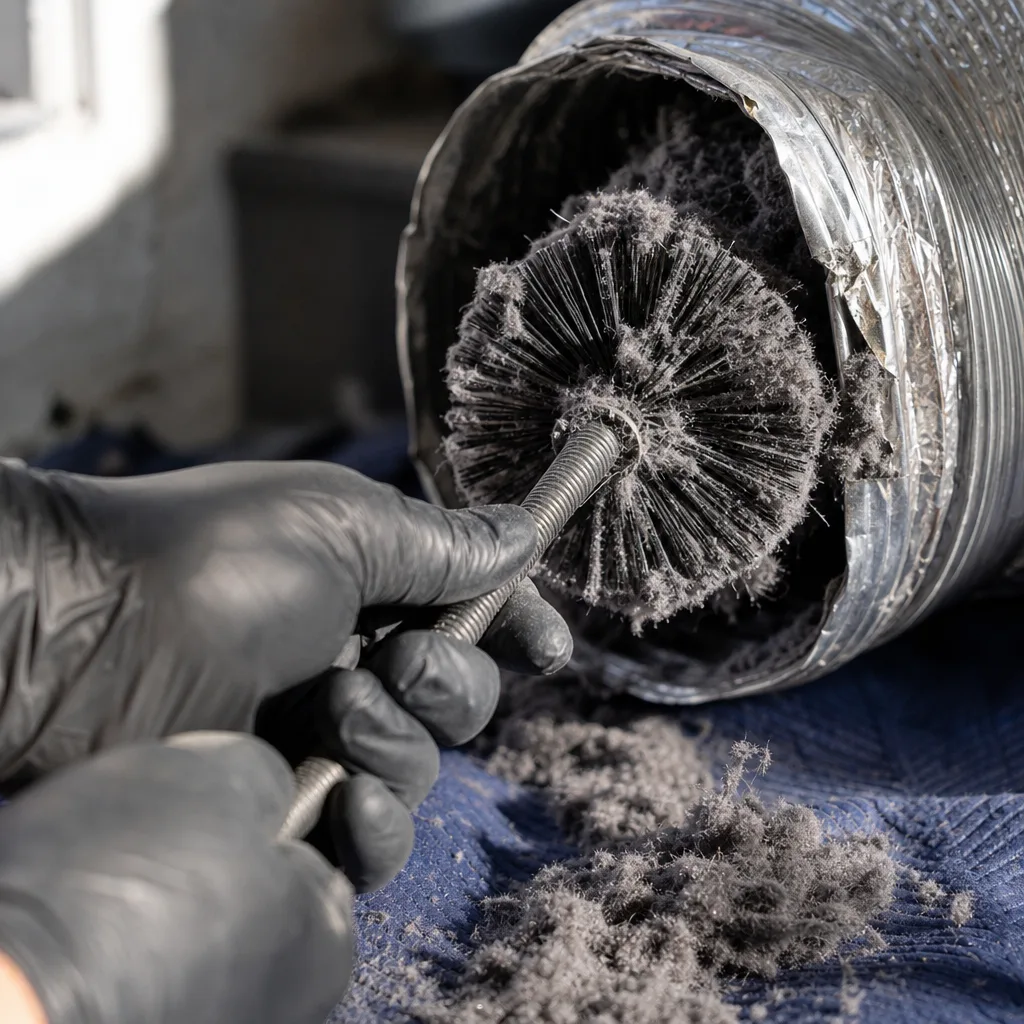
- Your clothes take more than one cycle to dry. Towels that used to come out dry in one run now come out damp and heavy. Wet air has nowhere to go, so it stays in the drum.
- The dryer, or your clothes, feel very hot. If the top of the dryer is hot to the touch or your jeans come out scorching, heat is building up instead of venting out.
- Your laundry room feels hot and muggy. A small room that turns into a sauna every time you run a load is a strong clue.
- You smell something burning. Lint is dry and it burns easily. A scorched smell while the dryer runs is a sign you shouldn’t ignore.
- You see lint where it doesn’t belong. Watch for lint behind the dryer, around the door seal, or stuck to the vent hood outside your home.
- The outside flap barely moves. With the dryer running, the flap on your vent hood should open and you should feel warm air pushing out. A weak puff or no air at all means something is blocking the line.
- The dryer shuts off in the middle of a cycle. Many dryers have a safety switch that cuts the heat when things get too hot. A clogged vent is a common reason it trips.
- There’s a crushed or kinked hose behind the dryer. A flattened hose chokes airflow and catches lint fast.
Where your vent runs matters too. Many North Texas homes sit on a slab, so the vent can’t go under the floor. It goes out a side wall, or it climbs up through the attic and exits on the roof. A long run with bends or a climb up to the roof gives lint more places to settle. That’s why vent length, routing, and a roof or wall exit are some of the things that change how much work a cleaning takes.
If you have a gas dryer, a clear vent matters even more. The vent carries out burned gas along with the hot, wet air. You want that going outside, not back into your home.
Before you call anyone, try a quick check. It might save you a visit. Clean the lint screen. Make sure you aren’t overloading the drum. Pull the dryer out and look for a crushed hose. Then run the dryer and go outside to feel the air at the vent hood. If the screen was packed and the dryer works fine after you clean it, you’re done. If the air outside is still weak, or the signs above keep coming back, the clog is deeper in the line where you can’t reach it.
What’s Included in a Dryer Vent Cleaning Visit
A dryer vent cleaning visit with Xtreme Air Services covers two things. First, we clean the whole vent line. Then we check that air moves through it. That second part matters. A cleaning only counts if your dryer can push air outside again, and the airflow and exhaust check is how you know it can.
- Included: a full vent cleaning that clears lint and debris from the dryer vent line, all the way from the dryer to where it ends outside.
- Included: an airflow and exhaust check, so you know the line is clear and the air is going where it should.
- Not included: vent repair or rerouting.
- Not included: any fix we find needs doing during the visit. We quote that separately, so you decide before any extra work starts.
Here’s what that looks like in real life. Say a crushed hose behind your dryer or a vent cover that won’t open is part of the problem. We won’t just go ahead and fix it and add it to your bill. We’ll show you what we found, tell you what it costs to fix, and let you choose. You can say yes, wait, or get a second opinion.
Why the range? Four things change how much work your vent takes. They are the length of the vent and how it’s routed, whether it ends at the roof or a wall, how much lint has built up, and how easy it is to reach. A short, straight run out a side wall is on the simpler end. A long run that climbs through the attic to the roof is on the bigger end, for the reasons covered above.
You’ll get upfront flat-rate pricing before the work starts, so there’s no meter running while we’re in your laundry room. Nights and weekends don’t cost extra. Financing usually isn’t offered for a small job like this one. We save it for larger repairs and replacements.
So what should you ask any company before you let them work on your dryer vent? These questions are fair to ask anyone, us included:
- Do you clean the whole line, or just the part behind the dryer?
- Will you check the airflow when you’re done?
- Is there a trip fee, and does it go toward the work?
- Will you tell me the price of any repair before you do it?
If a company can’t give you a clear answer on all four, keep looking. Our technicians are licensed and insured, and they’re background-checked and drug-tested. That’s who will be working in your home in Irving.
What Changes the Price of a Dryer Vent Cleaning
You’ve seen the range. Now here’s how to tell where your vent will likely land. The same four things drive the price every time. Once you know what each one looks like in a real house, you can make a pretty good guess before you ever pick up the phone.
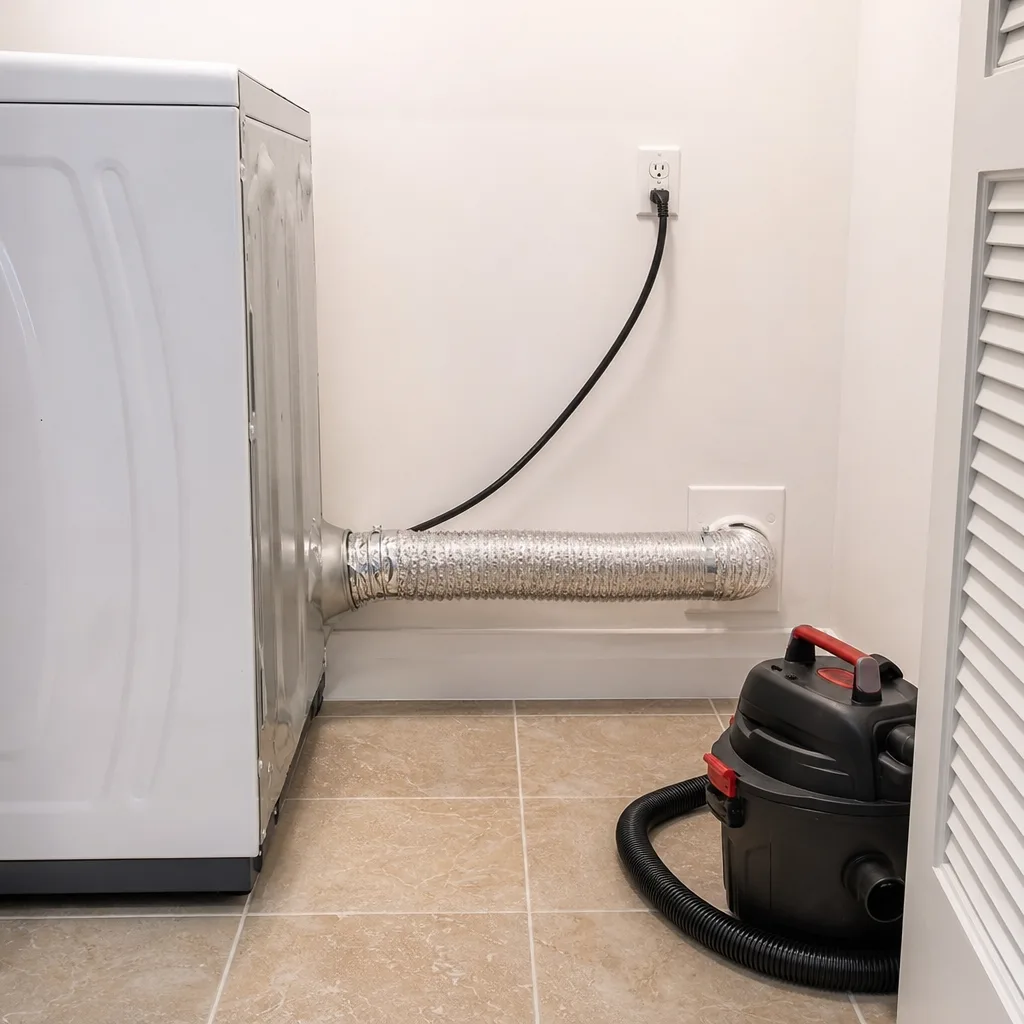
Vent length and routing. A dryer that sits on an outside wall might only need a few feet of duct to reach open air. A laundry closet in the middle of the house is different. The line has to travel across the ceiling or through a wall to get outside. Every bend in that line is a corner where lint likes to pile up. So a longer line with more turns takes more time to clear, and more passes to get it fully clean.
Roof or wall exit. A vent that ends at a side wall can usually be reached from the ground or a short ladder. A vent that goes up through the attic and out the roof means getting up on the roof to reach the cap. A steep roof or a tall house adds time and care. In a North Texas summer, the attic part of that run is also a hot, cramped place to work.
How much lint has built up. A vent cleaned a year or two ago is mostly loose lint that comes out fast. A vent that’s never been cleaned since you moved in is another story. The lint can pack into a tight, felt-like plug that takes more work to break up and pull out. Things that don’t belong in the line, like a bird nest in the outside hood, add work too.
How easy it is to reach. A stacked washer and dryer in a tight closet takes longer to pull out and set back safely than a side-by-side pair in an open room. Outside, a vent hood tucked behind thick shrubs, a fence, or high on a second-story wall takes more effort to get to.
Want a better idea of your price before you call? Take two minutes and find out these few things. They help us give you a clearer answer on the phone:
- Where the vent comes out. Run the dryer and look for the flap on a wall, or a cap on the roof.
- About how far the dryer sits from that spot, and whether it’s on an outside wall.
- Whether your dryer is stacked or in a tight closet.
- When the vent was last cleaned, if you know. “Never” is a fine answer.
- Whether you’ve noticed any of the warning signs listed at the top of this page.
Here’s how that adds up in a real house. Say you’ve got a side-by-side dryer on an outside wall, a wall flap you can reach from the yard, and a vent cleaned not long ago. That’s the simple end. Now say you’ve got a stacked unit in a hall closet, a line that climbs through the attic to the roof, and no idea when it was last cleaned. That’s a bigger job. Either way, you’ll hear the price before we start.
Ready when you are – get in touch today.
Call Today, Get Service Today. Xtreme Air Services — Irving is ready to help.
Cleaning vs. Repair: Which One Your Dryer Vent Needs
Most of the time, a slow dryer just needs a cleaning. Lint builds up, air backs up, and clearing the line fixes it. Sometimes the lint keeps coming back, or the line was never built right. Then a cleaning only buys you time. Here’s how to tell the two apart.
A cleaning is usually all you need when:
- Your dryer worked fine for years and slowed down little by little.
- The vent hasn’t been cleaned in a long time, or ever.
- The hose behind the dryer is in good shape, and the flap outside opens freely.
- The airflow check after cleaning shows strong, warm air pushing out.
A repair is likely when the vent itself is the problem, not just the lint inside it. Watch for these signs:
- A crushed, torn, or sagging hose. A flimsy hose that droops in a low spot catches lint every load, no matter how often you clean it.
- A joint that came apart in the attic. Hot, wet, linty air then blows into your attic instead of outside. In a North Texas summer, that attic is already working against you.
- A vent hood flap that’s stuck, broken, or covered with a screen. Screens look tidy, but they trap lint and clog fast.
- A line that’s much too long or has too many bends. If your vent climbs through the attic to the roof with turn after turn, lint has too many places to settle.
- The same signs come back within months of a cleaning. That usually means something in the line is catching lint.
Here’s a real-life example. You clean the lint screen, you even had the vent cleaned last spring, and your towels still take two cycles by fall. That’s not a dirty vent. That’s a vent with a weak spot. It could be a crushed section, a loose joint, or a hood that won’t open. Cleaning it again won’t change much.
Some fixes you can handle yourself. If the hose behind your dryer is crushed or popped off, you can often straighten it or buy a new one at a hardware store and clamp it back on. Check your dryer’s manual for the type of duct it calls for. If the outside flap is just jammed with lint, you can clear it by hand from the ground. You don’t need us for any of that.
Sometimes the vent isn’t the problem at all. Run your dryer and feel the air at the outside hood. If it’s strong but your clothes still come out damp or cold, the dryer itself may not be heating. That’s a job for an appliance repair tech, not a vent cleaning. We’d rather tell you that up front than clean a vent that was never the issue.
If we find a damaged section during a cleaning, our team can handle duct and vent repair. You’ll get the price first and make the call yourself, the same way as any separately quoted work. A fix like that should end the repeat clogs, not just push them back a few months.
Watch Our Video
See How We Handle Dryer vent cleaning in Irving
Xtreme Air Services — Irving
When You Can Handle It Yourself (and When to Call a Pro)
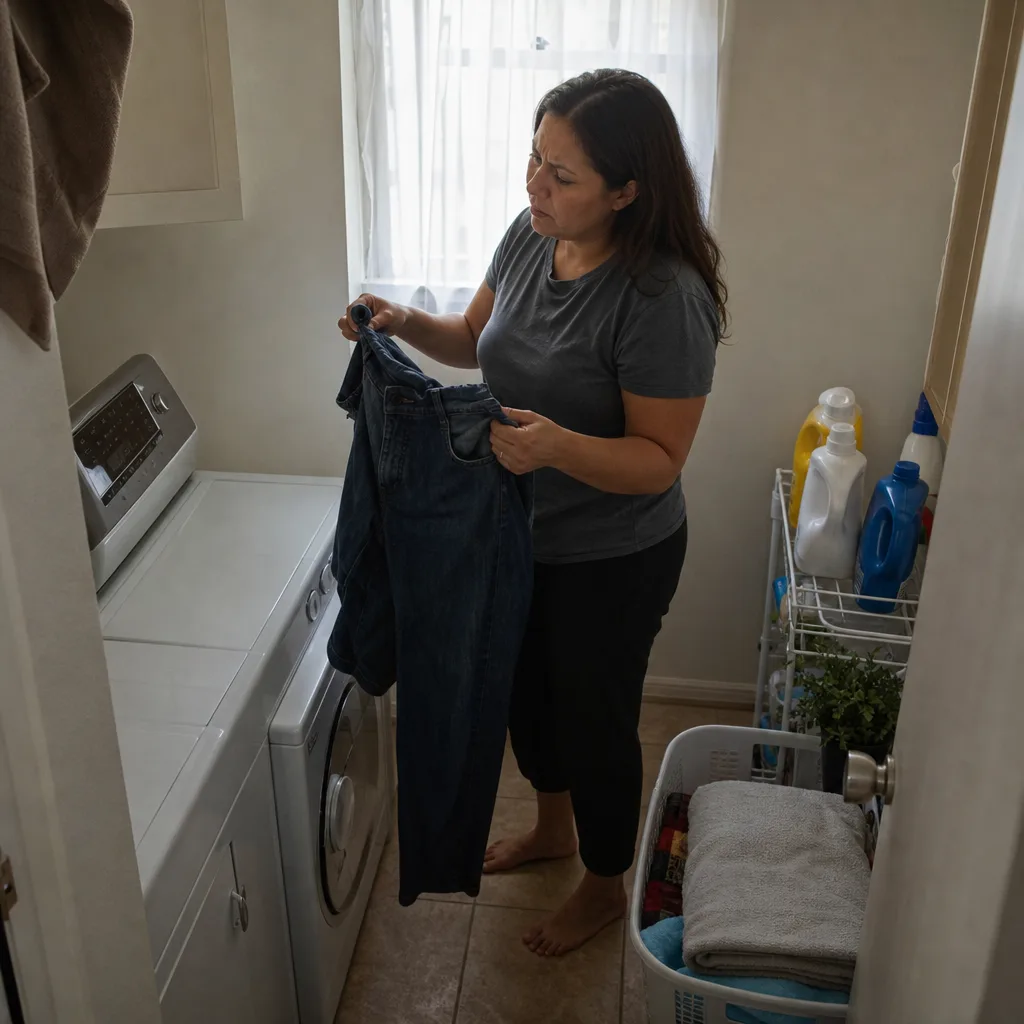
You don’t always need us. If your vent line is short and simple, you can clean a good part of it yourself. Hardware stores sell dryer vent brush kits with flexible rods that screw together and push a brush through the duct. Whether that’s enough depends on your setup, not on how handy you are.
Doing it yourself makes sense when:
- Your dryer sits on an outside wall and the line is short, with only one or two bends.
- The vent ends at a wall flap you can reach from the ground.
- Your dryer is electric and slides out easily, not stacked or wedged into a closet.
- The buildup is loose lint because the vent was cleaned in the last couple of years.
- You can check your work by running the dryer and feeling strong, warm air at the hood outside.
The catch is reach. A rod kit works best on a line where you can get to both ends. On a long run with several turns, it’s easy to push a lint plug deeper into a bend instead of pulling it out. You might not know it happened until your towels start taking two cycles again.
It’s time to call a pro when:
- The vent ends on the roof. Cleaning it means climbing up to the cap, and that isn’t worth a fall.
- The line climbs through the attic. In a North Texas summer, that attic gets very hot, and loose joints up there are hard to spot.
- Your washer and dryer are stacked in a tight closet and hard to pull out and set back safely.
- You have a gas dryer and you aren’t comfortable moving it around the gas connection.
- You can’t figure out where the vent comes out of your house.
- The vent hood sits high on a second-story wall.
- You cleaned the line yourself and the warning signs came back within a few months.
- You find lint in the attic, inside a wall, or anywhere other than the hood outside.
There’s an in-between option too. Some homeowners clean the easy part behind the dryer every so often and leave the full line to a technician. That works fine, as long as someone clears the whole run and checks the airflow at the end.
Still not sure which side you’re on? The same details from the price section above answer this question. Those details are where the vent exits, how far it runs, and whether your dryer is stacked. A short wall run is a reasonable weekend job. A long attic run that ends on the roof isn’t.
Call 469-200-2166
Frequently Asked Questions
Common questions about Dryer vent cleaning
How often should I get my dryer vent cleaned?
Most homes need it about once a year, but your setup can change that. A short, straight vent out a side wall can go longer between cleanings. A long run that climbs through the attic to a roof vent collects lint faster and may need attention sooner. If you’ve never had it cleaned since moving in, that’s a good reason to get it checked now.
Is it safe to clean a dryer vent myself?
Yes, if your setup is simple. A hardware store brush kit can clear loose lint from a short line with one or two bends, especially if your dryer sits on an outside wall and slides out easily. Skip the DIY route if your vent exits on the roof, runs through a hot attic, or your dryer is stacked in a tight closet. Those setups are harder to reach safely and easier to get wrong.
How do I know if my dryer vent needs cleaning versus repair?
Run your dryer and check the warning signs first: clothes taking two cycles, a hot laundry room, or a burning smell. If those signs show up again within a few months of a cleaning, the vent likely has a real problem, like a crushed hose or a stuck flap, not just lint buildup. A vent that’s never been cleaned usually just needs the lint cleared out and the airflow checked.
Ready to Get Started?
Call (469) 200-2166 Today, Get Service Today.