


Aluminum Wiring Replacement in Sunnyvale: Fix It Right, Not Just Fast
Aluminum branch wiring remediated with approved connectors or replaced outright, addressing the connection failures that make it an insurance and fire concern.
What’s Covered on This Page
- Spotting the Warning Signs of Aluminum Wiring
- Pigtailing vs. Full Copper Replacement: How the Decision Gets Made
- When You Might Not Need Full Rewiring
- What Happens During an Aluminum Wiring Inspection and Remediation
- Sunnyvale Summers and Aging Aluminum Connections
- How fast can you get someone out to look at aluminum wiring in Sunnyvale?
- What happens when the electrician shows up to check my wiring?
- Why does aluminum wiring show up so often in Sunnyvale homes?
- Do I need my whole house rewired if I have aluminum wiring?
- How long does aluminum wiring replacement or pigtailing take?
- Should I fix aluminum wiring before selling my Sunnyvale home?
Spotting the Warning Signs of Aluminum Wiring
Aluminum wiring doesn’t announce itself. It hides behind drywall for decades, doing its thing quietly, until it doesn’t. Here’s what we tell folks to watch for.
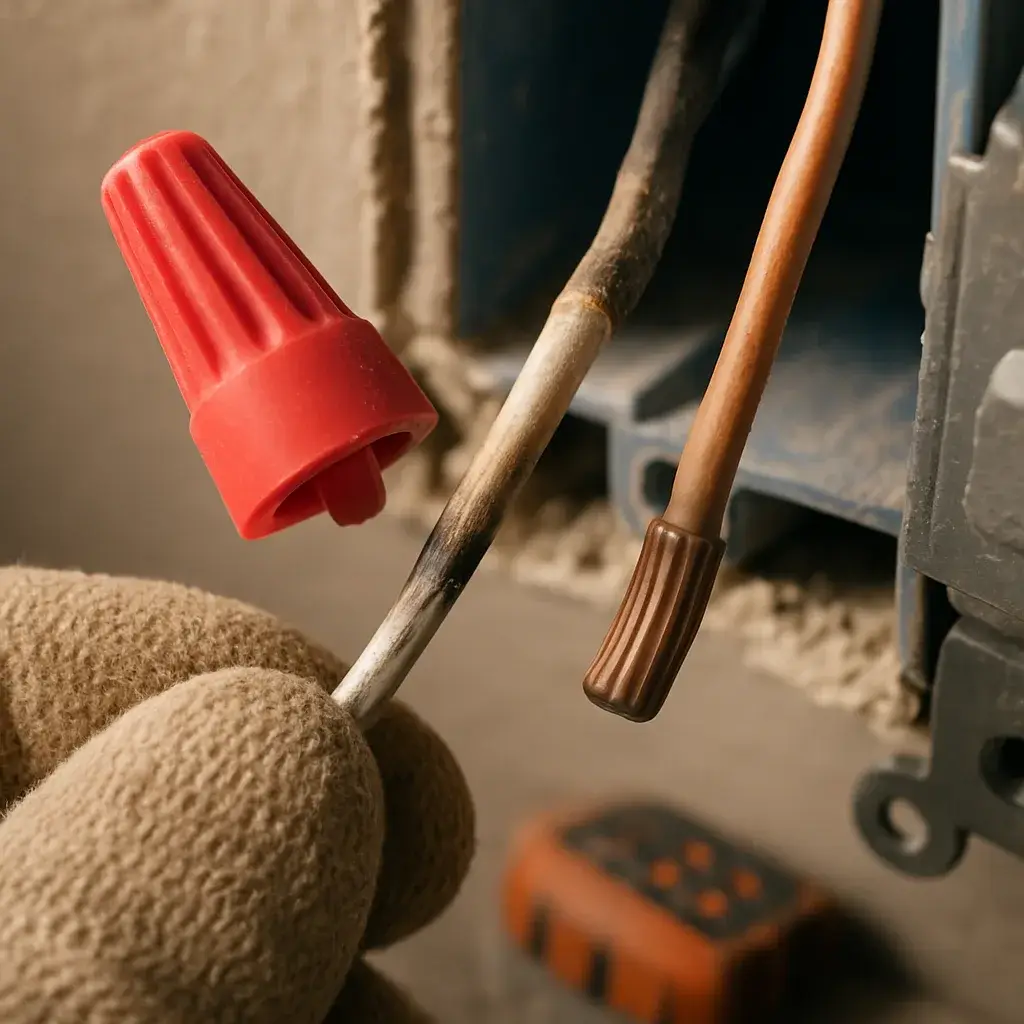
A warm or discolored outlet cover is a big one. So is a light switch that feels warm to the touch, or a faint burning smell near an outlet with nothing plugged in. Lights that flicker or dim when an appliance kicks on, that’s another sign worth paying attention to. We see this every single week in older homes that still have their original branch wiring.
- Outlets or switch plates that feel warm or look scorched
- Lights flickering or dimming without an obvious cause
- Breakers tripping more than they used to, for no clear reason
- A faint burning or hot-plastic smell near outlets or switches
- Sparks or a crackling sound when you plug something in
Many of Sunnyvale’s older homes went up during that same 1965 to 1973 window when aluminum wiring was common nationwide, before builders switched back to copper. If your house dates from that stretch and you’ve never had the wiring checked, these signs matter more than they would in a newer build.
Pigtailing vs. Full Copper Replacement: How the Decision Gets Made
So which one do you need, pigtailing or a full swap? Here’s the honest answer: it depends on what we find once the cover plates come off. Pigtailing means connecting a short piece of copper wire to each aluminum wire using an approved connector, then hooking that copper to your outlet, switch, or fixture. It fixes the danger point without pulling new wire through your walls. Full copper replacement means exactly what it sounds like, running new copper wire from the panel out to every affected circuit.
Neither one is automatically the right call. We’ve walked into Sunnyvale homes built in the 60s and 70s with attic access tight enough that pulling new wire through every wall would mean opening drywall in half the house, pigtailing made way more sense there. Other times the wiring is so degraded, or the panel’s in bad shape, that a full replace is the only thing that solves the problem long term.
- How many circuits and devices are affected
- Whether your attic or walls give us reasonable access
- The condition of your panel and whether it needs attention too
- Any code upgrades a permit inspector will require along the way
We test every circuit before we recommend anything. No guessing, no upselling you into a bigger job than your home needs. That’s just how we’d want it done in our own house.
When You Might Not Need Full Rewiring
Not every home with aluminum wiring needs the whole house pulled apart. If your wiring is aluminum but the connections at outlets, switches, and fixtures are solid, you might only need approved pigtailing. That’s where a licensed electrician joins a short piece of copper wire to the aluminum at each device using a connector rated for that purpose. It costs less, takes less time, and solves the actual danger point.
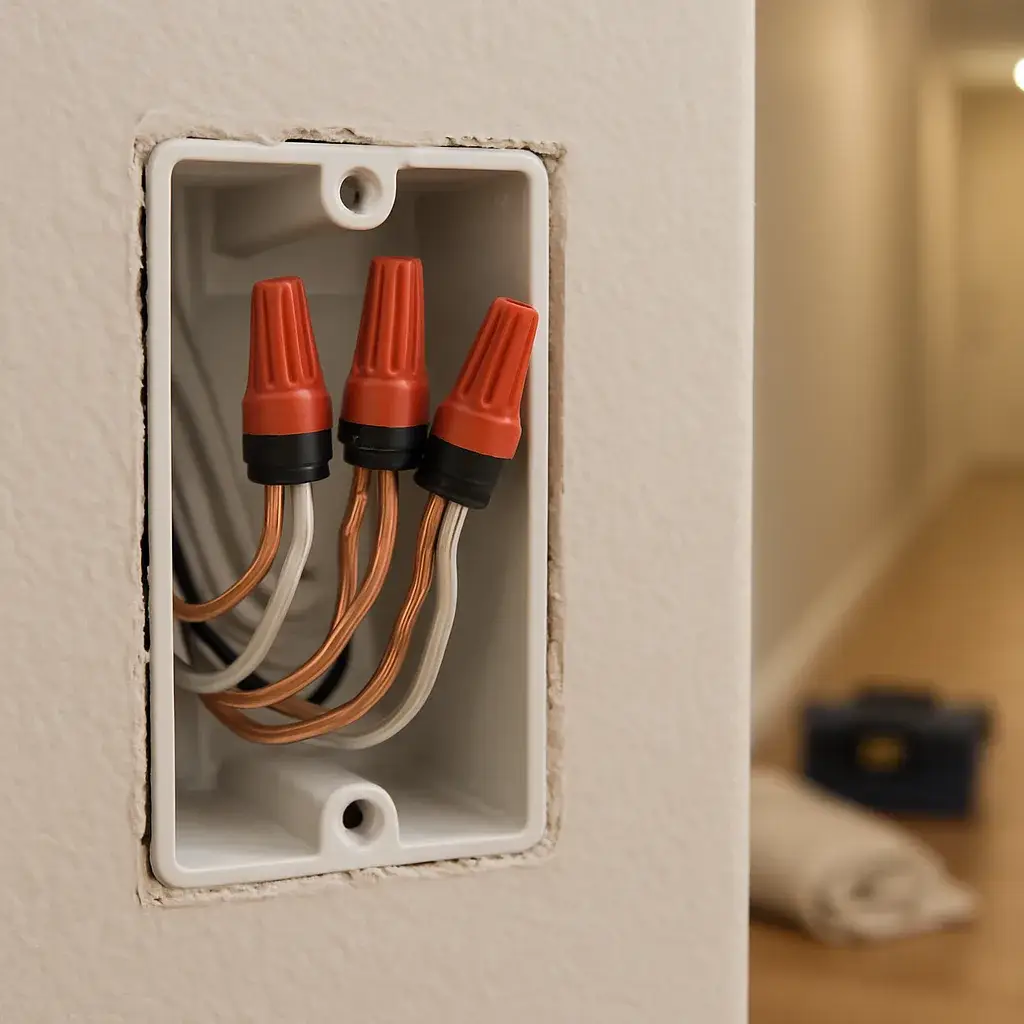
The danger with aluminum wiring isn’t the metal itself. It’s the connections. Aluminum expands and contracts more than copper, loosens over time, and that’s where heat builds up. So if an inspection shows your connections are tight, your devices are in good shape, and there’s no scorching or discoloration, full replacement may be overkill.
There are cases where waiting makes sense too. Selling soon and the buyer’s inspector hasn’t flagged anything specific? A pigtail fix might satisfy the inspection without a bigger project. Doing a small addition on one circuit? You may only need work on that circuit, not the whole panel.
We won’t tell you to rewire a whole house just because we’re standing in it.
Here’s the honest line: if nobody’s ever inspected your aluminum wiring and you don’t know the condition of your connections, that’s the thing to fix first, not guessing at scope. An inspection tells you if you’re in pigtail territory or full replacement territory. Skipping straight to a bigger job without that answer just costs you more than you needed to spend.
Need help with Aluminum wiring replacement?
Call Today, Get Service Today. Xtreme Air Services is ready to help.
What Happens During an Aluminum Wiring Inspection and Remediation
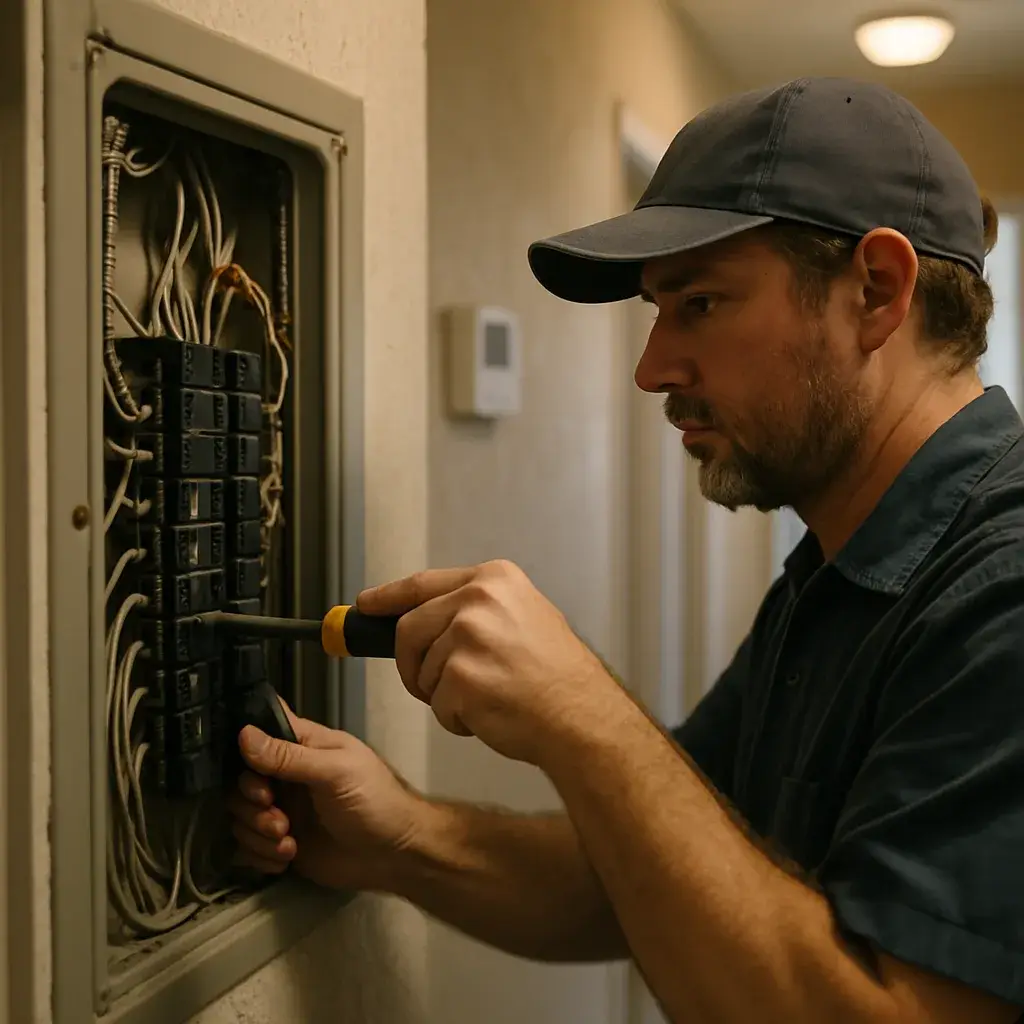
First thing we do is open a panel cover and a few switch boxes and look. Aluminum wire has a dull, silvery look next to copper’s warm color, and it’s usually stamped right on the sheathing if you know where to check. We’re not guessing here, we’re confirming it circuit by circuit.
A lot of homes around Sunnyvale still have attic access points built for the original 1970s wiring runs, tight, low-clearance spaces that make tracing circuits slower than in a newer subdivision home. That’s part of what shapes the plan before any wire gets touched.
- Test and map every circuit that runs on aluminum, not just the ones acting up
- Check the panel itself for heat damage, loose lugs, or breakers rated wrong for aluminum
- Decide, device by device, whether an approved connector pigtail works or the run needs full copper replacement
- Open walls or attic access only where it’s needed to reach the wire
- Install and torque every connection to spec, then label the circuit
- Test each device under load before we call it done
That last step matters more than people think. A connection that looks fine cold can still run hot under a real load. We check that before we close anything up, not after.
Most jobs finish in a day or two depending on circuit count and how much access work is involved. Bigger homes with whole-house aluminum runs take longer. Our licensed and insured team handles the whole thing start to finish, so you’re not managing three different contractors for one repair.
Sunnyvale Summers and Aging Aluminum Connections
Texas summers don’t just wear out your AC. They wear out your wiring too.
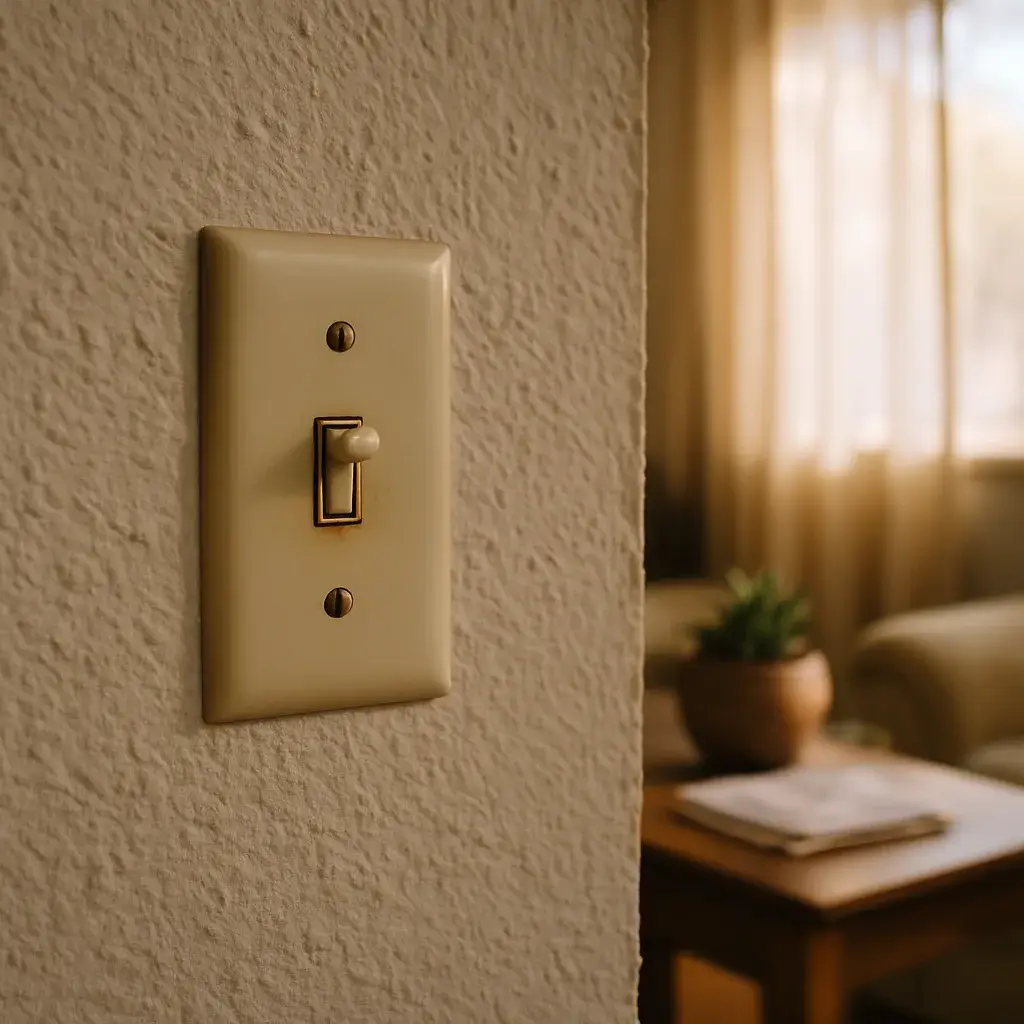
Aluminum expands and contracts more than copper does when it heats up and cools down. Every summer, every winter, that connection at your outlet or switch moves just a little. Over years, it works itself loose. Now put that wire in a Sunnyvale attic that regularly climbs past 130 degrees in July and August, and you’ve sped up the whole process. Loose aluminum connections build resistance, resistance builds heat, and heat is exactly what you don’t want sitting behind your drywall.
A lot of homes in this area were built during the stretch when aluminum branch wiring was common practice, before copper prices came back down and the industry moved away from it. If your house falls into that build era, the wiring’s been through decades of Texas heat cycles already. That’s not a scare tactic, it’s just what aluminum does over time in a climate like ours.
We’ve opened up outlet boxes in Sunnyvale homes and found connections that were warm to the touch just from normal use, not even a heavy load. That’s the kind of thing you don’t want to find out about the hard way, with a breaker that won’t reset or a scorch mark behind a switch plate.
So does every aluminum-wired home need work right now? Not necessarily. But the clock’s ticking a little faster here than it would in a milder climate, and that’s worth knowing before you decide to wait.
Frequently Asked Questions
Common questions about Aluminum wiring replacement
How fast can you get someone out to look at aluminum wiring in Sunnyvale?
We schedule most aluminum wiring inspections within a few days of your call. Many Sunnyvale homes from the 1965 to 1973 building boom have this wiring, so we’re used to fitting these visits in quickly. During the call, we’ll ask about warning signs like warm switch plates or flickering lights so we know what to check first. If you’re smelling burning plastic near an outlet, tell us right away. That moves you to the front of the line.
What happens when the electrician shows up to check my wiring?
We open your panel cover and a few switch boxes to look at the wire itself. Aluminum has a dull, silvery look next to copper’s warm tone, and it’s often stamped on the sheathing. We test and map every circuit that runs on aluminum, not just the ones giving you trouble. In older Sunnyvale homes, attic access built for original 1970s wiring runs can be tight, so we plan around that before touching anything.
Why does aluminum wiring show up so often in Sunnyvale homes?
Aluminum wiring was common in homes built between 1965 and 1973, before builders switched back to copper. Sunnyvale has a lot of housing stock from that exact window, so it’s something we run into every week. If your home falls in that age range and the wiring has never been checked, warm outlets or breakers that trip for no reason are worth taking seriously. An inspection tells you exactly what you’re dealing with.
Do I need my whole house rewired if I have aluminum wiring?
Not always. If your connections are tight and your devices show no scorching or discoloration, approved pigtailing at each outlet and switch may solve the problem. Full copper replacement only makes sense when the wiring is badly degraded or your panel needs attention too. We test every circuit before recommending anything, so you’re not paying for a bigger job than your house needs.
How long does aluminum wiring replacement or pigtailing take?
Most jobs finish in a day or two, depending on how many circuits are affected and how much access work is involved. Homes with tight attic clearance, common in older Sunnyvale houses, can add time because tracing circuits takes longer. Bigger homes with whole-house aluminum runs take more days than a single-circuit fix. We’ll give you a clearer timeline once we’ve mapped your circuits during the inspection.
Should I fix aluminum wiring before selling my Sunnyvale home?
It depends on what your inspector finds. If a buyer’s inspection hasn’t flagged anything specific, an approved pigtail fix can often satisfy the report without a bigger project. If connections show heat damage or the panel is outdated, that’s a different conversation. We won’t push you into a full rewire just because a sale is coming up. An inspection gives you the facts before you decide.
Ready to Get Started?
Call 972-288-2263 Today, Get Service Today.