
Blower Motor Replacement in Sunnyvale: Get Airflow Back Fast
Diagnosis and replacement of the motor that moves your air, sized and tested for attic systems that run hot all summer.
What’s Covered on This Page
- Signs Your Blower Motor Is Failing
- Furnace Blower vs. AC Fan Motor: Why the Fix Differs
- When a Blower Motor Replacement Isn’t the Real Problem
- What Happens During a Blower Motor Repair Visit
- What Drives Blower Motor Replacement Cost
- How fast can someone come look at my blower motor in Sunnyvale?
- What happens when the technician shows up to fix my blower motor?
- Why do blower motors fail more often in Sunnyvale attics?
- How do I know if it’s the furnace blower or the AC fan motor?
- Could weak airflow be something other than a bad blower motor?
- What can make a blower motor short cycle or run nonstop?
Signs Your Blower Motor Is Failing
Your blower motor is the workhorse pushing air through your ducts. When it starts going bad, it doesn’t usually fail quietly. It complains first.
- Weak or no airflow from the vents, even though the outdoor unit is running
- Grinding, squealing, or rattling noises coming from the indoor unit or attic
- The blower runs constantly and never seems to shut off
- Rooms cool unevenly, some feel fine, others stay warm
- A burning smell when the system kicks on
- Higher electric bills with no other explanation
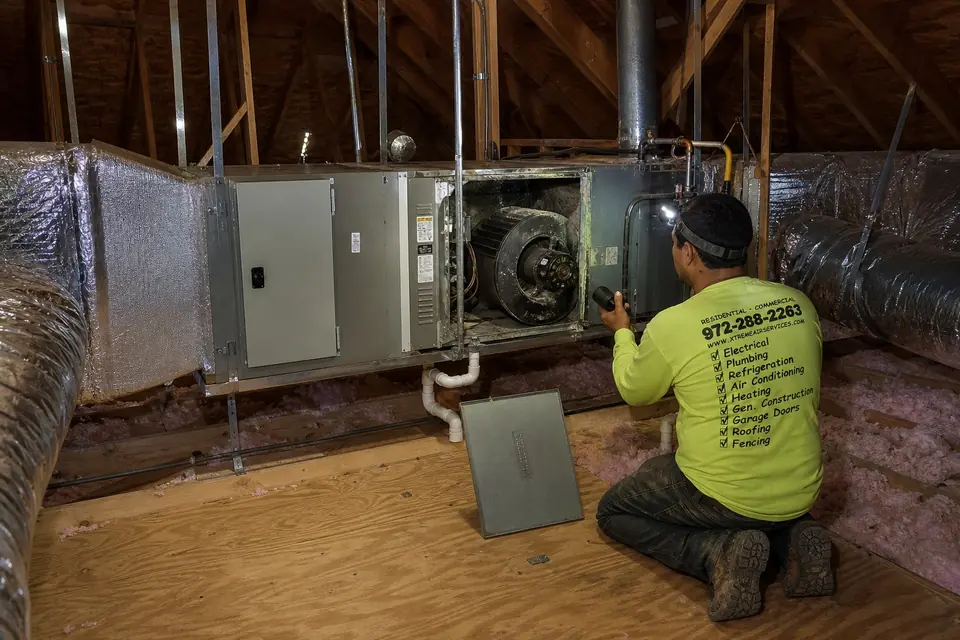
Here’s the thing nobody tells you: a struggling motor doesn’t just make your house uncomfortable, it drives up your bill because it’s working harder to move less air. We see this every single week in homes with attic-mounted systems around Sunnyvale, where summer attic temperatures push well past 120 degrees and force the motor to strain even more. That extra heat load wears down bearings and windings faster than a system in a conditioned space ever would.
Not sure if what you’re hearing is a blower issue or something else entirely? That’s a common question, and honestly, it’s sometimes hard to tell without a technician listening in person.
One more thing worth mentioning: if your system short cycles, turning on and off in quick bursts, that can point to blower trouble too, not just a thermostat problem.
Furnace Blower vs. AC Fan Motor: Why the Fix Differs
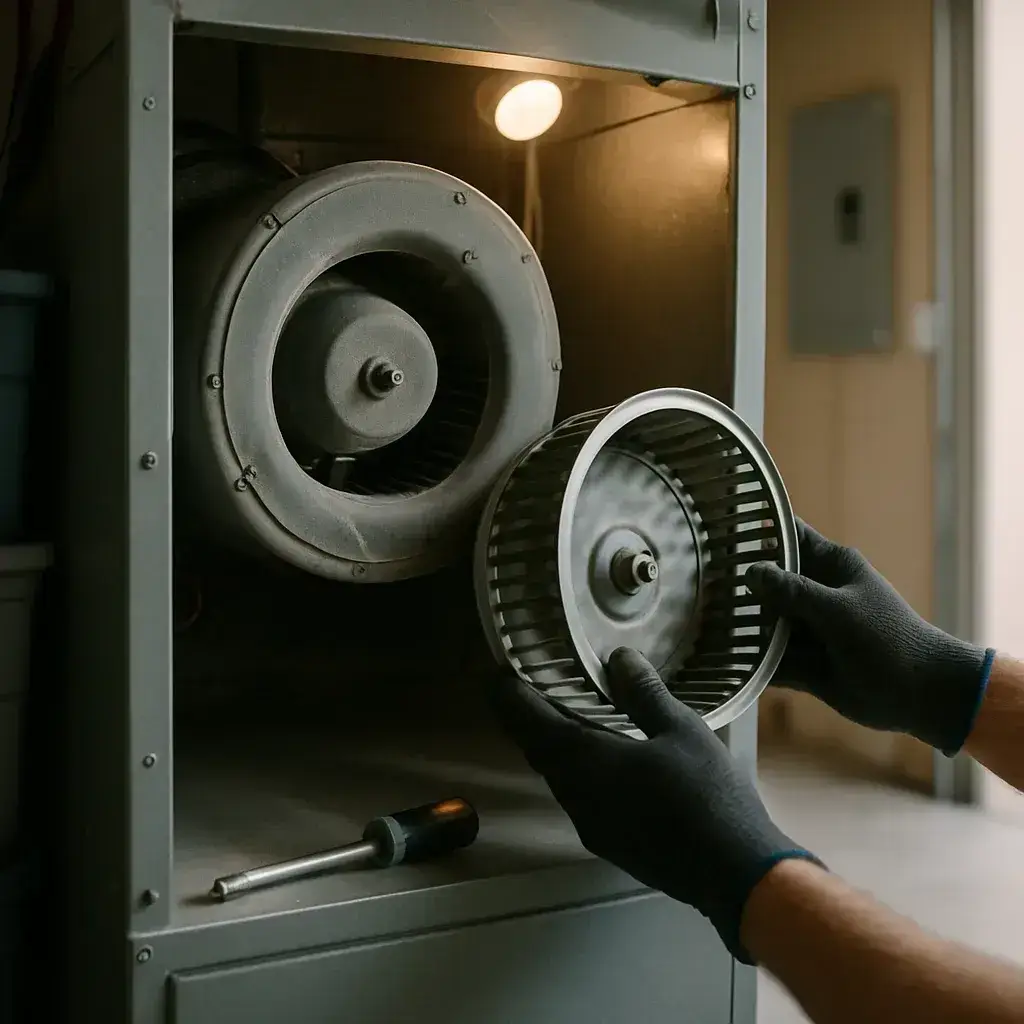
Here’s where a lot of folks get mixed up. The furnace blower motor and the AC fan motor are not the same part, even though both get lumped together as your system’s fan. The furnace blower is the big squirrel cage motor inside your air handler or furnace cabinet. It pushes air through your ducts, whether that air is heated or cooled. The AC fan motor usually means the one spinning the fan on your outdoor condenser unit. Different job, different location, different failure pattern.
So why does that matter to you? Because the symptoms point us in different directions before we even open a panel. Weak airflow at every vent, a burning smell, or a furnace that fires but blows no air usually means the indoor blower. A hot, humming outdoor unit that won’t spin, or a compressor that short cycles, points to the condenser fan motor outside.
- Indoor blower failing: reduced airflow, rattling noise, no air movement despite the system running
- Outdoor fan motor failing: unit hums but the fan doesn’t turn, higher discharge temperatures, overheating shutdowns
- Shared symptom either way: uneven temperatures and a system working harder than it should
We’ve walked into plenty of homes where the customer swore it was the AC, and it turned out to be the indoor blower struggling on both heating and cooling cycles. Once we confirm which motor failed, the fix is straightforward. Different motor, same promise: diagnose it right, replace what’s broken, and test it before we call the job done. 80 six days a week.
When a Blower Motor Replacement Isn’t the Real Problem
Weak airflow doesn’t always mean the blower motor is dying. Sometimes it’s something smaller, and cheaper to fix.
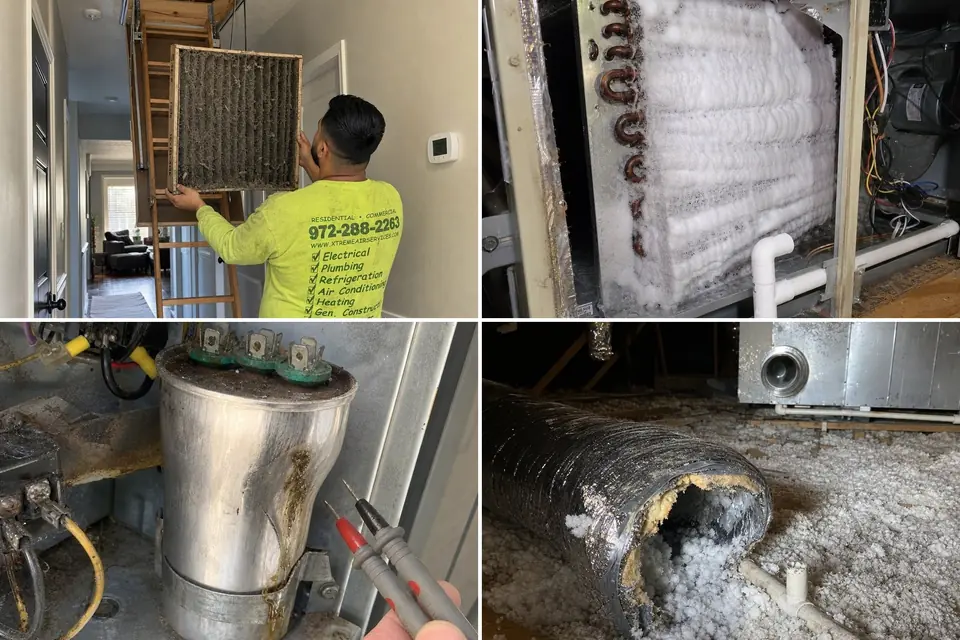
A dirty air filter can choke airflow so badly it mimics a failing motor. So can a frozen evaporator coil, a bad capacitor, or ductwork that’s come loose in the attic. If the blower runs but the air feels weak everywhere, we check the filter and the coil before we touch the motor. If the blower doesn’t run at all, a tripped breaker or a bad thermostat signal can look exactly like a dead motor from where you’re standing.
Here’s the thing.
Homes in Sunnyvale with attic-mounted air handlers run hotter than the rest of the system, and that heat stress hits the blower capacitor and control board before it ever touches the motor windings. So a no-airflow call in July might be the blower capacitor giving out under attic heat, not the motor itself.
- Airflow is weak but not zero, check filters and ducts first
- No airflow and the unit is dead silent, check the breaker and thermostat wiring
- A burning smell with no airflow points to a motor or a board, not a filter
If your system just needs a filter change or a reset, we’ll tell you that on the phone. That’s the honest answer, even when it costs us a truck roll.
Have questions? We’re happy to help.
Call Today, Get Service Today. Xtreme Air Services is ready to help.
What Happens During a Blower Motor Repair Visit
Here’s what happens once we pull up to your house. It’s a straightforward visit, not the all-day ordeal folks brace themselves for.
- We ask what you noticed first. Weird noise, no airflow, a burning smell. That tells us where to look.
- We pull the panel and test the blower motor and its wiring. This finds the failed part fast, no guesswork.
- We check the capacitor and control board too. A bad motor sometimes takes a part down with it.
- We show you what we found and walk you through the fix in plain English before touching anything else.
- We quote it flat rate, upfront, before we start. You approve it, then we get to work.
- We replace the motor, test the system through a full cooling or heating cycle, and clean up after ourselves.
- We make sure the airflow feels right and the system’s running quiet before we call it done.
Attic-mounted systems, common in a lot of Sunnyvale homes, add a wrinkle. Working in a hot attic space takes more time and care than a garage or closet unit, so our tech accounts for that upfront instead of surprising you with it later.
And if we find something else going on, a failed capacitor, worn bearings, corroded wiring, we’ll tell you before we touch it, not after.
Most visits wrap in a couple hours. You get a working system, a clear explanation, and no extra charge whether we showed up on a Tuesday afternoon or a Saturday night.
What Drives Blower Motor Replacement Cost
So what actually changes the price on a blower motor job? A few things, and most of them come down to what’s inside your air handler when we open it up.
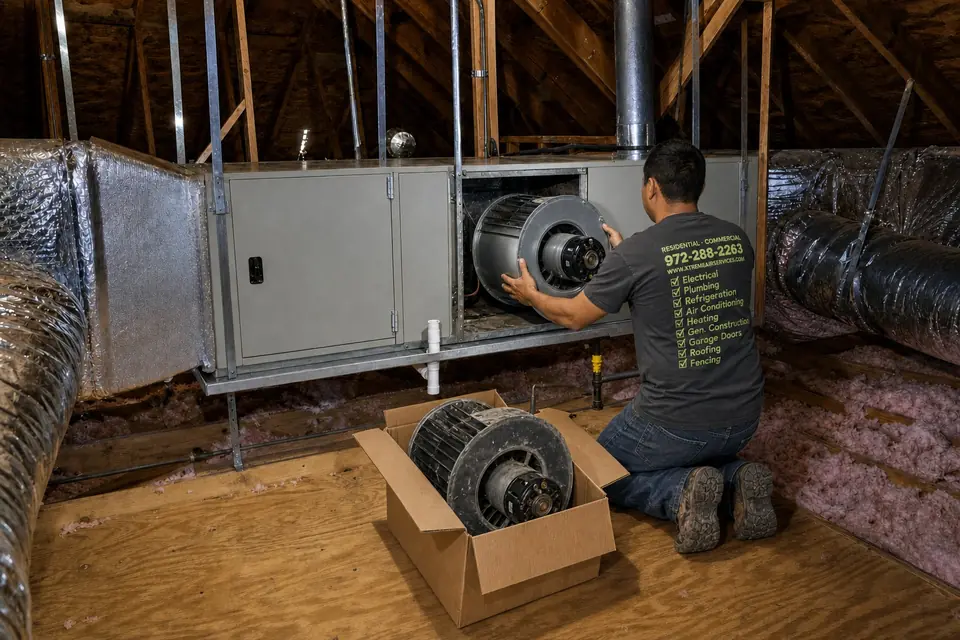
The biggest factor is how far the failure spread. Sometimes the motor just quit, clean and simple, we swap it and you’re done. Other times a bad capacitor or a wiring issue took the motor down with it, and now we’re replacing more than one part.
- Extent of the failure, one bad part versus several
- Part cost and availability for your equipment’s brand
- Equipment age, older systems sometimes need harder-to-source parts
- Whether the motor is a standard type or an ECM or variable-speed unit, these run at the higher end
- After-hours timing, though this never adds a surcharge with our team
That last point matters. Nights and weekends cost the same as a Tuesday afternoon, no extra charge for calling us after hours.
A service-call fee applies to get a technician out, that fee runs $26 to $99, and it gets credited toward the repair if you move forward with us. Your quote covers diagnosis, labor, and the standard replacement part, plus testing and cleanup before we leave. It does not cover a second failed part we find mid-job, a major component replacement, or any code upgrade or permit work, those get quoted separately once we see what’s going on.
Ask your technician which category your repair falls into before work starts. That one question tells you almost everything about where your price will land.
Frequently Asked Questions
Common questions about Blower motor replacement
How fast can someone come look at my blower motor in Sunnyvale?
Most blower motor calls in Sunnyvale get a same-day or next-day visit, especially during hot stretches when attic systems are working overtime. A tech asks a few questions on the phone first, weak airflow, strange noise, or a burning smell, so we know what to bring. That short conversation often tells us if it’s a simple filter fix or a real motor problem before we even knock on your door.
What happens when the technician shows up to fix my blower motor?
The technician pulls the panel and tests the motor, wiring, capacitor, and control board before touching anything. You get a plain-English explanation of what failed and a flat quote before work starts. Most visits wrap in a couple hours, even with attic-mounted systems that take extra care because of the heat. You’ll get a full test cycle and a check that airflow feels right before we call it done.
Why do blower motors fail more often in Sunnyvale attics?
Attic temperatures in Sunnyvale can push past 120 degrees in summer, and that extra heat stress wears down motor bearings and windings faster than a unit in a conditioned space. This same heat also hits the blower capacitor and control board hard, so a “dead” blower sometimes turns out to be a fried blower capacitor instead of the motor itself. If your air handler sits in the attic, expect parts to age quicker than they would in a garage or closet setup.
How do I know if it’s the furnace blower or the AC fan motor?
Weak airflow at every vent or a burning smell with the system running usually points to the indoor furnace blower, not the outdoor AC fan. If the outdoor unit hums but the fan blade isn’t spinning, or you notice higher discharge temperatures, that’s the condenser fan motor outside. These are two different parts with different failure patterns, so matching the symptom to the right motor saves you a wasted diagnosis.
Could weak airflow be something other than a bad blower motor?
Yes, weak airflow doesn’t always mean the motor is dying. A dirty filter, a frozen evaporator coil, loose attic ductwork, or a failing capacitor can all mimic a blower going bad. If the blower runs but air still feels weak, checking the filter and coil first often finds a cheaper fix. If your system just needs a filter swap or a reset, an honest technician will tell you that over the phone before scheduling a visit.
What can make a blower motor short cycle or run nonstop?
A blower that never shuts off, or one that cycles on and off in quick bursts, often points to motor trouble rather than a thermostat glitch. This happens because a struggling motor works harder to move the same amount of air, straining itself further with every cycle. Catching this early, before the motor seizes completely, usually means a simpler repair and less wear on the rest of your heating and cooling system.
Ready to Get Started?
Call 972-288-2263 Today, Get Service Today.