


What Problems and Questions Come Up Most With Boiler Installation?
Sizing the replacement correctly, venting and combustion air, compatibility with existing piping and radiators, permits, and how much downtime to expect.
What’s Covered on This Page
Sizing the Replacement Boiler Correctly
Many homeowners think the new boiler should just be the same size as the old one. But the old boiler might have been oversized. Or maybe your building got new insulation, windows, or an addition since it was installed. We look at square footage, insulation, window count, ceiling height, and how the space is used. We do all of this before we decide on a size.
Bigger isn’t better for boilers. An oversized boiler cycles on and off quickly because it heats the space faster than the thermostat can react. That short-cycling stresses the heat exchanger and burner components over time. It also wastes fuel. A boiler that’s too small will run constantly during a hard freeze and still struggle to maintain your desired temperature. We see this often in older DFW homes.
For commercial jobs, we also look at domestic hot water demand if the boiler does double duty. And we check any zoning already built into the piping. Older buildings around Sunnyvale and the Dallas-Fort Worth area often have piping sized for a boiler twice as big as what the building needs now (especially after efficiency upgrades).
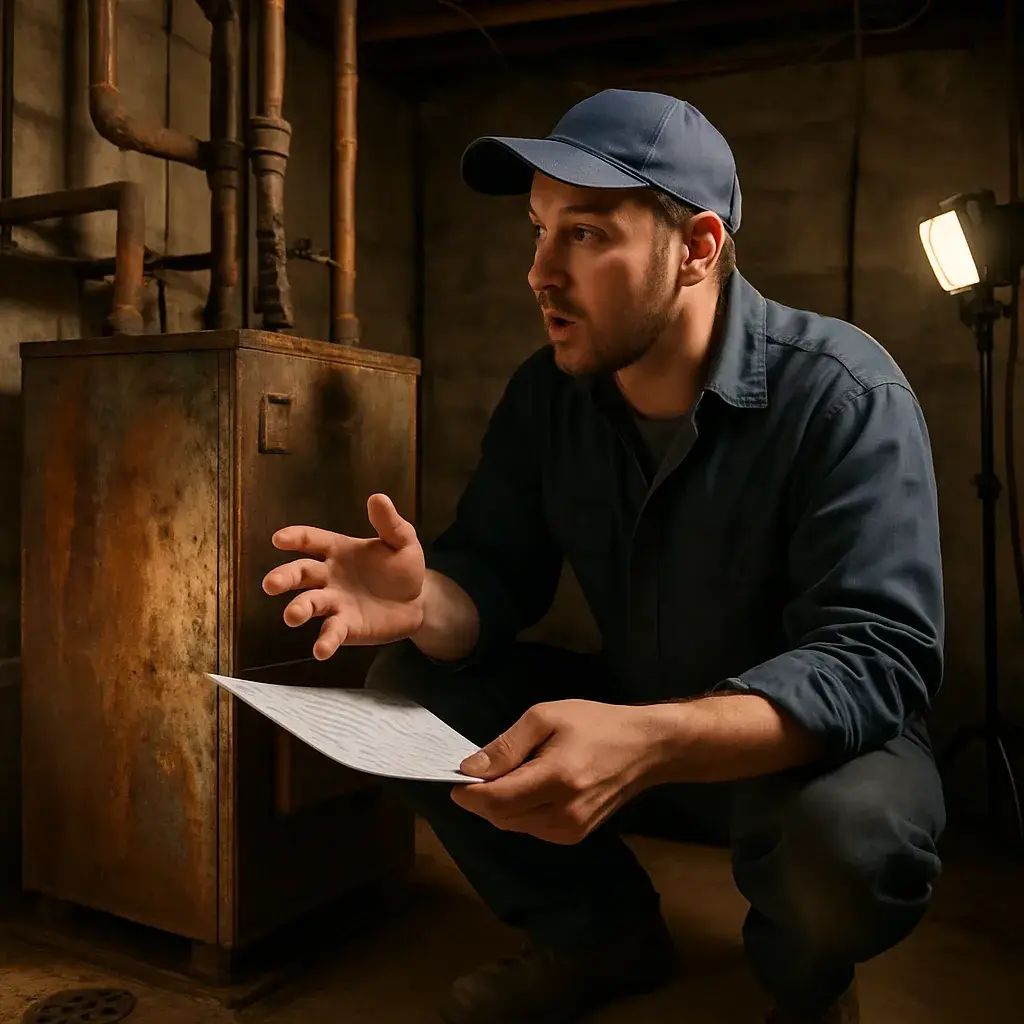
This is where a real site visit makes a big difference. We walk the mechanical room. We check existing venting and gas line sizing. Then we confirm the space can handle the boiler we’re recommending before we write anything down. When sizing questions turn into a full replacement conversation, we give you repair-or-replace options in writing before any work starts.
Cost comes up once sizing is settled, since equipment capacity is one of the biggest price factors. We keep current ranges and what moves them on our boiler installation pricing guide.
If you want to talk through what size fits your building before you commit to anything, that’s a conversation worth having with a licensed technician. Don’t just guess off an old nameplate.
Venting and Combustion Air Compatibility
People ask us this a lot: will the new boiler just hook up to the vent pipe or chimney that’s already there? Sometimes yes. Often no. It comes down to what type of boiler you’re installing and what kind of venting your home already has.
Older homes across Sunnyvale and the rest of the DFW area often have atmospheric boilers. These vent through a masonry chimney or a metal flue pipe. Those setups rely on natural draft to pull exhaust up and out. A high-efficiency condensing boiler works differently. It runs cooler exhaust and usually vents through PVC pipe, either up through the roof or straight out a sidewall. Push that cooler, wetter exhaust up an old masonry chimney built for a hotter, less efficient unit, and you can run into moisture and corrosion problems inside the chimney over time. And nobody wants that.
There’s also the question of combustion air. A boiler needs a steady air supply to burn gas correctly. In a tight mechanical room or a closet install, that air has to come from somewhere. It needs a dedicated intake pipe or a properly sized vent to outside air. Older mechanical rooms weren’t always built with that in mind, since the boilers of that era pulled air more loosely from the surrounding space.
This is one of the real reasons a boiler swap can cost more than someone expects. If the existing chimney can’t be reused safely for the new unit, or the room doesn’t have proper combustion air, that’s added labor and materials beyond the boiler itself. We’d rather walk you through that during the visit. Better to know up front.
During a boiler consultation, we look at the vent type, the chimney or pipe condition, the room the boiler sits in, and where combustion air will come from. We plan the venting route to match the equipment and to code. And we handle the permits and inspections that go with it. You can see how this fits into the full installation on our page for Boiler Installation in Sunnyvale | Xtreme Air Services.
Compatibility With Existing Piping, Radiators, and Hydronic Components
Most of the homes and buildings we work on already have piping and radiators in place. Not all of it matches up with a new boiler right away. We check pipe material, sizing, and radiator condition before we quote anything. A boiler that isn’t matched to the system around it won’t heat evenly and won’t last as long as it should.
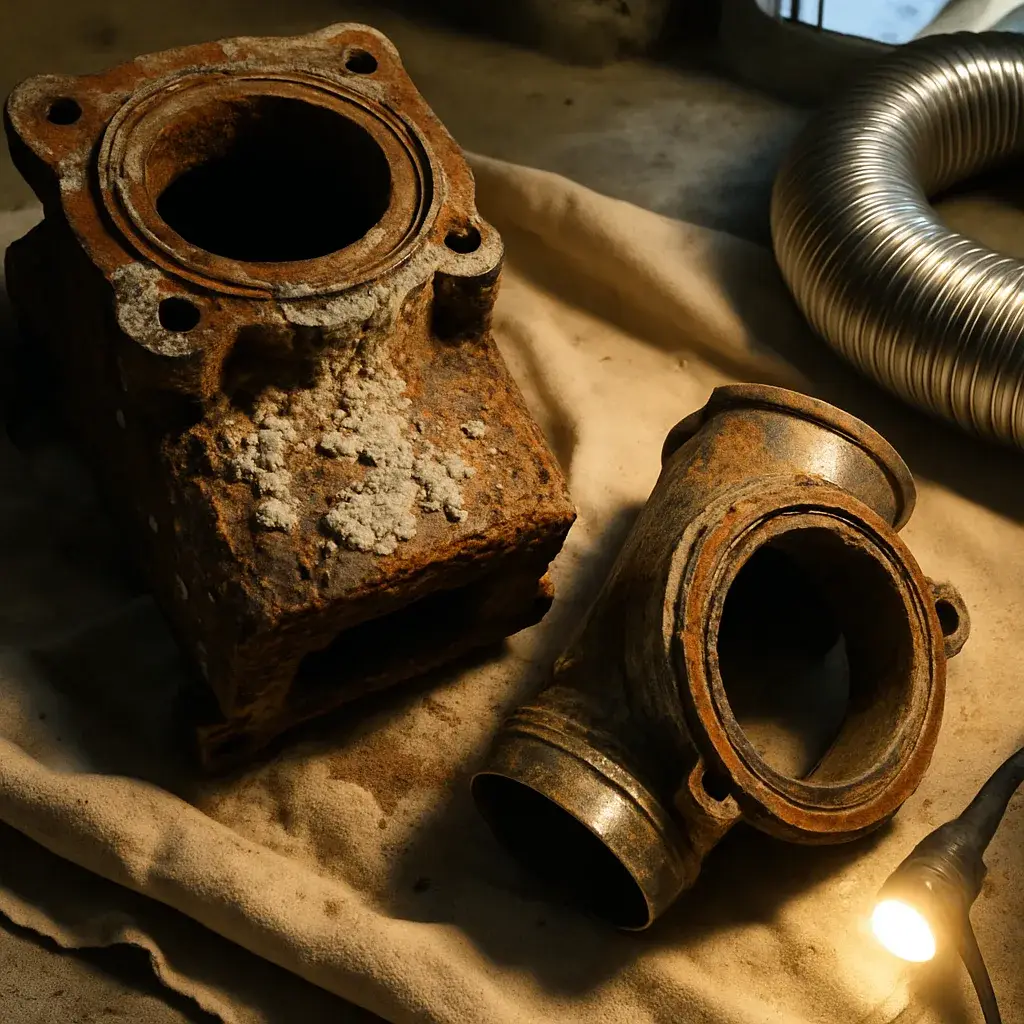
Many older buildings in the DFW area were built with galvanized steel piping or cast iron radiators. These were sized for equipment that’s decades old. New boilers put out heat differently than older units. If the piping is too small or the radiators are undersized for the new output, you get uneven heat or short cycling. Sediment buildup inside old iron radiators is common too. It can restrict flow even after a new boiler goes in.
- Pipe material and diameter, to confirm they can handle the new boiler’s flow rate
- Radiator age, type, and condition, since old cast iron holds sediment differently than newer panel radiators
- Circulator pump compatibility with the new system’s head
- Expansion tank sizing for the water volume in the existing loop
- Existing air venting and whether it needs updating for the new setup
Once we know what we’re working with, we handle boiler system design and boiler consultation. We figure out whether the current piping and radiators stay or need work. Some jobs only need a straightforward boiler installation or boiler replacement using existing connections. Others need piping installation or hydronic heating installation to bring the system up to what the new equipment needs.
We won’t tell a customer their old piping will work fine if it won’t. If the existing lines are undersized or the radiators can’t handle the new output, that’s a real cost factor. It moves a job outside a standard like-for-like install. Our pricing guide breaks down what’s included in a typical job and what pushes a project past that range.
If you’re not sure what you’re working with, our Boiler installation page walks through the process. It covers everything from the first visit to the final walkthrough, including how we check the existing system before anything gets quoted.
Have questions? We’re happy to help.
Call Today, Get Service Today. Xtreme Air Services is ready to help.
Permits and Inspections for Boiler Installation
A boiler installation almost always needs a permit. In most towns it needs a final inspection before the job is considered closed. We pull the permit, schedule the inspection, and handle the paperwork as part of the job. You don’t have to track down a form or call the town yourself.
Sunnyvale sits across the Dallas County and Kaufman County line. So which office reviews your permit depends on which side of that line your property falls on. We confirm this before work starts, not after. Permits for work inside town limits run through townofsunnyvale.org and the town’s online portal. We handle that submission as part of getting your project scheduled.
The inspection itself looks at things like venting, gas or fuel connections, clearances around the unit, and safety controls. On a commercial boiler, that can also include combustion testing and controls verification. It depends on the equipment and application. We don’t consider a boiler installation finished until it’s passed that check.
This matters more than it sounds like it should. An unpermitted boiler installation can create real problems later. It can lead to insurance claim denials or complications when you sell the building. Skipping the inspection doesn’t make the equipment safer. It just means nobody outside our crew has confirmed it. We’re a licensed mechanical contractor under the Texas Department of Licensing and Regulation. Every boiler job we do, from a straightforward boiler replacement to a full boiler system design and commissioning, gets performed to code. We get proper permits and inspections when they’re required.
If a project’s goal is to skip a permit or dodge an inspection to save time, we’re not the right fit for that job. We’ll walk you through why. And we’ll still give you a straight answer about what the code requires for your building and your equipment.
If you want to see how a permitted boiler installation fits into the bigger picture, from equipment selection through startup, our boiler installation services page walks through the full process.
What to Expect for Downtime During Installation
It depends on the size of the boiler and what’s already in place. A straightforward replacement using existing connections moves faster. A new install needing piping, venting, or electrical work built from scratch takes longer. We walk your site during the diagnostic visit. We give you a real timeline in writing, not a guess.
For most commercial buildings, the boiler isn’t the only source of heat or hot water. But it’s still a priority. That’s why we schedule the physical install at a time that works for you. Maybe that’s overnight, a weekend, or a slower stretch in your operation. We’d rather plan around your business than ask you to plan around us.
During the work itself, expect the old unit disconnected and removed. Then new equipment gets set and connected. The system is tested and started up before we call the job done. On a same-day scope, that can happen in one visit. Larger installs with duct, electrical, or plumbing modifications get scheduled out and staged. This way the building isn’t without heat or hot water any longer than the job requires.
Something we’ve seen matter more than people expect: access. A boiler tucked in a tight mechanical room or up a narrow stairwell adds real time to both removal and set. If your building has that kind of access, mention it up front. We’ll build it into the schedule instead of finding out the day of. (It saves everyone a headache.)
- You get a written, flat-rate scope before any work starts, so there’s no guessing what’s included
- Our technician walks you through the completed system and tests it with you before we leave
- We explain your warranty coverage and any maintenance recommendations at that same walkthrough
If you’re comparing this against a repair or want to see how installation scope is priced, our Boiler installation page breaks down what’s typically included.
Ready to Get Started?
Call 972-288-2263 Today, Get Service Today.