


Boiler Installation in Sunnyvale: One Contractor for Every Connection
Boiler and hydronic radiant installs in Sunnyvale with gas, water, and venting connections handled by one licensed team – pressure-tested before startup, not after.
What’s Covered on This Page
- Warning Signs That Point to Boiler Replacement
- Boiler vs. Furnace: What Fits a Mild-Winter Building
- When Servicing or Cleaning Solves the Problem
- What a Professional Boiler Installation Includes
- Gas Lines, Electrical Connections, and Permits for a Sunnyvale Boiler Install
- How fast can you schedule a boiler installation in Sunnyvale?
- What happens when your technician arrives to check my boiler?
- Why do older Sunnyvale buildings have more boiler problems?
- How do I know if I need a boiler repair or a replacement?
- What’s included in a standard boiler installation?
- Do I need a permit for a new boiler installation in Sunnyvale?
Warning Signs That Point to Boiler Replacement
A boiler doesn’t usually quit all at once. It fades. One winter, you hear a strange knocking sound in the pipes. The next winter, one room never gets warm. We see this often in older Sunnyvale buildings that still use hydronic radiant heat. The boiler and pipework wear out over time.
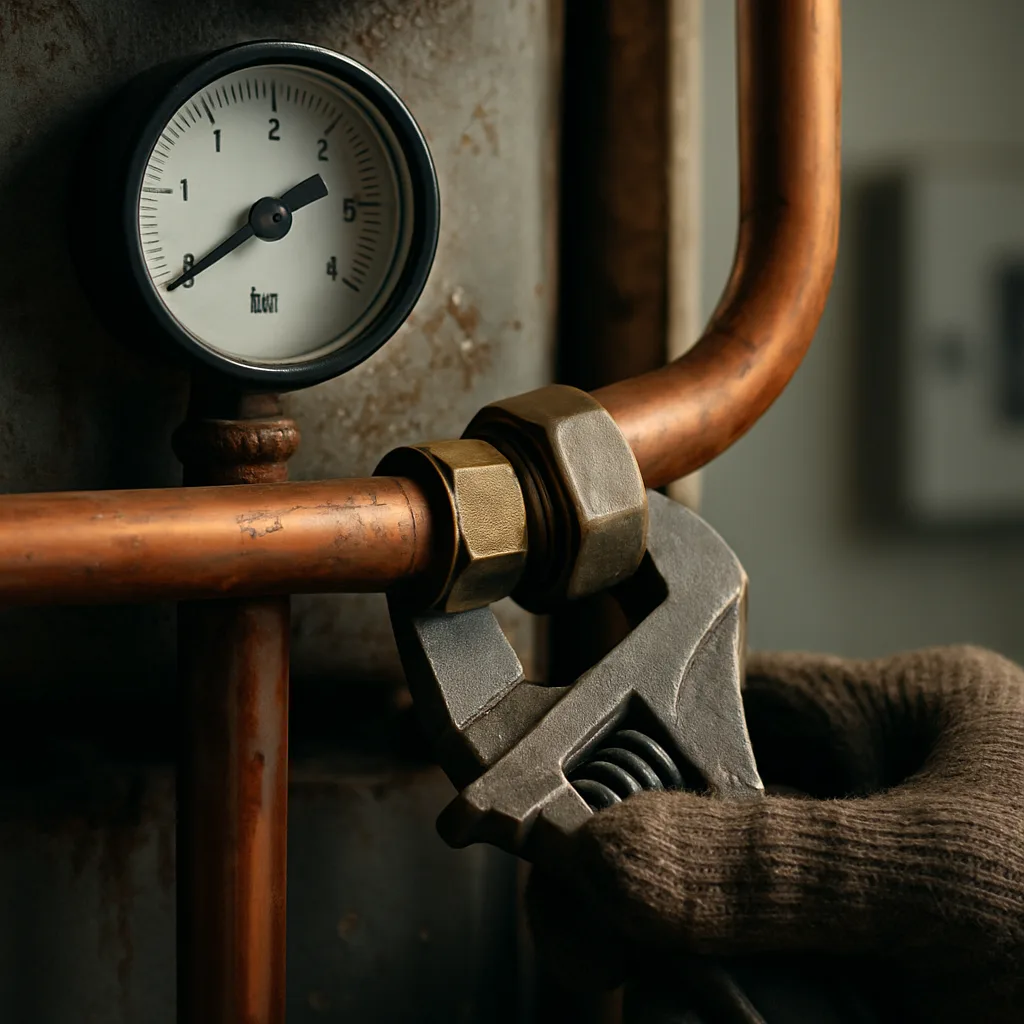
- Your boiler is past the typical 15 to 20-year lifespan
- You’ve called for boiler repair two or more times in the last year
- The water comes out rust-colored or cloudy
- You hear banging, kettling, or gurgling sounds from the tank or pipes
- The pilot light keeps going out or burns yellow instead of blue
- Your energy bills are climbing even though your habits haven’t changed
A yellow pilot flame can point to incomplete combustion and a carbon monoxide risk. That’s not something to wait and see about.
So how do you know if you need a repair or replacement? If the repair bill approaches the cost of a new boiler, replacement usually makes more sense long term. Older boilers also lose efficiency over time. Even one that still works may cost more to operate than a new boiler.
Boiler vs. Furnace: What Fits a Mild-Winter Building
Sunnyvale doesn’t get brutal winters. We get a few hard freezes and some ice on the bridges. Then it may be back to sixty degrees by the weekend. That matters when choosing your heating system.
A boiler heats water and sends it through pipes to radiators or in-floor loops. A furnace heats air and sends it through ducts. Both work well in North Texas cold, but they serve different buildings. A boiler is the natural fit if your building already has cast-iron or baseboard radiators. The same applies if you have in-floor radiant heat. Replacing that setup with ducted heat would mean opening walls and floors. That’s a lot of demolition for a climate that needs full-time heat only a few weeks each year.
If your building already has ductwork and a furnace or heat pump, we’ll tell you straight. A furnace replacement is usually the simpler, faster choice. Boilers make sense in buildings designed around hydronic heat, including commercial spaces with existing boiler loops. Installing one without hydronic piping requires new lines and possibly new venting. It’s a bigger job than most owners expect in a mild climate.
The real question isn’t which system is better. It’s which system your building was built around.
Not sure which system you have? That’s a fair question. Many owners of older Sunnyvale buildings don’t know whether they have a boiler loop or forced air. A technician can often tell by checking the mechanical closet.
When Servicing or Cleaning Solves the Problem
Not every boiler that’s acting up needs replacement. We’ll tell you that on the phone before we come out.
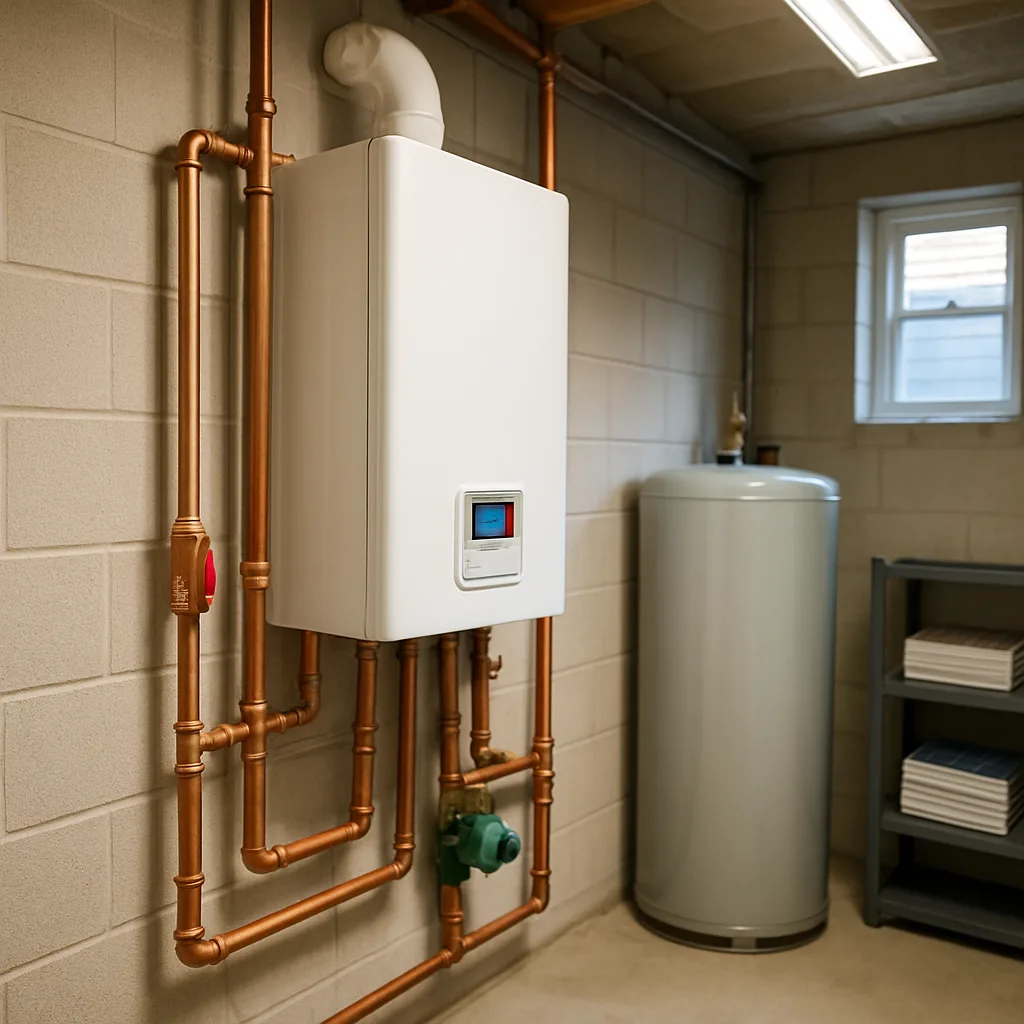
Many calls about a boiler running rough turn out to involve buildup, not failure. The trouble may be soot on the burners or sediment at the bottom of the tank. Sometimes the flame sensor is dirty instead of dead. These problems lower efficiency and make the boiler work harder than it should. They don’t mean the boiler is finished. A thorough cleaning and boiler service can bring a sluggish unit back to normal, sometimes in an afternoon.
- Your boiler heats slower than it used to but still gets there eventually
- You notice an odd smell or light soot around the burner access panel
- Short cycling started after months without a tune-up
- Pilot or ignition trouble comes and goes
- Your gas bills are higher with no other changes in the building
Boiler service can often solve these problems when the unit is under 15 years old. The heat exchanger must also be free of cracks. We check for that during boiler maintenance, so you don’t have to guess.
Sunnyvale has small commercial buildings and mixed-use properties with boilers that are 10 to 20 years old. Many of those units need regular boiler service to keep running well through our cold snaps. Skip that upkeep for a couple of years, and small problems can become bigger ones.
Don’t assume the worst when your boiler acts up. A cleaning and inspection may catch the problem early.
Have questions? We’re happy to help.
Call Today, Get Service Today. Xtreme Air Services is ready to help.
What a Professional Boiler Installation Includes
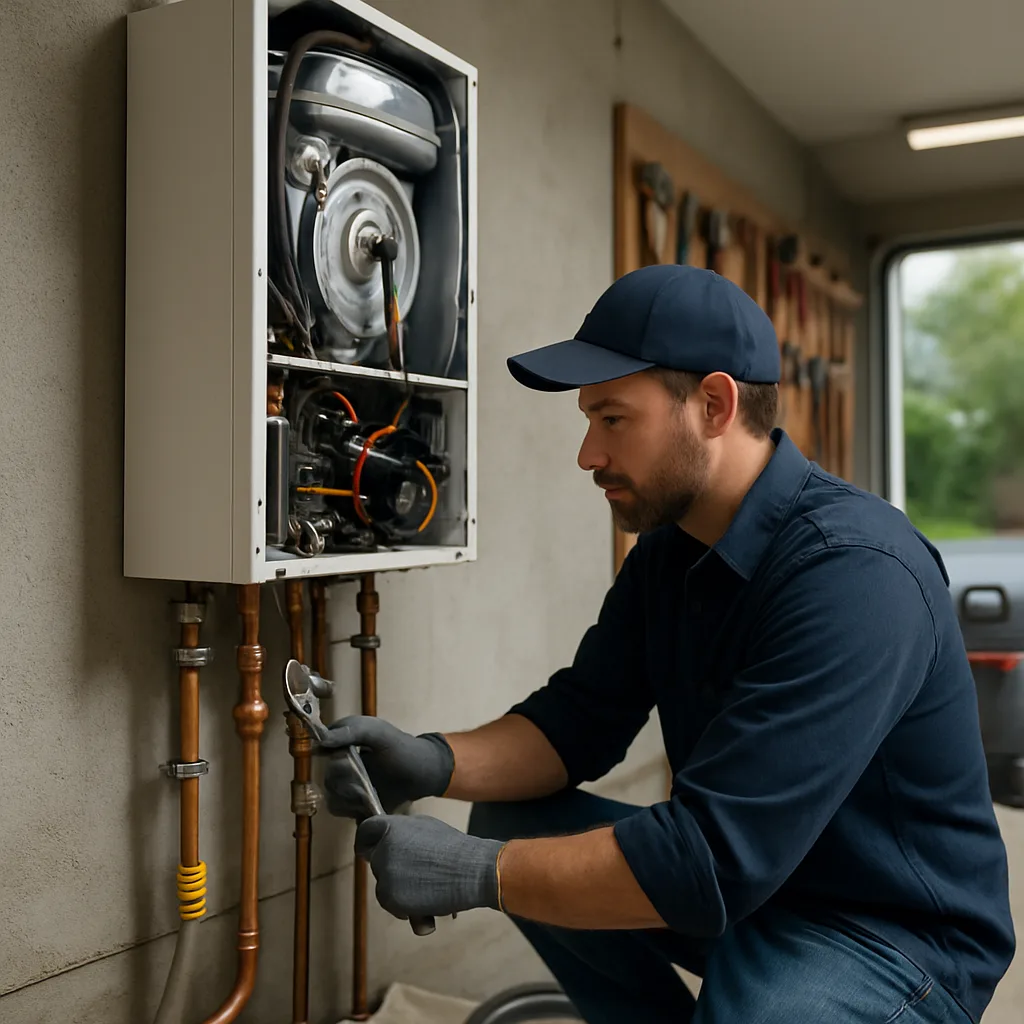
Most boiler jobs we handle are like-for-like replacements. Your old boiler dies or gets close to it. We replace it using the gas, water, and vent connections already in your wall or closet. There’s usually no need to tear into the structure or redesign the mechanical room. The new boiler goes where the old one came out.
What’s covered in that job? Here’s the rundown.
- We disconnect and haul away your old boiler, with no extra trip needed.
- We set the new boiler and connect it to your existing gas, water, and venting.
- We wire the controls and thermostat connections so the system responds properly.
- We test the lines for leaks before calling the job complete.
- We perform startup and combustion testing to confirm the boiler fires cleanly and safely.
That’s the core scope, and it’s what most Sunnyvale buildings need. Your building may require wiring or plumbing changes to support the new boiler. Code corrections or permit work required by the Town of Sunnyvale can also add to the job. We’ll point out that work before touching anything, never after.
Larger commercial jobs are more involved. They may need additional piping, higher capacity, or multiple zones. We scope each one as a full mechanical project rather than an oversized equipment swap.
Gas Lines, Electrical Connections, and Permits for a Sunnyvale Boiler Install
A boiler isn’t just a box on the wall. It needs a correctly sized gas line and a dedicated electrical connection for the controls and circulator pump. It also needs a flue that vents safely. If any part is wrong, you have a safety problem rather than a comfort problem.
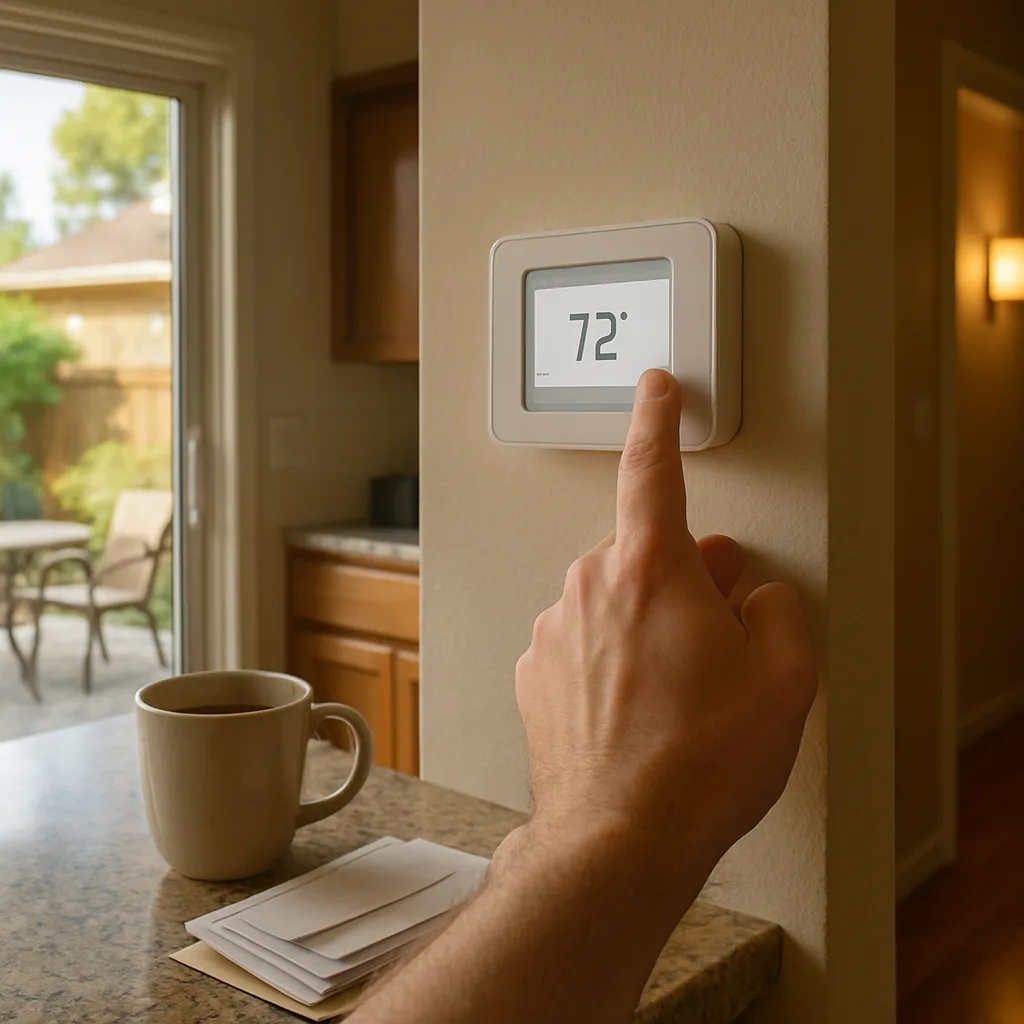
Most owners do not think about these details until a technician checks the boiler. A gas line sized for an older, smaller unit may not support a new high-efficiency boiler. The new boiler may need a larger line to supply enough fuel. The same issue can come up on the electrical side. Some older mechanical rooms only have an outlet intended for a light bulb, not a modern control board.
Permits matter here, too. Many municipalities require a mechanical permit and inspection for boiler work. The inspection checks gas-line sizing, venting, and electrical connections against current code. We pull the permit, schedule the inspection, and handle the process. You shouldn’t have to chase it down yourself.
Older Sunnyvale properties with original 1980s and 90s mechanical rooms may need a subpanel or dedicated circuit. That work must be completed before a new boiler can go in safely. It’s a code upgrade, not a standard connection, and we’ll point it out before work starts.
- Gas-line sizing checked against the new boiler’s BTU input
- Dedicated electrical circuit for the controls and circulator pump
- Proper venting and flue material for the boiler type
- Mechanical permit pulled and inspection scheduled
None of this should surprise you halfway through the job. Ask whether the contractor checked your gas line and electrical setup before quoting the work. Don’t wait until your old boiler is already sitting on the truck.
Frequently Asked Questions
Common questions about Boiler installation
How fast can you schedule a boiler installation in Sunnyvale?
We work to get your boiler installed before the next cold snap hits. Many Sunnyvale businesses call us when the pilot light starts acting up or the water runs rust-colored. We look at your schedule and get the job booked quickly so you’re not stuck without heat. If your boiler is already failing, tell us that when you call. We’ll move faster to get someone out to your building.
What happens when your technician arrives to check my boiler?
Your technician starts by checking your mechanical closet to see what system you have. Many older Sunnyvale buildings have hydronic radiant heat, and the owner isn’t always sure if it’s a boiler loop or forced air. We inspect the unit, test for the warning signs like banging pipes or a weak pilot flame, and explain what we find before doing any work. You’ll know your options before we touch anything.
Why do older Sunnyvale buildings have more boiler problems?
Older Sunnyvale buildings with hydronic radiant heat often have boilers between 10 and 20 years old. That’s right around the typical 15 to 20-year lifespan. The boiler and the pipework both wear down over time, so you may notice uneven heat in one room or a strange knocking sound in the pipes. Regular boiler service can catch small problems early, before they turn into a full replacement.
How do I know if I need a boiler repair or a replacement?
You likely need a replacement if your boiler is past 15 to 20 years old and you’ve called for repairs more than once this year. Rust-colored water, banging or gurgling sounds, and a pilot light that burns yellow instead of blue are all signs the unit is wearing out. If a repair bill gets close to the cost of a new boiler, replacement usually saves you money over time.
What’s included in a standard boiler installation?
A standard boiler installation includes removing your old unit and connecting the new one to your existing gas, water, and venting lines. We also wire the controls and thermostat, test all lines for leaks, and run startup and combustion testing before we call the job done. Most Sunnyvale buildings only need this like-for-like swap, since the new boiler goes right where the old one was.
Do I need a permit for a new boiler installation in Sunnyvale?
Yes, most boiler installations need a permit, along with a properly sized gas line and a dedicated electrical connection. Your flue also has to vent safely to avoid a safety problem. We check all of this before starting the job, not after, so you know upfront if your building needs extra electrical or plumbing work to support the new boiler.
Ready to Get Started?
Call 972-288-2263 Today, Get Service Today.