
Cold Storage Installation in Sunnyvale: One Contractor for Every Trade Your Project Needs
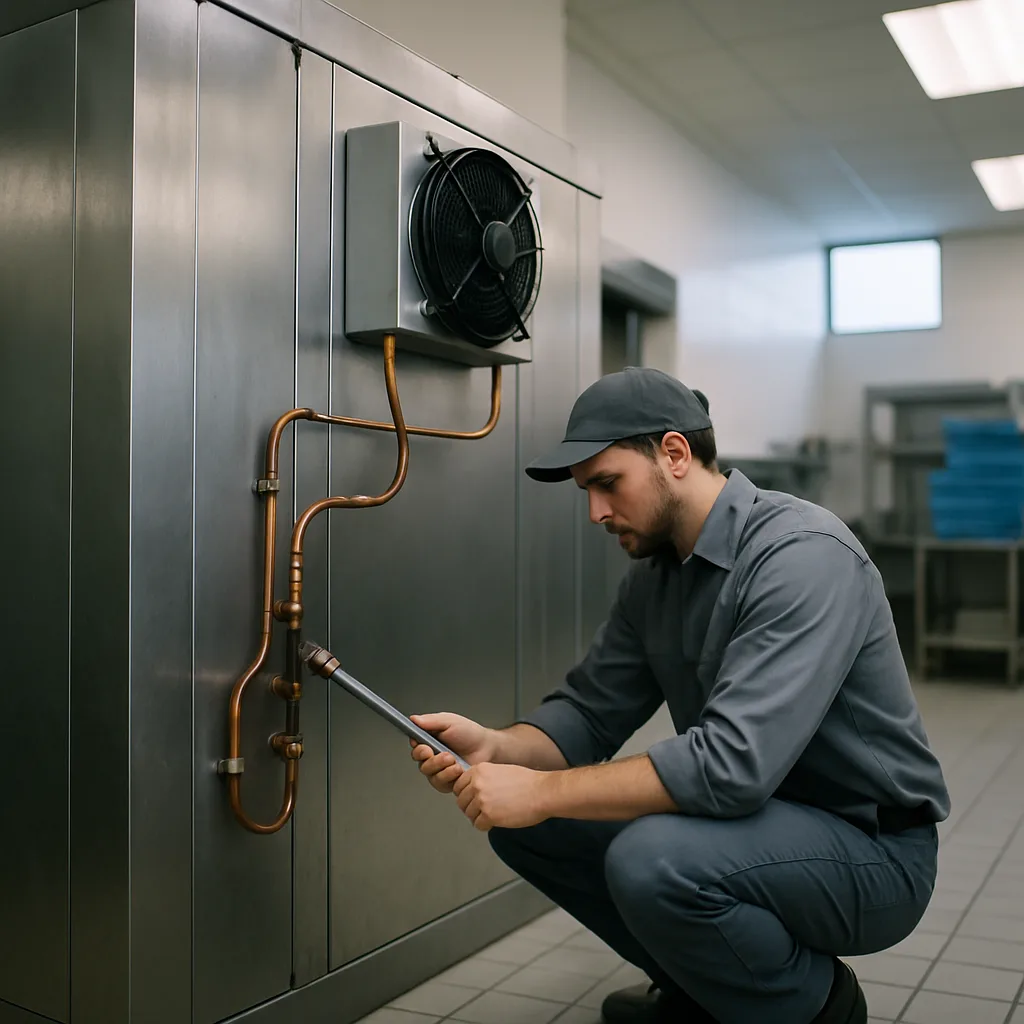
Walk-in cooler and freezer installation for Sunnyvale businesses – refrigeration, electrical, and mechanical handled by one team, so compressor sizing and panel capacity match before equipment lands.
What’s Covered on This Page
- Signs Your Cold Storage Unit Is Failing
- New Build vs. Retrofit: Picking the Right Installation Approach
- When a Repair Beats a Full Installation
- Cold Storage Installation in Sunnyvale Requires Three Trades Working Together
- What to Expect During Installation and Startup Testing
- How fast can you get to my Sunnyvale business if my cold storage unit fails?
- What happens when your technician arrives to install or fix my cold storage unit?
- Does Sunnyvale’s summer heat cause more problems for cold storage units?
- How long does a cold storage installation usually take?
- How do I know if my cold storage unit needs a repair instead of a full installation?
- Do I need separate contractors for the electrical and refrigeration work on my walk-in cooler?
Signs Your Cold Storage Unit Is Failing
You walk into your walk-in cooler on a Tuesday morning. The thermometer reads eight degrees warmer than it should. That’s not random. Something is failing, and it didn’t happen overnight.
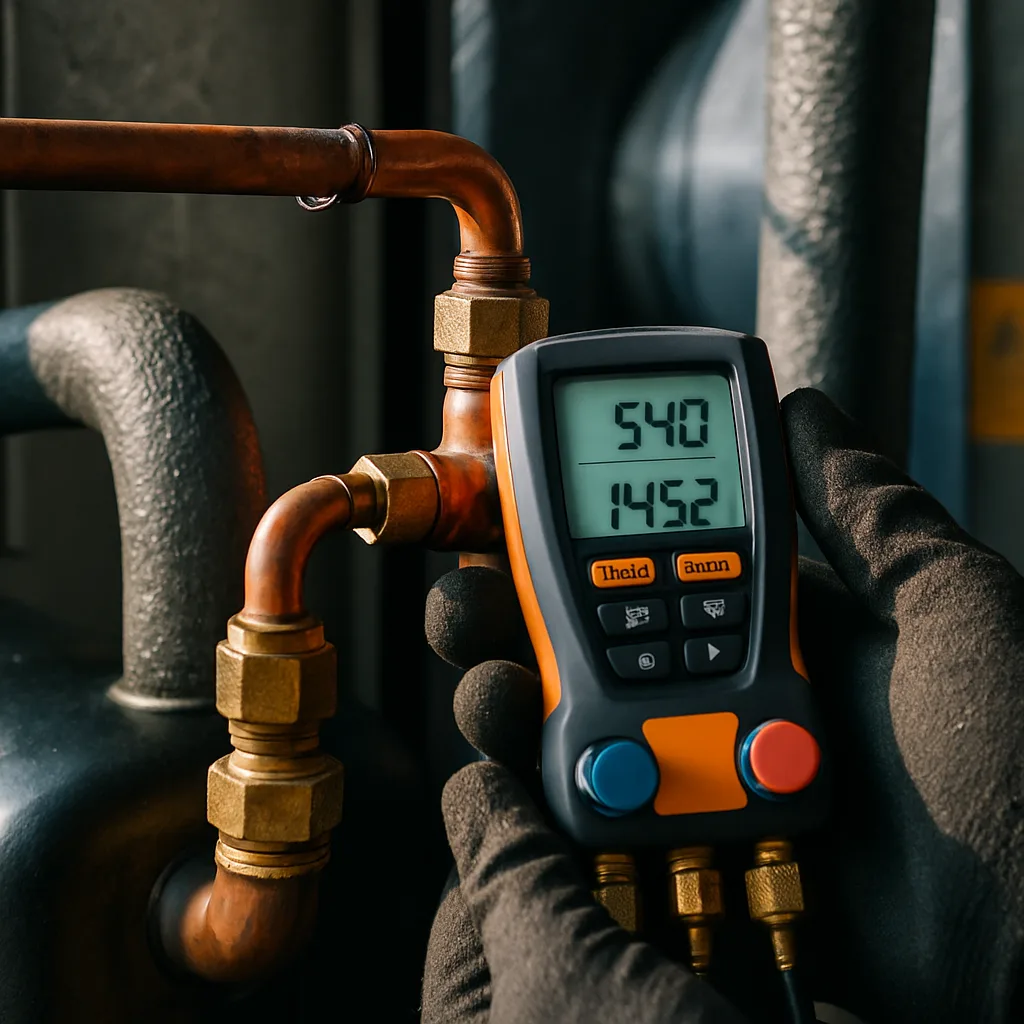
Sunnyvale summers push cold storage equipment hard. When outdoor temperatures climb past 100 degrees, condensers work overtime to hold a steady internal temperature. Older units and those sized wrong for the space show stress first. Watch for these signs before they cause a shutdown.
- Frost or ice building up on evaporator coils instead of just the freezer floor
- Temperature readings that swing more than a few degrees over a shift
- A compressor that runs constantly and never cycles off
- Water pooling near the base of the unit or under the door
- Door gaskets that are cracked, loose, or not sealing tightly
- A spike in your electric bill with no other explanation
One of these signs might be minor. Two or three together usually mean the unit is on borrowed time. Restaurants and small grocers near Sunnyvale’s commercial corridors often face this problem. They can’t afford to lose a freezer full of product overnight.
Not sure whether you’re seeing a quick fix or a sign that you need a new installation? That’s a fair question. We can start answering it over the phone before we show up.
New Build vs. Retrofit: Picking the Right Installation Approach
New build or retrofit: that’s the first fork in the road for any cold storage installation. It changes almost everything that follows.
A new build means starting with bare walls. That may be in a newer light-industrial park along Highway 80 here in Sunnyvale. There’s no existing walk-in, old wiring, or leftover refrigerant lines from a unit that ran for fifteen years. We can design the electrical, drain, and panel placement from scratch. It sounds simple. It isn’t always cheaper, but it usually moves faster because hidden problems are less likely.
A retrofit is a different animal. You have an existing cooler or freezer footprint. In an older building near the rail corridor, the panel may have been patched several times. We must work around what’s there, not what we’d design ourselves. Access matters a lot. Can a compressor fit through that back door? Is the slab already sloped for a drain, or does it need cutting? Older wiring and plumbing may need attention before new equipment goes in. That’s a real cost driver, not a maintenance afterthought.
So how do you choose? You usually don’t because the building chooses for you.
You can choose who evaluates the space before quoting the job. A technician should walk the site, check the existing electrical capacity, and inspect the plumbing before setting a price. That can save you from a mid-project change order. With retrofit work, surprises should be found before they become your problem.
When a Repair Beats a Full Installation
Not every cold storage problem needs a full installation. Sometimes one bad part is the whole problem.
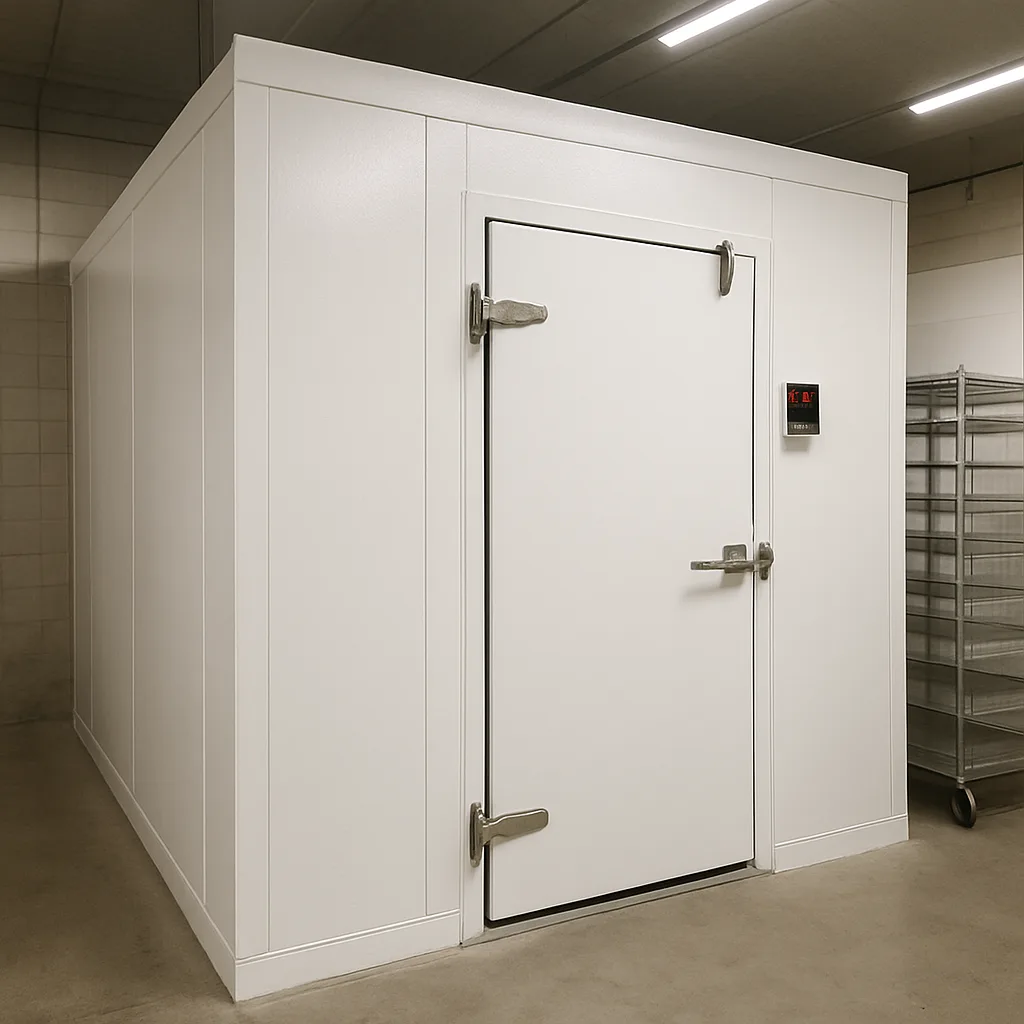
If your walk-in cooler is a few years old and the compressor quit, that’s usually a repair, not a rebuild. A cracked door gasket, failed evaporator fan, or refrigerant leak in one line can be fixed without touching the box. Restaurant owners sometimes call certain that they need a new unit. Then we find a small part holding the whole system hostage. If the unit is under ten years old and one component failed, repair is usually the smarter move. 80 six days a week.
- The cooler or freezer holds temperature once the immediate issue is fixed
- Only one component failed, such as a fan motor, capacitor, or thermostat
- The unit is newer and the rest of the system tested clean
- There’s no history of repeat breakdowns on the same equipment
- The box structure, insulation, and panels are still in good shape
When does repair stop making sense? It may be when you’re replacing the same part twice in a year. Another sign is a unit that can’t hold temperature after service. Older systems using outdated refrigerant may point toward installation instead. So can undersized boxes or panels with rot or damage underneath. If a repair estimate approaches the cost of a new setup, the choice becomes clearer. We’ll tell you which side of that line you’re on. Selling a full installation when a fan motor was the whole problem doesn’t help you or us.
Have questions? We’re happy to help.
Call Today, Get Service Today. Xtreme Air Services is ready to help.
Cold Storage Installation in Sunnyvale Requires Three Trades Working Together
A walk-in cooler or freezer isn’t one piece of equipment. It’s three systems that must work together. If one is off, the whole box struggles. Refrigeration handles the cooling through the compressor, evaporator, and condenser. Electrical must feed the compressor through a correctly sized dedicated circuit. An undersized circuit may trip breakers when the compressor starts. Mechanical work covers the ductwork, piping, and structural connections tying the unit into your building.
We run into this on commercial jobs around Sunnyvale. A refrigeration-only company installs a new walk-in freezer in a building with an older electrical panel. Then the panel can’t handle the load. The unit runs fine for a week before it starts short-cycling. The electrical work was treated as an afterthought instead of part of the installation.
That’s the case for having one team handle refrigeration, electrical, and mechanical work. You avoid three separate vendors pointing fingers at each other. When our technicians install cold storage equipment, they size the compressor and check the panel capacity. They also confirm that the piping route fits your building’s layout. There are no handoffs or questions about whose work covers what.
Buildings in Sunnyvale’s commercial corridors vary. Some are newer construction with modern panels. Others were never wired for heavy refrigeration loads. Either way, all three trades should be checked before the unit is set in place. Waiting until it starts acting up costs you time.
What to Expect During Installation and Startup Testing
Install day isn’t a mystery. You don’t need to hover or ask ten questions. Our team walks you through the job before a single tool comes out of the truck. Cold storage installation is mechanical work, not magic. The process makes sense once you see the sequence.

- We do a final walkthrough of the space and confirm access, power, and the old unit’s location.
- The existing unit gets disconnected and hauled away, so you’re not stuck dealing with it.
- New equipment is set in place and connected to existing power, drain, and refrigerant lines.
- We run startup tests and check refrigerant charge, airflow, and controls against manufacturer specifications.
- We test temperature and cycling under a real load, not with a quick power-on check.
- We walk you through the controls and answer your questions before anyone leaves.
That testing step matters. A cold storage unit can power on and still fail to hold the right temperature. Door seals, insulation, or airflow inside the space may be the cause. We don’t flip the switch and leave. We watch the readings, make adjustments, and confirm the space reaches its target temperature. Then we check that it holds there.
Most jobs using existing connections move quickly and cleanly. Older buildings may have tight equipment spaces or aging electrical systems. Those conditions sometimes add time to the connections. We’ll flag that during the walkthrough, not after work begins.
Frequently Asked Questions
Common questions about Cold storage installation
How fast can you get to my Sunnyvale business if my cold storage unit fails?
We schedule most cold storage calls within a day or two of your call. If you’re seeing frost buildup, water pooling, or a compressor that won’t cycle off, tell us right away. Those signs mean you’re close to a full breakdown. We ask a few questions over the phone first so we know what parts and tools to bring. That cuts down on return trips and gets your cooler back to holding temperature faster.
What happens when your technician arrives to install or fix my cold storage unit?
Your technician starts by checking the electrical panel, refrigeration lines, and the box itself before touching anything. This walk-through catches problems like undersized circuits or old wiring before they become surprises. For installations, we confirm the compressor size and piping route fit your building’s layout. For repairs, we test each component instead of guessing. You get a clear answer about what’s wrong and what it takes to fix it, before any work starts.
Does Sunnyvale’s summer heat cause more problems for cold storage units?
Yes, hot summers push your condenser and compressor to work much harder. When outdoor temperatures climb past 100 degrees, older units or ones sized wrong for the space show stress first. You may notice temperature swings, a spike in your electric bill, or a compressor that never cycles off. Catching these signs in early summer, before peak heat hits, helps you avoid losing a freezer full of inventory during the busiest months.
How long does a cold storage installation usually take?
A new build installation typically moves faster than a retrofit, since there’s no old wiring or leftover refrigerant lines to work around. Retrofits take longer because we have to check existing panels, plumbing, and slab drainage before setting equipment. A technician should walk your site and confirm electrical capacity before quoting a timeline. That step prevents mid-project delays and gives you a realistic date for when your cooler will be running.
How do I know if my cold storage unit needs a repair instead of a full installation?
If your unit is under ten years old and only one part failed, repair is usually the right call. A cracked door gasket, bad fan motor, or single refrigerant leak can often be fixed without replacing the box. Warning signs that point toward installation instead include replacing the same part twice in a year, a unit that won’t hold temperature after service, or panels with rot underneath. We’ll tell you straight which side of that line your unit is on.
Do I need separate contractors for the electrical and refrigeration work on my walk-in cooler?
No, one contractor can handle refrigeration, electrical, and mechanical work together, and that’s the safer route. We often see jobs where a refrigeration-only company installs a freezer, but the building’s older electrical panel can’t handle the load. The unit runs fine for a week, then starts short-cycling. When one team sizes the compressor, checks panel capacity, and confirms the piping route together, you avoid that failure and skip the finger-pointing between separate vendors.
Ready to Get Started?
Call 972-288-2263 Today, Get Service Today.