


Heat Pump Installation in Sunnyvale: Comfort Built for Texas Heat
Heat pump installation sized for Texas summers and mild winters, including the electrical panel check that decides whether your home is ready.
What’s Covered on This Page
- Signs Your Home Needs a New Heat Pump
- Choosing the Right Heat Pump Size for Texas Heat
- When Repair Makes More Sense Than Replacement
- What Happens During a Heat Pump Installation
- Electrical Panel Capacity and Heat Pump Installation in Sunnyvale
- How long does a heat pump installation take in Sunnyvale?
- How do I know if I need a repair or a full heat pump replacement?
- What size heat pump do I need for my Sunnyvale home?
- What should I expect when your team arrives for installation day?
- Do older Sunnyvale homes cause problems during heat pump installation?
- How soon can I schedule a heat pump installation?
Signs Your Home Needs a New Heat Pump
Here’s the question we get on a lot of service calls. Is my heat pump dying, or does it just need a repair? The age of the unit tells the story before we even open the panel.
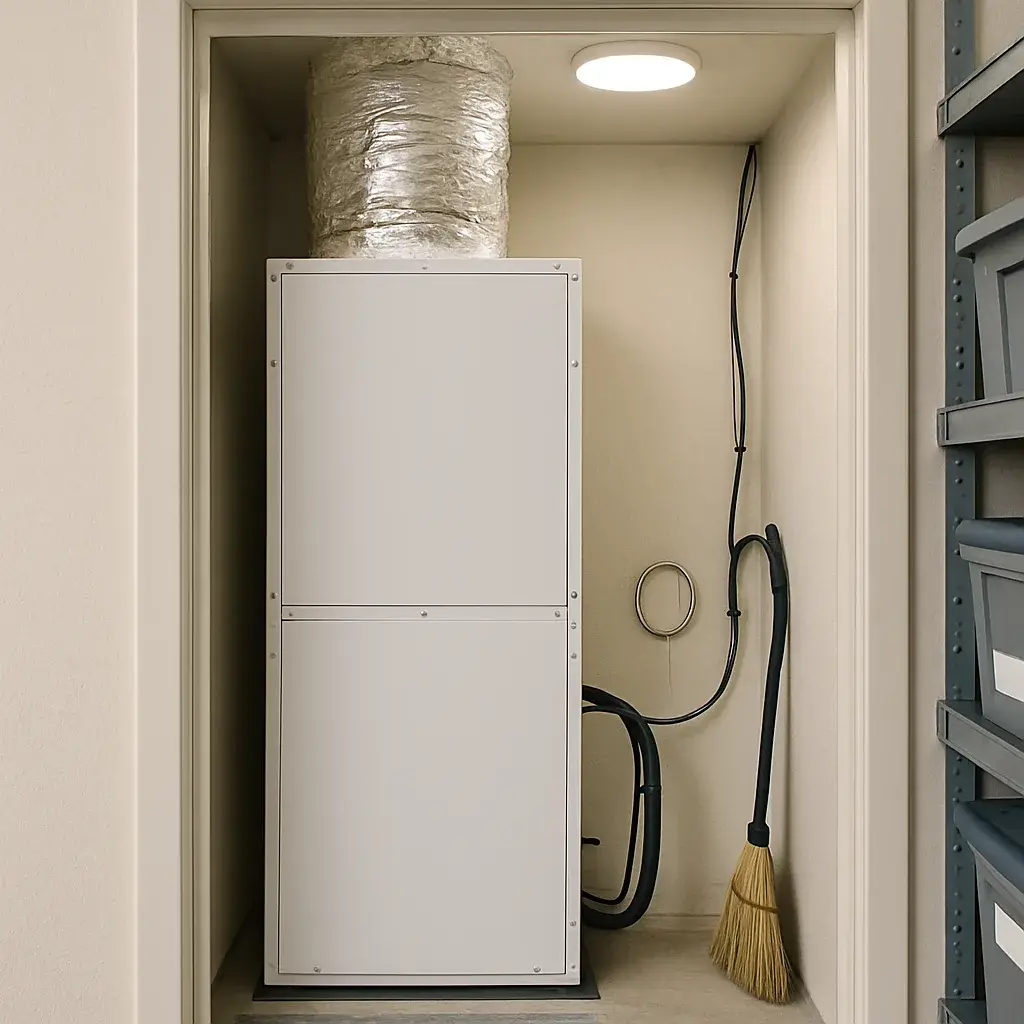
Most heat pumps last around 10 to 15 years with regular care. Once you’re past that mark, every repair is really just a rental payment on a system that’s already checked out. In a lot of Sunnyvale’s older established homes, the original heat pump is still tucked in the attic, working twice as hard as it should in July heat.
- Your energy bills keep climbing even though you haven’t changed how you use the thermostat
- Some rooms run warm while others stay cold, no matter where you set the temperature
- The unit short cycles, turning on and off in quick bursts instead of running a full cycle
- You’ve called for repair more than once or twice in the last two years
- The outdoor unit makes grinding, clicking, or rattling noises it never used to make
- Ice builds up on the outdoor coil during mild weather, not just deep cold snaps
Not sure if what you’re hearing is normal wear or a real red flag? That’s a fair question. A single strange noise doesn’t mean you need a new system. But a system that’s aging, noisy, and inconsistent all at once – that combination is where we stop recommending another repair.
Choosing the Right Heat Pump Size for Texas Heat
Bigger isn’t better here. We get that question a lot, folks think a bigger unit cools faster so it must be the smart pick. It’s not. An oversized heat pump blasts cold air, shuts off, then kicks back on a few minutes later. That short cycling wears out parts fast and leaves your house cold and clammy instead of cool and dry.
So how do we land on the right size? We run a cooling load calculation, sometimes called a Manual J, that looks at your square footage, insulation, window count, and how much sun hits your roof. A home near Sunnyvale’s older streets with single-pane windows loads differently than a newer build with better attic insulation, even if both houses are the same size.
- Square footage and ceiling height in each conditioned room
- Insulation levels in the attic and walls
- Window type, count, and sun exposure
- Ductwork condition and how well it delivers air
- Local climate data for both summer highs and winter lows
Tonnage and SEER2 ratings only tell part of the story. A 3-ton unit rated high on SEER2 still won’t perform right in a house it wasn’t sized for. Undersized units run constantly, never quite catching up during a July afternoon. Oversized ones cycle too much, which means uneven temps room to room. Getting it right the first time saves you headaches for years.
When Repair Makes More Sense Than Replacement
Not every heat pump problem means you need a new system. A unit under eight or nine years old with one specific issue is worth fixing. A bad capacitor, a dirty coil, a low refrigerant charge from a small leak, these are common calls and cheap fixes compared to a full swap.
So how do you know which side of the line you’re on? Ask yourself three things. Is the unit under ten years old? Has it been mostly trouble free until now? Is this the first real repair call you’ve made? If you answered yes to all three, repair is probably your move.
We’ll tell you straight if that’s the case, even though a repair call is a smaller ticket for us than a heat pump installation.
Here’s where it flips. If your outdoor unit is pushing 12 to 15 years old, if you’re calling us for the second or third time this year, or if the compressor itself is failing, that’s a different conversation. Compressor replacement alone can run close to what you’d pay toward a new system, and older units running on phased out refrigerant get expensive to service the older they get. A tech will check the compressor, coils, refrigerant charge and electrical components, then give you the real picture, not a scare story.
Our diagnostic visit runs $26 to $99, and if you move forward with the repair, that fee gets credited toward the job. That’s the same whether we’re fixing a capacitor or telling you it’s time to talk replacement.
Need help with Heat pump installation?
Call Today, Get Service Today. Xtreme Air Services is ready to help.
What Happens During a Heat Pump Installation
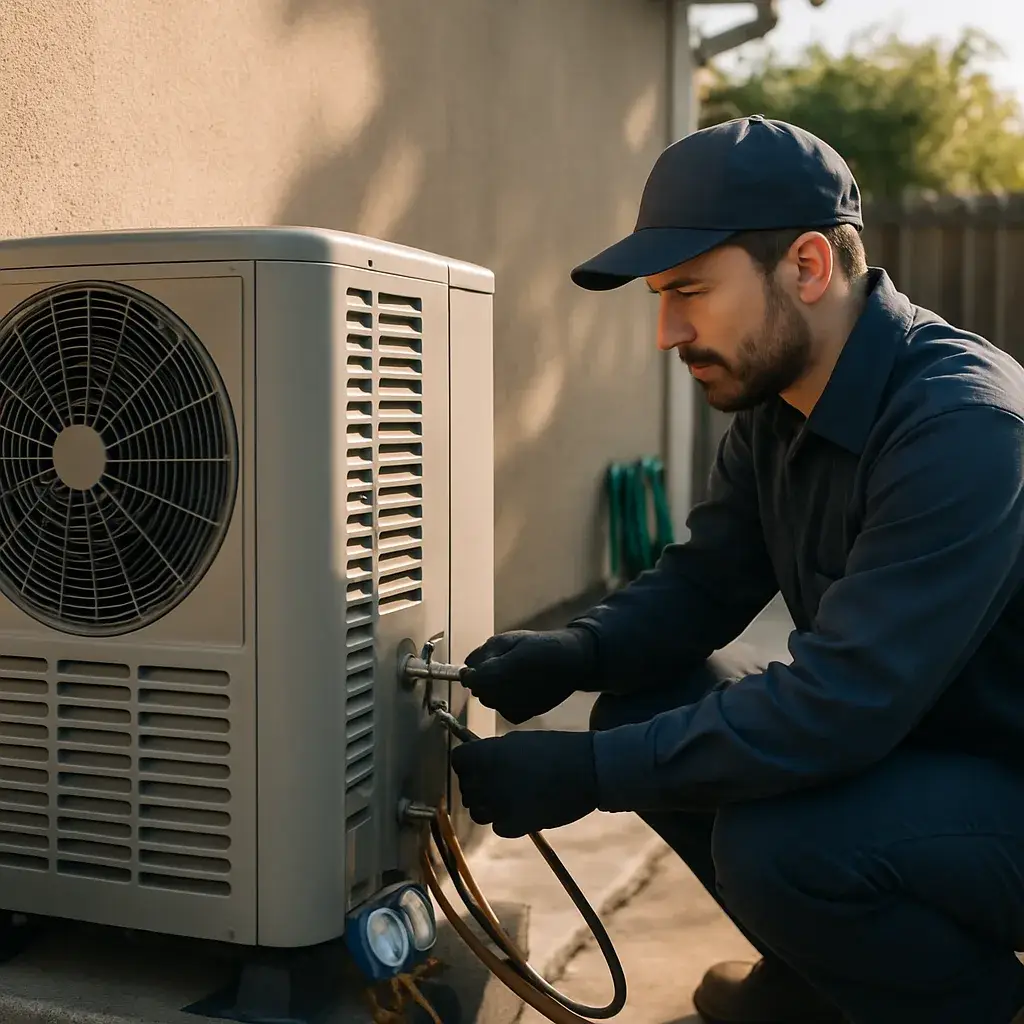
Once you’ve picked a system, the real work starts. This isn’t a quick swap. A heat pump installation touches your electrical, your ductwork, and the pad or bracket holding the outdoor unit. Here’s roughly how a job goes at your house.
- We shut down and disconnect the old system, then haul it away as part of the job.
- We check your electrical circuit and disconnect box to confirm they can handle the new unit’s load.
- We set the outdoor unit on a level pad, tie into your existing line set and connections where possible.
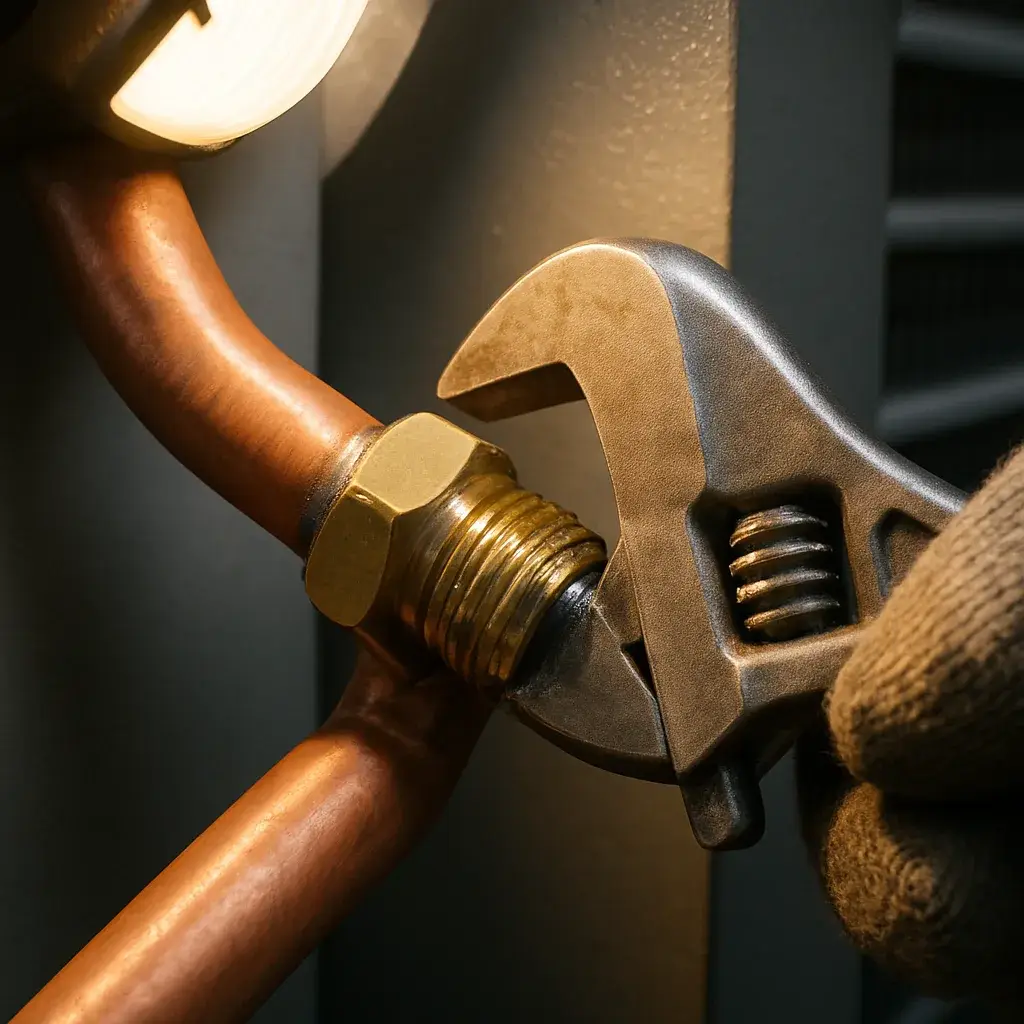
- We mount or connect the indoor air handler, hook up the refrigerant lines, and seal every connection.
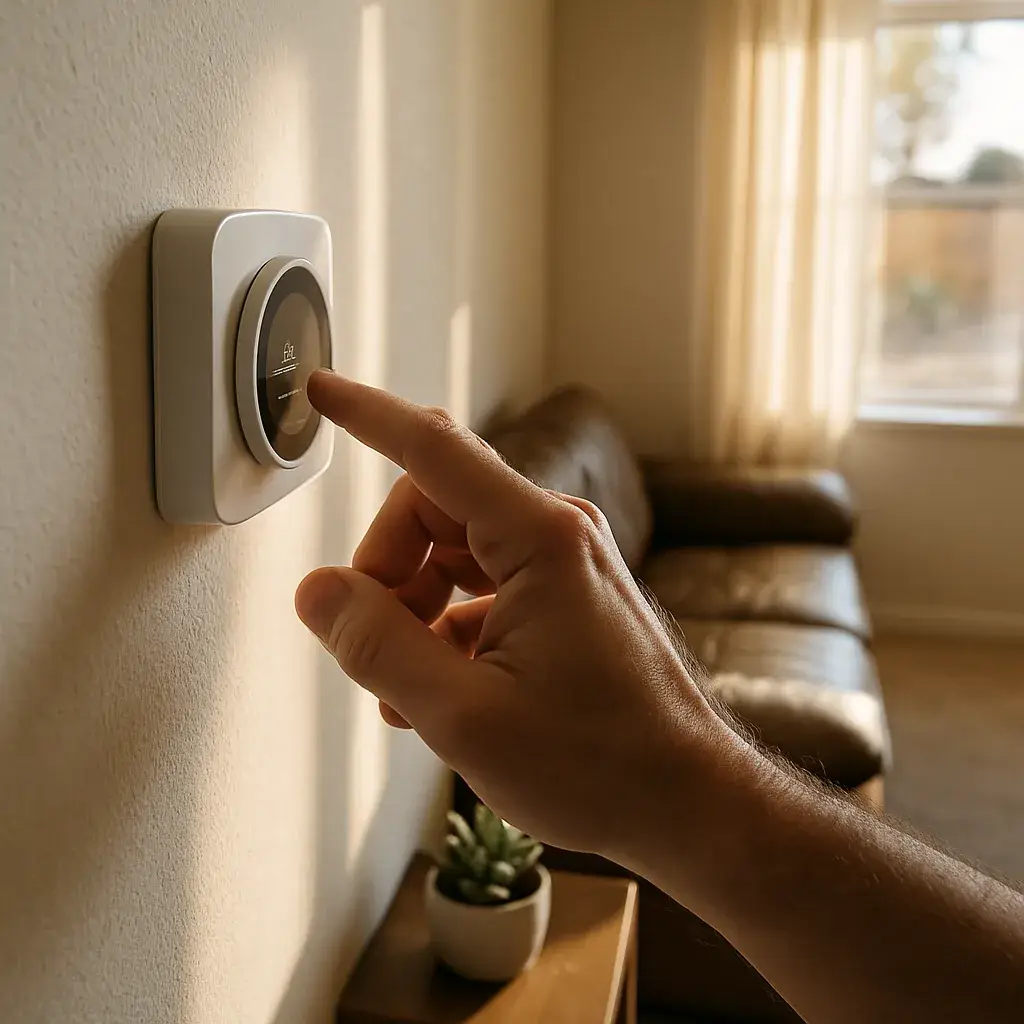
- We wire the new system to your thermostat and test heating and cooling modes side by side.
- We check airflow at your vents, measure temperature split, and confirm the system holds with no leaks.
A lot of Sunnyvale homes sit on slab foundations, so that outdoor pad has to be level and clear of drainage runoff, or you’ll get a unit that vibrates and wears out early. We check that every time. Older homes around town sometimes have electrical panels that weren’t built for a heat pump’s startup draw. That’s not a deal-breaker, it just means we flag it before we finish the job, not after.
Curious how long you’ll be without heat or air during the swap? Most like-for-like jobs finish in a single day.
That’s the part people forget to ask about. The equipment matters, sure, but a Trane Comfort Specialist crew that tests, measures, and double-checks every connection is what makes that equipment perform for years.
Electrical Panel Capacity and Heat Pump Installation in Sunnyvale
Heat pumps run on electricity, full stop. No gas line to fall back on for heat, so your panel has to carry the load. We check this before we ever quote a job.
Here’s the thing about Sunnyvale. Some of the older established homes still have smaller panels built for a different era of appliances, while newer subdivisions usually come with more headroom already built in. A heat pump, especially a bigger tonnage or a high SEER2 variable-speed unit, can push an older panel past what it’s rated for.
If your panel can handle it, great, install day goes smooth. If it can’t, that’s electrical work, and it’s not part of a standard like-for-like installation. Our pricing covers the equipment, the standard connections, startup and testing. It doesn’t cover a panel upgrade or new circuit wiring unless we scope that in ahead of time.
- Breakers that trip when the AC or heat kicks on
- A panel rated 100 amps or less in an older home
- Warm or discolored outlets near the outdoor unit’s disconnect
- No available double-pole slot for a new dedicated circuit
Notice any of that? Say so when you call. We handle HVAC and electrical under one roof, so if your panel needs attention, we don’t have to send you chasing down a second contractor. One visit, one answer, and you know exactly what you’re dealing with before the work starts.
Frequently Asked Questions
Common questions about Heat pump installation
How long does a heat pump installation take in Sunnyvale?
Most like-for-like heat pump installations finish in a single day. That includes removing your old unit, setting the new outdoor pad, connecting the indoor air handler, and testing heating and cooling modes before we leave. If your home needs electrical upgrades or ductwork changes, the job can run longer. We’ll walk through your specific setup before we start, so you know what to expect and aren’t left guessing how long you’ll be without air.
How do I know if I need a repair or a full heat pump replacement?
A unit under eight or nine years old with one clear problem, like a bad capacitor or low refrigerant, is usually worth repairing. If your system is pushing 12 to 15 years old, or you’ve called for repairs more than once this year, replacement starts making more financial sense. We check the compressor, coils, and electrical components on every visit and give you a straight answer, not a scare story, about which side of that line you’re on.
What size heat pump do I need for my Sunnyvale home?
The right size depends on a cooling load calculation, not just square footage. We look at your insulation, window count, sun exposure, and ductwork condition to land on the correct tonnage. Older homes near Sunnyvale’s established streets with single-pane windows carry a different load than newer builds with better attic insulation, even at the same square footage. Getting this step right prevents short cycling and uneven room temperatures for years to come.
What should I expect when your team arrives for installation day?
Expect a full walkthrough before any equipment gets touched. We disconnect and haul away the old system, confirm your electrical panel can handle the new unit’s load, and set the outdoor unit on a level pad. From there, we connect the refrigerant lines, wire the thermostat, and test both heating and cooling modes. Before we leave, we check airflow at your vents and confirm the system holds steady with no leaks.
Do older Sunnyvale homes cause problems during heat pump installation?
Sometimes, but it’s rarely a deal-breaker. Many homes around Sunnyvale sit on slab foundations, so the outdoor pad has to stay level and clear of drainage runoff, or the unit will vibrate and wear out early. Electrical panels in older homes also weren’t always built for a heat pump’s startup draw. We flag either issue before we finish the job, not after, so there are no surprises once the system is running.
How soon can I schedule a heat pump installation?
Scheduling depends on your current system’s condition and how urgent the need is. If your unit has failed completely, we prioritize getting a technician out fast to assess your options. For planned replacements, we work with you to pick a date that fits your home and avoids peak heat days whenever possible. Either way, a technician visits first to confirm sizing and equipment needs before installation day gets locked in.
Ready to Get Started?
Call 972-288-2263 Today, Get Service Today.