
Home air filter types are devices that capture airborne particles, allergens, and pollutants by forcing air through different filtration materials and technologies. Choosing the right filter affects both your indoor air quality and how hard your HVAC system has to work.
The main categories are fiberglass, pleated media, electrostatic, washable, HEPA, and activated carbon filters. Each type carries a different efficiency rating, price point, and replacement schedule.
This guide breaks down every major option so you can pick the right filter for your home, your health, and your budget.
1. What are the main home air filter types?
Home air filter types fall into six primary categories. Each one uses a different material or technology to capture particles, and each fits a different set of needs and budgets.
Fiberglass filters are the most basic and least expensive option. They use layered spun glass fibers that catch large particles like dust and lint.
Fiberglass filters offer basic, affordable filtration, but their efficiency is lower than pleated and HEPA filters. They cost only a few dollars each and protect your HVAC equipment from large debris. They do very little, though, for allergens or fine particles.
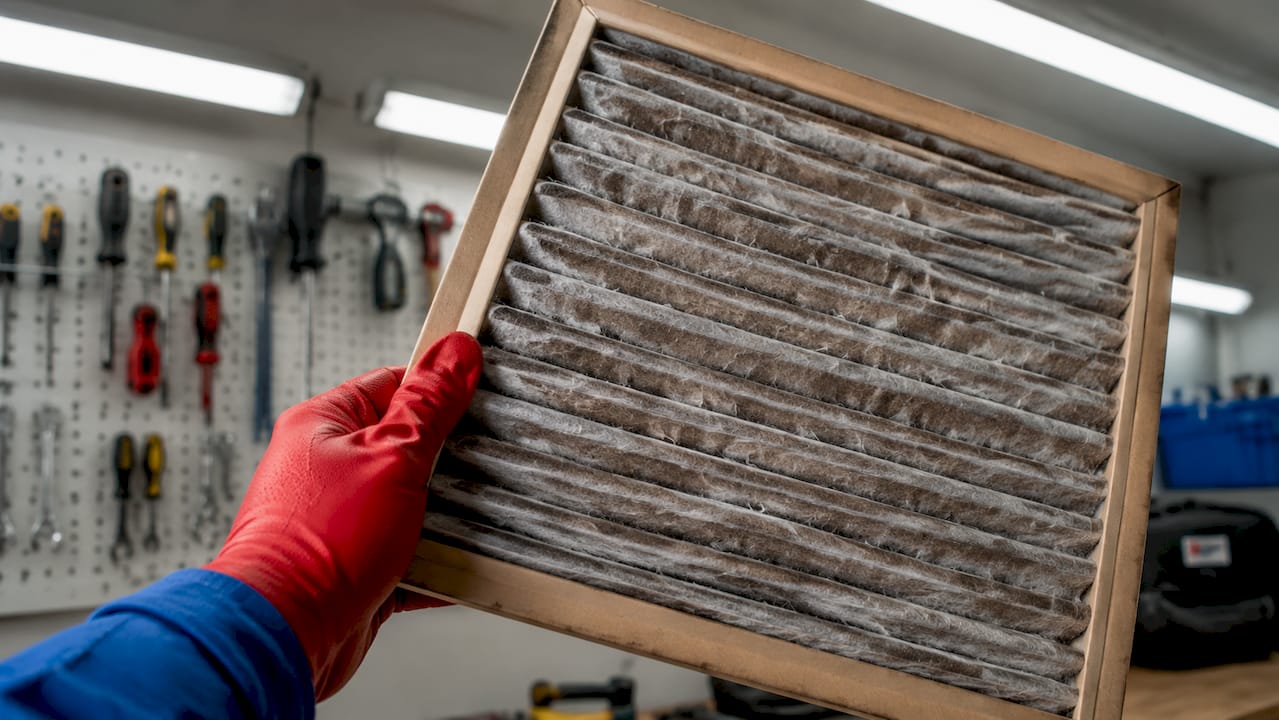
Pleated media filters are the most common upgrade from fiberglass. They use a folded polyester or cotton paper material that creates more surface area for capturing particles.
That extra surface area lets them trap smaller particles, including mold spores, pet dander, and pollen. Most homeowners find pleated filters hit the best balance between cost, efficiency, and airflow.
Electrostatic filters use self-generated static electricity to attract and hold airborne particles. They come in both disposable and washable versions.
The static charge works well on fine dust and some allergens, but performance drops as the filter loads up with debris. They also cost more upfront than basic pleated filters.
Washable and reusable filters are made from aluminum mesh or synthetic materials that you rinse clean and reinstall. They appeal to homeowners who want to reduce waste and avoid recurring purchases.
The trade-off is upkeep. They require consistent cleaning and typically offer lower filtration efficiency than pleated or HEPA options.
High-efficiency and HEPA filters sit at the top of the performance range. True HEPA filters trap 99.97% of airborne particles as small as 0.3 microns.
That level of filtration is the standard for anyone dealing with serious allergies, asthma, or respiratory conditions. HEPA filters usually appear in portable air purifiers rather than standard HVAC systems, because their density can restrict airflow in residential ductwork.
Activated carbon filters work differently from mechanical filters. Instead of physically trapping particles, they absorb odors and gaseous pollutants like volatile organic compounds (VOCs).
Activated carbon filters need replacement roughly every three months, compared to six to twelve months for standard mechanical filters. They are most effective when paired with a HEPA or pleated filter.
Pro Tip: If you have pets or live near a busy road, pair an activated carbon filter with a high-MERV pleated filter to address both particles and odors at the same time.
2. How to compare home air filter types: efficiency, cost, and lifespan
To compare home air filter types, weigh four practical factors:
- Filtration efficiency
- Upfront cost
- Replacement frequency
- Impact on your HVAC system’s airflow
Filtration efficiency is measured by the MERV (Minimum Efficiency Reporting Value) rating system, which runs from 1 to 16 for residential filters:
- MERV 1–4 catches large debris.
- MERV 8–12 captures mold spores, pet dander, and fine dust.
- MERV 13–16 approaches HEPA-level performance.
Higher MERV ratings mean denser filter material, which also means more resistance to airflow.
CADR (Clean Air Delivery Rate) is a second metric worth knowing, especially for portable air purifiers. It measures the volume of clean air a purifier produces in cubic feet per minute for specific pollutants like smoke, dust, or pollen.
A high CADR rating for smoke means the unit cleans smoke-laden air faster. MERV tells you what a filter can capture; CADR tells you how quickly it cleans a given room.
Cost and lifespan vary significantly across filter types:
- Fiberglass filters last 30 days.
- Pleated filters last 60–90 days.
- High-efficiency filters can last 3–6 months, depending on usage and whether you have pets or allergies.
A cheap fiberglass filter replaced monthly often costs more annually than a quality pleated filter replaced quarterly.
Pro Tip: Calculate your annual filter cost by multiplying the unit price by the number of replacements per year. A $5 fiberglass filter replaced 12 times costs $60 annually. A $20 pleated filter replaced four times costs $80 but delivers far better air quality.
| Filter type | MERV range | Avg. lifespan | Relative cost | Best for |
|---|---|---|---|---|
| Fiberglass | 1–4 | 30 days | Very low | Basic dust protection |
| Pleated media | 8–12 | 60–90 days | Low to moderate | General home use |
| Electrostatic | 8–10 | 30–90 days | Moderate | Fine dust, some allergens |
| Washable/reusable | 4–8 | Years (with cleaning) | Moderate upfront | Eco-conscious homeowners |
| HEPA (portable) | 17+ (equivalent) | 3–6 months | High | Allergies, asthma, respiratory issues |
| Activated carbon | N/A (gas absorption) | 3 months | Moderate to high | Odors, VOCs, smoke |
Airflow restriction is the hidden cost of high-efficiency filters. A MERV 13 or higher filter in an older HVAC system can reduce airflow enough to strain the blower motor and increase energy bills.
Always check your HVAC manufacturer’s specifications before upgrading to a higher MERV rating. Xtreme Air Services recommends confirming system compatibility before switching filter grades.
3. What are the best home air filters for specific needs?
The best home air filters depend on your household conditions. A filter that works well for a single adult in a clean apartment performs poorly in a home with two dogs and a smoker.
For allergy and asthma sufferers: HEPA-certified filters are the clear choice. Allergist Dr. Purvi Parikh recommends HEPA-certified air purifiers that filter 99.97% of particles down to 0.3 microns for people with respiratory issues.
When HEPA filters cannot go into the HVAC system, a portable HEPA air purifier in the bedroom delivers the most benefit. Pair it with a MERV 11 or 12 pleated filter in your HVAC for whole-home coverage.
For homes with pets: Pet dander is a fine particle that standard fiberglass filters miss entirely. A pleated filter rated MERV 10 or higher captures dander effectively.
Replace it more often, closer to every 30–45 days rather than the standard 60–90 days, because pet hair loads filters faster. An activated carbon layer helps with pet odors at the same time.
For smokers or homes near wildfire zones: Smoke particles are among the smallest and most harmful airborne pollutants. A HEPA-grade portable purifier with a high CADR rating for smoke is the most effective solution.
For HVAC filters, choose the highest MERV rating your system can handle without restricting airflow.
For budget-conscious homeowners: A MERV 8 pleated filter is the best value for general home use. It captures the most common household particles without straining your HVAC system or breaking your budget.
Avoid fiberglass filters if you have any respiratory concerns. The cost difference between fiberglass and a basic pleated filter is minimal, but the performance gap is significant.
For eco-conscious homeowners: Washable and reusable filters eliminate the waste of monthly disposables. They require rinsing, drying completely before reinstallation, and periodic inspection for damage.
Their filtration efficiency is lower than pleated filters, so they work best in homes without allergy or asthma concerns. Pairing a washable filter with a standalone air purifier covers the efficiency gap.
For odor and chemical control: Activated carbon filters absorb cooking odors, pet smells, and VOCs from paint or cleaning products. Because they do not trap particles, they always work best alongside a mechanical filter.
Some pleated filters now include a thin carbon layer built in, which offers a convenient two-in-one solution for moderate odor concerns.
4. How often should home air filters be replaced?
Replacement intervals are the most commonly ignored part of filter maintenance. A clogged filter does not just reduce air quality. It forces your HVAC system to work harder, raising energy costs and shortening equipment life.
-
Fiberglass filters: Replace every 30 days without exception. These filters load up quickly because their surface area is small. Waiting longer than 30 days means your HVAC is pulling air through a clogged mat of debris.
-
Pleated media filters: Replace every 60–90 days under normal conditions. In homes with pets, allergies, or heavy foot traffic, replace closer to every 45–60 days. The standard replacement interval for pleated filters is 60–90 days, but real-world conditions often shorten that window.
-
High-efficiency and HEPA filters: Replace every 3–6 months. These filters hold more debris before performance drops, but they still need regular replacement. Check the manufacturer’s recommendation for your specific unit.
-
Activated carbon filters: Replace every three months. Carbon filters saturate with absorbed gases faster than mechanical filters wear out. A saturated carbon filter stops absorbing odors and can release trapped compounds back into the air.
-
Washable filters: Clean every 30 days. Rinse with water, allow to dry completely (at least 24 hours), and reinstall. A wet filter installed in your HVAC system creates a mold risk inside the ductwork.
Never vacuum a pleated filter. Vacuuming pleated filters damages the fibers and reduces filtration efficiency, allowing particles to bypass the filter and accumulate in HVAC components. If a pleated filter looks dirty, replace it.
Signs your filter needs immediate replacement:
- Reduced airflow from vents
- Visible gray or brown buildup on the filter surface
- Increased dust on furniture shortly after cleaning
- A musty smell from your vents
Any of these signals means your filter is past its useful life. Learning to improve home air quality starts with staying on top of these replacement schedules.
Key takeaways
The most effective approach to home air filtration is matching filter type and MERV rating to your household’s specific conditions, then replacing filters on schedule without exception.
| Point | Details |
|---|---|
| HEPA filters lead on performance | True HEPA filters capture 99.97% of particles at 0.3 microns, making them the top choice for allergy and asthma sufferers. |
| Pleated filters offer the best everyday value | A MERV 8–12 pleated filter balances cost, efficiency, and airflow for most homes. |
| Replacement schedules matter as much as filter type | Fiberglass: 30 days; pleated: 60–90 days; high-efficiency: 3–6 months. Missing these intervals harms both air quality and HVAC performance. |
| Never vacuum pleated filters | Vacuuming damages the fibers and allows particles to bypass the filter and enter HVAC components. |
| Carbon filters need a mechanical partner | Activated carbon absorbs odors and gases but does not trap particles. Always pair it with a HEPA or pleated filter. |
What I’ve learned after years of seeing the wrong filters installed
Most homeowners pick a filter based on price alone. That decision costs more in the long run than buying the right filter from the start.
The most common mistake I see is a homeowner installing a MERV 13 filter in an older HVAC system designed for a MERV 8. The system strains, the blower motor runs hot, and energy bills climb.
The homeowner blames the HVAC unit when the real problem is a filter that is too restrictive for the system. Efficiency and compatibility are not the same thing.
The second mistake is skipping replacements. A MERV 11 pleated filter that has sat in place for six months is not a MERV 11 filter anymore.
It is a clogged mat of debris that your system is fighting to pull air through. The filter rating on the package only applies to a clean filter.
My honest recommendation:
- Start with a MERV 10 or 11 pleated filter if your system supports it.
- Add a portable HEPA purifier in the bedroom if anyone in your home has allergies or asthma.
- Check your filter every 30 days, even if you do not replace it, so you know your home’s actual load.
- If you are unsure whether your system can handle a higher MERV rating, ask a professional before you make the switch.
Getting duct cleaning after renovation work or major home projects also resets your baseline, so your new filter starts clean.
The filter is the cheapest part of your HVAC system. Treating it as an afterthought is the most expensive habit a homeowner can have.
— Xtreme
Professional HVAC maintenance keeps your filters working
Choosing the right filter is only half the job. Proper installation, timely replacement, and system-level checks are what make that filter perform as advertised.

Xtreme Air Services offers HVAC maintenance plans that include scheduled filter replacements, system inspections, and airflow checks to confirm your filter grade matches your equipment.
A professional maintenance visit catches problems that homeowners miss, including:
- Filters installed backward
- Undersized filters with air gaps around the edges
- Ductwork issues that reduce filter effectiveness
Regular professional service also extends the life of your HVAC equipment and keeps energy costs in check. If you want clean air and a system that runs efficiently year-round, a maintenance plan is the most reliable way to get there.
FAQ
What is the best home air filter for allergies?
HEPA-certified filters are the best choice for allergy sufferers, capturing 99.97% of particles down to 0.3 microns. For whole-home coverage, pair a MERV 11 or 12 pleated HVAC filter with a portable HEPA air purifier in the bedroom.
How often should I replace my home air filter?
Replacement frequency depends on filter type: fiberglass filters need replacement every 30 days, pleated filters every 60–90 days, and high-efficiency or HEPA filters every 3–6 months. Homes with pets or allergy sufferers should replace filters at the shorter end of each range.
Can I vacuum my air filter to extend its life?
You should not vacuum pleated filters. Vacuuming damages the filter fibers and reduces efficiency, allowing particles to bypass the filter and build up inside your HVAC system. Replace pleated filters on schedule rather than attempting to clean them.
What does MERV rating mean for home air filters?
MERV (Minimum Efficiency Reporting Value) measures how effectively a filter captures particles of different sizes, on a scale from 1 to 16 for residential use. Higher MERV ratings capture smaller particles but also restrict more airflow, so always confirm your HVAC system’s maximum recommended MERV before upgrading.
Do activated carbon filters replace regular air filters?
Activated carbon filters do not replace mechanical filters. They absorb odors and gaseous pollutants but cannot trap dust, dander, or allergen particles. Always use an activated carbon filter alongside a pleated or HEPA filter for complete air quality coverage.