


Hydronic Heating Installation in Sunnyvale: Is It the Right Fit for Your Building?
Heat loss mapped, boiler and emitters sized to the building, every joint pressure-tested before startup – and a straight answer if forced air is the better call.
What’s Covered on This Page
- How Hydronic Heating Installation Works
- Hydronic vs. Forced-Air: Choosing the Right System for a Moderate Climate
- When Hydronic Heating Installation Isn’t the Right Move
- What Installation Day Looks Like, From Design to Commissioning
- Verifying Your System Is Installed and Commissioned Correctly
- How long does a hydronic heating installation take in Sunnyvale?
- What should I expect when your team arrives for an installation?
- Why do some Sunnyvale buildings have trouble with hydronic heating installations?
- Is hydronic heating a good fit for my building, or should I stick with forced air?
- My hydronic system is knocking or heating unevenly. Do I need a full replacement?
How Hydronic Heating Installation Works
Hydronic heat feels different the moment it starts running. There’s no blowing air or cold spots by the window. You get steady warmth from water moving through a closed loop. Here is how we install that system in your building.
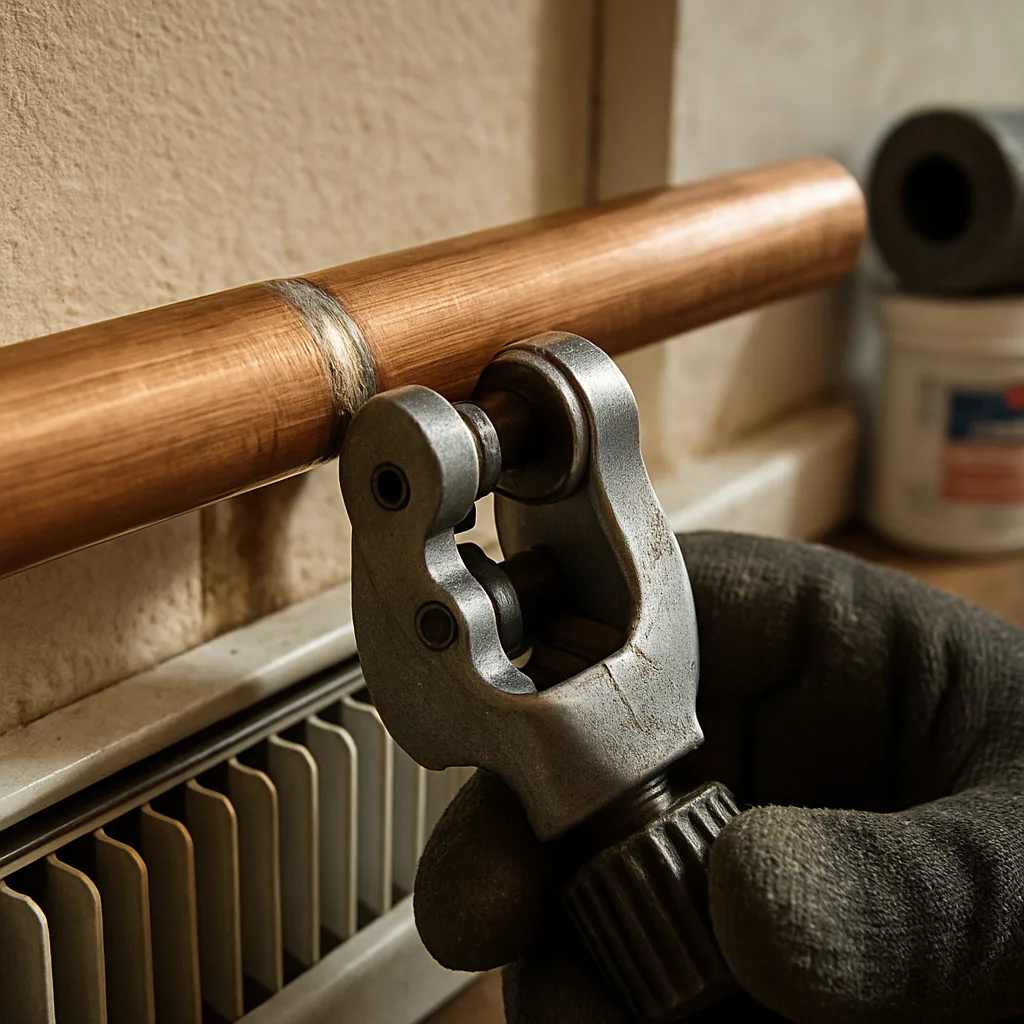
- We size the boiler to your space, not the other way around. Get this wrong and you’ll either waste energy or never feel warm.
- For a like-for-like replacement, we tie the piping loop into your existing lines. Sunnyvale has older buildings and newer shells alike, and slab-on-grade construction can make some pipe runs harder to reach.
- We install and test the emitters. These may be baseboard units, radiant floor loops, or radiators, depending on what’s already in place.
- We fill and purge the system to clear air pockets. Trapped air is the main reason hydronic systems run noisily or heat unevenly.
- We start the system, check the water temperature and pressure, then inspect the whole loop before calling the job done.
- We haul away the old equipment, so you’re not left staring at it in the garage.
The job usually follows that path. We check every hookup, valve, and emitter before leaving. That’s our standard as a licensed and insured contractor. It’s how we get the system done right the first time.
What happens if your wiring or plumbing needs work to support the new boiler? We’ll flag it before we start, not after.
Hydronic vs. Forced-Air: Choosing the Right System for a Moderate Climate
Which system is right for your building? It depends on what you have now and what is not working about it.
Sunnyvale winters are not brutal, but cold fronts roll through fast. Forced-air systems in slab-on-grade buildings often leave temperatures uneven from one space to the next. Hydronic heat solves that. Heat comes from the floor or panel radiators instead of ducts that lose warmth along the way.
- You’ve got a newer build or remodel where we can run tubing before the floors go down
- Occupants are sensitive to airborne dust, and forced-air ductwork keeps circulating it
- You’re tired of the dry, stale heat that forced-air systems tend to put out
- You want zone-by-zone control instead of one thermostat governing the whole building
If the building already has sound ductwork and heats evenly, forced air may still make sense. Hydronic heat works best where there is no existing ductwork, or where a build-out gives us the access to run tubing properly.
We will walk the building with you and give you a straight answer without pushing you either way.
When Hydronic Heating Installation Isn’t the Right Move
Not every building in Sunnyvale needs hydronic heat, and we will say so plainly. A full hydronic conversion is a major job if the property already runs forced air with no boiler or piping in place. It means opening walls and floor assemblies to run new lines, which is more disruption than most owners expect when they first call.

Is your boiler short cycling, knocking, or heating one room unevenly? That’s usually a repair, not a reason to replace everything. We see it every week. Someone expects to need a new system, but a bad circulator pump or stuck zone valve caused the problem.
We look especially hard at slab-on-grade buildings with no existing hydronic equipment. New supply and return lines may have to run under the slab or through finished ceilings, which adds disruption and cost. A high-efficiency furnace or a ductless system often delivers the comfort you are after with far less demolition.
If your budget is tight this season, there’s no shame in waiting.
A rushed hydronic installation rarely ends well in a building that was never set up for it. The right call starts with a straight conversation about the property before anyone picks up a wrench.
Ready when you are – get in touch today.
Call Today, Get Service Today. Xtreme Air Services is ready to help.
What Installation Day Looks Like, From Design to Commissioning
Most owners imagine hydronic heating installation in Sunnyvale as one big, noisy day. It isn’t. Installation follows a sequence, and each step protects the next. Skip one and you will notice later, usually as a cold zone or a noisy pump.
- We walk the building and map where heat loss is worst. Older Sunnyvale properties near the Highway 80 corridor often still have single-pane glazing, which changes the load calculation.
- We size the boiler and emitters for that load. We don’t just install whatever comes closest to the old unit’s rating.
- We run or connect the piping loops. We use existing lines when they’re sound and flag any that aren’t.
- We install the boiler, pumps, and controls. Then we test every joint before closing anything up.
- Nobody sees this step, but everybody feels it when someone rushes it.
- We start the system, balance each zone, and check the water temperature room by room.
- We show you how to use the thermostat and controls. You won’t have to guess at the settings during the next cold front.
That purge step, number five, often causes callbacks on other companies’ work. Air trapped in the loop sounds like knocking pipes and quickly reduces efficiency. Our licensed and insured technicians test and purge every system without taking shortcuts.
Commissioning is the last step, and it isn’t optional. We check the boiler’s combustion and confirm that each room reaches its target temperature. We also check that the controls communicate with the system properly. Texas also requires most commercial boilers to be registered and to carry a current certificate of operation from the Texas Department of Licensing and Regulation, so we confirm the installed equipment matches what gets filed.
Verifying Your System Is Installed and Commissioned Correctly
Flipping the switch and feeling heat doesn’t prove the job was done well. A hydronic system can run poorly for years without an obvious warning. The real test happens before we hand you the thermostat.
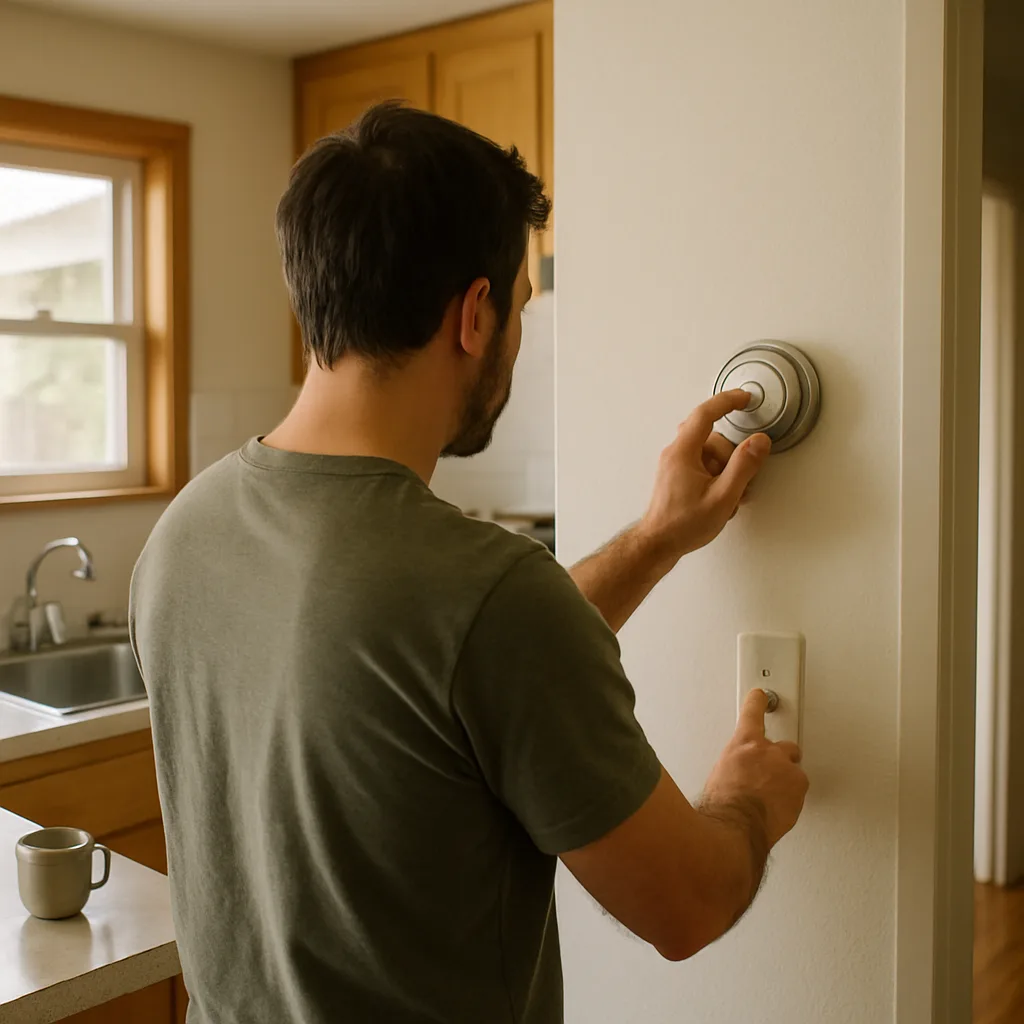
Slab-on-grade buildings in Sunnyvale often have hydronic lines routed overhead instead. We pressure-test every joint before the equipment fires, because without that test a slow leak can sit hidden above a ceiling for months.
- Test the full loop to catch leaks before the system runs its first cycle.
- Purge trapped air from the lines. Air pockets cause knocking noises and cold spots.
- Check pump flow and head against the manufacturer’s specifications.
- Verify the temperature rise across the boiler or water heater against the design numbers.
- Balance each zone so every room heats evenly, not just the one closest to the source.
Startup and testing come standard with a like-for-like installation. We don’t consider the job finished until we’ve run the system through its paces. Callbacks on someone else’s installation often trace back to a step skipped here.
Ask anyone quoting your job how they verify the work. If they can’t explain the process, that’s your answer.
Frequently Asked Questions
Common questions about Hydronic heating installation
How long does a hydronic heating installation take in Sunnyvale?
Most installations take several days, not one long day. We map your heat loss, size the boiler and emitters, connect or run piping loops, then fill, purge, and test the whole system before we start it up. Slab-on-grade construction can add time where pipe runs are harder to reach. We won’t rush the purge step, since trapped air causes noisy pipes and uneven heat later. A firm timeline comes after we walk the building in person.
What should I expect when your team arrives for an installation?
We start by walking the building and checking where you are losing the most heat. In older Sunnyvale properties near the Highway 80 corridor, single-pane glazing often factors into that calculation. From there, we size the boiler to your actual space, connect the piping, and install your emitters, whether that’s baseboard units, radiant floor loops, or radiators. We test every joint before closing anything up, then walk you through the thermostat and controls before we leave.
Why do some Sunnyvale buildings have trouble with hydronic heating installations?
Slab-on-grade buildings are the biggest challenge we see in Sunnyvale. With no existing hydronic lines, new supply and return pipes may have to run under the slab or through finished ceilings, which adds disruption. Older properties also tend to have single-pane glazing that increases heat loss and changes how we size the boiler. We check your foundation type and existing lines before recommending hydronic heat, so you’re not surprised by extra demolition mid-project.
Is hydronic heating a good fit for my building, or should I stick with forced air?
It depends on what is not working about your current system. Hydronic heat works well where airborne dust from ductwork is a problem, where you want zone-by-zone control, or where a build-out lets us run tubing before floors go down. If the building already has sound ductwork and heats evenly, forced air may still be the better call. We will walk the property and give you a straight answer instead of pushing a bigger job than you need.
My hydronic system is knocking or heating unevenly. Do I need a full replacement?
Usually not. Knocking, short cycling, or uneven heat in one room is often a repair issue, not a reason to replace the whole system. We see this weekly, and the culprit is frequently a bad circulator pump or a stuck zone valve. A full hydronic conversion only makes sense if the building has no existing boiler or piping at all. We’ll check your current setup first, since a quick fix can solve the problem without new equipment.
Ready to Get Started?
Call 972-288-2263 Today, Get Service Today.