


HVAC System Repair in Allen: Fix the Problem, Not Just the Symptom
Repairs that fix the cause, not just the symptom – with quick checks to try first and a clear call on what can wait.
What’s Covered on This Page
- Most HVAC Repair Calls in Allen Are a Single Fixable Part
- Signs the Repair Can’t Wait
- Check These Three Things Before You Call
- What Drives Your Repair Cost Up or Down
- What Happens During a Repair Visit
- Can I keep running my AC if it’s blowing warm air, or will that cause more damage?
- Is it normal for my system to need repairs every year?
- Can I fix a tripped breaker or blown fuse myself?
Most HVAC Repair Calls in Allen Are a Single Fixable Part
Your AC quits on a hot Allen afternoon and the house starts warming up fast. It’s normal to picture a brand-new system and a huge bill. Most of the time, though, that’s not what’s going on.
Your heating and cooling system works like a chain. Power comes in, the thermostat sends a signal, motors start, refrigerant moves, and air flows through your ducts. If one link breaks, the whole system can stop or act strange. The other parts may still be in good shape. They’re just waiting on the broken one.
Here are some common single parts that can stop a system, along with what you might notice:
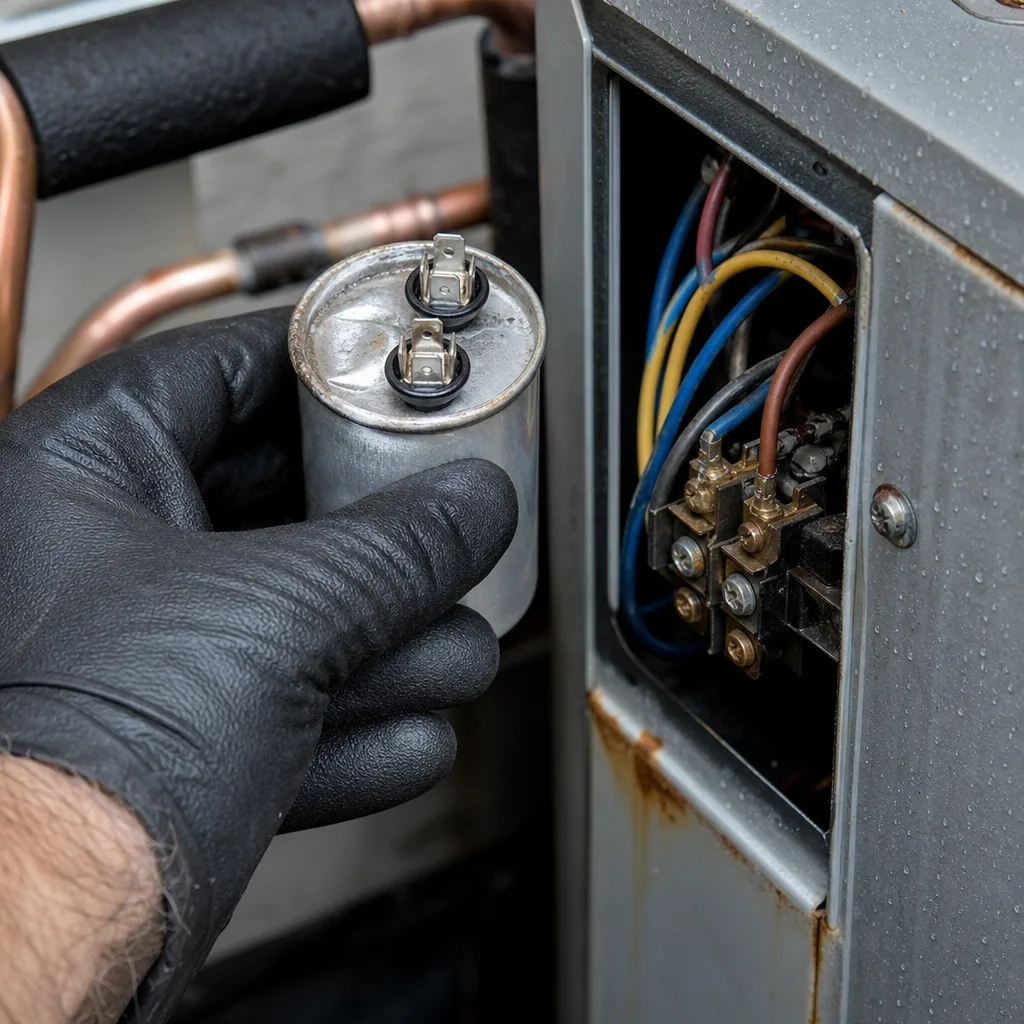
- Capacitor: the outdoor unit hums, but the fan or compressor won’t start. This small part gives motors the jolt they need to get going.
- Contactor: the outside unit won’t turn on at all, even though the thermostat is calling for cooling. It’s an electrical switch that wears out over time.
- Blower motor: you hear the system running, but little or no air comes out of the vents.
- Clogged condensate drain line: water shows up near the indoor unit, or the system shuts itself off to keep from leaking.
- Flame sensor or ignitor: on a cold morning, the furnace tries to start, then quits before it warms the house.
- Thermostat: the system won’t respond, runs nonstop, or doesn’t match the temperature you set.
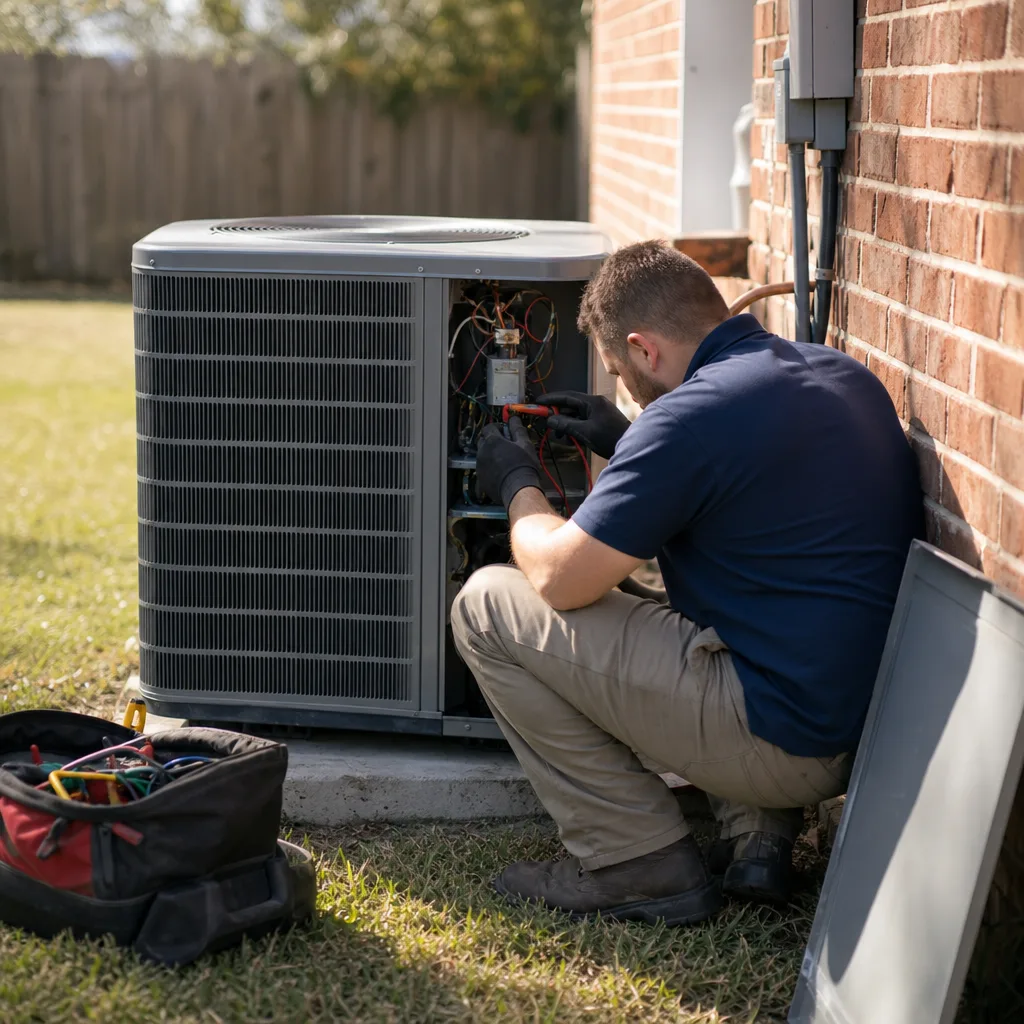
Picture this. It’s July, and you notice the vents are blowing room-temperature air. You step outside and hear the condenser humming, but the fan up top isn’t spinning. That sounds scary, but it often points to one part, like a capacitor, and not a failed system.
That’s why a repair visit is built around finding the actual problem. Our technician locates the failed part, repairs or replaces it, and then checks that your system runs correctly before calling it done. For Xtreme Air Services, this most common job costs $150-$400. That price includes diagnosis, labor, the standard replacement part, testing, and cleanup. You get the upfront flat-rate price before any work starts, and you won’t pay extra for nights or weekends.
Not every call is that simple, and you deserve to know that up front. Sometimes more than one part has failed, or the problem is a major component. Extra failed parts, major components, code upgrades, and permits aren’t part of that standard price and get quoted separately, so you can decide before anything happens. For those bigger repairs, financing is available.
So don’t let the fear of a full replacement keep you sweating it out. In most cases, one worn-out part is all that’s standing between you and a cool, comfortable home again.
Signs the Repair Can’t Wait
Some HVAC problems can sit until a regular weekday appointment. Others get worse, and more expensive, every hour the system keeps running. The difference usually comes down to one question: is a small failed part now putting stress on a bigger one?
When one link in the chain breaks, the parts around it often keep trying to work. That’s how a simple capacitor or drain line problem can grow into a compressor or ceiling repair. These are the signs that tell you to call today:
- Ice on the copper line outside or on the indoor unit. A frozen system makes the compressor, the most expensive part of your AC, work against a block of ice.
- The outdoor unit hums for a long time but never really starts. A motor that keeps straining to start can wear itself out.
- A burning or hot electrical smell from the vents or the unit. That points to an electrical problem, not a comfort problem.
- A breaker that keeps tripping. The system is telling you something is wrong, and resetting the breaker again and again won’t fix it.
- Water near the indoor unit or a stain spreading on the ceiling below it. In North Texas homes, the indoor unit often sits in the attic, so a backed-up drain can soak drywall and insulation before you notice.
- New grinding, banging, or screeching sounds. Loose or failing parts can damage the parts next to them.
- The system turns on and off every few minutes. This short cycling adds wear and still leaves the house uncomfortable.
- No heat during a hard freeze, or no cooling during a long summer heat stretch, especially if a baby, an older family member, or someone with health concerns lives with you.
Allen summers make that last point matter. Attic temperatures climb well above what you feel outside, so your system works hardest when you need it most. A weak part that would hold up for a while in spring can fail fast in July. Winter cold fronts can drop temperatures quickly too, and a furnace that won’t stay lit can leave the house cold overnight.
Here’s the honest other side. Some issues can wait a day or two. If your system is still keeping the house comfortable, but one room runs a little warm, the bill crept up, or airflow seems a bit weaker than last year, that’s worth a regular service visit, not a rush call. Check your air filter first, too. A dirty filter can cause weak airflow on its own.
If you’re seeing one of the urgent signs, though, the clock works against you. Catching the problem while it’s still one failed part is what keeps the repair small. The time of day shouldn’t hold you back either. Same-day service is available, and Xtreme Air Services charges no extra for nights or weekends, so a Saturday evening breakdown costs the same as a Tuesday morning one.
Check These Three Things Before You Call
Before you pick up the phone, take five minutes and check three simple things. Each one can make a working system look broken. If one of them fixes your problem, you don’t need us today, and that’s a good outcome.
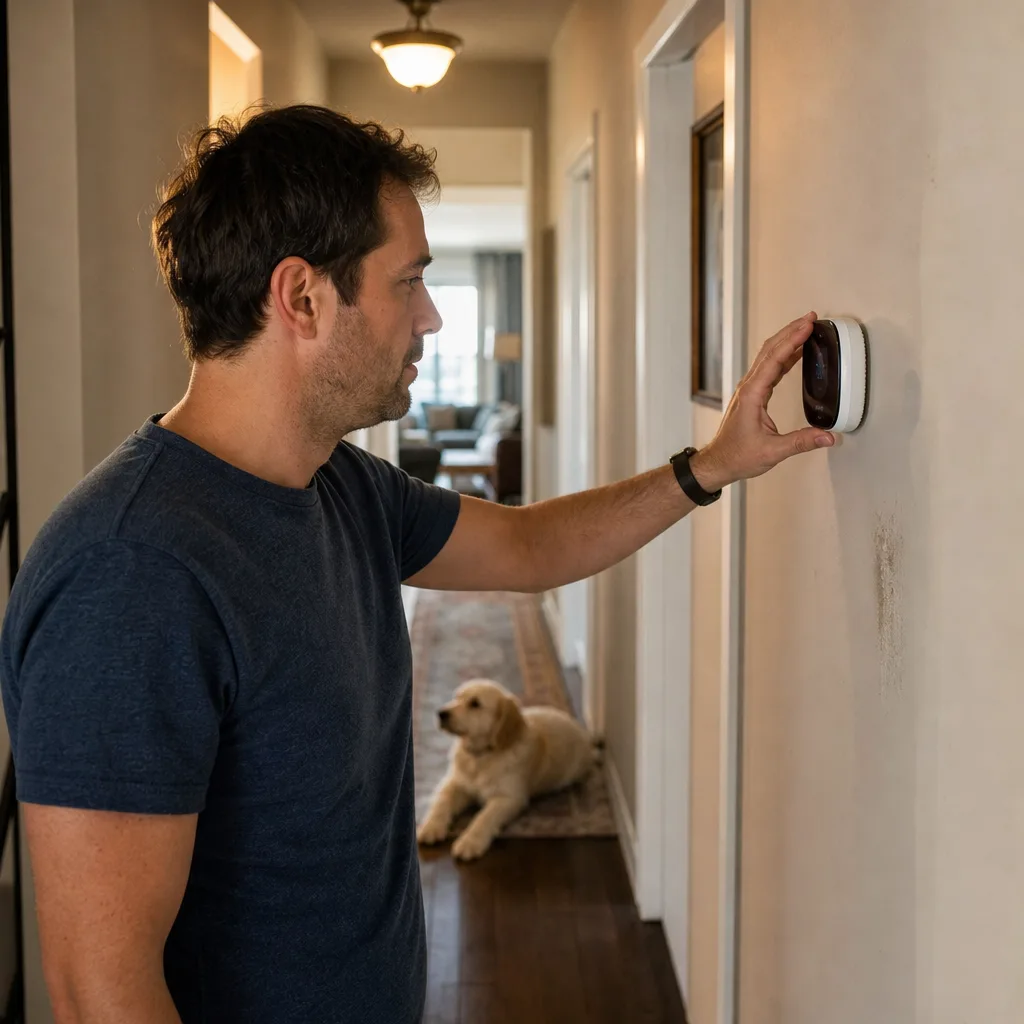
1. Your thermostat. It’s the part that tells everything else to start, so it’s the first place to look.
- Make sure it’s set to Cool or Heat, not Off.
- Set the temperature a few degrees past the room temperature so the system gets the signal to run.
- Look for a blank or dim screen. Many thermostats run on AA or AAA batteries, and dead ones can stop the signal. Swap them and try again.
- Check the fan setting. If it says On instead of Auto, the blower keeps pushing air even when the system isn’t cooling. That can feel like warm air from the vents.
- On a smart thermostat, check for a schedule, away mode, or eco mode that quietly changed your setting.
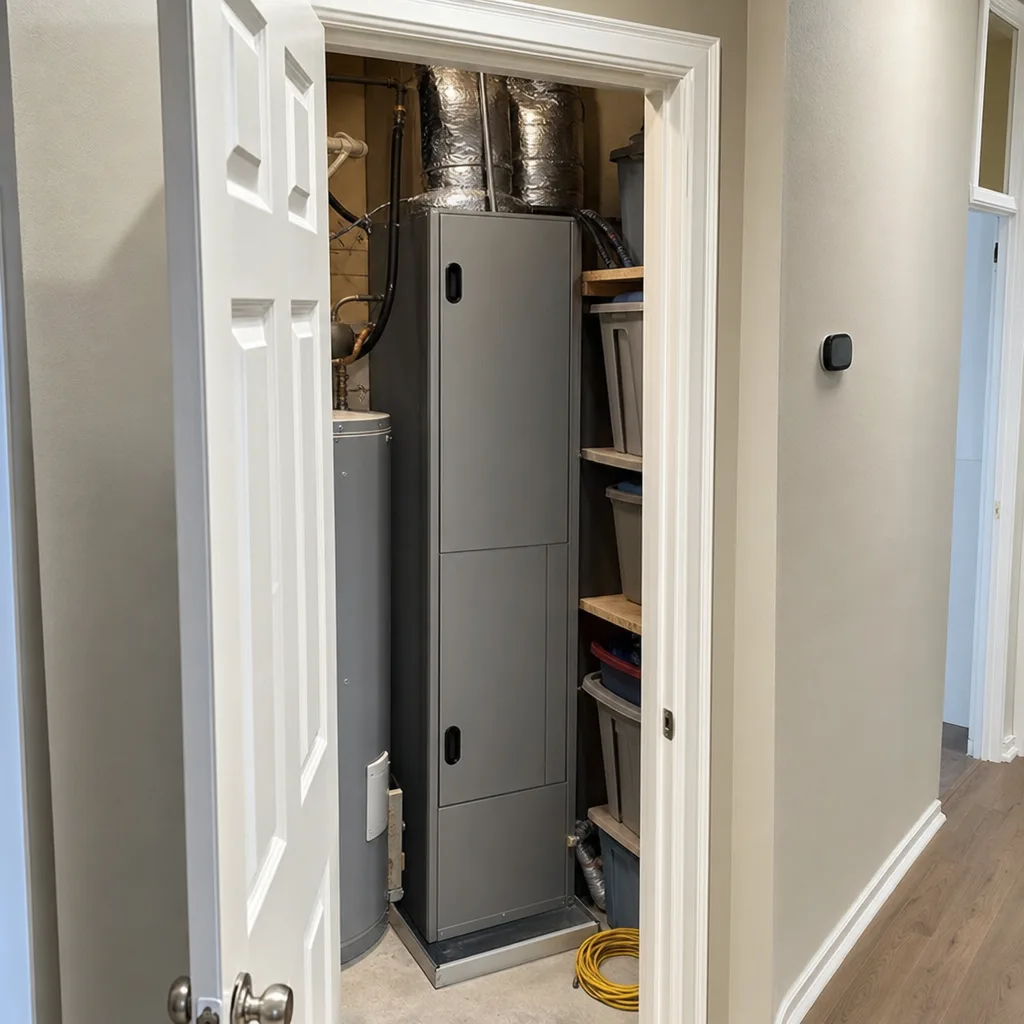
2. Power to both units. Your system usually has an indoor unit and an outdoor unit, and each one needs power.
- Open your breaker panel and find the breakers labeled AC, furnace, air handler, or condenser. A tripped breaker sits in the middle or the off position. Push it fully off, then back on. Do this once. If it trips again, that’s one of the warning signs covered above, so stop there.
- Find the service switch near your indoor unit. It looks like a regular light switch. In homes where the unit sits in the attic, it’s easy for someone to bump it off while storing boxes.
- Look at the disconnect box on the wall next to your outdoor unit. Make sure it’s closed and nothing looks pulled out or knocked loose.
- On a furnace, make sure the front panel is on snug. Many furnaces have a safety switch that keeps the system off if that panel isn’t seated right.
3. Your air filter. A dirty filter can choke airflow on its own. Here’s how to check it. Slide the filter out and hold it up to a light. If you can’t see light through it, replace it. Put the new one in with the arrow pointing toward the unit. In Allen, your system runs long hours through the summer, so filters fill up faster then than they do in spring or fall. One note: if you already spotted ice on the lines, a fresh filter won’t undo it, so that’s still a call.
Stop at these three. Don’t open up the unit, touch wiring, or try to add refrigerant. Those jobs need a licensed technician, and guessing inside the unit can turn a small repair into a bigger one.
If all three check out and your system still won’t run right, you can feel good about calling. You’ve ruled out the easy stuff, and the problem is most likely a failed part. Our service-call fee is $26-$99, and it’s credited toward the repair if you go ahead with Xtreme Air Services.
Have questions? We’re happy to help.
Call Today, Get Service Today. Xtreme Air Services — Allen is ready to help.
What Drives Your Repair Cost Up or Down
If your repair turns out to be more than the most common single-part fix, it helps to know why. At Xtreme Air Services, HVAC repairs typically run $150-$700. Where your repair lands in that range comes down to a handful of things you can understand before you say yes.
- How far the failure spread. A part that failed cleanly is one thing. A part that failed and kept the system straining for days can leave other parts worn or damaged too.
- The part itself. Some parts are small and easy to stock. Others cost more or take longer to get, and that shows up in the price.
- Your equipment’s age and brand. Parts for a newer system are usually easy to find. On an older unit, the right part can be harder to track down or cost more.
- Whether more than one part failed. Two failed parts mean two parts and more labor. This is the biggest reason a repair climbs toward the top of the range.
- When you call. With a lot of companies, a night or weekend call costs more. With us, it doesn’t, so timing isn’t something you have to weigh.
Here’s how that plays out in real life. Say your outdoor unit hums but won’t start, and you catch it the same afternoon. That’s often one part, and the repair stays small. Now say the same unit hummed and strained for a week through an Allen heat stretch before anyone looked at it. The motor that kept fighting to start may need attention too. Same first problem, very different bill. That’s why the warning signs above matter so much for your wallet, not just your comfort.
Your system’s age plays into the bigger decision too. If a major part fails on an older unit, it’s fair to ask whether repairing it still makes sense. A good technician should lay out the repair price plainly and let you make that call. You shouldn’t feel pushed either way.
Whoever you call, these questions protect you from surprises:
- Is the price flat-rate, or are you charging by the hour? With hourly pricing, a slow repair costs you more.
- Does the price include diagnosis, labor, the part, and testing, or are those billed separately?
- Is the trip fee credited toward the repair if I go ahead?
- What isn’t included, and will you tell me before doing anything extra?
- Do you charge more for nights or weekends?
You already know our answers from the sections above. We give you an upfront flat-rate price before any work starts. Anything outside the standard repair gets quoted separately, so nothing gets added without your okay. You stay in control of the decision at every step, and that’s how it should be when it’s your home and your money.
Watch Our Video
See How We Handle HVAC system repair in Allen
Xtreme Air Services — Allen
What Happens During a Repair Visit
You’ve checked the easy stuff, and your system still isn’t right. Here’s what happens next, so nothing about the visit catches you off guard.
It starts with a phone call, and you talk to a real person, not a phone menu. Tell us what you’re noticing: warm air, a humming outdoor unit, water near the indoor unit, or a furnace that won’t stay lit. Same-day service is available, so in many cases the repair doesn’t have to wait until next week.
A little prep before the technician arrives can make the visit go faster.
- Clear a path to your indoor unit. If it’s in the attic, move any boxes away from the ladder and the unit.
- Make sure the outdoor unit is easy to reach, with gates unlocked and pets inside.
- Jot down what you’ve seen and when it started. Include sounds, smells, and anything you already tried, like a new filter or a breaker reset.
- In Allen’s summer heat, try to do your attic prep early in the day, before the attic gets dangerously hot.
The person who shows up at your door is a licensed technician who has passed a background check and a drug test. You’re letting someone into your home, and you should feel good about who it is.
First, the technician finds the failed part. The goal isn’t to guess or swap parts until something works. It’s to track down the actual cause, whether that’s a capacitor, a motor, a clogged drain line, or something else. Ask questions along the way. You should come away knowing what broke and why.
Next, you get the price before any work starts. It’s an upfront flat-rate price, not an hourly meter, so a tricky repair doesn’t cost you more. If a second failed part or a major component turns up, that gets quoted separately, and you decide what happens next. You can say yes to the main repair and take time to think about the rest. If the repair is a bigger one, ask about financing.
Once you approve, the technician repairs or replaces the failed part. If you go ahead, the service-call fee you already paid is credited toward the repair, as covered above.
The visit isn’t done when the new part goes in. The technician tests your system to make sure it runs correctly, then cleans up. Before they leave, do your own quick check. Feel the air coming from a few vents. Listen to the outdoor unit and look to see if the fan is spinning. Watch the thermostat for a few minutes to make sure the system responds. If something still feels off, say so while the technician is there. That’s the best time to sort it out.
That’s the whole visit. You know what broke, you approve the price first, and you check the results yourself.
Call 469-299-8996
Frequently Asked Questions
Common questions about HVAC system repair
Can I keep running my AC if it’s blowing warm air, or will that cause more damage?
Stop running it and call us instead of waiting. If the fan outside isn’t spinning while the unit hums, the compressor can overheat trying to work without airflow. Running a frozen or straining system for days can turn a small capacitor fix into a compressor repair. Shut the system off at the thermostat until a technician checks it.
Is it normal for my system to need repairs every year?
Not usually, unless your system is older or has a recurring issue that was never fully resolved. One repair for a single failed part, like a capacitor or contactor, is a normal part of owning an HVAC system for years. Repeated breakdowns in the same season are more often a sign that a related part got stressed during the first failure and needs a closer look.
Can I fix a tripped breaker or blown fuse myself?
You can reset a tripped breaker once, but don’t keep doing it if it trips again. Flip it fully off, then back on, one time. If it trips again right away, that’s an electrical warning sign, not a simple fix, and it means a part is pulling too much current. Leave the breaker off and call a licensed technician instead of resetting it repeatedly.
Ready to Get Started?
Call (469) 299-8996 Today, Get Service Today.