


Heat Pump Installation in Carrollton: Know What You’re Paying For
Heat pumps that cool in summer and heat in winter, with what an installation includes – and what it doesn't.
What’s Covered on This Page
- Heat Pumps Fit North Texas Winters and Summers
- Signs Your System Needs Replacing, Not Just a Repair
- When Installation Isn’t What You Need
- What a Heat Pump Installation Includes, and What It Doesn’t
- What Drives Heat Pump Installation Cost Up or Down
- How long does a heat pump last before I should expect to replace it?
- Do I need a permit to install a heat pump in Carrollton?
- Can I keep my gas furnace instead of switching fully to a heat pump?
Heat Pumps Fit North Texas Winters and Summers
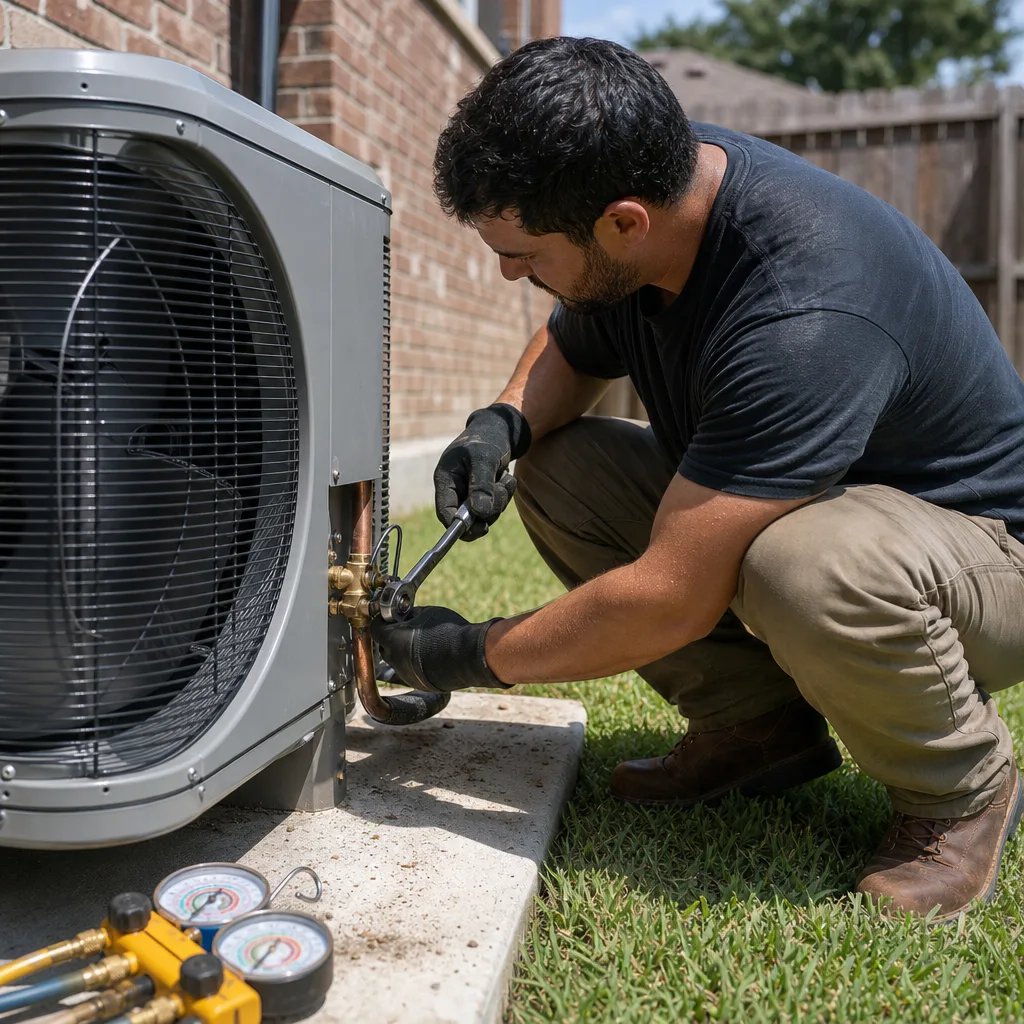
Here’s the simple version. In summer, a heat pump works just like your AC. It pulls heat out of your house and dumps it outside. In winter, it runs in reverse. It pulls heat from the outdoor air, even cold air, and brings it inside. Because it’s moving heat instead of making it, it can heat your home using a lot less electricity than old-style electric heat.
That’s why heat pump installation makes so much sense in Carrollton. Most of our winter days are cool, not bitter. On those days, a heat pump does the whole job quietly and efficiently. Then summer shows up, and the same equipment handles months of triple-digit afternoons.
The part people worry about is the freeze. North Texas can drop from mild to hard freeze overnight when a cold front blows through, and many folks here still remember February 2021. As it gets colder outside, a heat pump has less heat to pull from the air, so it puts out less. A good install plans for that day instead of hoping it won’t come.
- Backup heat: Most heat pumps here are paired with electric heat strips in the indoor unit. They switch on when the heat pump needs help, so the house stays warm on the coldest nights.
- Dual fuel: If your home already has a gas furnace, the heat pump can be paired with it. The heat pump runs most of the winter, and the furnace takes over when it gets really cold. Furnace installation is also one of our services if yours needs replacing.
- Defrost cycle: On frosty mornings you may see steam coming off the outdoor unit. That’s normal. The unit is melting ice off its coil so it can keep heating.
Summer is still the harder test in Carrollton, so the system should be sized for cooling first. Too big, and it cools the air fast but shuts off before it pulls out the moisture, which leaves your home cold and clammy. Too small, and it runs all afternoon without catching up. A proper load calculation looks at your home’s square footage, insulation, windows, and which way it faces. Cooling load calculation is one of the services we offer, and it’s the step that makes the rest of the job work.
You’ll also see two ratings on every heat pump. SEER2 tells you how efficiently it cools. HSPF2 tells you how efficiently it heats. Higher numbers mean lower power bills for the same comfort. Variable-speed models go a step further. They run slow and steady most of the time instead of blasting on and off, which helps with sticky summer humidity and keeps temperatures more even from room to room.
If your current system lives in a hot attic, like a lot of homes around here, the indoor unit and ductwork take a beating every summer. Checking that ductwork during the install helps your new heat pump deliver the comfort you’re paying for.
Signs Your System Needs Replacing, Not Just a Repair
Not every breakdown means you need a new system. Sometimes a small part fails, we swap it, and you’re good for years. Other times, the repair is just a bandage on a system that’s worn out. These are the signs that point toward replacing instead of repairing.
- The same problem keeps coming back. If you’ve had a technician out more than once for the same issue, the system is telling you something. Each fix buys less time than the last one.
- A big part failed on an older unit. When the compressor or outdoor coil goes out on a system that’s already up in years, that one repair can cost a big share of a new system. Putting that money toward new equipment often makes more sense.
- It can’t keep up in July. If your system runs all afternoon and the house still sits a few degrees warm, it may have lost the capacity it had when it was new.
- Your winter bills jump. Many older Carrollton homes heat with electric resistance heat, like an electric furnace or heat strips running alone. If your power bill spikes every cold month, a heat pump can do most of that heating with far less electricity.
- It uses an older refrigerant. Some older systems run on a refrigerant that’s no longer made. Recharging them gets harder and more expensive every year.
- The outdoor unit looks beat up. Rust, bent fins from hail, or a cabinet that’s falling apart all wear down how well it moves heat.
Mixed systems are another clue. Maybe your AC was replaced a few years ago, but the indoor unit is much older. Or you’re running a newer furnace with a tired outdoor unit. Parts that weren’t made to work together usually don’t run as well as a matched system. When one half fails, that’s often the right time to replace both.
Here’s the other side, and we mean it. If your system is fairly young and the problem is a capacitor, a fan motor, a clogged drain line, or a thermostat, repair it. Those fixes are quick and reasonably priced, and they make good sense. Replacing a healthy system because one small part quit isn’t doing right by you, and we won’t push it. Heat pump repair and AC capacitor replacement are both services we handle.
If you’re not sure which camp you’re in, a diagnostic visit clears it up. Our service-call fee is $26 to $99, and it’s credited toward the repair if you go ahead with Xtreme Air Services. You’ll get upfront flat-rate pricing on the repair, so you can compare it side by side with what a new system would cost. Then you decide.
A simple rule of thumb helps too. Think about where the next few years are headed. If this repair is the first of several you can see coming, replacing now lets you pick your timing. You won’t be forced into a rushed decision on the hottest day of August or the night a cold front blows through.
When Installation Isn’t What You Need
A new heat pump is a big purchase, and it only fixes problems that come from the equipment itself. If the trouble starts somewhere else, a brand-new unit can leave you just as uncomfortable as before. Here’s when installation isn’t the answer.
- One or two rooms are always hot or cold. If the rest of the house feels fine, your system is probably doing its job. The air just isn’t reaching those rooms. Leaky or crushed ducts in a hot attic, a closed damper, or a bedroom over the garage are the usual causes. Duct sealing or a zoning system goes after that problem directly. A new heat pump hooked to the same bad ducts will leave the same rooms uncomfortable.
- You added space. A garage conversion, sunroom, or new addition often sits too far from your existing ducts to get good airflow. A ductless mini-split can heat and cool that one space on its own, without replacing the system that already handles the rest of your home.
- Your bills went up, but the house still stays comfortable. Start with the simple stuff. A clogged filter makes any system work harder. An outdoor coil packed with dust, grass clippings, and cottonwood fluff can’t move heat well. A maintenance visit and a coil cleaning may bring your bills back down.
- Your house leaks air. Drafty windows, gaps around doors, and thin attic insulation let your heating and cooling escape. A newer unit will just run longer trying to keep up. Fixing those leaks first can make a real difference, and it helps any system you choose later.
- You’re moving soon. If you plan to sell in the next year or two and your system still works, you may not live there long enough to enjoy the lower power bills. Keeping it maintained is often the smarter choice.
There are also a few things you can check yourself before anyone comes out:
- Look at your air filter. If it’s gray and clogged, swap it out and give the system a day.
- Check your thermostat mode. Many heat pump thermostats have a setting called Emergency Heat or EM Heat. It runs only the backup heat strips, which uses a lot of electricity. If your winter bill jumped and that setting is on, switch it back to regular Heat.
- Walk around the outdoor unit. Pull away leaves, weeds, and anything stacked against it so air can flow freely through the coil.
If one of those fixes the problem, great. You just saved yourself a service call.
And if your system works fine and you’re only thinking about an upgrade, you don’t have to rush. You have time to get a proper load calculation, compare options, and pick the timing that works for your family. Rushed decisions are how people end up with equipment that’s the wrong size for their home. A heat pump installation should happen because it solves a real problem in your home, not because someone made you feel you had to decide today.
Need help with Heat pump installation?
Call Today, Get Service Today. Xtreme Air Services — Carrollton is ready to help.
What a Heat Pump Installation Includes, and What It Doesn’t
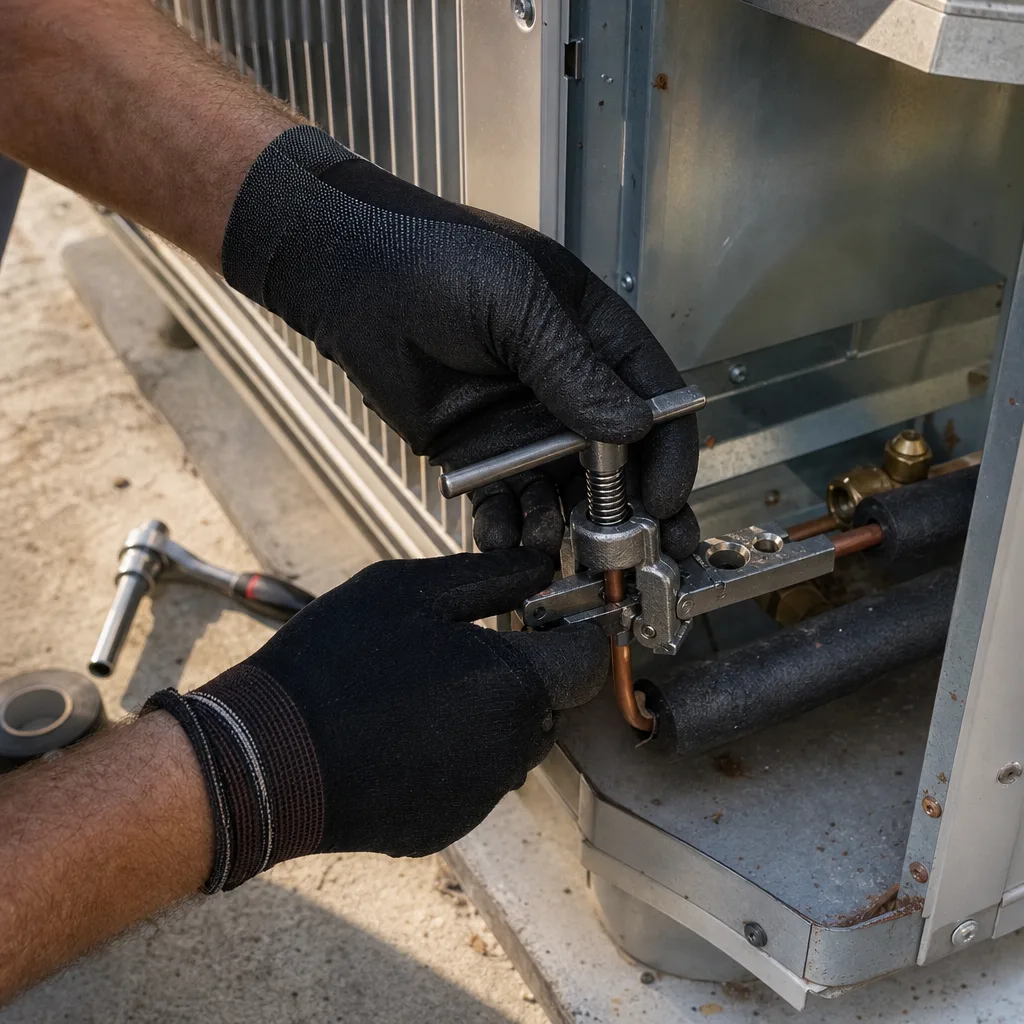
Let’s talk money, because that’s what you really want to know. A heat pump installation with Xtreme Air Services typically runs $5,000 to $12,000. Our most common job is a standard like-for-like swap. That means we replace your old system with a new one using the existing connections and no major changes. That job usually costs $6,400 to $9,200.
Here’s what that standard install covers:
- The new equipment and the materials to put it in
- Professional installation
- Standard connections to your home’s existing lines
- Startup and testing, so you know it’s running right before we leave
- Haul-away of your old unit, so it isn’t sitting in your side yard
And here’s what isn’t included unless your quote says it is:
- Changes to your ductwork, wiring, or plumbing
- Code corrections, meaning fixing older work that doesn’t meet today’s rules
- Permits
Why spell this out? A low number on a quote means very little if the extras show up later. When you compare quotes, check that each one covers the same things. One quote might include the permit and haul-away, and another might leave them off. The cheaper-looking price isn’t always the cheaper job.
So what moves your price up or down? These are the big factors:
- Size and efficiency. A bigger system, measured in tons, costs more. So does a higher SEER2 rating. You pay more up front for lower power bills later.
- Brand and model. Basic single-speed units cost less than variable-speed models.
- Ease of access. A unit in a cramped, hot attic takes more time and care than one in a hall closet or garage.
- Condition of what’s already there. Old ductwork, wiring, or plumbing may need work before a new system can run well.
- Code upgrades and permits. Older homes sometimes need updates to meet current code.
- Custom fabrication. If new equipment doesn’t line up with your old setup, parts may need to be built to fit.
Here’s a common example. Say your home heats with a gas furnace and you’re switching to a heat pump with electric heat strips. Those strips can pull a lot of power. Your electrical panel may need a new circuit, or even an upgrade, to handle them. That’s electrical work, so it falls outside the standard install. It’s also why an honest quote looks at your panel before anyone orders equipment. Electrical panel upgrades are something our team handles too, so you won’t have to call a second company.
With Xtreme Air Services, you get upfront flat-rate pricing that you approve before any work starts. You’ll see what’s included, what’s not, and why. If something like duct repair or a permit applies to your home, it goes on the quote in writing, not on a surprise bill at the end.
If the total is more than you planned for, flexible financing is available on qualifying installations and larger jobs, on approved credit. That can help you get the right system for your home instead of settling for whatever fits this month’s budget.
Watch Our Video
See How We Handle Heat pump installation in Carrollton
Xtreme Air Services — Carrollton
What Drives Heat Pump Installation Cost Up or Down
Two homes on the same street can get very different quotes for the same size heat pump. Part of your price is set by your house. Part of it is up to you. It helps to know which is which before anyone shows up with a quote.
Here’s what your house decides:
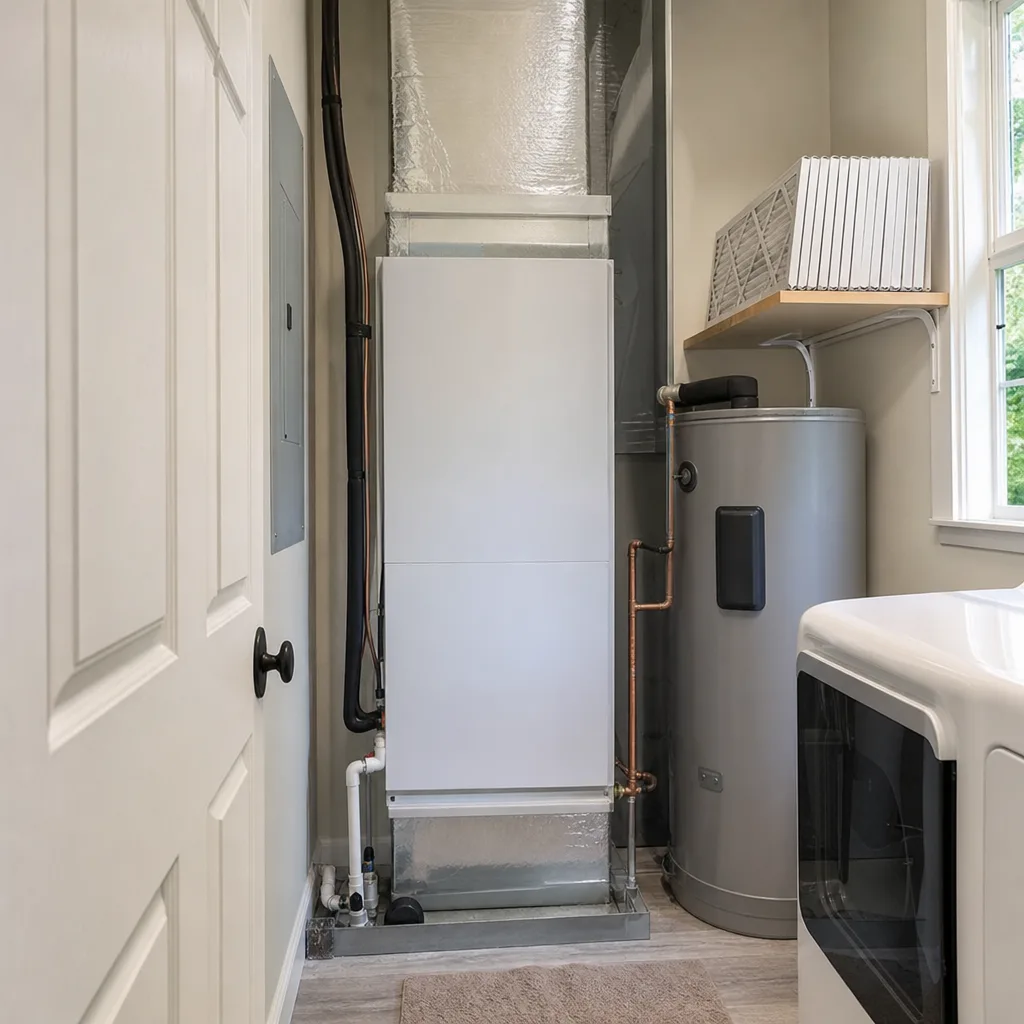
- Where the indoor unit lives. If it’s up in the attic, everything has to go up a pull-down ladder and get set in a tight, hot space. A unit in a garage or hall closet is a quicker job.
- Whether the new unit fits the old spot. Newer, more efficient indoor coils can be a different size than the old ones. If the openings don’t line up, someone has to build a piece to connect them.
- What the ducts look like once they’re opened up. Crushed, torn, or leaky ducts in an older attic can’t be ignored if you want the new system to work right.
- What your electrical panel can handle, especially if you’re switching from gas heat to electric heat strips.
And here’s what you get to choose:
- Efficiency level. Higher SEER2 and HSPF2 ratings cost more up front and save more each month. That trade pays off best when you plan to stay in your home for years and run the system hard all summer.
- Single-speed or variable-speed. A single-speed unit is either fully on or off. A variable-speed unit costs more, but it runs low and steady, which helps with humidity and keeps rooms closer to the same temperature.
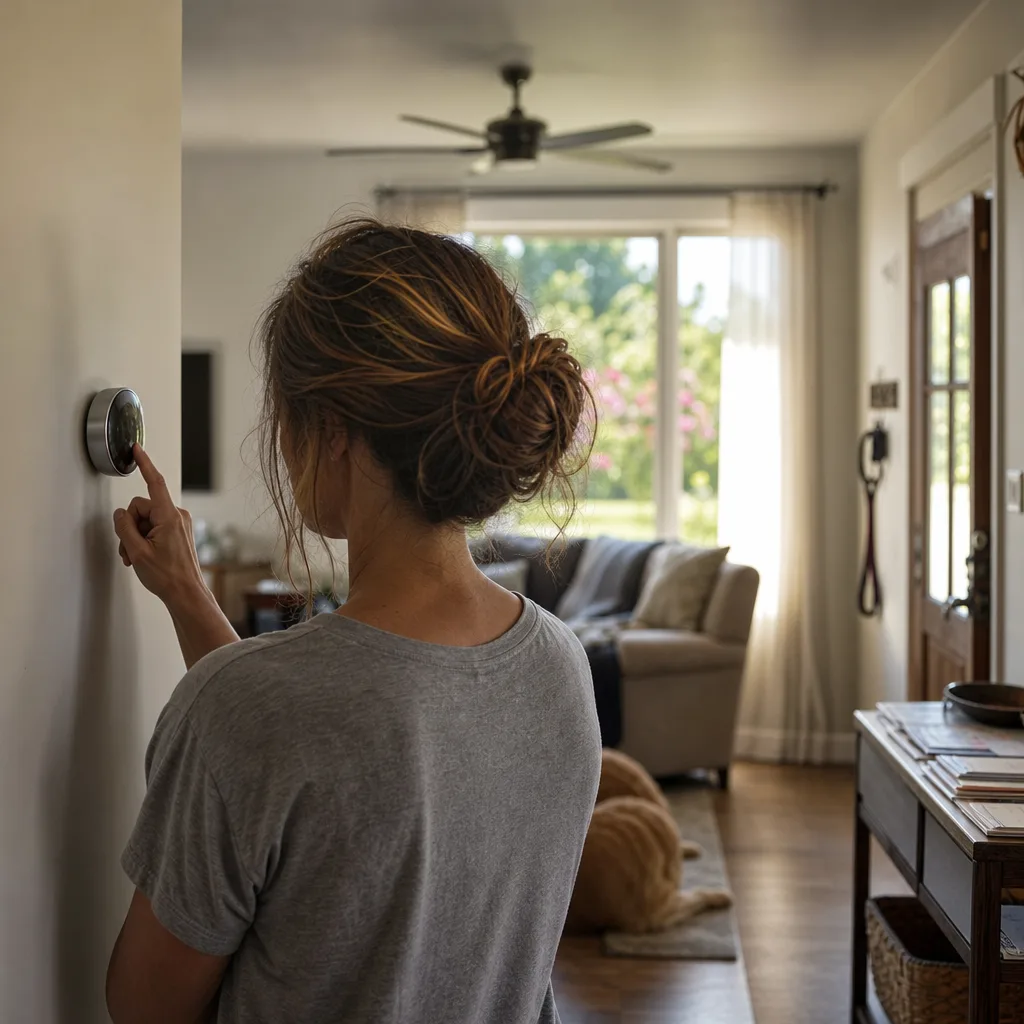
- Add-ons like a smart thermostat. It’s a small extra that can help a heat pump run smarter, but it’s your call.
- Your timing. Replacing before your old system dies gives you time to compare options instead of taking whatever’s available on the hottest day of the year.
Not sure which quote is the honest one? Ask every company the same questions and see who gives you straight answers:
- Did you do a load calculation on my home, or are you just matching the size on my old unit’s label?
- What SEER2 and HSPF2 ratings am I getting? Are they the same on every quote I’m comparing?
- Is the permit included, or is it extra?
- Are you reusing my existing refrigerant lines, and did you check them first?
- If you find duct or electrical problems once work starts, will I see a price and approve it before you do it?
A good contractor will be glad you asked. If someone gives you a price over the phone without looking at your attic, your ducts, or your panel, that number is probably going to change.
When you call Xtreme Air Services, you’ll talk to a real person. Our licensed and insured technicians will look at your whole setup before quoting, and you’ll get upfront flat-rate pricing in writing before any work starts. We’re a Trane Comfort Specialist with a 4.8-star reputation across 2,900+ reviews, and our office is right here on E Trinity Mills Rd in Carrollton.
Call 469-269-6099
Frequently Asked Questions
Common questions about Heat pump installation
How long does a heat pump last before I should expect to replace it?
Most heat pumps last many years, but how hard your system works matters more than age alone. A unit in a hot Carrollton attic runs harder every summer, which can wear it down faster than one in a cooler spot. If you’re facing repeated repairs or a big part failure on an older unit, that’s usually a stronger signal to replace than the age on the nameplate.
Do I need a permit to install a heat pump in Carrollton?
Yes, most heat pump installations require a permit, and skipping one can cause problems later, like trouble at resale or with insurance. Permit rules can also depend on your exact location, since some requirements differ by jurisdiction. Asking your contractor whether the permit is included in your quote, as mentioned earlier, helps you avoid surprises.
Can I keep my gas furnace instead of switching fully to a heat pump?
Yes, pairing a heat pump with your existing gas furnace is a common setup called dual fuel. The heat pump handles most winter days, since Carrollton winters are mostly mild, and the furnace kicks in during the rare hard freeze. This setup also avoids the electrical panel upgrades sometimes needed for electric heat strips.
Ready to Get Started?
Call (469) 269-6099 Today, Get Service Today.