


Reverse Osmosis System Installation in Fort Worth
Find out if reverse osmosis fits your water problem before you buy – then a licensed installation.
What’s Covered on This Page
- Reverse Osmosis Solves a Taste and Purity Problem, Not Hardness
- What’s Included in a Standard Under-Sink RO Installation
- What Drives Reverse Osmosis Installation Cost
- How RO Connects to Your Existing Plumbing
- Questions to Ask Before You Hire for RO Installation
- What is the downside to drinking reverse osmosis water?
- Does a big box store like Lowe’s install reverse osmosis systems?
- Is a smaller or cheaper RO system good enough for my home?
Reverse Osmosis Solves a Taste and Purity Problem, Not Hardness
It’s easy to mix these two up. Both count as water treatment, and both promise better water. But they fix two different problems, and buying the wrong one means you still have the problem you started with.
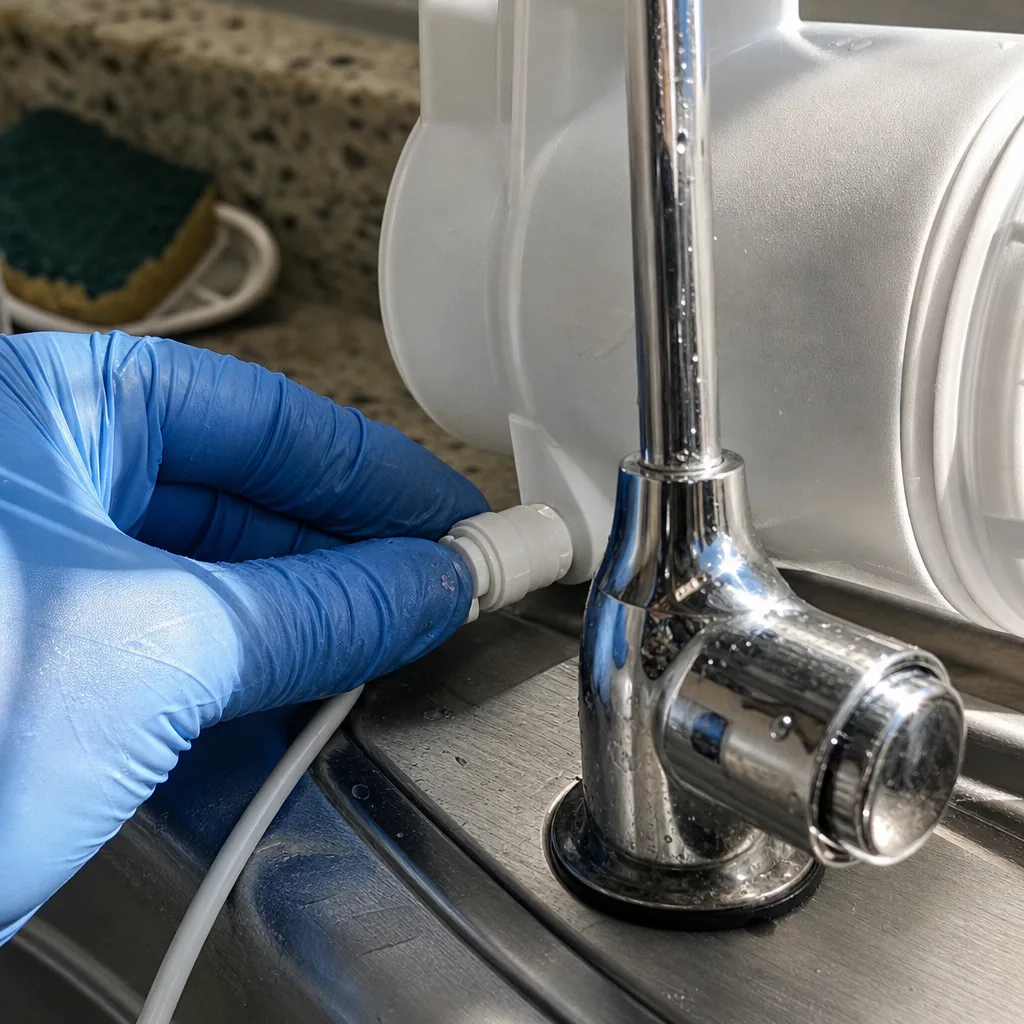
Here’s how reverse osmosis works. Your water passes through carbon filters that catch chlorine-type tastes and smells. Then it’s pushed through a very fine membrane that holds back most of the dissolved stuff in the water. The clean water waits in a small tank under your sink and comes out of its own faucet. The leftover water, carrying what got filtered out, goes down the drain. That’s why every install needs a drain connection.
That setup makes RO great for drinking water and the wrong tool for hardness. It only serves one faucet. Your showers, washing machine, dishwasher, and water heater still get the same hard water they always did.
- RO is a good fit if you don’t like the taste or smell of your tap water.
- RO is a good fit if you buy bottled water by the case and you’re tired of hauling it home.
- RO is a good fit if you want cleaner water for coffee, tea, ice, and cooking.
- RO is a good fit if you already have a softener and want your drinking water to taste better too.
- A softener is the fix if you see white crust on faucets and showerheads.
- A softener is the fix if your dishes and glass shower doors keep getting spotted.
- A softener is the fix if soap won’t lather well and your skin feels dry after a shower.
- A softener is the fix if your water heater is building up scale.
If your only complaint is spots and scale, an RO system won’t fix it. We’d rather tell you that now than sell you something that misses the mark.
Water in North Texas tends to run hard, and Fort Worth’s city water is treated with a disinfectant so it stays safe as it travels through miles of pipe. That treatment is a good thing for your family’s safety, but it can leave a taste some people don’t enjoy. The carbon stages in an RO system take care of that right at your kitchen tap.
Hard water also matters for the RO system itself. Minerals can build up on the membrane and wear it out faster. If your home has very hard water, a softener ahead of the RO helps protect it. Our team handles water softener installation too, so you don’t need a second company for that part.
One more thing. Because RO pulls out most minerals, some people find the water tastes a little flat. A remineralization stage adds a small amount of minerals back for a fuller taste. It’s optional, and it’s your call.
Not sure which problem you have? Water testing shows what’s in your water before you spend a dime on equipment. We offer water testing, so you can pick the right fix instead of guessing.
What’s Included in a Standard Under-Sink RO Installation
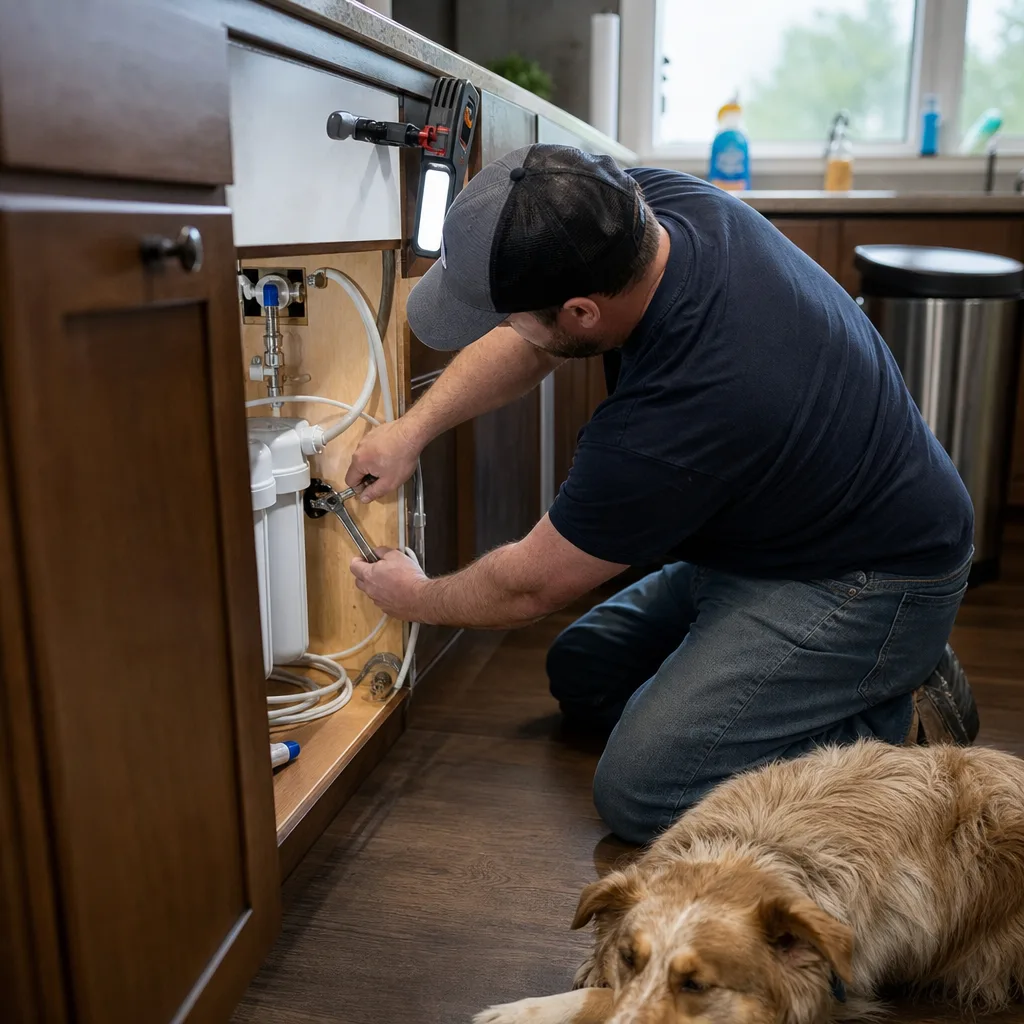
A standard job means we install an under-sink RO drinking-water system with its own faucet, the membrane, and the drain connection. Then we test it for proper output before we call it done. Most jobs finish the same day, so you can be pouring a glass of filtered water by evening.
For this most common job, the price is $475-$850. Across all the RO work we do, the typical range is $300-$1,200. You’ll see a flat-rate price and approve it before any work starts, so there’s no meter running while we’re under your sink.
Here’s what that price covers:
- The RO system and the materials to hook it up
- Professional installation by a licensed and insured technician
- The dedicated drinking-water faucet
- All supply and drain connections
- Startup and testing, so you know it’s making water the way it should
Why such a wide range? A few things move the number up or down, and it helps to know them before you call.
- System stages and capacity. More filter stages and a system sized for a big household cost more than a basic setup for one or two people.
- Faucet and tank type. A basic chrome faucet with a standard storage tank costs less than a designer finish or a tankless unit that frees up cabinet space.
- Condition of your existing plumbing. If the shutoff valve under your sink is stuck or leaking, it may need to be replaced before the new system can tie in. That’s common in older homes.
- Drain and supply access. A roomy cabinet with easy access to the drain is quicker work than a tight space crowded with a garbage disposal and other lines.
- Added remineralization. If you want that optional stage from the section above, it adds to the cost.
Some things fall outside a standard install. We’ll tell you up front if your kitchen needs any of these:
- A dedicated line, if running one takes extensive work
- Cabinet modifications, such as cutting a cabinet to fit the tank
- Code corrections to existing plumbing that isn’t up to code
- Permits, unless stated in your quote
Most kitchens never need any of these. But if yours does, you’ll hear about it and see the price before we touch anything, not after the job is done.
There’s a $26-$99 service-call fee to come out and look at your setup. If you go ahead with the install, that fee is credited toward the work. Financing isn’t typically offered for a smaller job like this. It’s available on larger repairs and replacements, so if you’re pairing RO with a bigger project, ask about it.
A quick tip before your appointment: clear out the cabinet under your kitchen sink. It gives the technician room to work and makes it easier to spot a tired shutoff valve or a crowded drain right away.
What Drives Reverse Osmosis Installation Cost
The install price is only part of the cost. The rest is what you’ll spend to keep the system making good water for years, plus anything a quote leaves out. If you’re comparing quotes, these questions tell you whether you’re looking at the same job.
- Is this a flat price or an hourly rate? A flat price you approve first means a stuck valve or a tight cabinet won’t run up the bill halfway through.
- How many stages, and how many gallons a day does it make? A quote that looks lower may be for a smaller system than your household needs.
- Are the faucet, drain connection, and testing included? If testing isn’t listed, ask how you’ll know the system is working right.
- Is remineralization included or extra?
- What happens if the shutoff valve under the sink is bad? Get the answer before work starts.
- Is the service-call fee credited toward the install?
Be careful with a low bid that cuts corners. One common shortcut is a saddle valve, a clamp that pierces your water line to feed the system. It’s quick and inexpensive, but it can clog or start leaking inside the cabinet, where you won’t see it right away. A proper connection costs a little more on install day and saves you the headache later.
Once the system is in, you’ll have three ongoing costs.
Replacement filters. The carbon and sediment filters need to be changed on the schedule the manufacturer sets. Before you choose a system, ask what the replacement filters cost and whether they’re easy to buy. Some systems use standard-size filters you can find almost anywhere. Others need filters that come from only one source.
The membrane. It lasts longer than the filters, but it does wear out. As the first section explained, hard water can wear it out faster. That’s why pairing RO with a softener can pay off over time.
Water sent to the drain. Every RO system sends some water down the drain as it cleans the water you drink. How much varies from one system to the next. If your water bill matters to you, ask about it when you compare systems.
Measure all of that against what you’re paying now. If you buy bottled water by the case every week, add up a year of it. For many families, the RO system starts paying for itself on the coffee, ice, and drinking water they no longer buy. They also stop hauling heavy cases from the store.
When we quote your install, you’ll get a flat-rate price to approve before anything starts. If something under your sink needs extra work, you’ll hear about it first. You’ll also know what your system needs going forward, so the cost of owning it is clear before you decide.
Need help with Reverse osmosis system installation?
Call Today, Get Service Today. Xtreme Air Services — Fort Worth is ready to help.
How RO Connects to Your Existing Plumbing
An under-sink RO system hooks into your kitchen plumbing in just a few spots: the cold water line, the sink drain, and your sink or countertop for its faucet. It doesn’t touch the rest of your home’s plumbing, and almost all of it stays hidden in the cabinet. Here’s what each connection does and what can make it easier or harder in your kitchen.
- Cold water supply. The system feeds off the cold line under your sink. A small adapter usually goes in at the shutoff valve, so your regular kitchen faucet keeps working the way it always has. This is the proper connection, not the clamp-on shortcut covered above.
- Drain line. A thin tube carries the leftover water to your sink drain. It attaches above the trap, the U-shaped bend in the pipe that holds water. That placement helps keep dirty drain water from backing up into the system.
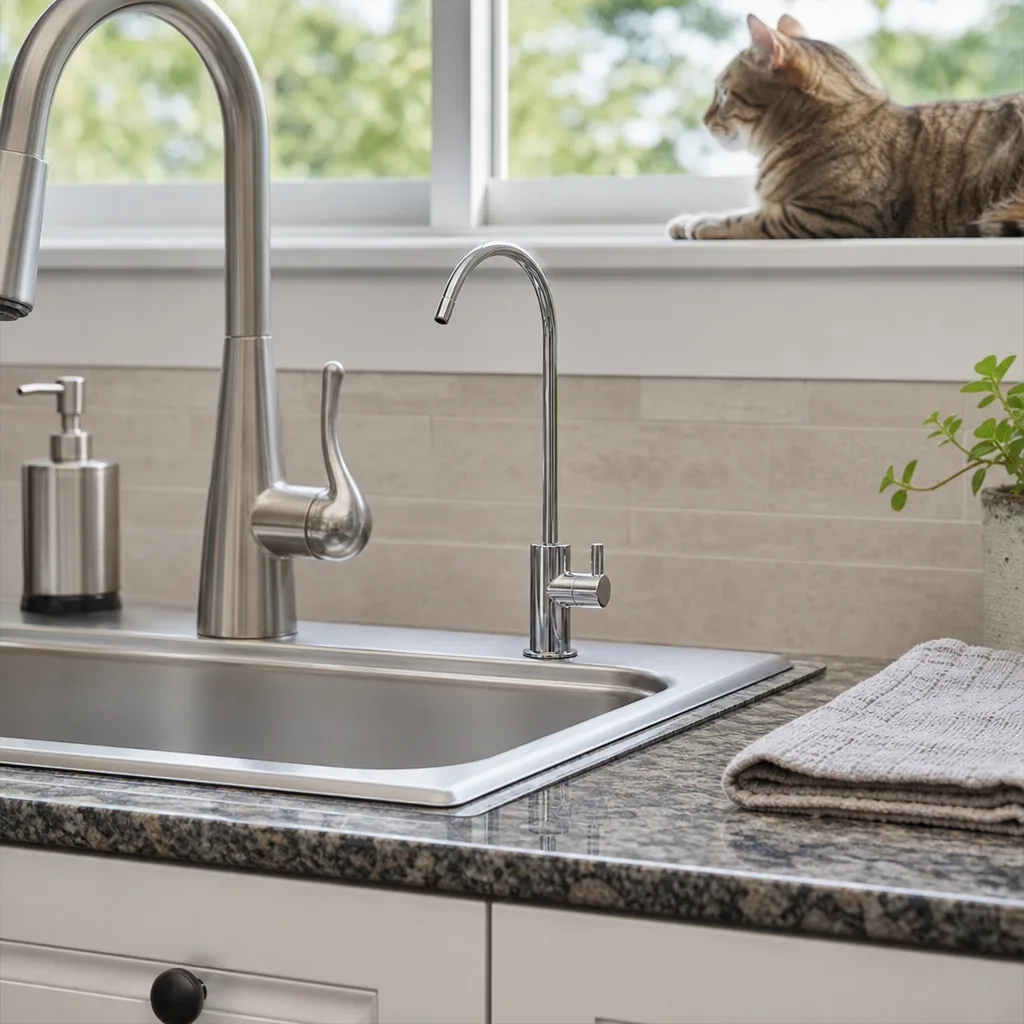
- Faucet. The RO faucet needs its own hole. An unused sprayer or soap dispenser hole often works. If you don’t have one, a new hole gets drilled. A stainless sink drills easily, but granite or quartz takes more care and the right bit.
- Storage tank. The tank sits in the cabinet, usually off to one side, with a short line running up to the faucet.
Most North Texas homes sit on slab foundations, so the supply and drain lines under your sink come out of the wall or floor right inside the cabinet. That keeps the whole job in one spot, with no work in a crawl space or attic.
A few things in your kitchen can change the plan:
- A garbage disposal. It takes up room and shares the drain. The RO drain line has to be placed so the disposal doesn’t push food scraps back into it. If your cabinet is crowded, that’s often what makes access tight.
- Low water pressure. RO uses your home’s water pressure to push water through the membrane. If pressure is weak, the tank fills slowly and more water goes down the drain. Sometimes the fix is a small booster pump. Sometimes it’s a worn pressure regulator on your home’s main line, which our plumbers can replace.
- No outlet under the sink. Most systems with a storage tank don’t need power. Some tankless units and booster pumps do. If there’s no outlet in your cabinet, our electricians can add one, so you don’t need a second company.
- A fridge or ice maker line. You can run a line from the RO system to your refrigerator so your ice and door water are filtered too. It’s a longer tubing run, so mention it when you ask for your quote.
If you’re planning a kitchen remodel, ask about the RO faucet hole before your new countertop goes in. A hole cut at the shop is quicker and cleaner than drilling stone in place later.
Once everything is connected, the system gets flushed and checked as part of startup and testing. For the first week, glance under the sink now and then. A dry cabinet and a tank that refills overnight tell you the connections are doing their job.
Watch Our Video
See How We Handle Reverse osmosis system installation in Fort Worth
Xtreme Air Services — Fort Worth
Questions to Ask Before You Hire for RO Installation
You already know which price questions to ask. These questions are about the person doing the work. An RO system sits in a closed cabinet, tied into your water line, running all day. You want it installed by someone you’d trust in your home and with your plumbing.
- Who’s coming to my house? Ask if the technician is licensed and insured. Plumbing is a licensed trade in Texas. If a leak shows up later, you’ll be glad the work was done by someone who’s accountable for it.
- Will you test my water before you recommend a system? A good installer wants to know what’s in your water first. If the answer is hardness, not taste, they should say so, as the first section explained.
- Will you check my water pressure? Weak pressure changes which system makes sense for your home. A quick check on the first visit beats finding out after the tank fills slowly for a week.
- What does this system remove, and can I see proof? Ask for the manufacturer’s performance sheet or independent certification. A vague answer like “it removes everything” is a red flag.
- Can you run a line to my fridge or ice maker on the same visit? Doing it now is easier than adding it later.
- Will you show me how to shut off the system and change the filters? You should know where the shutoff is before you need it.
- Who do I call if the water tastes off or I spot a drip? Get a name or a number, not just “call the office.”
- When can you come out, and how long will it take? A standard under-sink install is usually a one-visit job, so a long wait or a multi-day estimate deserves an explanation.
Pay attention to how each question gets answered, not just what the answer is. A good installer answers in plain English and doesn’t rush you. If you hear that you need the biggest system on the truck before anyone has looked at your water, keep looking. That goes for us too. You should feel sure about the choice, not pushed into it.
Here’s how we’d answer a few of those. Our technicians are licensed, insured, and background-checked. We offer water testing, so the system fits your water and not a guess. You’ll see upfront flat-rate pricing and approve it before any work starts. Most jobs finish the same day. If your kitchen turns out to need a softener, a new outlet, or a pressure regulator, our plumbers and electricians handle that too. You won’t need a second company.
Your neighbors trust us. We’ve earned a 4.8-star rating across more than 2,900 reviews on Google, Angi, and HomeAdvisor, and our team serves homes across Fort Worth and the rest of the DFW Metroplex.
Call 817-677-1907
Frequently Asked Questions
Common questions about Reverse osmosis system installation
What is the downside to drinking reverse osmosis water?
The main downside is flat-tasting water, because the membrane strips out most minerals along with contaminants. Some people also dislike that a small amount of water goes down the drain with every gallon produced. If flat taste bothers you, a remineralization stage adds a small amount of minerals back in, and it’s an optional add-on you can choose at install.
Does a big box store like Lowe’s install reverse osmosis systems?
Big box stores mainly sell RO units off the shelf rather than send a licensed plumber to install them. Hiring a licensed and insured technician matters here because the install involves tying into your cold water line, cutting a drain connection, and sometimes replacing a worn shutoff valve under the sink. A proper connection avoids shortcuts like a saddle valve, which can clog or leak inside the cabinet without you noticing.
Is a smaller or cheaper RO system good enough for my home?
It depends on your household size and how many gallons per day you need, not just the lowest price tag. A system sized too small for a busy kitchen may leave the tank running low during peak use. Ask how many stages the system has and what its daily output is before comparing any two quotes side by side.
Ready to Get Started?
Call (817) 677-1907 Today, Get Service Today.