


HVAC System Repair in Irving: Know the Fix and the Cost Before You Call
Repairs that fix the cause, not just the symptom – with quick checks to try first and a clear call on what can wait.
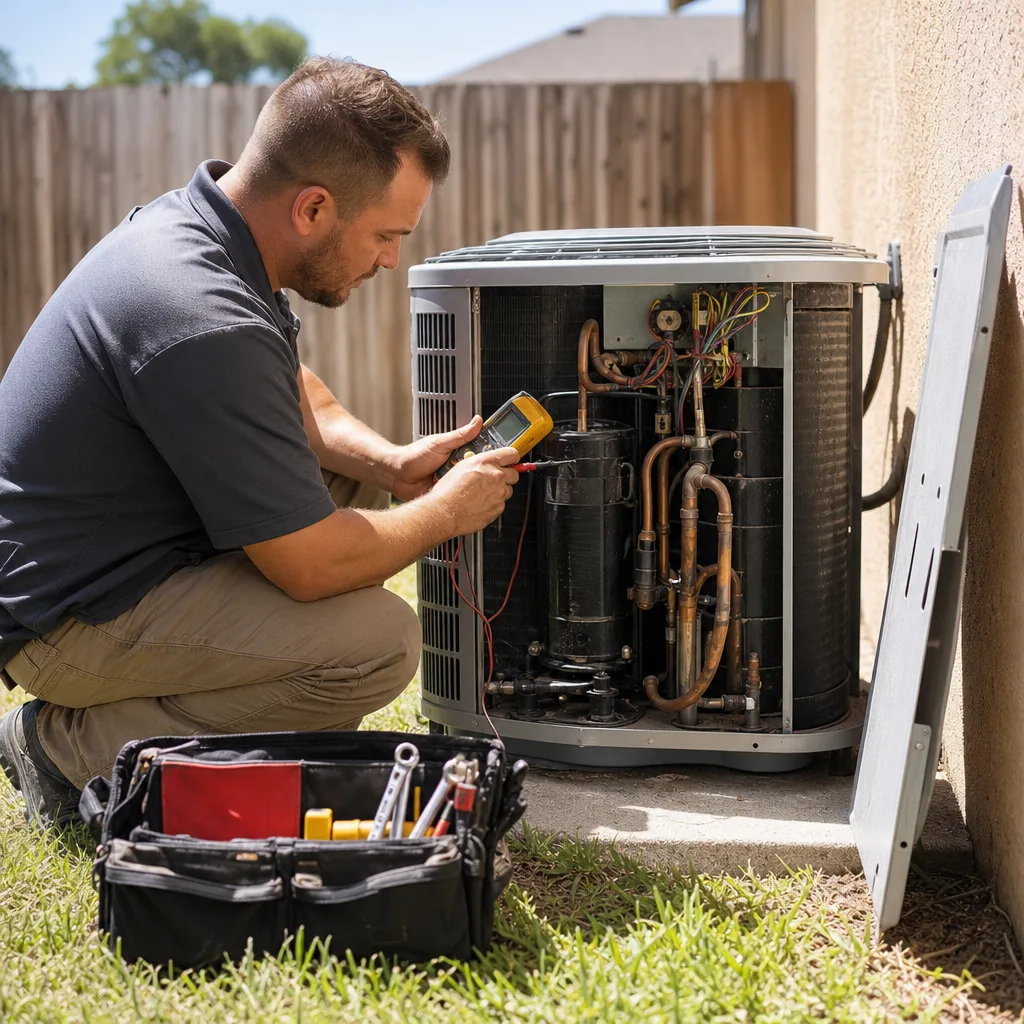
What’s Covered on This Page
- Signs Your System Needs a Repair Call
- What Happens During a Repair Visit
- What Drives the Price of a Repair
- When You Might Not Need a Repair Call Yet
- Repair Needs Vary With Your System’s Age
- Should I really have my HVAC system serviced every year?
- What are the most common types of HVAC systems in Irving homes?
- How do I know if it’s my thermostat or something bigger?
Signs Your System Needs a Repair Call
Your system usually tells you something’s wrong before it quits. The trick is knowing which signals mean a part is failing and which ones can wait. Here’s what to watch for in your home.
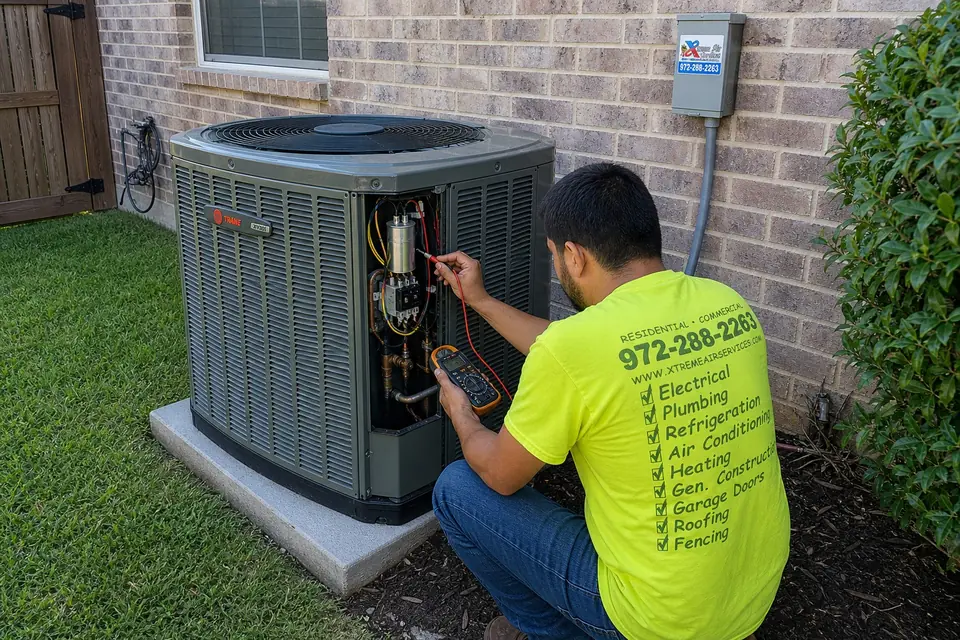
- It’s blowing warm or lukewarm air. The fan runs, but the air coming out of your vents isn’t cool. This can point to a failed capacitor, a refrigerant leak, or an outdoor unit that stopped running.
- The airflow feels weak. Air barely moves out of the vents, even with the system on high. A failing blower motor, a frozen coil, or a duct problem can all cause this.
- It won’t turn on at all. You set the thermostat and nothing happens. Sometimes it’s the thermostat. Sometimes it’s an electrical part or a control board.
- It turns on and off over and over. Short bursts of running, then off, then on again. This is called short cycling, and it wears out parts fast.
- You hear new noises. Grinding, squealing, buzzing, or loud clicking that wasn’t there before usually means a motor, fan, or electrical part is struggling.
- There’s water or ice. Water near the indoor unit can mean a clogged drain line. Ice on the copper lines or the coil means something is keeping the system from working the way it should.
- The breaker keeps tripping. One trip can be a fluke. If it keeps happening, there’s an electrical problem that needs a trained eye.
- You smell something burning. A burning or hot electrical smell coming from your vents or unit is a sign to call right away.
- Your energy bill jumps for no clear reason. If your usage didn’t change but the bill climbed, your system may be running longer to keep up with a failing part.
In Irving, summer is when these signs hit hardest. When it’s over 100 degrees outside, your AC may run for hours without a break. Many homes here have the indoor unit up in the attic, where it gets even hotter. That’s tough on capacitors, motors, and drain lines. A small weakness that you barely noticed in spring can turn into a full stop in July.
That’s why it pays to call when you first notice a sign. A system that’s still running, just not running right, is often a one-part fix. Wait until it’s dead on the hottest afternoon of the year, and one weak part can put strain on others. That’s when a simple repair can become a bigger one.
You don’t need to know what’s wrong before you call. You just need to tell us what you’re seeing, hearing, or smelling. That gives our licensed and insured technicians a head start on finding the problem and getting your home comfortable again.
What Happens During a Repair Visit
A repair visit has a simple goal. Find the part that failed, fix or replace it, and make sure your whole system runs right before we leave. Most calls are a single common failure that gets fixed on the first visit. Here’s how it goes, step by step, so nothing catches you off guard.
It starts when you call and talk to a real person. Tell us what you’re noticing, like warm air, a strange noise, or water by the indoor unit. Same-day service is available, and there’s no extra charge for nights or weekends. If your AC quits on a Saturday evening, you pay the same as you would on a Tuesday morning.
A few small steps before the technician arrives can help the visit go faster:
- Clear a path to your indoor unit. If it’s in the attic, make sure the hatch or pull-down stairs aren’t blocked.
- Move anything stacked near the outdoor unit so it’s easy to reach.
- Write down when the problem started and what you’ve noticed, even if it seems small.
- Keep pets in another room so they stay safe and calm.
Our licensed and insured technicians are background-checked and drug-tested, so you can feel good about who’s walking into your home. The first job is finding the failed part. A good diagnosis looks past the obvious symptom to the actual cause. Feel free to ask questions along the way. It’s your system, and you should understand what’s wrong with it.
Before any work starts, you get an upfront flat-rate price, and you approve it first. There’s no meter running. The service-call fee is $26-$99, and it’s credited toward the repair if you go ahead with Xtreme Air Services. You stay in control of the decision the whole time.
Once you say yes, the repair price covers the diagnosis, the labor, and the standard replacement part, plus testing and cleanup. Some things aren’t part of a standard repair and get quoted separately. These include a second failed part, a major component, code upgrades, and permits. If we find more than one problem, you’ll hear about it and see a separate price before anything else gets done. You decide what happens next.
When the repair is done, we test the system to make sure it’s running correctly. Having the fan come back on isn’t enough. You should feel cool air at the vents and hear the system cycle normally. Then we clean up so your home looks the way we found it.
Sometimes the problem turns out bigger than a simple fix, like a major component or a system near the end of its life. Then we’ll walk you through your options plainly, with no pressure. Financing is available on larger repairs and replacements, so a big job doesn’t have to mean choosing between comfort and your budget.
What Drives the Price of a Repair
Most HVAC repairs with Xtreme Air Services fall between $150-$700. The most common job is finding a single failed part, fixing or replacing it, and checking that the system runs right. That job typically runs $150-$400. Where your repair lands depends on a few things you can understand. None of them involve guesswork.
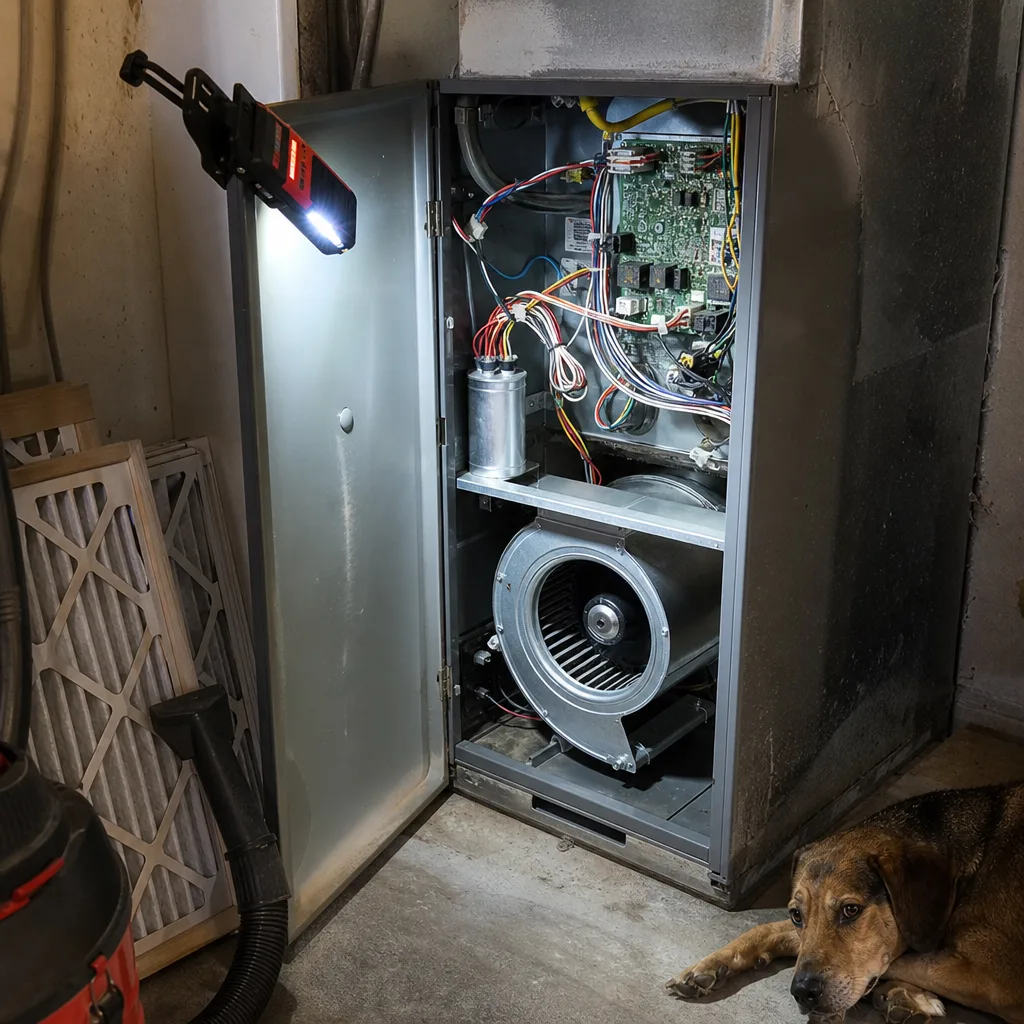
Here’s what moves the price up or down:
- How big the failure is. A part that’s worn out but still hanging on is usually a simpler fix than one that burned up and took something else with it.
- The part itself. Some parts cost more than others, and some are easy to get while others take longer to track down. A small electrical part is a very different price than a motor.
- Your equipment’s age and brand. Parts for newer, common systems tend to be easier to find. An older system may need a part that’s harder to get.
- How many parts have failed. One bad part is one repair. If a second part failed too, that’s priced on its own.
- When you call. After-hours timing raises the price with a lot of companies. It doesn’t with us. There’s no extra charge for nights or weekends.
That last point matters more than people think. In Irving, the AC doesn’t pick a convenient time to quit. It goes out on a Sunday afternoon in August when the house is already warm. You shouldn’t have to sweat it out until Monday just to dodge an overtime bill, and with us you don’t have to.
The “how many parts” factor is where timing really shows up in your bill. Say your outdoor unit starts humming but the fan won’t spin. If you call then, it’s often one part. If the system keeps straining for days in the heat, that strain can wear down other parts too. Now you’re paying for two repairs instead of one. It’s the same reason we said earlier that calling at the first sign usually keeps a repair simple. It also keeps it closer to the low end of the range.
A major component is a different conversation. That’s outside the ranges above and is quoted separately, as covered earlier. If your technician finds that kind of problem, you’ll hear it straight. You’ll get the price and your options before anything happens, and you can take your time deciding.
When you call, it’s fair to ask a few questions so you know what you’re paying for. What part failed, and why? Is this one repair or more than one? Is the price you’re seeing the full price for the work? A good technician will answer all three without hesitating.
Call 469-200-2166
Have questions? We’re happy to help.
Call Today, Get Service Today. Xtreme Air Services — Irving is ready to help.
When You Might Not Need a Repair Call Yet
Not every problem needs a technician. Some of the calls people make could have been solved in five minutes with a quick look around the house. If one of the checks below fixes it, that’s great. You keep your money, and your home gets comfortable again.
Try these first:
- Check the thermostat. Make sure it’s set to Cool, not Heat or Fan. Make sure the temperature is set below the room temperature. If the screen is blank or dim, put in fresh batteries.
- Look at the air filter. A filter packed with dust can choke your airflow and make the system work much harder. If it’s gray and clogged, swap it for a new one.
- Open your vents. Closed vents, or vents covered by furniture or rugs, can make one room feel stuffy while the rest of the house is fine.
- Clear around the outdoor unit. Grass clippings, leaves, or boxes stacked against the sides can block the air it needs to pull through.
- Check the breaker once. If the breaker for your AC tripped, you can reset it one time. If the system comes back on and stays on, you may be done.
There’s one more case where you might not have a problem at all. On a hot Irving afternoon, your AC may run for a long time and still not hit the number on your thermostat. If the air at your vents feels cool and the house cools down once the sun goes down, the system may just be working hard in the heat. That’s different from warm air or a system that never catches up, even at night.
Here’s where the do-it-yourself checks should stop. If the breaker trips again after you reset it, don’t keep flipping it. If you smell burning, see ice, or find water by the indoor unit, those are the signs we covered earlier that need a trained eye. And if your indoor unit is in the attic, only go up there if it’s safe for you. A hot attic in summer is no place to take chances.
Leave the inside of the units alone too. Taking off panels, poking at wiring, or adding refrigerant isn’t a homeowner job. It can be unsafe. It can also turn a simple repair into a bigger one.
If nothing is wrong right now, but your system hasn’t been looked at in a while, you don’t need a repair. A maintenance visit or tune-up is a different, non-urgent visit. It’s a chance to catch small wear before a summer heat wave finds it first.
If you’ve gone through these checks and your system still isn’t right, that’s your answer. Something inside needs attention, and that’s when a repair call makes sense.
Watch Our Video
See How We Handle HVAC system repair in Irving
Xtreme Air Services — Irving
Repair Needs Vary With Your System’s Age
The same symptom can mean very different things depending on how old your system is. Warm air from a fairly new unit and warm air from a unit that’s been running through many Irving summers aren’t the same problem, even if they feel the same in your living room. Your system’s age shapes what’s likely to fail and whether a repair is the smart move.
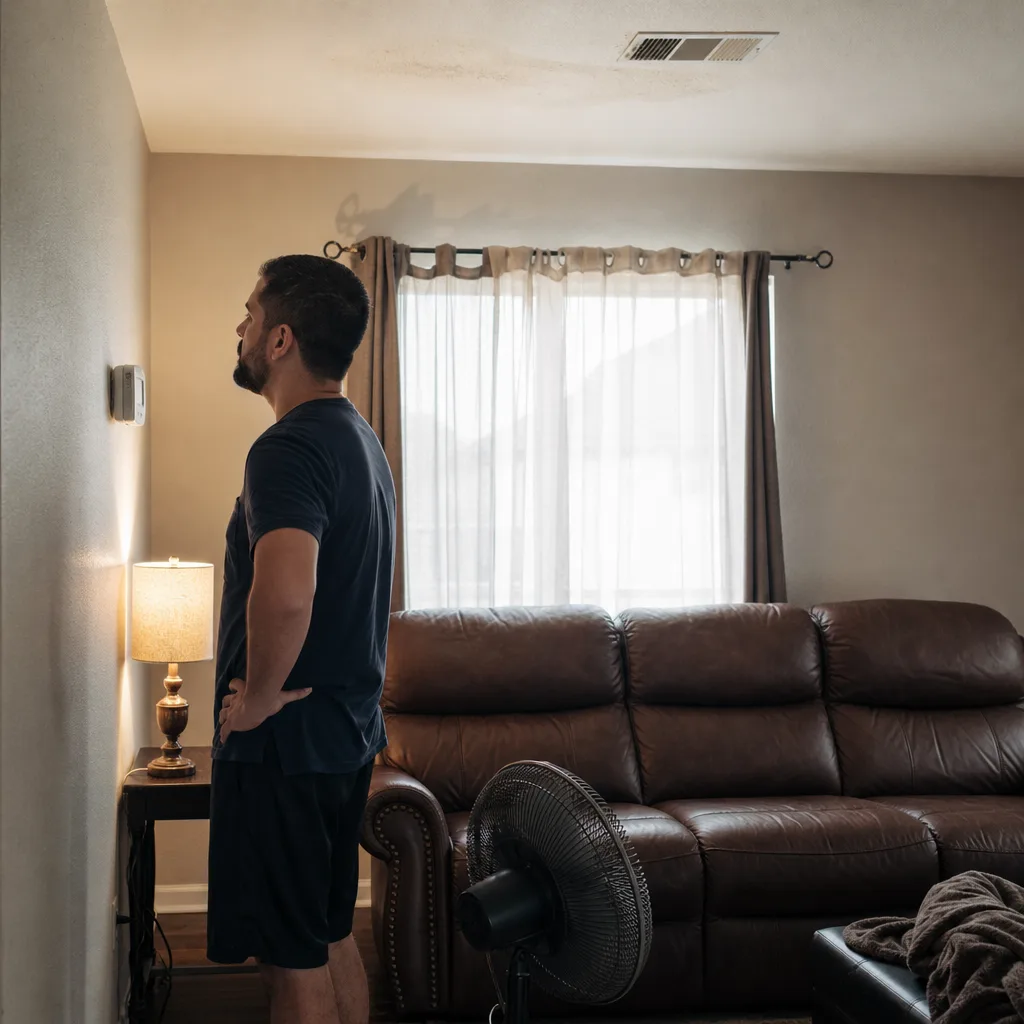
Here’s how it tends to break down:
- A newer system. When something fails early, it’s often one part, like a capacitor, a sensor, or a clogged drain line. The rest of the system is still in good shape, so fixing that one part is almost always the right call.
- A system in its middle years. This is when wear parts start to show it. Motors, fan blades, and electrical parts have done a lot of work. A repair still usually makes sense, and catching it early keeps it to one part instead of two.
- An older system. Parts can be harder to find, and some older systems use a refrigerant that’s no longer made. When one part fails, it may not be the last. This is where repair versus replacement becomes a real question.
Irving’s heat speeds up this aging. An AC that runs for hours on a 100-degree day, with its indoor unit sitting in a hot attic, puts in a lot more work each year than the same unit would in a milder place. So the number of years on the label only tells part of the story. How hard your system has worked counts too.
Say your system is older and the outdoor fan motor quits. Fixing it gets you cool air again today. But if the coil is also worn and the compressor is struggling, you could be paying for another repair next summer. That’s not a reason to panic. It’s a reason to ask good questions before you decide.
If your system is getting up there in years, these questions help you decide:
- Is this the first repair in a while, or the third one in two summers?
- Is the rest of the system in good shape, or are other parts close to failing?
- Can the part I need still be found easily?
- Has my energy bill been creeping up even when the system seems to work?
If most of your answers point to a healthy system, fix the part and enjoy it. If they point the other way, it’s worth hearing your options. As a Trane Comfort Specialist, our team can walk you through what a newer, more efficient system would mean for your comfort and your bills. Financing is available for larger jobs like replacement, as mentioned earlier. Either way, the choice stays yours, and we’ll give you a straight answer about what we find. We won’t push you toward the bigger job.
You don’t have to figure out your system’s age or condition on your own. Our licensed and insured technicians will find the failed part, look at the overall health of your system, and tell you plainly whether a repair makes sense.
Call now
Frequently Asked Questions
Common questions about HVAC system repair
Should I really have my HVAC system serviced every year?
Yes, a yearly check helps catch small wear before it turns into a breakdown. In Irving, summers push your AC to run for hours at a time, which is hard on capacitors, motors, and drain lines. An annual tune-up is a separate, non-urgent visit from a repair call, and it’s the best way to catch a weak part before a 100-degree afternoon finds it first.
What are the most common types of HVAC systems in Irving homes?
Most Irving homes run a central split system, with an outdoor condenser and an indoor unit often tucked into the attic. Some newer subdivisions use heat pumps, and a few older or smaller properties use packaged units that combine everything outside. The type you have affects where a technician looks first and how hard your attic heat works against certain parts, like drain lines and motors.
How do I know if it’s my thermostat or something bigger?
Start by checking the thermostat settings and batteries, since a blank screen or wrong mode is an easy fix. If the thermostat looks fine but you still get warm air, weak airflow, or the system won’t turn on, the problem is likely a part inside the unit, like a capacitor or control board. A technician can test the actual components in one visit instead of guessing.
Ready to Get Started?
Call (469) 200-2166 Today, Get Service Today.