


Water Heater Installation in Irving, Done Right and Priced Clearly
Like-for-like tank swaps by licensed plumbers, with what the price covers and when a permit applies spelled out.
What’s Covered on This Page
- Signs Your Water Heater Needs Replacing, Not Repairing
- Tank and Tankless Installation Options
- What Drives the Cost of Your Installation
- Licensing and Permit Requirements for Irving Installations
- What Happens During Your Installation
- Is it okay to use SharkBite fittings on a hot water heater?
- How long does it take to install a 40 gallon hot water heater?
- What are the disadvantages of an instant hot water heater?
Signs Your Water Heater Needs Replacing, Not Repairing
Not every water heater problem means you need a new one. Some problems are a worn part, and some are the tank telling you it’s done. Here’s how to tell the difference before you spend a dollar.
These signs point to replacement:
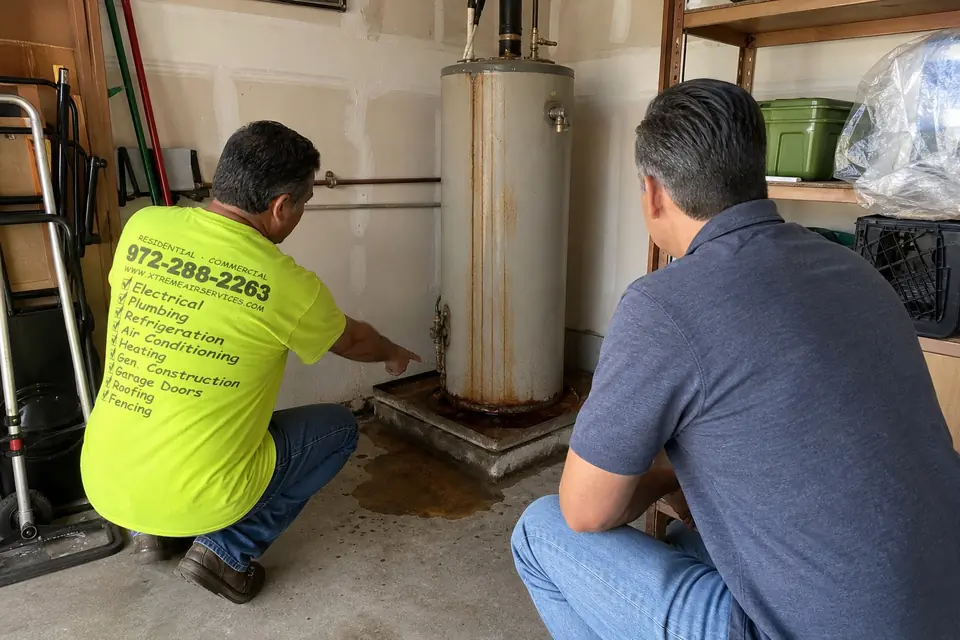
- Water is pooling under the tank or dripping from its base. Once the steel tank rusts through on the inside, no repair can seal it. A leak from a fitting or valve on top is a different story and can often be fixed.
- Your hot water comes out rusty or brown, but your cold water runs clear. That usually means the inside of the tank is corroding.
- The tank is somewhere around 10 years old or older. Most standard tank heaters last roughly 8 to 12 years. If yours is in that range and needs a big repair, the money often goes further on a new unit.
- You hear loud popping or rumbling when it heats. That’s sediment that has built up on the bottom of the tank. North Texas water is hard, so minerals settle out faster. Years of buildup make the heater work harder and can wear out the tank.
- You run out of hot water much sooner than you used to, even after a repair. Heavy sediment takes up room in the tank, so you have less hot water to use.
Think about where your heater sits, too. Many homes around DFW have water heaters in the attic or a closet above a finished room. A slow tank leak in those spots can soak drywall and ceilings before you notice. If an older tank in one of those places starts weeping, replacing it on your schedule beats waiting for it to fail on its own.
Now the honest part. Plenty of problems don’t need a new water heater at all:
- No hot water on an electric unit often means a tripped reset button, a bad thermostat, or a burned-out heating element. Those are common, affordable repairs.
- A gas heater that won’t stay lit may just need a new thermocouple or gas control valve.
- A dripping relief valve or a leaky drain valve can be swapped out without touching the tank.
- Lukewarm water in a fairly young tank might only need the thermostat adjusted or the sediment flushed out.
If your tank is only a few years old and the problem is one of these, repair it. You’ll get good years out of it. We offer water heater repair as well as installation, so you’ll get a straight answer about which one makes sense for your home, not a push toward the bigger ticket.
A good rule of thumb: when the tank is near the end of its life and the repair would cost a big chunk of what a new heater costs, replacing it is usually the better use of your money. When the tank is young and the problem is one part, fix the part.
Tank and Tankless Installation Options
Once you know you need a new water heater, the next choice is simple to ask and harder to answer. Do you put in another tank, or switch to tankless? Both work well in the right home. The best pick depends on how your family uses hot water and what your home is already set up for.
A tank water heater holds a set amount of hot water, often 40 or 50 gallons in a typical home, and keeps it warm all day. It can run on gas or electric. When you turn on the tap, you pull from that stored supply. When it runs low, you wait while it heats a fresh batch.
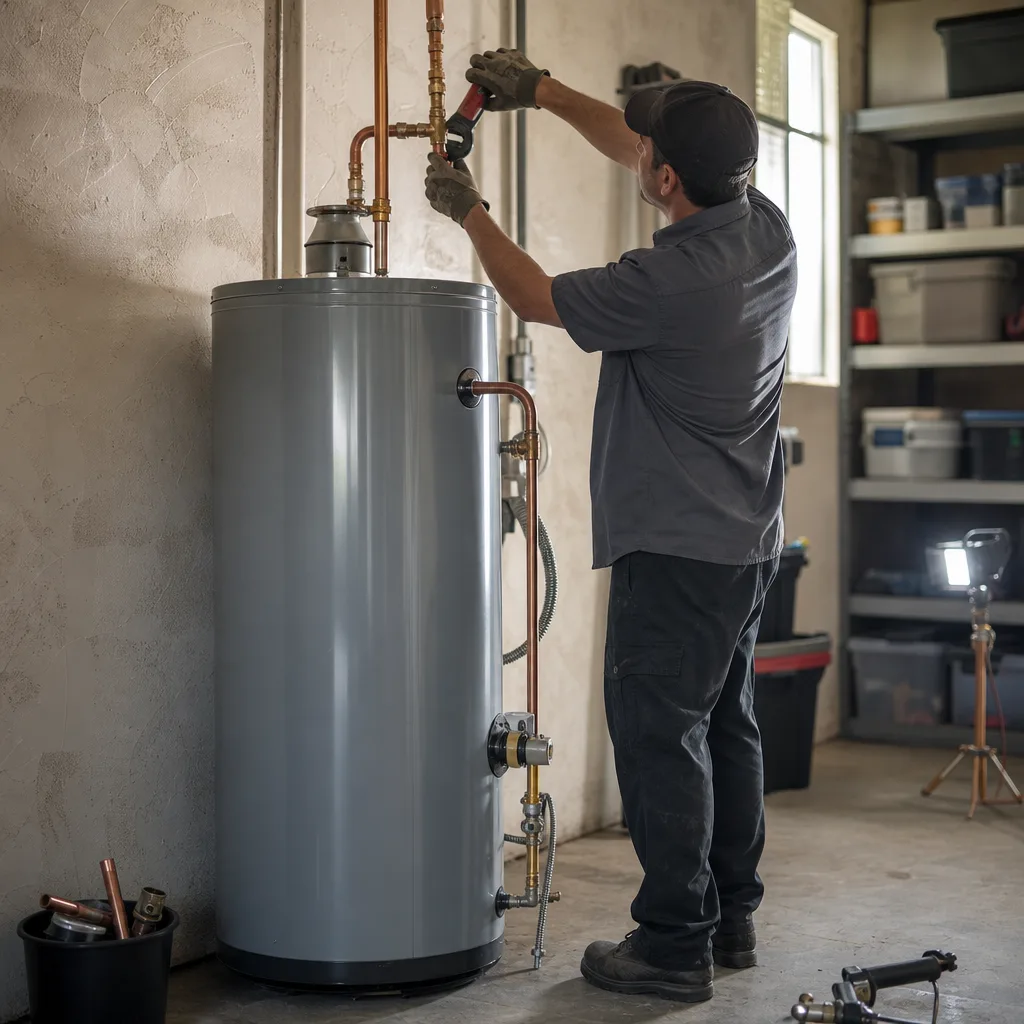
A tank is usually the easiest swap because the new heater can use the gas line, venting, water lines, and wiring your old one used. That’s what a like-for-like install means. If your old tank kept up with your family and you just want hot water back with the least hassle, a new tank of the same type and size is often the right call.
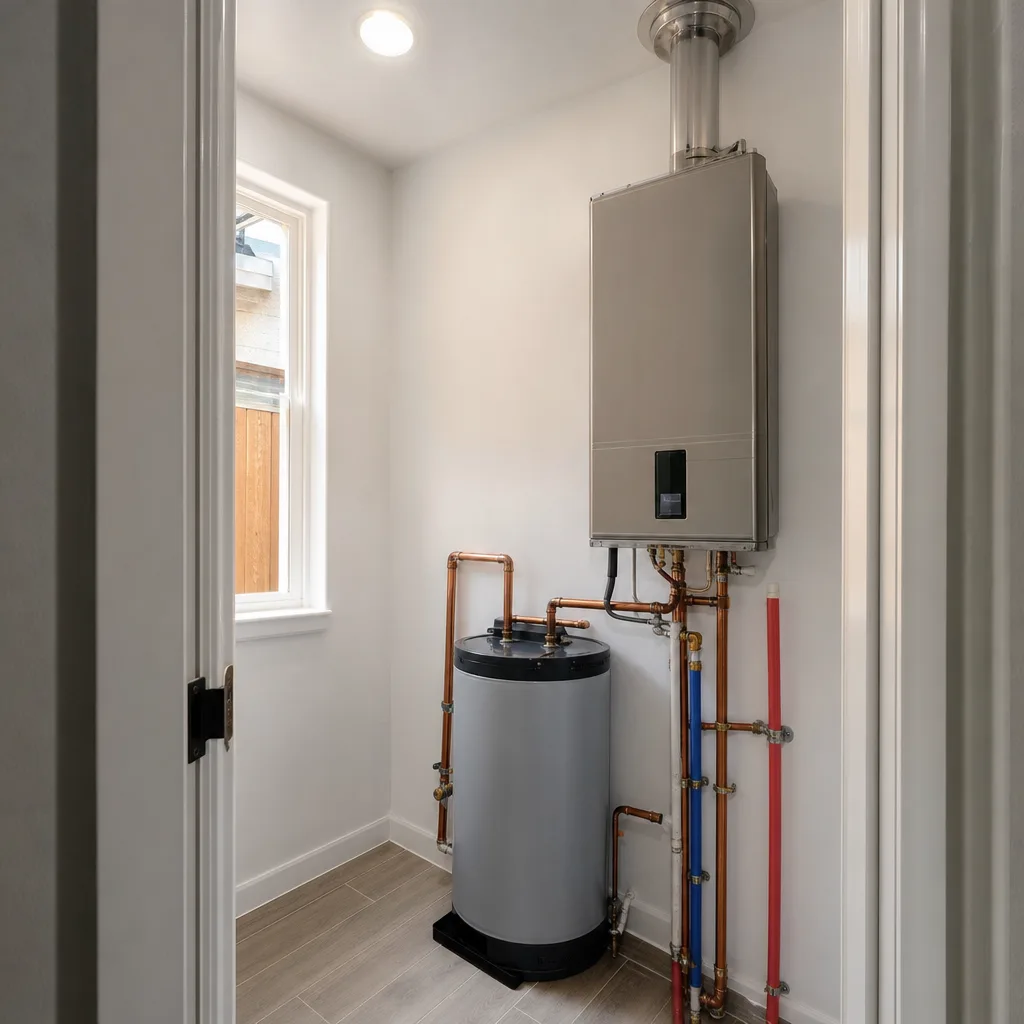
A tankless water heater doesn’t store water. It heats water only as it flows through the unit, so you don’t run out halfway through the third shower. It’s also much smaller and mounts on a wall, which frees up closet or garage space.
The catch is that a tankless unit can only heat so much water at once. If you run a shower, the dishwasher, and the washing machine at the same time, a unit that’s too small will struggle. Sizing it to how many fixtures you run at once matters more than the size of your house.
Going from a tank to tankless is rarely a straight swap. These are the changes that often come up:
- Gas line: Gas tankless units burn a lot of gas when they fire up, so the existing line may be too small and need to be upsized.
- Venting: Tankless units need their own venting, so the old tank’s vent often can’t be reused.
- Electrical: Electric tankless units draw heavy power and may need new dedicated circuits or a panel upgrade.
- Scale: Because North Texas water is hard, a tankless unit should be flushed on a regular schedule to keep mineral buildup from choking the heat exchanger.
This is where switching costs more than people expect. Our standard installation covers the equipment, standard connections, startup and testing, and hauling away your old unit. Gas line, venting, electrical, or plumbing changes aren’t part of a standard install unless they’re spelled out. If you go tankless, we’ll tell you up front which of those changes your home needs, so the price you approve is the price you pay.
Here’s a quick way to think about it:
- Pick a tank if your old one kept up, you want the simplest job, and you’d rather keep upfront costs down.
- Pick tankless if you keep running out of hot water, you plan to stay in the home for years, or you need the floor space back.
- Pick gas if your home already has a gas line to the heater. Pick electric if it doesn’t and adding gas isn’t practical.
We install both tank and tankless water heaters in Irving, including gas models. There’s no right answer for everyone. There’s only the right answer for your home, and we’ll help you find it.
What Drives the Cost of Your Installation
Most water heater installations we do fall between $1,200 and $3,500. The most common job is a standard like-for-like swap: a new tank that hooks up to your existing connections with no major changes. That job typically runs $1,700 to $2,600, and it covers the equipment and materials, professional installation, startup, and testing.
Where your job lands in that range comes down to a handful of things. None of them are mysteries, and you’ll know which ones apply to your home before you agree to anything.
- Size and capacity. A bigger tank, or a tankless unit sized for several fixtures at once, costs more than a smaller one. The goal is to match the heater to how your family uses hot water, not to sell you more than you need.
- Efficiency. Higher-efficiency models usually cost more up front. They can lower your monthly energy bill over the years you own them, so the higher price can pay you back over time.
- Brand and model. Different makes and models carry different price tags for the same size heater.
- How easy it is to reach. A heater in the garage is a simpler job than one in the attic or squeezed into a tight closet. Hauling a heavy tank up an attic ladder in a Texas summer takes more time and more hands.
- The shape your existing setup is in. Old, corroded water lines, a worn gas connection, or wiring that isn’t up to the job may need work before the new heater can go in safely.
- Code upgrades and permits. If your old heater was installed before current rules, bringing the setup up to code can add to the job. Some installs also need a permit.
- Custom work. Moving the heater, building a new platform, or fabricating parts to make a unit fit adds cost.
Some of these items fall outside a standard install, as we covered above with tankless conversions. Code corrections and permits work the same way. They’re not part of the standard price unless they’re written into your quote. That’s why two Irving homes with the same size tank can end up with different totals. One is a straight swap. The other needs a new gas connection and a code fix first.
Here’s how we handle the price so there are no surprises. We use upfront flat-rate pricing that you approve before work starts. No meter running, and no extra charge for nights or weekends. If something in your home needs more than a standard install, we’ll show you what it is and why before we touch it.
There’s a $26 to $99 service-call fee to come out and look at your setup. That fee is credited toward the job if you go ahead with Xtreme Air Services, so it doesn’t stack on top of your install price.
If a new water heater wasn’t in this month’s budget, you’re not alone. Flexible financing is available on qualifying installations and larger jobs, on approved credit. That way you can get hot water back now instead of waiting to save up.
Before you hire anyone, ask three questions. What exactly is included in this price? What could change it once you’re on site? Is the number you’re quoting the number I’ll pay? A good installer can answer all three without hesitating.
Not sure what your Water heater installation project needs? Ask us.
Call Today, Get Service Today. Xtreme Air Services — Irving is ready to help.
Licensing and Permit Requirements for Irving Installations
A water heater looks like a simple appliance. It’s a pressurized tank tied into your water lines and, on gas models, your gas line and a vent that carries exhaust out of your home. That’s why the person who installs it, and whether the work gets inspected, matters as much as the heater you pick.
In Texas, plumbing work like this is meant to be done by a licensed plumber. A license means the person in your home has been tested on how to connect gas, water, and venting safely. It also gives you somewhere to turn if the work isn’t right. Our plumbing work runs under Master Plumber Larry Breedlove, and our team is licensed and insured. Every technician who comes to your door is background-checked and drug-tested.
Replacing a water heater is generally permitted work in cities like Irving. Rules can change, so it’s worth confirming with the City of Irving or asking your installer straight out. A permit isn’t just red tape. It brings in an inspector who checks the work after it’s done. If you sell your home later, an unpermitted water heater can come up during the buyer’s inspection and slow things down.
Here’s what a proper install should take care of, and what an inspector will usually look at:
- Relief valve and discharge line. Every tank has a temperature and pressure relief valve that opens if pressure builds too high. Its drain line has to run to a safe spot where it won’t scald anyone.
- Gas connection and venting. On gas heaters, the gas line needs a shutoff and tight fittings, and the vent has to pull exhaust outside the right way. A poor vent can let carbon monoxide back into your home.
- Drain pan. Heaters in an attic or above a finished room need a pan underneath to catch leaks and send the water somewhere it won’t soak your ceiling.
- Safe placement. Attic heaters need a solid platform and room for someone to service them later. Gas units in a garage are usually raised off the floor.
- Expansion control. Many homes need a small expansion tank so pressure from heated water doesn’t strain your pipes and fixtures.
If your old heater went in years ago, some of these may be missing. That’s often where the code upgrades mentioned earlier come from. It’s not an upsell. It’s bringing your setup in line with how a water heater should be installed today.
Before work starts, ask one simple question: who’s pulling the permit? Since permits aren’t part of a standard install unless they’re written into your quote, you’ll want that answered in writing. Also ask whether a licensed plumber is doing or overseeing the work. A good installer will answer both without blinking.
Can you install a water heater yourself? Some homeowners do, and some cities allow it on your own home with a permit. If you’re comfortable with gas lines, venting, and soldering, check with the City of Irving first. If any of that gives you pause, especially with a gas unit or an attic install, this is a job worth handing off.
Call 469-200-2166
Watch Our Video
See How We Handle Water heater installation in Irving
Xtreme Air Services — Irving
What Happens During Your Installation
Knowing what install day looks like takes a lot of the stress out of it. Here’s what a proper water heater installation involves, step by step, so nothing catches you off guard.
A little prep on your end makes the job go faster:
- Clear a path from your door to the heater, and move anything stored around it.
- If the heater is in the attic, make sure the attic access is easy to reach and open.
- Keep pets in another room, since doors may be open while the old tank goes out.
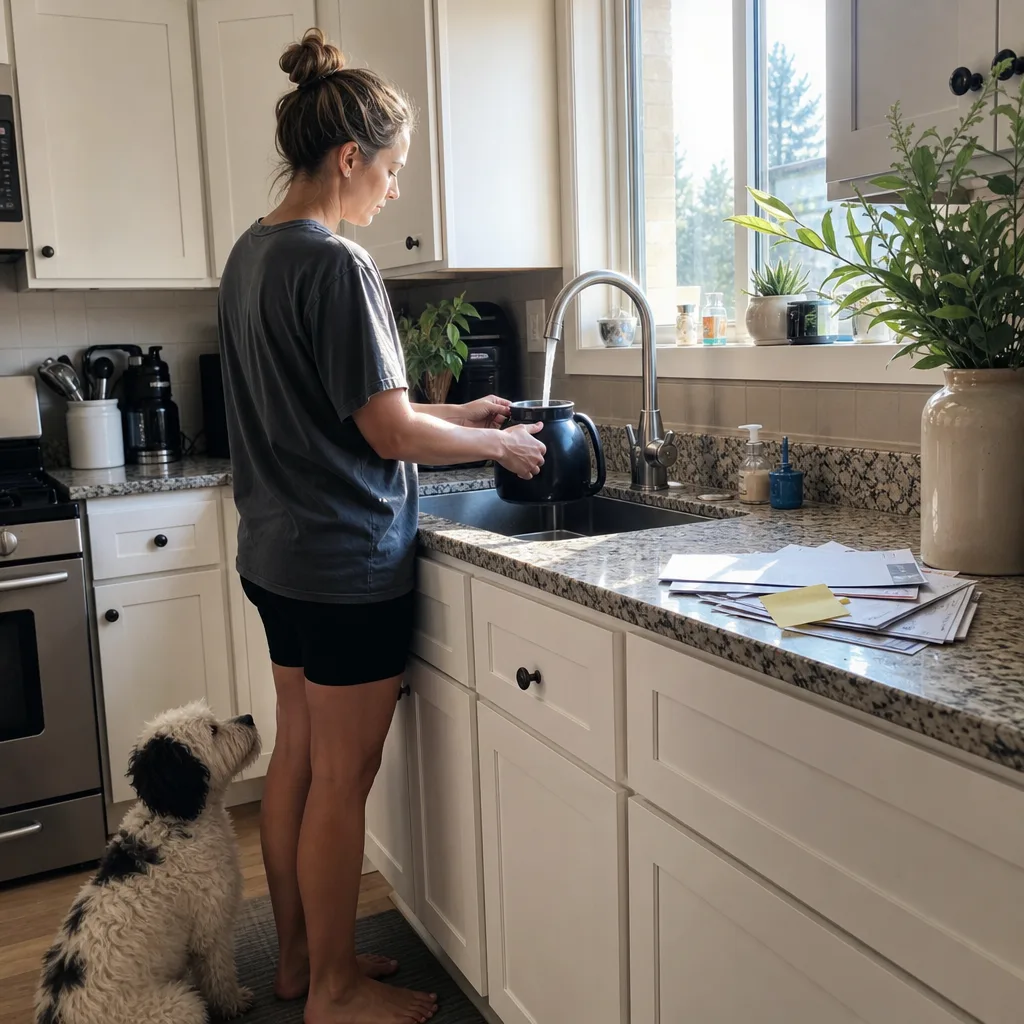
- Plan for a few hours without hot water. Run the dishwasher or start laundry before the work begins.
Here’s how the work itself usually goes:
- Shut everything off. The gas or power to the heater gets turned off, and so does the cold water supply going into it.
- Drain the old tank. With hard North Texas water, years of sediment can slow this step down, because minerals clog the drain valve.
- Disconnect and remove it. The water lines, gas line or wiring, and vent come off, and the old tank comes out. That’s the heavy part, especially from an attic.
- Set the new heater. It goes in place along with the safety pieces covered in the permit section above, such as the pan, platform, or expansion tank where your home needs them.
- Make the connections. Water lines, the gas line and vent, or the electrical hookup get attached and tightened.
- Fill before firing. The tank fills completely with water before any heat goes on. On an electric heater, turning the power on with an empty tank can burn out a heating element in seconds.
- Start it up and test it. Air gets bled from your lines, the heater gets lit or powered on, and every connection gets checked for leaks while the tank heats.
A straight swap in a garage is usually done in a few hours. An attic install, a tight closet, or any extra work your quote calls for will take longer, and you’ll know about that before the day starts.
With Xtreme Air Services, a standard install covers the new equipment, standard connections, startup and testing, and hauling away your old unit. You won’t be left with a rusty 50-gallon tank sitting in your driveway.
Once the work is done, here’s what’s normal and what’s worth a call:
- Your faucets may sputter for a minute the first time you open them. That’s leftover air in the lines, and it clears quickly.
- A tank heater needs time to heat a full tank from cold, so hot water may take a while to come back all the way.
- Take a look around the base of the heater and at the top connections later that day and again the next morning. Everything should be dry.
- If you see water under the tank, smell gas, or still don’t have hot water after a few hours, call right away. Those aren’t things to wait out.
Before the installer leaves, ask them to show you where your water shutoff is and how to turn off the gas or power to the heater. It takes two minutes, and if anything ever goes wrong, you’ll know exactly what to do.
Frequently Asked Questions
Common questions about Water heater installation
Is it okay to use SharkBite fittings on a hot water heater?
SharkBite-style push fittings are rated for hot water lines, but many plumbers avoid them right at the heater connection. The heat and vibration at that spot can stress the seal over time more than it would a few feet down the line. A soldered or threaded connection right at the tank tends to hold up better for the long run, so ask your installer which fitting type they plan to use and why.
How long does it take to install a 40 gallon hot water heater?
A straight swap of a 40-gallon tank in a garage usually takes just a few hours from shutoff to startup. That time covers draining and removing the old tank, setting the new one, making connections, and testing for leaks. If your heater sits in an attic or a tight closet, or your home needs code upgrades like an expansion tank, plan on more time since the access and extra work add steps.
What are the disadvantages of an instant hot water heater?
The main downside of a tankless water heater is limited flow at one time, so it can only heat so much water at once. If you run a shower, dishwasher, and washing machine together, an undersized unit will struggle to keep up. Switching from a tank also often means upsizing the gas line, adding new venting, or upgrading electrical circuits, which adds cost beyond the unit itself. In North Texas, hard water also means a tankless heater needs regular flushing to keep mineral scale from building up inside.
Ready to Get Started?
Call (469) 200-2166 Today, Get Service Today.