


Whole-Home Water Filtration Installation in Irving
Point-of-entry filtration for every tap in the house, compared honestly with softeners and reverse osmosis.
What’s Covered on This Page
- What Whole-Home Water Filtration Installation Includes
- Signs Your Irving Home’s Water Needs Whole-Home Filtration
- Whole-Home Filtration vs. Water Softening vs. Reverse Osmosis
- When a Single Point-of-Use Filter Is Enough Instead
- What Drives Your Installation Cost and Scope
- How long does a whole-home water filtration installation take?
- Will I lose water service during the installation?
- Do I need a permit for a whole-home filtration system in Irving?
- Can I keep using my water while the system filters it?
What Whole-Home Water Filtration Installation Includes
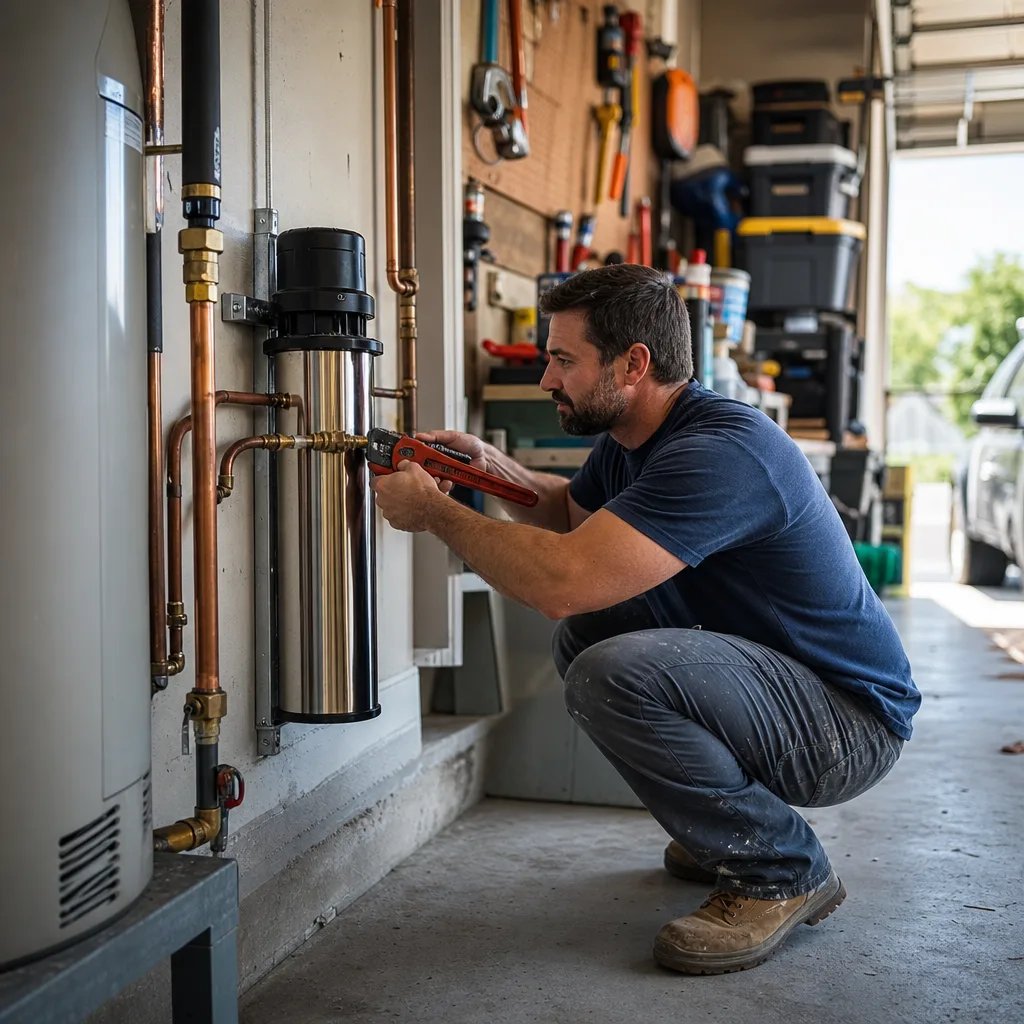
Here’s the plain version. We install a point-of-entry filtration system where water comes into your home. Point-of-entry just means the water gets filtered before it splits off to your kitchen, showers, washer, and water heater. Once it’s in, we connect it, start it up, and test it so you know it’s working before we leave.
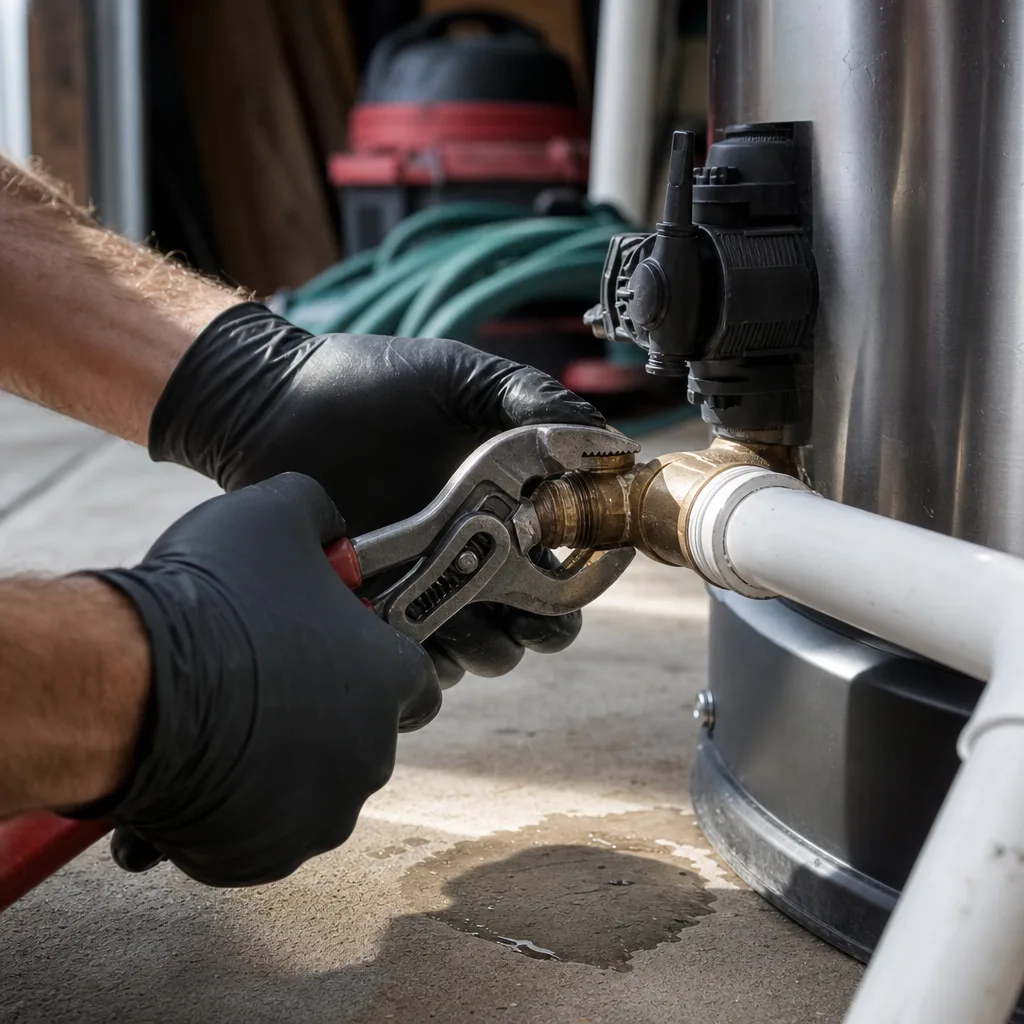
When you get our quote, this is what’s built into the price:
- The filtration system and all the materials to install it
- Professional installation by our licensed and insured team
- All connections to your main supply line
- Startup and testing, so the system is running right when we’re done
- Haul-away of your old unit, if you’re replacing one
Some jobs need extra work, and you deserve to hear about it up front. These items aren’t included unless your quote says they are:
- A plumbing loop, if your home doesn’t already have one. A loop is a short section of pipe, often in the garage, that’s set up so a filter or softener can tie into your main line. Some homes have one already. Many older homes don’t.
- Electrical work. Some systems need an outlet nearby to run a control valve or a UV light.
- Code corrections, if older plumbing near the install spot needs to be brought up to current code.
- Permits, unless your quote states they’re included.
Most of our whole-home filtration installs run $2,100 to $3,300. The full range we see on these jobs is $1,500 to $4,500, and that’s priced by system type. A simple single-stage carbon filter costs less than a multi-stage system built to handle more.
These are the five things that push your price up or down:
- Filtration type and stages. More stages filter more things out, and they cost more.
- Flow rate and capacity. A bigger household that runs two showers and the dishwasher at once needs a system that keeps up.
- The condition of your existing plumbing.
- Drain access. Some systems flush themselves clean and need a drain close by.
- Code upgrades the job may require.
You’ll see the price before any work starts. Our pricing is upfront, with no surprises and no meter running. There’s a $26 to $99 service-call fee, and it’s credited toward the job if you go ahead with Xtreme Air Services. If the system you want stretches your budget, flexible financing is available on qualifying installations and larger jobs, on approved credit.
Signs Your Irving Home’s Water Needs Whole-Home Filtration
Your water usually tells you what’s wrong with it. The trick is matching what you notice to the right fix, because not every water problem is a filtration problem. Here are the signs that point to a whole-home filter, plus a few that point somewhere else.
These are good signs a whole-home filter will help:
- Your water smells or tastes like a swimming pool. City water gets treated with chlorine or a similar disinfectant to keep it safe on the way to your house. That’s a good thing, but you don’t have to drink it, cook with it, or shower in it once it gets there. A carbon filter at your main line takes most of that taste and smell out at every tap.
- You notice the smell in the shower, not just the kitchen. If the chemical smell hits you in a hot, steamy bathroom, a filter on the kitchen sink won’t help. That’s when treating the whole house makes sense.
- Your skin feels tight or your hair feels dry after a shower. Lots of folks notice this when their water has a strong disinfectant taste, and a whole-home carbon filter is a common fix.
- You find grit or sand in faucet screens, or your water looks cloudy at times. Sediment can come in from the main line, especially after nearby water main work. A sediment filter catches it before it reaches your faucets, toilets, and appliances.
- You see orange or brown stains in sinks, tubs, or toilets. That often means iron in the water. It calls for an iron filtration stage, not just basic carbon.
- Your family buys cases of bottled water because nobody likes the tap. If taste is the only reason, filtered tap water can cut that habit and that expense.
Some signs look like a filter problem but aren’t. We’d rather tell you that now than sell you the wrong system.
- White, chalky crust on faucets and showerheads, spots on dishes, or a water heater that’s losing steam. That’s hard water. North Texas water carries a lot of dissolved minerals, and a standard filter doesn’t remove them. A water softener is built for that job. Many homes pair the two.
- A rotten egg smell from hot water only. If cold water smells fine, the cause is often inside your water heater, not your water supply. A filter at the main line may not fix it, so it’s worth a closer look first.
- Bad taste at the kitchen sink only, with no smell in the shower and no stains. An under-sink reverse osmosis system might be all you need. It costs less and treats just your drinking and cooking water.
If you’re not sure which one you’ve got, start with a water test. It shows what’s in your water, so you pick a system based on facts instead of guesses. A test also tells you how many stages you need. That keeps you from paying for filtering you don’t need, or getting a system that misses the real problem.
One more thing to think about is how your family uses water. A household of five running two showers and the washer at the same time needs a system sized to keep up. Pick one that’s too small and you’ll feel the pressure drop every morning. Getting the size right up front matters as much as picking the right filter.
Whole-Home Filtration vs. Water Softening vs. Reverse Osmosis
These three systems get lumped together, but they do different jobs. A whole-home filter cleans up taste, smell, and grit. A softener pulls out the minerals that cause scale. Reverse osmosis gives you very clean drinking water at one tap. Your best choice depends on what’s in your water, and some homes need more than one.
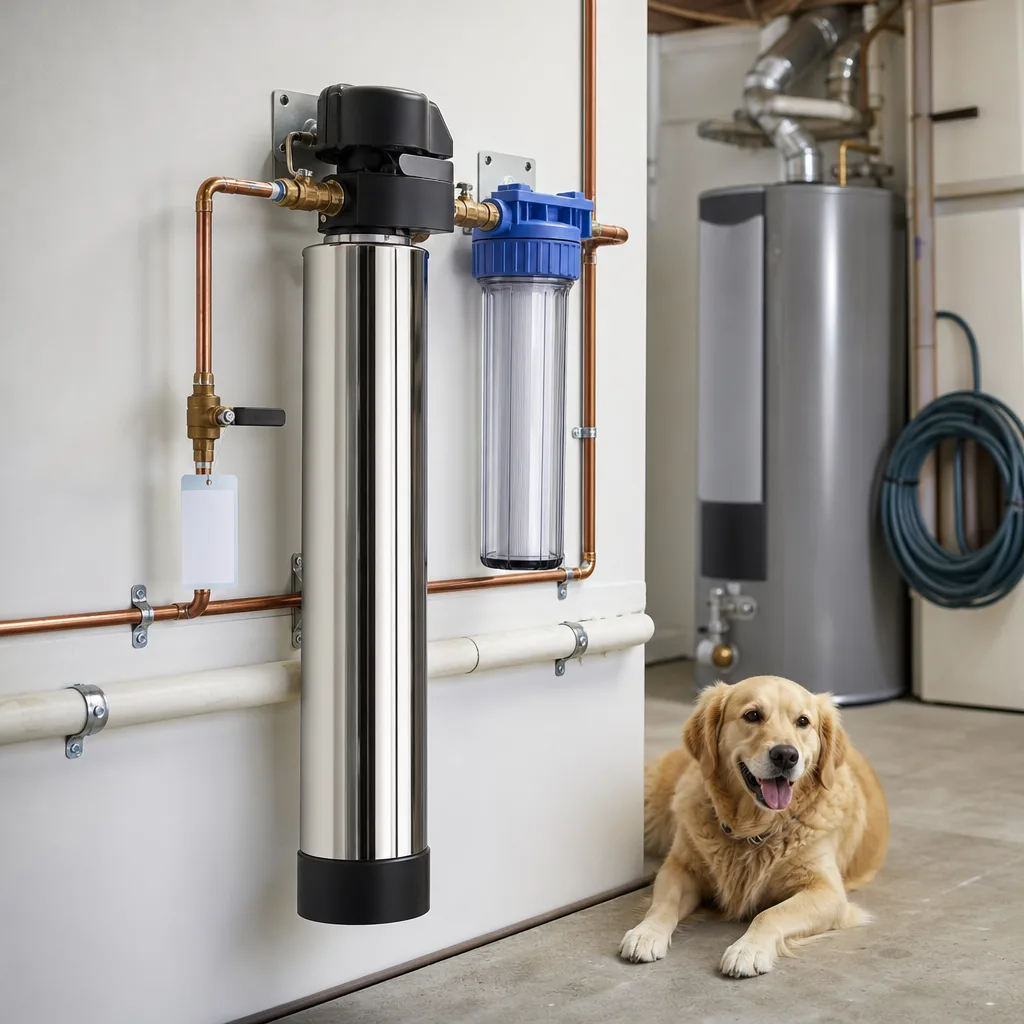
Here’s how they compare side by side:
- Whole-home filtration. It goes at your main line and treats every tap. It takes out chlorine taste and smell, sediment, and, with the right stage, iron. It doesn’t remove hardness minerals. For upkeep, you swap cartridges on a schedule, or the system flushes its own media tank to a drain.
- Water softener. It also goes at your main line. It swaps out the calcium and magnesium that leave crust on your fixtures and wear down your water heater. It doesn’t fix chlorine taste or smell. For upkeep, you add salt and keep a drain nearby for its regular rinse cycle.
- Reverse osmosis. It usually sits under your kitchen sink. It pushes water through a very fine membrane that catches far more dissolved material than a standard filter. It works slowly and sends some water down the drain, so it isn’t built to supply a whole house. For upkeep, you change the pre-filters and replace the membrane every so often.
Lots of homes end up with a combination, and the order matters. When a whole-home filter and a softener share your main line, the filter goes first. Chlorine can wear down the resin beads inside a softener over time, so taking it out first helps the softener last longer. Softened water also helps an RO membrane, because it keeps scale from building up on it.
So a full setup often looks like this. A whole-home filter and a softener sit side by side at the loop in your garage, and a small RO unit sits under the kitchen sink for drinking and cooking. You don’t have to buy it all at once. Plenty of folks start with the system that fixes their biggest complaint and add the next piece later. Leaving room at the loop for that next piece helps.
One detail is easy to miss. Some cities disinfect with chloramine instead of plain chlorine. Chloramine is chlorine bonded with ammonia, and it holds up longer in the pipes. A basic carbon filter doesn’t handle it as well. If that’s what your city uses, you’ll want a carbon stage made for chloramine. A water test or your city’s yearly water quality report will tell you which one you’ve got.
Here’s a quick way to decide. If your main complaint is how your water smells, tastes, or looks, start with a whole-home filter. If it’s crusty showerheads and spotty dishes, you need a water softener. If you only care about what’s in your glass, an RO system may be enough. If you’ve got more than one of those problems, test first, then size and stack the systems to match. That way you pay for the treatment your water needs and nothing extra.
Our team installs all three, so we can recommend what your water calls for instead of pushing one system. We also do water testing if you’d like the facts before you choose.
Not sure what your Whole-home water filtration installation project needs? Ask us.
Call Today, Get Service Today. Xtreme Air Services — Irving is ready to help.
When a Single Point-of-Use Filter Is Enough Instead
A whole-home system isn’t the right call for everyone. If your only complaint is how your drinking water tastes, a filter at one tap may handle it for a lot less money. A point-of-use filter treats water right where you use it, like your kitchen faucet or your fridge. It doesn’t treat the rest of your home.
Here’s when one small filter is usually enough:
- Taste is your only problem. Your water seems a little off in a glass of iced tea, but your shower doesn’t smell like chemicals, there’s no grit in your faucet screens, and your tubs aren’t stained.
- You rent. Most landlords won’t let you cut into the main water line. A pitcher, a faucet-mount filter, or a shower-head filter goes with you when you move.
- You’re moving soon. If you’ll sell in a year or two, a whole-home install may not pay off for you. A smaller filter fixes the daily annoyance in the meantime.
- Your household is small and uses little water. One or two people who mostly care about drinking and cooking water often get all they need from a filter at the kitchen sink.
- Your fridge already filters. If you drink from the fridge and you change its filter on time, you may already have what you need for drinking water.
Many of these you can handle yourself. A pitcher filter needs no tools at all. Most faucet-mount filters screw onto the end of your faucet in a few minutes. A shower-head filter swaps on like a regular shower head. You don’t need to pay anyone to install those, us included.
There’s one tradeoff to know going in. Small filters have small cartridges, and they wear out fast. If you let one go too long, it stops doing much. Put a reminder on your phone so you change it on schedule.
A single filter also has limits. It only helps at that one spot. Any problem you notice somewhere else in the house is a sign a single filter won’t cover it, like the warning signs we covered above. And no small filter fixes hard water. That still takes a softener.
A whole-home system earns its cost when the problem shows up at every tap, or when you want to protect your water heater, washer, and plumbing too. If your problem shows up at only one tap, a filter at that tap is a fair choice. A water test can settle it if you’d rather know for sure.
Watch Our Video
See How We Handle Whole-home water filtration installation in Irving
Xtreme Air Services — Irving
What Drives Your Installation Cost and Scope
Your total comes down to two things. The first is what your water needs, which a water test answers. The second is what your house needs to take the system in. Two homes on the same street can get the same filter and still get different quotes, because the second half isn’t the same.
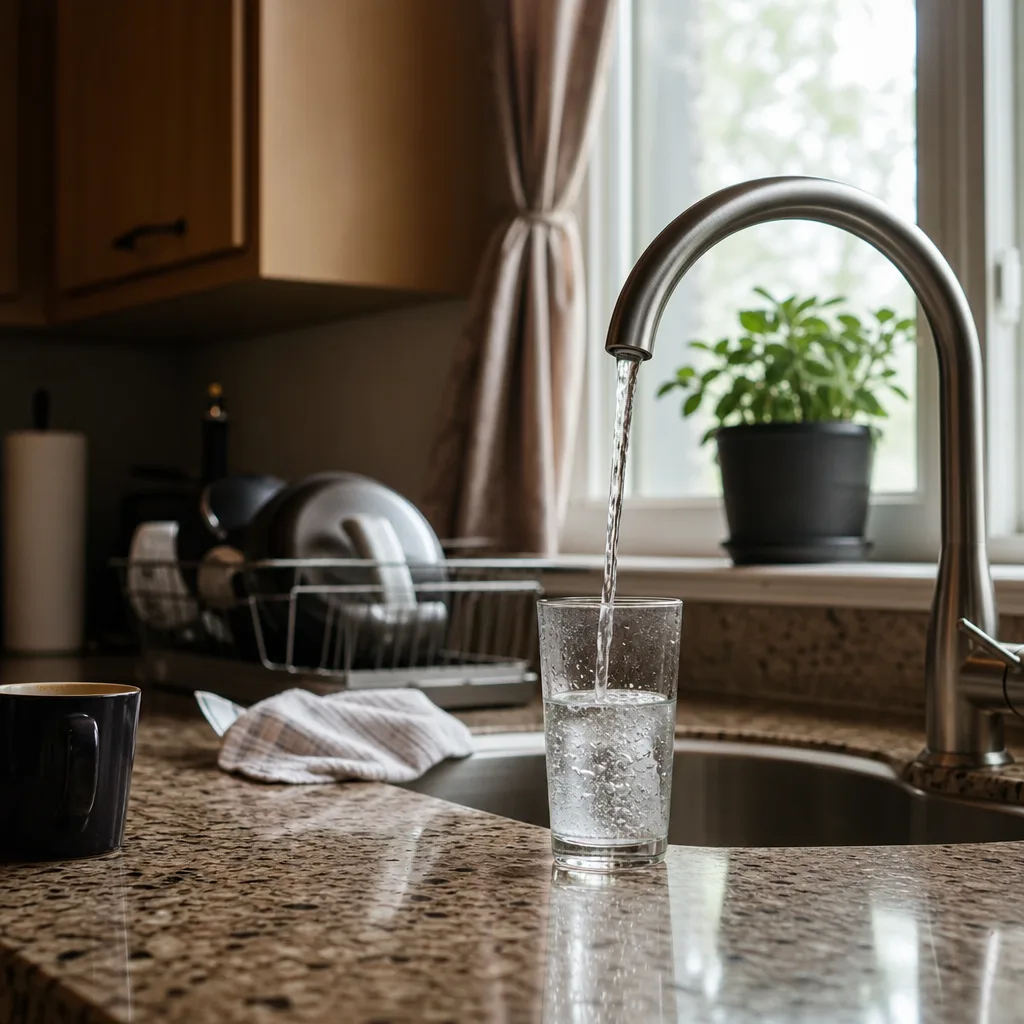
Here’s a simple example. One home has a loop in the garage, a drain a few feet away, and an outlet on the wall. That install is mostly connect, start up, and test. The house next door has its main line coming up on an outside wall, with no loop and no drain nearby. The filter is the same, but the job is bigger.
You can get a feel for your own scope before anyone comes out. Take a look at these spots:
- Where your main line comes in. A garage spot is usually easier to work in than an outside wall.
- Floor space next to it. Leave room if you might add a softener later, so the next install is simple.
- Your main shutoff valve. An old valve that’s stiff or won’t close all the way may need to be swapped before anything ties in.
- Outdoor exposure. North Texas gets hard winter freezes. A system or pipe mounted outside needs to be protected from the cold.
- Your monthly water use. If your household is big, mention it, since that affects the size you need.
Think about upkeep cost too, not just install day. Cartridge systems need new cartridges on a schedule. Tank systems that flush themselves mostly need their media replaced every few years. A cheaper system with pricey, frequent cartridges can cost you more over time than one that costs more up front.
Before you hire anyone, us included, ask these questions:
- Is this a set price, or could the total change once work starts?
- Is a bypass valve included? A bypass lets you send water around the filter during service, so you still have water in the house.
- Was the system sized to my home’s flow rate, or is it one size for everybody?
- Who handles the permit, if my city requires one?
- What does upkeep cost each year, and how often does it need to be done?
- Did you base this on a water test, or on a guess?
A good installer answers all of those without dodging. If you get a vague answer about scope or upkeep, that’s your cue to keep asking. At Xtreme Air Services, you’ll see your upfront price before any work starts, and our licensed and insured team can walk you through every line of it.
Call 469-200-2166
Frequently Asked Questions
Common questions about Whole-home water filtration installation
How long does a whole-home water filtration installation take?
Most installs take a few hours, start to finish. If your home already has a plumbing loop, a drain nearby, and an outlet on the wall, the job is mostly connecting the system, starting it up, and testing it. If your main line needs a new loop, extra plumbing, or electrical work, plan on a longer visit.
Will I lose water service during the installation?
Your water will be off for a short time while we tie into your main line, then it’s back on once connections are made. A bypass valve lets you route water around the filter later for service, so you’re not without water during routine upkeep.
Do I need a permit for a whole-home filtration system in Irving?
It depends on your city’s rules and what the install involves, so it’s worth asking before work starts. Permits aren’t included in our price unless your quote says so, and we’ll walk you through whether your job needs one.
Can I keep using my water while the system filters it?
Yes, once the system is installed, started up, and tested, every tap in your home runs through it right away. There’s no separate waiting period before your water is treated.
Ready to Get Started?
Call (469) 200-2166 Today, Get Service Today.