


Water Softener Installation in Dallas: What the Job Involves and What It Costs
Whole-home softeners that treat water where it enters your house, usually installed the same day.
What’s Covered on This Page
- What a Standard Water Softener Installation Includes
- Why Drain Access Decides Your Installation Plan in a Slab-Foundation Home
- Why This Is Licensed Plumbing Work, Not a DIY Swap
- What Drives Your Installation Cost
- Signs You’re Ready for Installation, Not Repair or Maintenance
- Is Dallas tap water safe to drink even with hard water minerals in it?
- How often will I need to add salt to my new softener?
- What size water softener does a typical Dallas home need?
What a Standard Water Softener Installation Includes
When you’re spending real money on a softener, you should know exactly what you’re paying for. Here’s what’s included in a standard installation, plus the few things that can change the price.
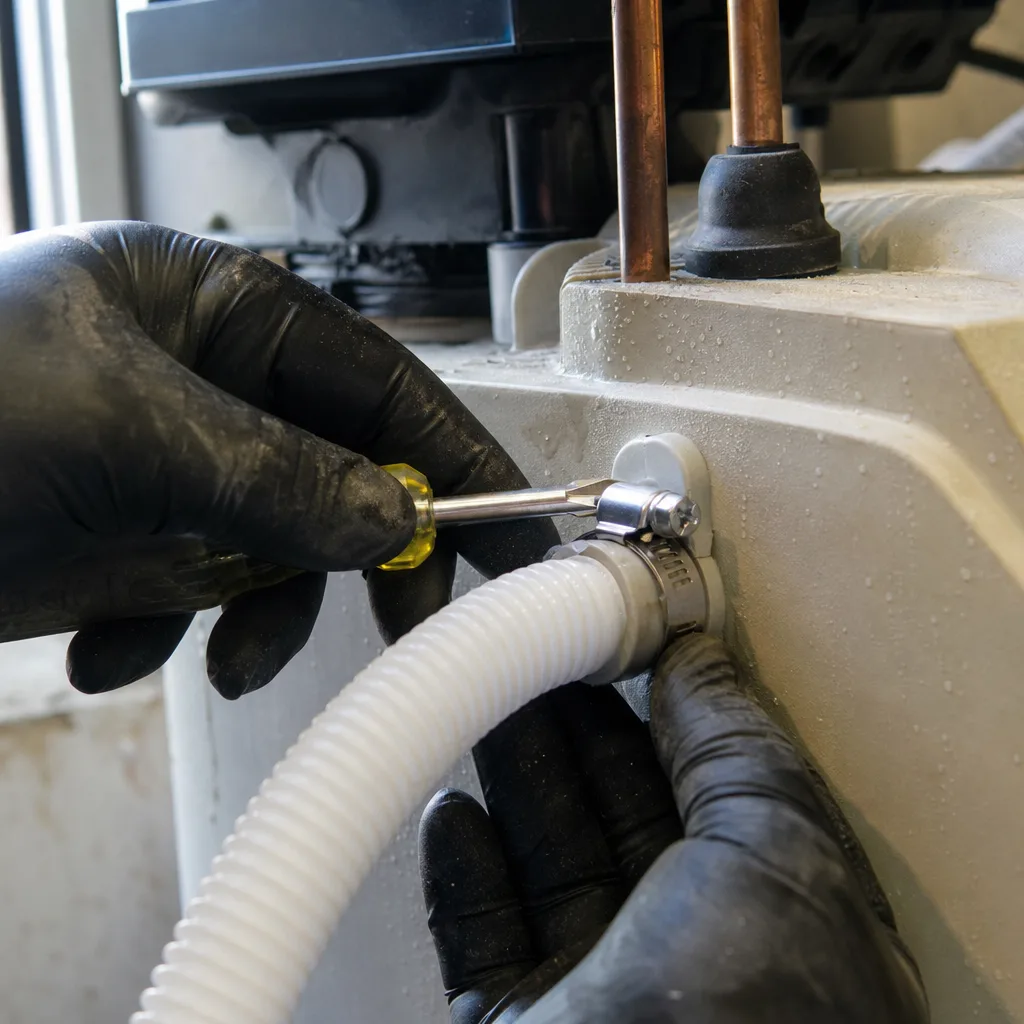
- The softener and materials. You get the unit itself and the fittings and parts needed to connect it.
- Professional installation at your main supply. The softener goes where water enters your home, so every faucet, shower, and appliance gets softened water.
- Bypass connection. A bypass valve lets you send water around the softener. That’s handy if the unit ever needs service, or if you want hard water at an outside spigot.
- Drain connection. A softener flushes itself on a regular cycle, and that water needs a proper place to go. We connect the drain line for you.
- Startup and testing. We don’t leave until the system is running and checked.
- Haul-away of the old unit. If you’re replacing a worn-out softener, we take it with us.
Across our full range of softener installs, prices run $1,200 to $3,500. Where your job lands depends on a short list of things: the softener’s size and type, the condition of your existing plumbing, how easy it is to reach a drain, whether you add pre-filters or need a plumbing loop, and whether any code upgrades are required.
That plumbing condition point matters in Dallas. A lot of homes here are slab-on-grade ranch houses built between the 1950s and 1990s, and many of them were never set up for a softener. Newer subdivisions are more likely to have a softener loop already plumbed in, usually in the garage. A loop is a ready-made connection point on your main line. If your home has one, the install is simpler. If it doesn’t, building one adds to the job.
These items aren’t part of the standard price:
- A plumbing loop, if your home doesn’t already have one
- Electrical work
- Code corrections
- Permits, unless your quote states they’re included
We tell you about these up front because a surprise line item is the last thing you want on install day. If your home needs a loop or a code fix, you’ll hear that before the work starts. You’ll also see the price in writing, so you can decide with all the facts.
There’s a service-call fee of $26 to $99 for the visit. If you go ahead with Xtreme Air Services, that fee is credited toward the job. If the total is more than you want to pay at once, flexible financing is available on qualifying installations and larger jobs, on approved credit.
Why Drain Access Decides Your Installation Plan in a Slab-Foundation Home
Your softener needs somewhere to send water when it cleans itself. In a home with a basement, that’s easy because there’s usually a floor drain nearby. Most Dallas homes sit on a concrete slab, so there’s no drain under the house to tap into. Where your closest usable drain is often decides where the softener can sit and how much work the install takes.
Here’s why. A softener works by trapping the minerals that make your water hard. Every so often, it flushes those minerals out with salty rinse water. This is called regeneration, and that rinse water has to leave your home through a drain. If the softener can’t drain, it can’t recharge, and you’re back to hard water and scale.
In a slab home, the main water line often comes in at the garage or along an outside wall. The softener has to go on that main line. The drain is wherever your home’s plumbing happens to be. Here are the drain options you’ll usually see in slab homes:
- The washing machine standpipe, if your laundry room shares a wall with the garage or sits close to the main line.
- A utility sink in the garage or laundry room.
- A new standpipe tied into a nearby drain line, when nothing usable is close enough.
The closer the drain, the simpler the job. A long run across the garage or through a wall takes more time and material. That’s why drain access is one of the things that moves the price of your install. Two houses on the same street can get different quotes for this reason alone.
Distance isn’t the only limit. Every softener maker sets limits on how far and how high the drain line can run. Push past them and the unit may not flush well. The drain line also shouldn’t plug straight into the pipe. It needs an open air gap, a small space between the end of the line and the drain, so dirty water can’t get pulled back toward your water supply. It looks simple, but it’s a safety detail that matters.
Dallas weather adds one more thing to think about. If your softener or its drain line sits in an unheated garage or runs along an outside wall, a hard winter freeze can freeze the water in the line. A frozen drain line can stop regeneration or back water up. Planning the route away from cold spots, or protecting the line, keeps that from turning into a winter headache.
Picture this. Your main line comes into the left side of the garage, but your laundry room is on the far side of the house. You could run a long drain line to the washer standpipe, add a new standpipe near the softener, or place the softener somewhere else on the main line. Each choice has a different cost and a different amount of work. Nobody wants to cut into a slab to reach a drain, so the goal is a clean route above the floor.
Before you call, take a quick look around. It’ll help you get a clear quote faster:
- Where does your main water line come into the house?
- What’s the nearest drain to that spot: a washer standpipe, a utility sink, or nothing close?
- Is there a standard outlet nearby? Most softeners need power for their control valve, and electrical work isn’t part of the standard price.
- Is the spot in a garage that gets cold in winter?
If you know these answers, you already know most of what will shape your install plan. Along with whether you have a loop, drain access is usually what separates a simple job from a bigger one.
Why This Is Licensed Plumbing Work, Not a DIY Swap
A softener comes in a box, so it’s easy to think of it like a new washing machine. It isn’t. To install one, you have to cut into the main water line that feeds your whole house. Everything downstream depends on that cut being done right: every faucet, every toilet, your water heater, and your ice maker. That’s plumbing work, and it’s why we treat it that way.
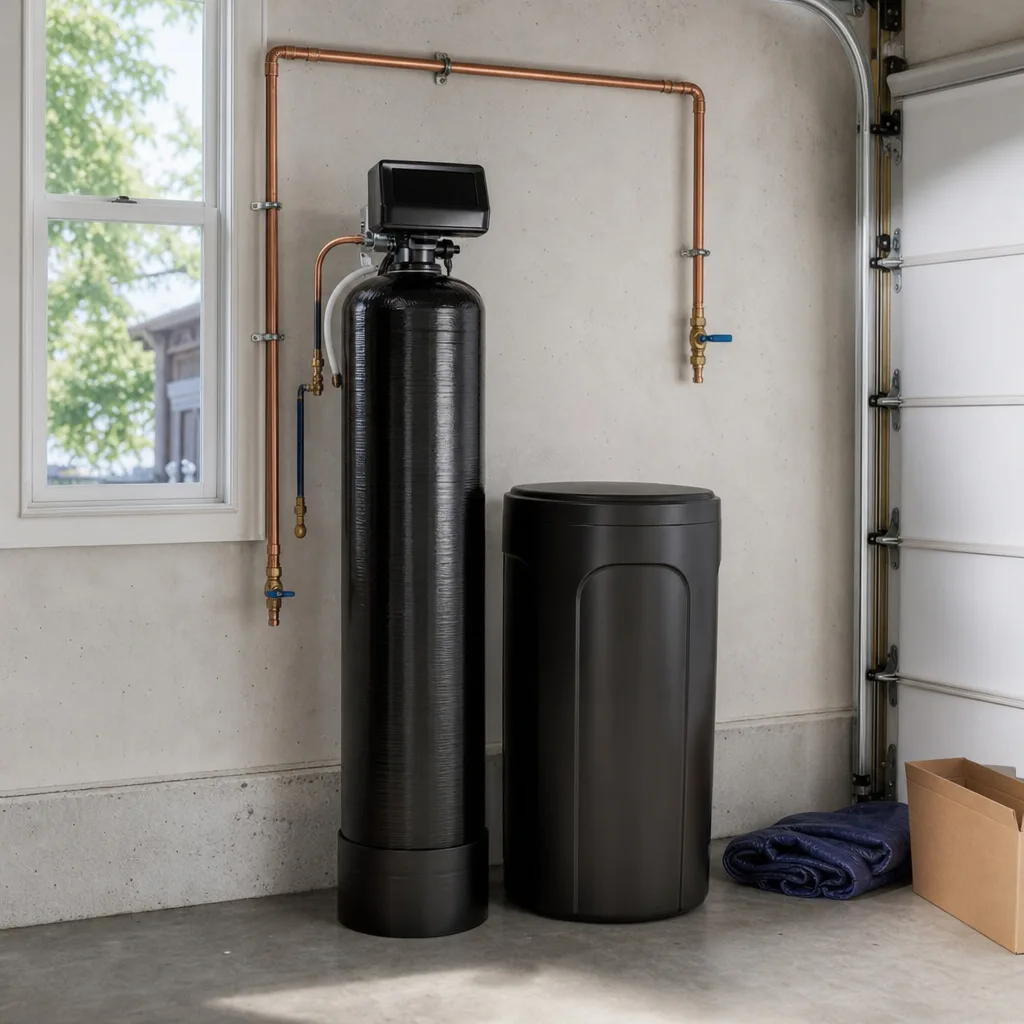
Here’s what happens on a softener install, and where a DIY job tends to go sideways:
- Shutting off and draining the main. If your main shutoff is old or stuck, which is common in Dallas homes built decades ago, it may not close all the way. A valve that breaks in your hand can leave water running with no easy way to stop it.
- Cutting and joining the pipe. Depending on your home, the main may be copper, PEX, or older galvanized steel. Each one joins differently. A joint that looks fine at first can weep slowly behind a wall or under a garage shelf for weeks before you notice.
- Keeping the electrical ground intact. In many older homes, the metal water pipe is part of the electrical grounding path. When you cut that pipe and add a plastic-bodied softener valve, you can break that path. A licensed installer knows to check for this and bridge the gap with a bonding jumper.
- Setting the drain and bypass correctly. The drain rules and air gap covered above are easy to get wrong, and a bypass that’s plumbed backward can send hard water straight through the house.
None of these mistakes are dramatic on day one. That’s the trouble. A small leak on a slab-foundation home has nowhere to go but the concrete and the walls, and you may not see it until there’s real damage. A missed ground or a poor drain setup can sit quietly until something else fails.
Hiring a licensed and insured plumbing contractor means someone is accountable for every one of those connections. If code corrections or a permit apply to your home, you’ll know before work starts, as we covered earlier, instead of finding out when you try to sell.
Now, the honest part. Plenty of softener care is yours to do, and you don’t need to pay anyone for it:
- Adding salt to the brine tank and checking it every few weeks.
- Breaking up a salt bridge, which is a hard crust that forms in the tank, with a broom handle.
- Setting the regeneration time on the control valve, usually overnight when nobody’s using water.
- Flipping the bypass valve when you’re watering the yard or doing something that doesn’t need soft water.
If your softener is already installed and working, those jobs keep it that way. The install itself, where your main line gets opened up, is the part worth getting done right the first time.
Call 469-213-3107
Have questions? We’re happy to help.
Call Today, Get Service Today. Xtreme Air Services — North Dallas is ready to help.
What Drives Your Installation Cost
You’ve already seen the short list of things that move your price. The plumbing items, like the loop and the drain run, depend on your house. The rest depends on the softener you pick. That’s where most of the price gap between two quotes comes from, so it’s worth knowing what you’re choosing.
Start with size. Softeners are rated by how many grains of hardness they can remove before they need to recharge. The right size depends on two things: how hard your water is and how much water your household uses. A family of five with teenagers taking long showers needs more capacity than a couple who travels a lot.
Getting the size wrong costs you either way. A softener that’s too small recharges too often. It burns through salt and sends extra rinse water down the drain, and it can let hard water slip through on busy days. A softener that’s too big costs more up front for capacity you’ll never use. A water test takes the guessing out of it. That’s why it makes sense to size the unit from your own results instead of picking a tank by how it looks.
Next is the type of system. A traditional salt-based softener removes the hardness minerals. That’s what gets rid of the spots on your shower glass and the crust inside your water heater. A salt-free water conditioner works differently. It changes the minerals so they’re less likely to stick as scale, but it doesn’t remove them, so your water isn’t truly soft. Each has its place, and each lands at a different price. Ask which one you’re being quoted, and why.
The control valve matters too. A timer valve recharges on a set schedule, whether you used a lot of water or none at all. A metered valve tracks how much water you use and recharges only when it needs to. Metered valves usually cost more at install, but they tend to use less salt and water over the years.
Then there are add-ons. A softener handles hardness, not everything else in your water. Some homeowners add a sediment filter ahead of it to catch grit before it reaches the resin. Others add a carbon filtration system to cut the chlorine taste and smell that city water treatment can leave behind. These are optional, and they add to the cost. Only pay for what fixes a problem you have.
When you compare quotes, these questions show you whether you’re comparing the same job:
- Was the softener sized from a test of my water, and what capacity is it?
- Is this a salt-based softener or a salt-free conditioner?
- Does it have a timer valve or a metered valve?
- Are any pre-filters included, and what problem does each one solve?
- Does the price cover the loop, the drain run, electrical, and permits, or are those separate?
A low quote for an undersized timer unit with no loop work isn’t the same job as a higher quote for a sized, metered system that’s ready to go. Once you know what’s in each one, the right choice for your home gets a lot clearer.
Watch Our Video
See How We Handle Water softener installation in Dallas
Xtreme Air Services — North Dallas
Signs You’re Ready for Installation, Not Repair or Maintenance
Not every hard-water problem means you need a new softener. Sometimes the unit you have just needs salt, a setting change, or a repair. Here’s how to tell which situation you’re in before you spend a dime.
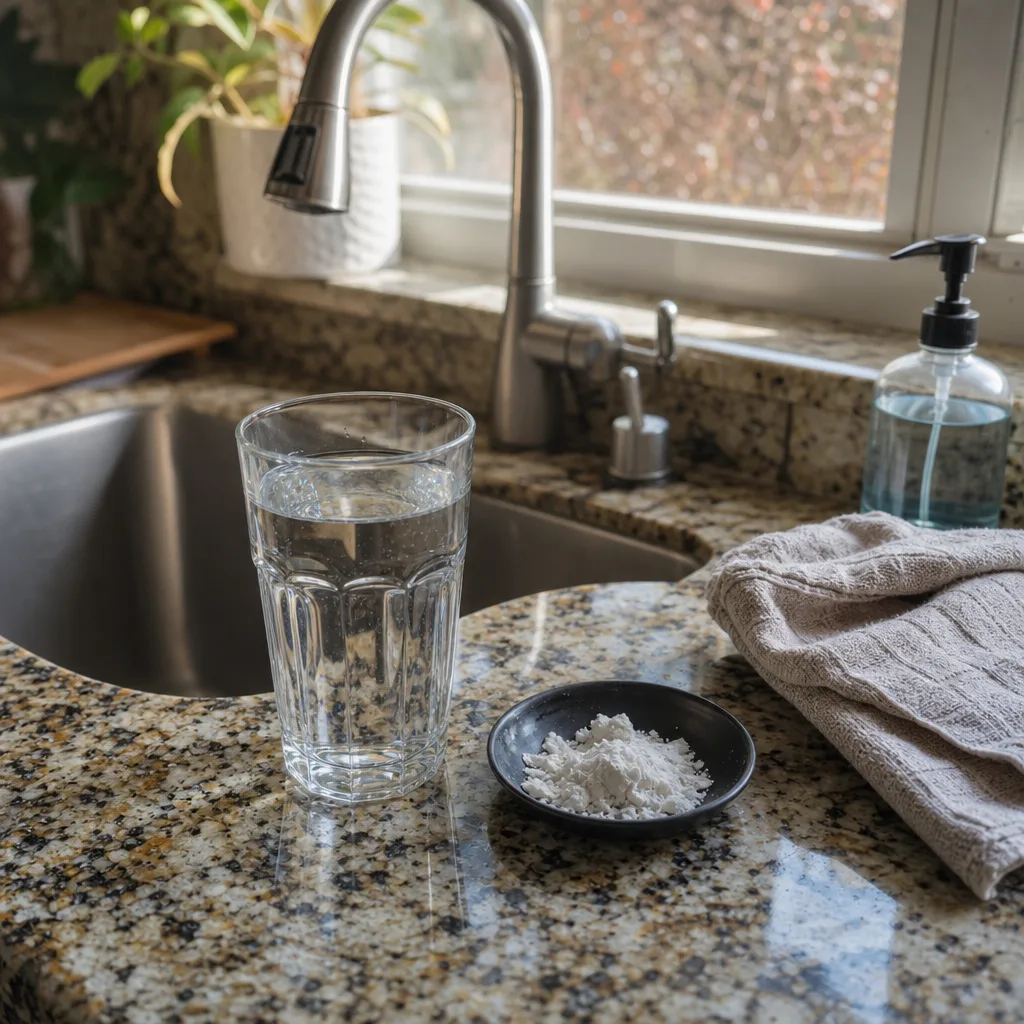
Start with the easy checks. If you already have a softener and the hard water came back, look at these first:
- Is there salt in the brine tank, and is it loose, not crusted into a salt bridge?
- Is the bypass valve set to send water through the softener, not around it?
- Did a power outage reset the clock, so it now regenerates at the wrong time or not at all?
- Has your household grown, so the old settings can’t keep up with how much water you use?
If one of those is the problem, you can probably fix it yourself today. Do that first. If everything looks right and your water is still hard, the unit may need water softener repair. A stuck control valve or a bad seal is often a repair job, not a reason to replace the whole system.
Installation makes sense when one of these is true:
- You’ve never had a softener, and you’re tired of the signs: white crust on faucets, spots on your shower glass and dishes, soap that won’t lather, and scale building up in your water heater.
- You moved into a home with a softener loop already in the garage, but the last owner took the unit with them.
- Your softener is old, and it keeps needing parts. When repairs start adding up to a good chunk of a new unit’s price, replacement is often the smarter use of your money.
- The tank is cracked or leaking. A leak next to your main line in a slab home isn’t something you want to patch and hope for the best.
- The resin inside is worn out. Resin is the material that grabs the hardness minerals. Once it breaks down, the softener can run every cycle and still send you hard water.
- You have a salt-free conditioner, but you still get spots and crust you want gone. A conditioner doesn’t remove minerals, so it won’t give you truly soft water.
Not sure which list you’re on? A water test settles it. It tells you how hard your water really is right now. If you have a softener, testing the water before and after it shows whether the unit is doing its job. That’s a fair way to decide between a repair and a replacement, and it’s the same test that sizes a new system correctly.
One more thing. If your water heater is already showing heavy scale, softening your water from here on protects the next one. It won’t undo the buildup that’s already inside the old tank.
We’ll tell you straight if your softener just needs a repair or a little maintenance. If it’s time for a new one, you’ll get an upfront, flat-rate price before any work starts, from licensed and insured technicians.
Call now
Frequently Asked Questions
Common questions about Water softener installation
Is Dallas tap water safe to drink even with hard water minerals in it?
Yes, Dallas tap water is treated and safe to drink, but it’s also high in dissolved minerals like calcium and magnesium that make it hard. Those minerals aren’t a health risk, but they cause the scale, spots, and soap scum a softener is built to stop. A softener doesn’t change whether your water is safe, it just removes the minerals causing the buildup.
How often will I need to add salt to my new softener?
Most households check the brine tank every few weeks and add salt as needed, rather than on a fixed schedule. How fast you go through salt depends on your water hardness and how much water your home uses, so a family of five will refill more often than a couple living alone. Checking the tank regularly also lets you catch a salt bridge, that hard crust that can form in the tank, before it stops the softener from working.
What size water softener does a typical Dallas home need?
The right size depends on your water hardness and your household’s water use, which is why sizing from an actual water test beats guessing. A bigger family with heavier water use needs more grain capacity than a smaller household, and getting the size wrong costs you either way: too small recharges too often and wastes salt, too big costs more for capacity you won’t use. A water test before installation takes the guesswork out and makes sure the unit matches your home.
Ready to Get Started?
Call (469) 213-3107 Today, Get Service Today.