


Transfer Switch Installation in Plano: Connect Your Generator the Safe, Legal Way
Automatic or manual transfer switches installed to code, so your generator powers your home safely.
What’s Covered on This Page
- Why a Transfer Switch Is Required, Not Optional
- Automatic vs. Manual Transfer Switches: Choosing the Right Fit
- Sequencing Your Generator and Transfer Switch Decisions
- When You Don’t Need a Transfer Switch
- What Happens During Installation and What It Costs
- Do I need a licensed electrician to install a transfer switch?
- How long does a transfer switch typically last?
- Is installing a transfer switch a difficult job?
Why a Transfer Switch Is Required, Not Optional
Here’s the simple version. Your home normally gets power from the utility lines out on the street. When you add a generator, you now have two sources of power that could reach the same wires. A transfer switch picks one or the other, never both at once. That one job is why it isn’t optional.
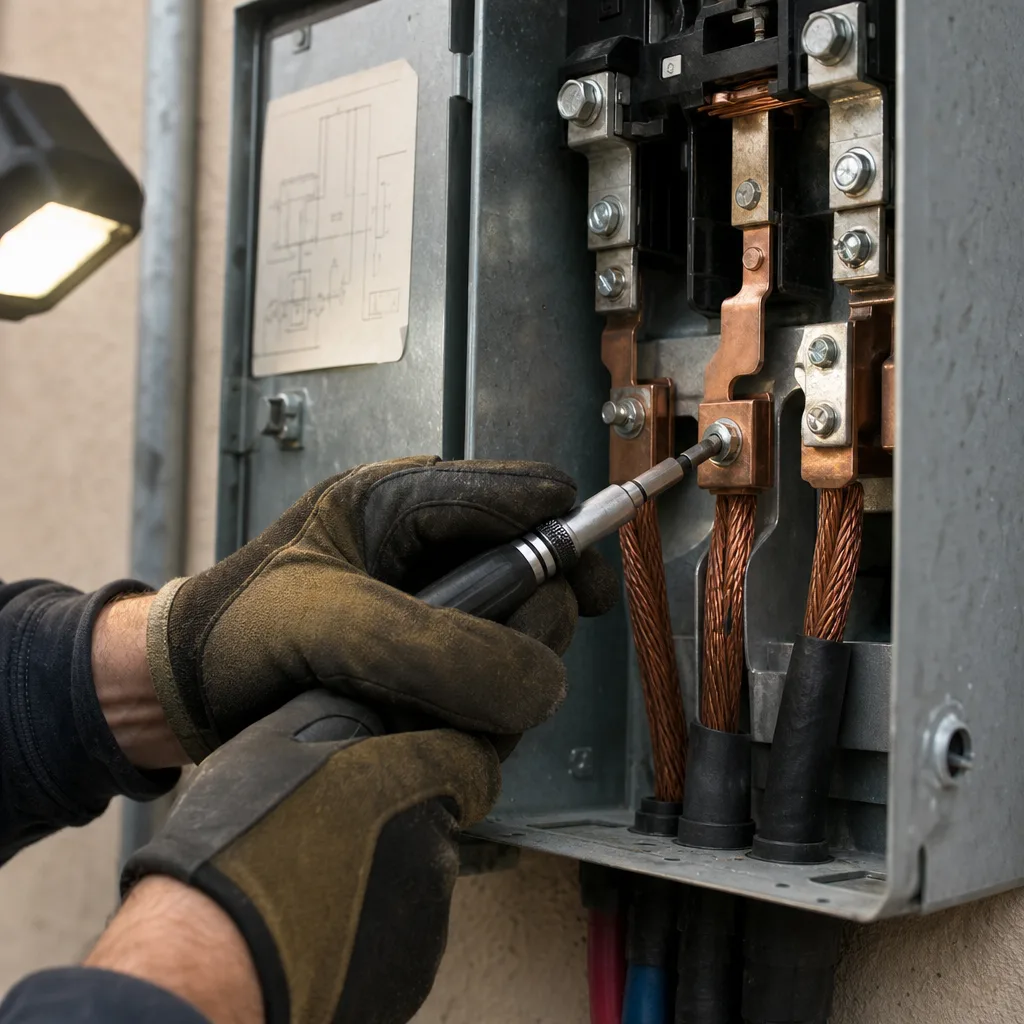
If a generator is tied into your house wiring without a switch, power can flow backward out of your home and onto the utility lines. Electricians call this backfeed. Your neighbor’s transformer doesn’t know the difference, so it can step that power up to a much higher voltage on the lines outside. During a North Texas storm, those are the same lines Oncor crews are working on to get your street back on. They expect a dead line, and backfeed means it isn’t.
The switch protects you and your equipment too. When grid power comes back on, it doesn’t announce itself. Without a switch, utility power and generator power can meet in your panel. That can damage your generator, your wiring, and anything plugged in. With a switch, your home is only ever connected to one source, so the return of utility power is a non-event.
You may have heard about plugging a generator into a dryer outlet with a double-ended cord. Please don’t. That cord has live, exposed prongs on one end, and it creates exactly the backfeed problem described above. It’s one of the most dangerous shortcuts in home electrical work, and it skips everything a proper switch is built to prevent.
Electrical code requires a safe way to keep generator power and utility power apart, which is why this work is done by a licensed electrician and may need a permit. That’s a good thing for you. A properly installed and tested switch is the difference between backup power you can trust and a setup that only works until something goes wrong.
There’s a practical side as well. Without a switch, most people end up running extension cords through a cracked door or window to a fridge and a lamp or two. With one, your generator feeds the circuits you choose right through your panel. Depending on the switch and your generator’s size, that can mean your refrigerator, lights, garage door, internet, and even part of your cooling stay on when the neighborhood goes dark.
- It stops backfeed, so line crews working storm repairs aren’t put at risk by your generator.
- It keeps grid power and generator power from colliding in your panel when the lights come back on.
- It replaces unsafe workarounds like double-ended cords and long extension cord runs.
- It lets your generator power real household circuits, not just whatever you can plug in.
So if you’ve bought a generator, or you’re thinking about one before the next round of spring storms, the switch is the part that makes it safe to use. It’s not an add-on. It’s the connection that turns a generator into real backup power for your home.
Automatic vs. Manual Transfer Switches: Choosing the Right Fit
Both types do the same core job. They keep your home connected to only one power source at a time. The difference is who flips the switch: you or the switch itself. The right choice mostly comes down to the kind of generator you have and whether you’ll be home when the power goes out.
A manual transfer switch puts you in charge. When the lights go out, you roll your generator outside, plug it into an inlet on the side of your house, start it up, and move the switch over to generator power. When utility power comes back, you switch it back and shut the generator down. It takes a few minutes, and you have to be there to do it.
Manual switches are usually paired with portable generators. They power a set of circuits you pick ahead of time, like the fridge, a few lights, the garage door, and your internet. For a lot of families, that covers what really matters during an outage.
An automatic transfer switch does all of that for you. It watches the utility power around the clock. When power drops, it signals a standby generator to start and moves your home over within seconds. When grid power is steady again, it switches back and lets the generator cool down and shut off. You don’t have to lift a finger, or even be home.
Automatic switches go with permanently installed standby generators. Depending on the switch and the generator’s size, they can run a few key circuits or most of the house, including air conditioning. That matters in a North Texas summer, when an outage during a heat wave can turn a house uncomfortable fast.
Here’s a quick way to sort it out:
- You already own a portable generator and don’t mind a few minutes of hands-on setup: a manual switch is usually the right fit.
- You travel, work long hours away from home, or want the house covered while you’re gone: an automatic switch handles it without you.
- Someone in your home relies on medical equipment, or you have elderly family who can’t run a generator in a storm: automatic is worth a serious look.
- You run a business or home office where even a short outage costs you: automatic gets power back the fastest.
- You want to keep costs down and only need the basics: manual covers the essentials for less.
Cost follows the same split. Switch type is one of the things that moves your price, along with how many circuits you want covered and how far the switch sits from the generator. A manual setup for a portable generator is generally the simpler, lower-cost job. An automatic switch is usually part of a bigger standby generator project.
If you’re not sure which way to go, start with what you want running during an outage. Make a short list. Is it just the fridge and lights, or do you want the AC and the whole kitchen? That list tells our team how much power you need, which tells us whether your current generator can handle it and which switch makes sense. We help Plano homeowners with portable generator hookups and whole-home standby generator installs, so we’ll match the switch to the generator you have or the one you’re planning to buy.
Sequencing Your Generator and Transfer Switch Decisions
The order you make these choices in matters more than most people think. A lot of homeowners buy the generator first and figure out the switch later. Sometimes that works out fine. Other times the generator can’t run what they hoped, or the panel has no room, and now they’re paying to fix a plan that was backward from the start.
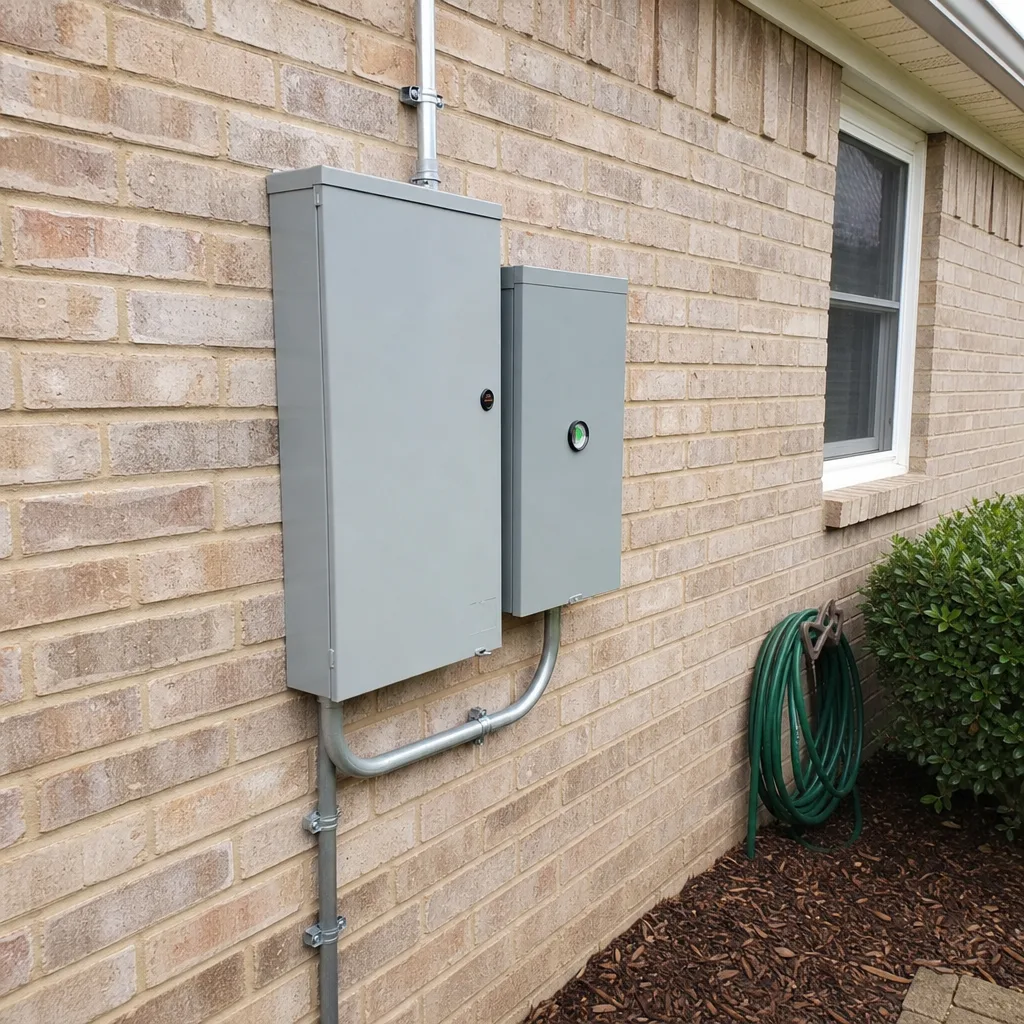
Here’s the order that saves you the most headaches:
- Decide what has to stay on. Start with the short list you made earlier. The fridge and lights need far less power than central air and an electric range.
- Size the generator to that list. The generator has to handle everything you want running at once, plus the extra jolt some appliances pull when they first start up.
- Pick the switch to match. Switch type follows the generator, and the number of circuits follows your list.
- Check your panel. The switch connects to your main panel, so it needs to be in good shape and have room to work with.
- Plan where the generator will sit. A portable unit needs a safe spot outside near the inlet. A standby unit needs a permanent location. Either way, the distance back to your panel affects the job.
- Handle permits and install. Then the switch gets connected and tested before you count on it.
If you already own a portable generator, you’re starting at step three. That’s okay. Just check the outlet on your generator before anything else. The inlet on your house has to match the plug and amp rating your generator puts out. A 30-amp generator and a 50-amp generator use different connections, and getting this right up front keeps you from buying the wrong parts.
If you’re planning a standby generator, think of the generator and the automatic switch as one project. They’re sized together, placed together, and wired together. Choosing them separately is how people end up with a switch that’s too small for the generator or a generator that’s too big for the budget.
The panel step catches more people off guard than any other. Our transfer switch installation covers the switch, materials, professional installation, connections, and testing. It doesn’t include panel upgrades or code corrections. So if your panel is full, worn out, or out of date, that work may need to happen first or alongside the switch. It’s much better to learn that during planning than halfway through install day. If it does come up, we also handle electrical panel upgrades, so you won’t need a second contractor.
You don’t have to work through all of this alone. Our team offers backup power assessments and generator sizing consultations. We’ll walk through what you want powered, look at your panel, and talk about where the generator should go. Then you’ll know what you need before you spend a dollar on equipment. Once the plan is set, most transfer switch jobs finish the same day.
A good rule of thumb: decide what you need powered first, and let everything else follow from that list. The generator, the switch, and the panel work should all line up behind that one answer.
Thinking about Transfer switch installation? Let’s talk.
Call Today, Get Service Today. Xtreme Air Services — West Plano is ready to help.
When You Don’t Need a Transfer Switch
A transfer switch is the right call for a lot of homes, but not every home. If any of these sound like you, you can skip it or put it off for now.
You plug appliances straight into the generator. If you run a heavy-duty cord from your portable generator to your fridge, and another to a lamp or a phone charger, nothing ties into your house wiring. With nothing tied in, there’s no path for backfeed, so you don’t need a switch to stay legal or safe. You’ll give up convenience. You’re limited to what you can plug in, and hardwired things like your furnace blower, ceiling lights, and garage door won’t run. If that trade-off is fine for the few outages you see each year, keep doing what you’re doing. Just follow your generator’s manual on cords and where to set it up.
You only need to keep small things charged. A battery power station that charges phones, runs a laptop, or powers a CPAP machine for a night doesn’t connect to your panel. It doesn’t need a switch. For short outages, that’s often all a family really needs.
You don’t own a generator yet and haven’t decided on one. A switch has to match the generator it serves, as we covered above. Installing one first and hoping the generator fits later is backward. If you’re still on the fence, wait. Settle on what you want powered and which generator you’ll use, then add the switch.
You rent. Installing a switch means working inside the home’s main panel, and that’s the owner’s call. If you’re renting, talk to your landlord before anyone touches the panel. Until then, plugging appliances straight into a portable generator or using a battery station is the practical answer.
You already have one. Lots of homes come with a transfer switch put in by a past owner. If yours is there and works with the generator you have, you likely don’t need a new one. Have it checked so you know it was wired and tested right, and save the cost of a replacement.
Your panel may take a different device. Some panels can accept a listed generator interlock kit. It’s a mechanical part that keeps the main breaker and the generator breaker from being on at the same time. It does the same basic safety job a different way. Whether it fits depends on your panel’s make and layout, so ask a licensed electrician before you buy one online.
Here’s one case that doesn’t belong on this list. If you’re tempted to skip the switch and backfeed through a dryer outlet with a double-ended cord, don’t. That isn’t skipping a switch. It’s the dangerous shortcut described earlier on this page.
If none of these fit and you want your generator to run real household circuits through your panel, a transfer switch is what makes that safe.
Watch Our Video
See How We Handle Transfer switch installation in Plano
Xtreme Air Services — West Plano
What Happens During Installation and What It Costs
Once the plan is set, the install itself is pretty straightforward. Most jobs finish the same day, and you’ll have working backup power before the electrician leaves.
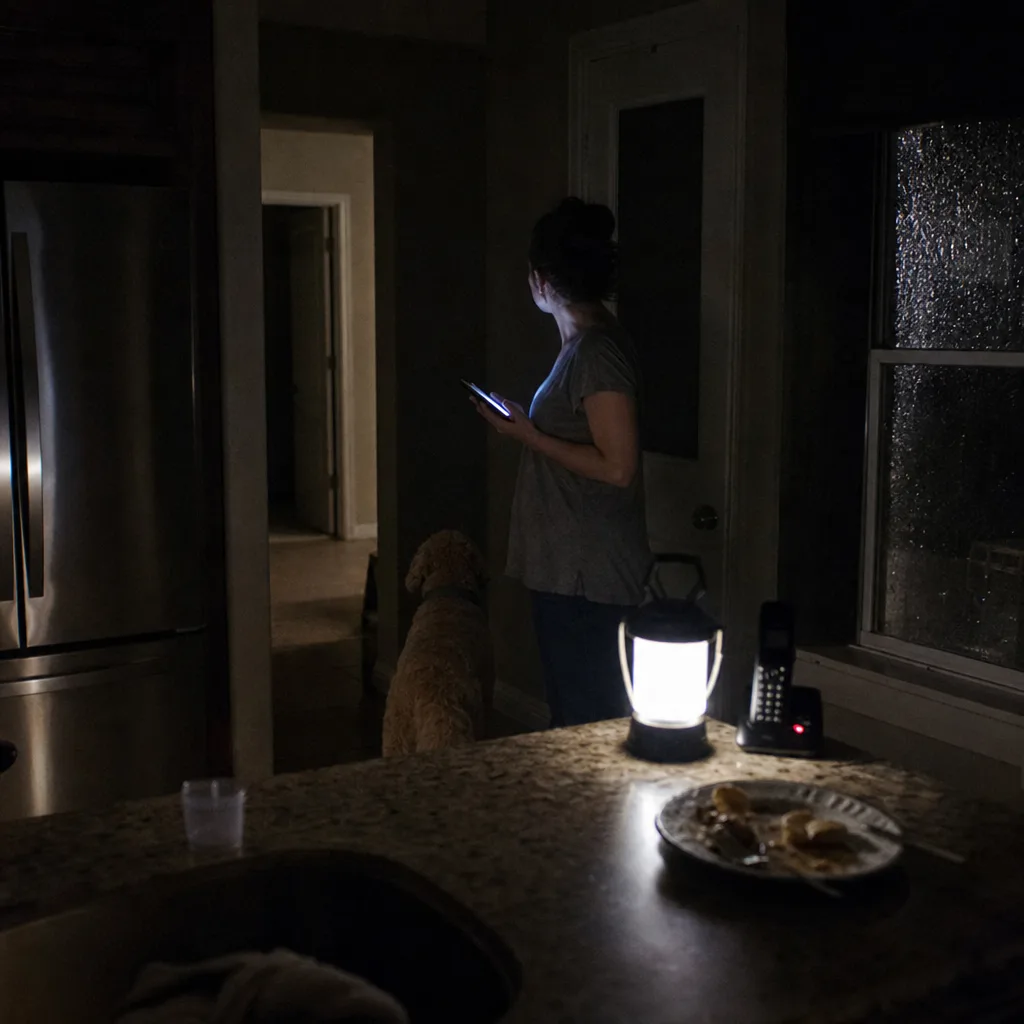
Here’s what a typical transfer switch installation involves:
- Power to the panel is shut off so the work can be done safely. Expect your home to be without electricity for part of the visit.
- The transfer switch is mounted next to your main panel, and the circuits on your list are moved over so they can run on generator power.
- For a portable generator, a power inlet box goes on the outside wall where you’ll plug in. For a standby generator, the switch is wired to the generator’s permanent spot.
- Everything is connected and tested, so you know the switch moves between utility and generator power the way it should before you ever need it in a storm.
You don’t need to do much to get ready. Clear a path to your main panel and the outside wall where the inlet or generator will go. If you work from home, plan around a short stretch without power.
Now the part everyone wants to know. Transfer switch installation with Xtreme Air Services typically runs $500 to $1,500. Our most common job, installing an automatic or manual transfer switch to connect a generator to your home’s panel, connected and tested, runs $700 to $1,100.
Where your job lands depends on the switch type, how many circuits you want covered, your panel’s condition and space, the distance to the generator, any code upgrades, and permits. That’s why a simple manual switch for a portable generator sits on the lower end, while a bigger setup with more circuits or a longer wire run costs more.
So you’re not caught off guard, here’s what the price covers and what it doesn’t:
- Included: the transfer switch and materials, professional installation, connections, and testing.
- Not included: the generator, panel upgrades, code corrections, and permits, unless stated in your quote.
There’s a $26 to $99 service-call fee, and it’s credited toward the work if you go ahead with us. You’ll get upfront flat-rate pricing and approve it before any work starts, so there’s no meter running while we’re in your home. If the visit falls on a night or weekend, there’s no extra charge for that.
If the cost is the thing holding you back, flexible financing is available on qualifying installations and larger jobs, on approved credit. That can make it easier to get the switch in before storm season instead of waiting until after the next outage.
Our licensed and insured electricians handle the work from start to finish. If your panel turns out to need attention, the same team can take care of that too, so you’re not juggling two contractors.
Call 469-217-9095
Frequently Asked Questions
Common questions about Transfer switch installation
Do I need a licensed electrician to install a transfer switch?
Yes, a licensed electrician should install your transfer switch because the work ties into your home’s main panel. This is not a safe DIY project. Wiring it wrong can cause backfeed onto Oncor lines or damage your panel when utility power returns. A licensed electrician also knows what your local permit process requires before the switch is connected and tested.
How long does a transfer switch typically last?
A properly installed and tested transfer switch can last many years with normal use, since it’s a simple mechanical device with no moving parts that wear out quickly. What matters more than age is whether it was sized correctly for your generator and wired to code. If you inherited a switch from a past owner, it’s worth having it checked to confirm it still matches your generator and is in good working order.
Is installing a transfer switch a difficult job?
Installing a transfer switch is straightforward for a licensed electrician but risky for a homeowner to attempt. The job involves shutting off power to your panel, mounting the switch, moving circuits over, and testing the connection between utility and generator power. Getting any step wrong can create a backfeed hazard, which is why this work should go to a professional rather than a weekend DIY project.
Ready to Get Started?
Call (469) 217-9095 Today, Get Service Today.