


Plumbing Leak Detection in Sunnyvale: Find Hidden Leaks Before They Cause Damage
Hidden leaks behind walls, under slabs, and in supply lines pinpointed by pressure and acoustic testing before anything is opened up.
What’s Covered on This Page
- Signs You May Have a Hidden Water Leak
- How Sunnyvale’s Clay Soil Raises Slab Leak Risk
- What Happens During a Professional Leak Detection Visit
- When You Don’t Need a Leak Detection Appointment
- From Detection to Repair: Understanding the Cost and Next Steps
- How fast can you get to my house if I think I have a hidden leak?
- What happens when your technician shows up at my house?
- Why do slab leaks seem so common in Sunnyvale?
- Can you find a leak without tearing up my floors?
- Does a higher water bill always mean I have a hidden leak?
How Sunnyvale’s Clay Soil Raises Slab Leak Risk
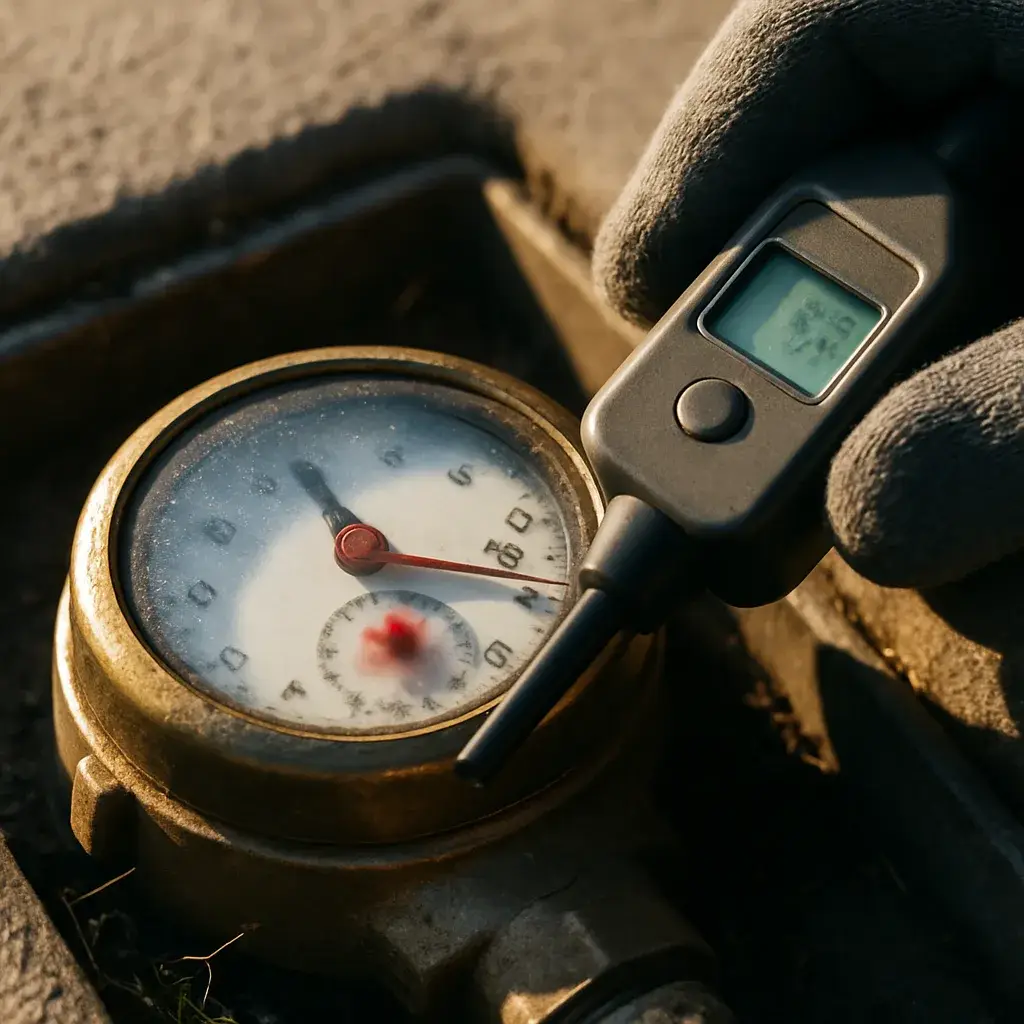
Sunnyvale sits on the same blackland prairie clay found across much of North Texas. That soil does not sit still. It swells after a good rain, then shrinks during a dry August stretch. Your slab moves with it, even if only slightly. Pipes running under or through that concrete were not built to flex. Over time, the repeated push and pull wears on a joint or copper line until it gives.
Older Sunnyvale homes built before PEX became standard often have copper supply lines under the slab. Copper is tough, but it corrodes over time. Clay soil movement adds stress to the same weak points repeatedly. Newer construction isn’t immune. A shifting foundation can still crack a fitting in a brand-new home.
Can you tell whether the soil caused the problem or an old pipe finally failed? Usually, you can’t tell from the surface. A warm floor, an unexplained jump in your water bill, or a musty smell near the baseboards could indicate a slab leak. Digging based on a guess may tear up flooring that never needed to be touched.
That’s why leak detection matters before repair work begins. Acoustic equipment and moisture meters can trace water under a slab without opening the floor first. They help pinpoint the spot instead of relying on a guess.
We see this pattern often on the eastern edge of Dallas County. Clay soil makes pipe stress a fact of life here.
What Happens During a Professional Leak Detection Visit
What happens when we arrive? We don’t start ripping into walls based on a guess. First, we ask when you noticed the higher water bill and whether you’ve found damp carpet. We’ll also ask if the meter spins when every faucet is off. That conversation helps narrow the search before we open the tool bag. 80 six days a week.
From there, our technician follows a set process. It’s a methodical way to pinpoint a leak instead of guessing.
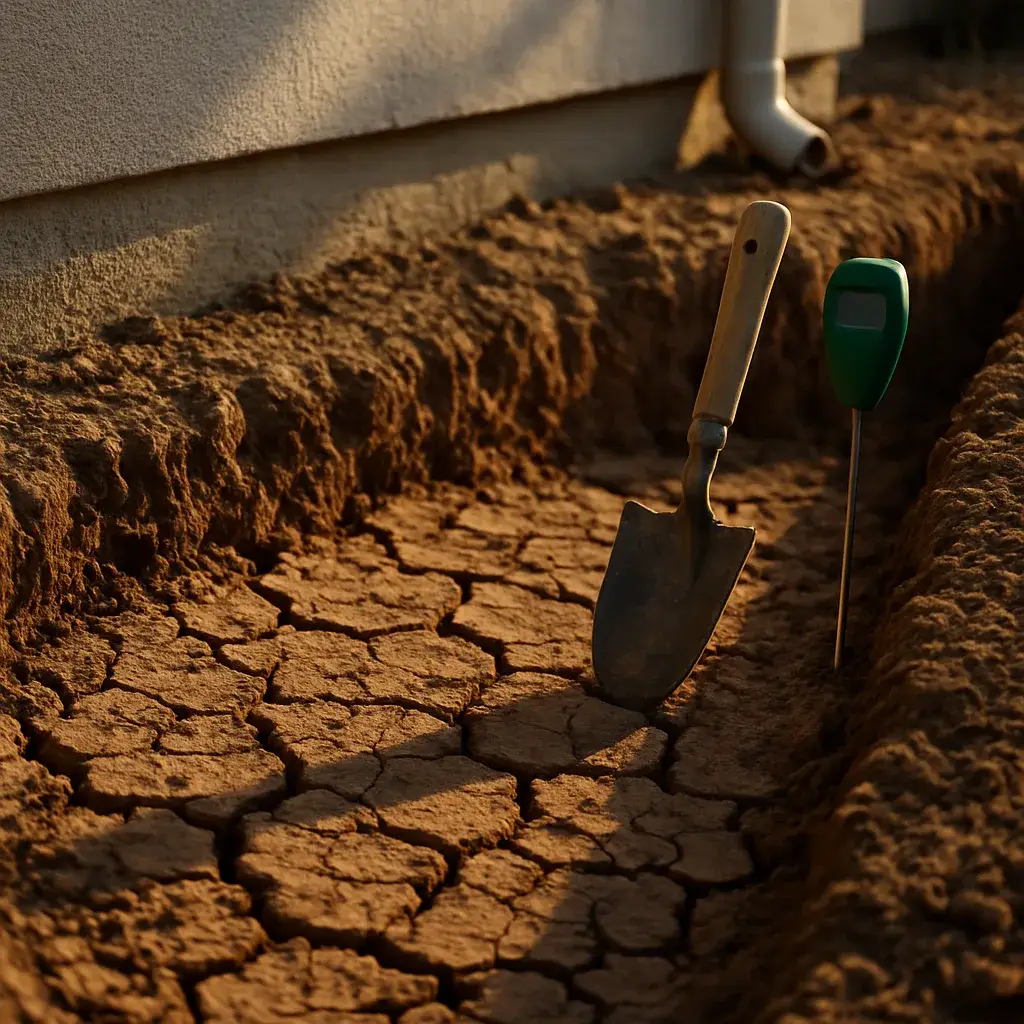
- Check the water meter and shutoff valves to confirm there’s an active leak and rule out simple causes.
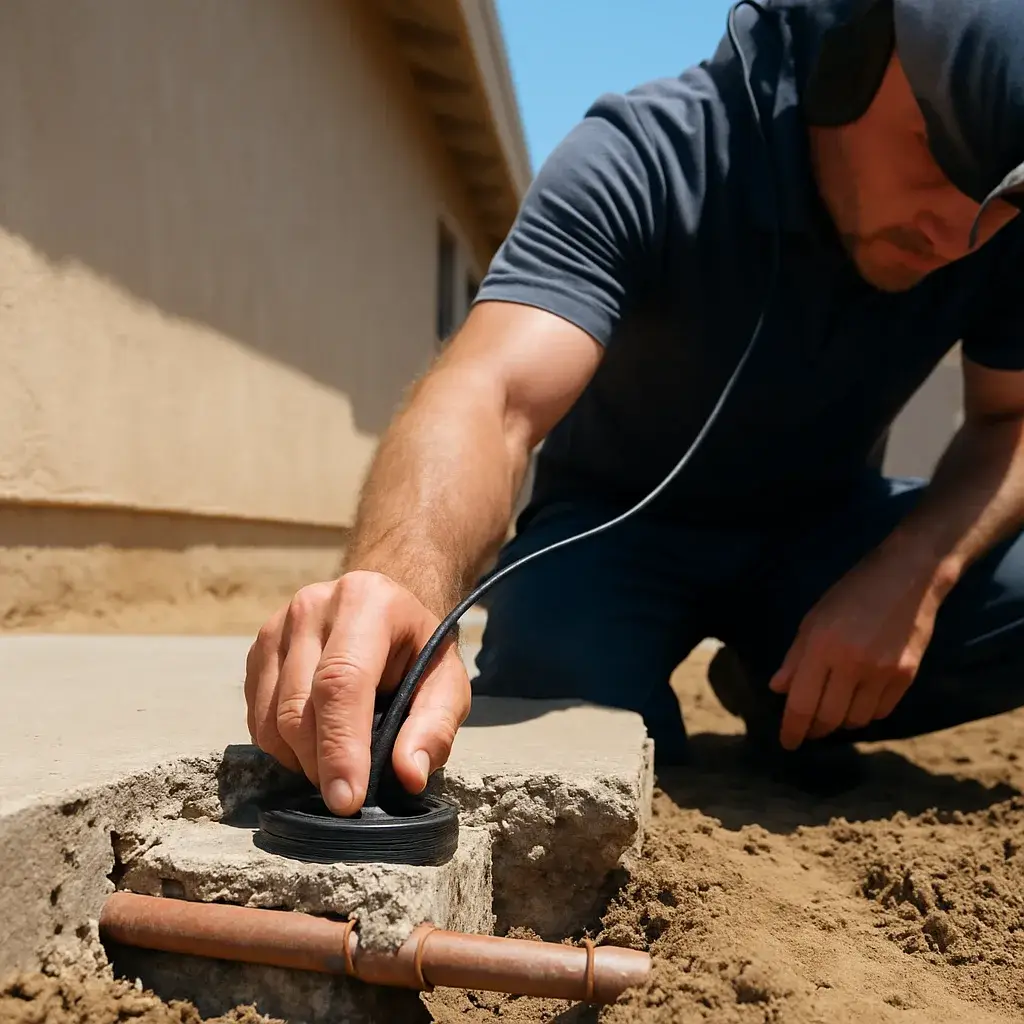
- Use acoustic listening equipment to detect water moving through a pipe under a slab, floor, or wall.
- Run a camera line or use a moisture meter when sound alone can’t confirm the depth or exact location.
- Mark the suspected location and cross-check it with a second method before calling it final.
- Write up the findings in plain language, with photos when possible, so you know what we found.
You get a written summary at the end, not a verbal guess you have to remember. It explains where the leak is, how deep it runs, and what type of repair it needs. The visit covers detection and the written report. Repair work is a separate step that you choose after reviewing our findings.
Need help with Plumbing leak detection?
Call Today, Get Service Today. Xtreme Air Services is ready to help.
When You Don’t Need a Leak Detection Appointment
Not every leak calls for acoustic gear and a moisture meter. If you can see the water and identify its source, you don’t need detection. You need a repair.
We sometimes get calls where the leak was never a mystery. Water may pool under a kitchen sink while visibly dripping from the trap. A toilet may run every few minutes, or a cracked hose bib may spray whenever you turn it on. Those problems call for a repair visit, not detection work.
- A faucet or fixture that’s visibly dripping in front of you
- A running toilet you can hear or see cycling on its own
- A washing machine hose or supply line leaking where you can reach it
- An outdoor spigot or garden hose connection that’s visibly cracked
- A water heater with a puddle underneath it and no mystery about the source
Detection helps when water appears where it shouldn’t, but you can’t explain why. You might find wet carpet with no fixture nearby, a warm patch on the slab, or a higher water bill without a change in use. That’s a different problem, and it’s what this service is built to solve.
Before you book anything, walk through the house. Check under sinks, behind the toilet, and around the water heater. If you find the source, you’ve saved yourself a detection visit. If you find nothing but the water remains or the bill keeps climbing, have someone pinpoint the leak before repairs begin.
From Detection to Repair: Understanding the Cost and Next Steps
You’re probably wondering what this costs. Plumbing leak detection in Sunnyvale typically runs $150 to $500. Most jobs fall on the lower end, from $150 to $300. That covers on-site detection and a written summary of our findings and recommended next steps. Repair work costs extra and is discussed separately.
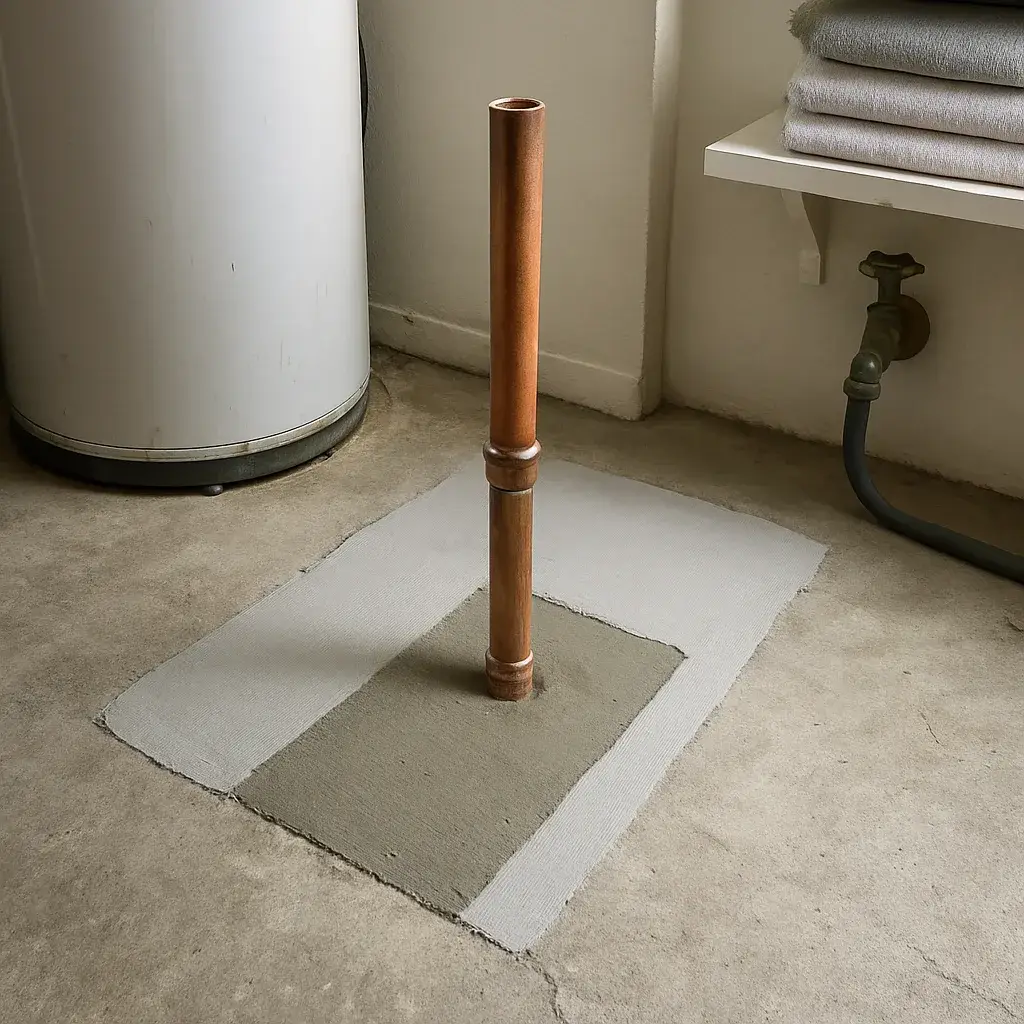
Several factors can move that number up or down. Bigger homes take longer to check. A leak deep under a slab takes more equipment time than one behind an accessible wall. Access also matters. A leak under a kitchen island isn’t the same job as one in an open crawlspace.
- Property size, since more square footage means more pipe to trace
- How deep the leak sits and how hard it is to reach
- The equipment needed, such as acoustic listening gear, camera inspection, or moisture meters
- The number of fixtures or lines we must check before isolating the source
There’s also a service call fee of $26 to $99. It gets credited toward the repair if you move forward with us. Financing isn’t usually used for a detection visit. It’s more common for larger repair or replacement jobs later. Once we find the leak, we’ll explain what the repair involves. Then you decide how to proceed.
Frequently Asked Questions
Common questions about Plumbing leak detection
How fast can you get to my house if I think I have a hidden leak?
We schedule most leak detection calls within a day or two of your call, sooner if the meter is spinning and water is actively running somewhere. Sunnyvale’s clay soil can turn a small pipe stress crack into a bigger problem fast, so we don’t like to let a suspected leak sit for a week. When you call, tell us about your water bill jump or any damp spots you’ve noticed. That helps us plan the visit before we even walk in the door.
What happens when your technician shows up at my house?
Your technician starts by asking questions, not by opening walls. We’ll ask when you noticed the higher bill, whether the meter spins with everything off, and where you’ve seen damp spots. Then we check the meter and shutoff valves, use acoustic listening equipment to trace water movement, and confirm the spot with a second method before marking it. You get a written summary with photos at the end, explaining where the leak is and what type of repair it needs.
Why do slab leaks seem so common in Sunnyvale?
Sunnyvale sits on clay soil that swells after rain and shrinks in dry weather, and that constant movement stresses the pipes under your slab. Older homes with copper supply lines feel this the most, since copper corrodes over time and the shifting concrete adds repeated wear at weak joints. Even newer homes with PEX aren’t immune if the foundation shifts enough to crack a fitting. This is why we always check the meter first on Sunnyvale calls before guessing at a location.
Can you find a leak without tearing up my floors?
Yes, acoustic equipment and moisture meters let us trace water under a slab, floor, or wall without opening it first. We listen for the sound of water moving through pipes, then cross-check the suspected spot with a second method before we mark it. This keeps the guesswork out of the process and protects flooring that never needed to be disturbed. If sound alone can’t confirm the depth, we’ll run a camera line or moisture meter to pin it down further.
Does a higher water bill always mean I have a hidden leak?
Not always, but a bill that creeps up thirty or forty dollars with no change in your habits is one of the clearest warning signs we see. Combine that with a water meter that keeps turning when every faucet is off, and it’s worth having someone check it out. Other clues include a warm patch on the floor, a musty smell with no obvious source, or low pressure at just one fixture. If you notice more than one of these, don’t wait to have it checked.
Ready to Get Started?
Call 972-288-2263 Today, Get Service Today.