


Recessed Lighting Installation in Sunnyvale: Brighten Any Room the Right Way
Can and canless recessed lighting laid out for even coverage, cut in cleanly, and wired with attic insulation clearances handled properly.
What’s Covered on This Page
- Signs You’re Ready for Recessed Lighting
- Recessed Lighting Is Licensed Electrical Work in Texas
- When a Basic Fixture Swap Is All You Need
- Attic Access and Insulation in Sunnyvale Homes
- What Happens on Installation Day
- How soon can you schedule recessed lighting installation in Sunnyvale?
- What happens when the electrician arrives at my house?
- Why is attic access such a big deal for recessed lighting in Sunnyvale?
- Can I just swap out my old recessed light fixture myself?
- How many recessed lights do I need in a room?
- Do I need a permit for recessed lighting in Sunnyvale?
Signs You’re Ready for Recessed Lighting
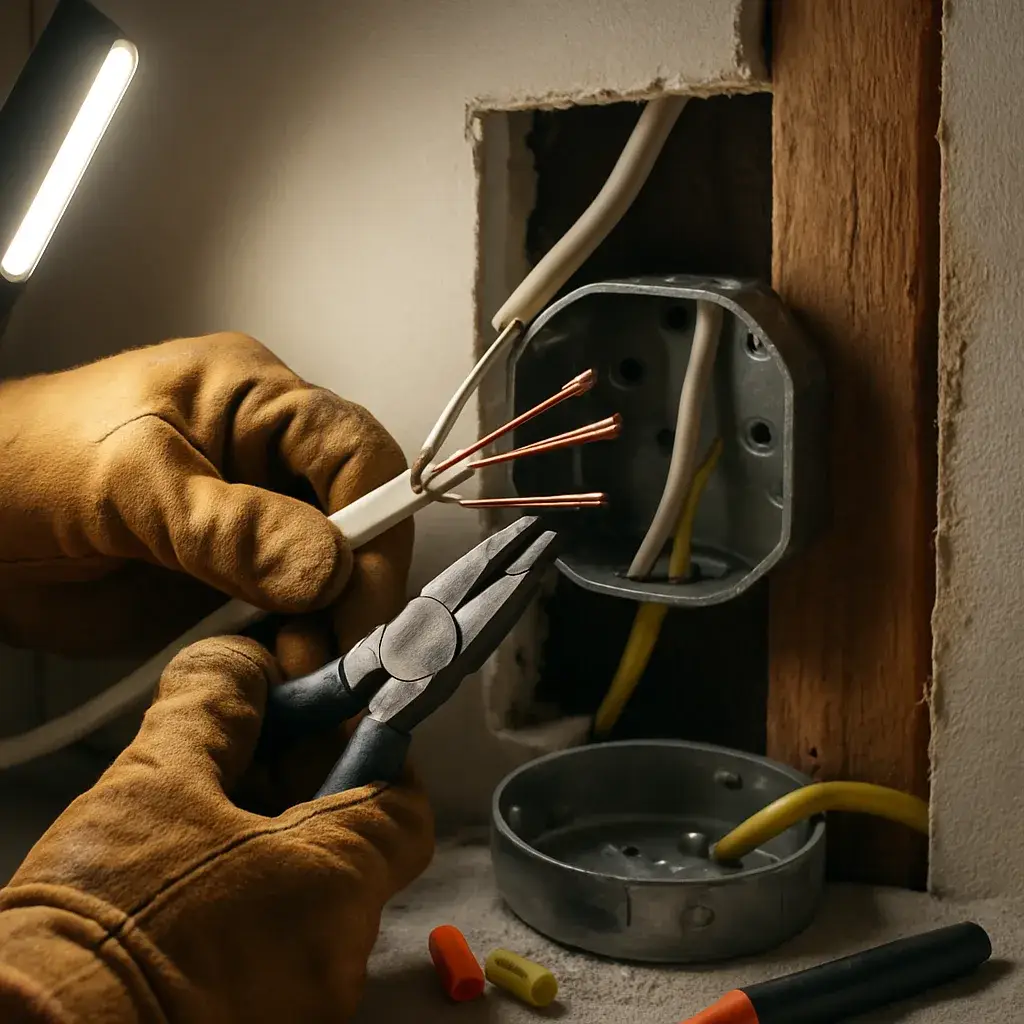
You know the room. The one where you flip the switch and it’s still dim. Maybe it’s a single flush-mount fixture trying to light an entire kitchen, or a hallway with one bulb doing the work of five. That’s usually the first sign you’re ready.
- Your overhead lighting leaves shadows on counters or work areas
- You’re remodeling a kitchen, bathroom, or living room and want a cleaner ceiling
- Old fixtures look dated or don’t match your updated space
- You want dimming control instead of one bright, harsh switch
- You’re replacing a dropped ceiling or popcorn texture and starting fresh anyway
Here’s a scenario we see a lot. You’re updating a kitchen, new counters, new cabinets, and that old boob light just doesn’t fit anymore. That’s the exact moment people call.
A lot of homes around Sunnyvale were built with attic space directly above the main living areas, which makes recessed lighting installation more straightforward. Easy attic access means less cutting, less guesswork, and a faster job overall. Homes without that access, older additions or rooms under a second story, take more planning but it’s still doable.
So how do you know if you’re ready versus just curious? If you can picture the room without that old fixture, you’re ready. If you’re still on the fence about the whole remodel, wait until the plan is set.
Recessed Lighting Is Licensed Electrical Work in Texas
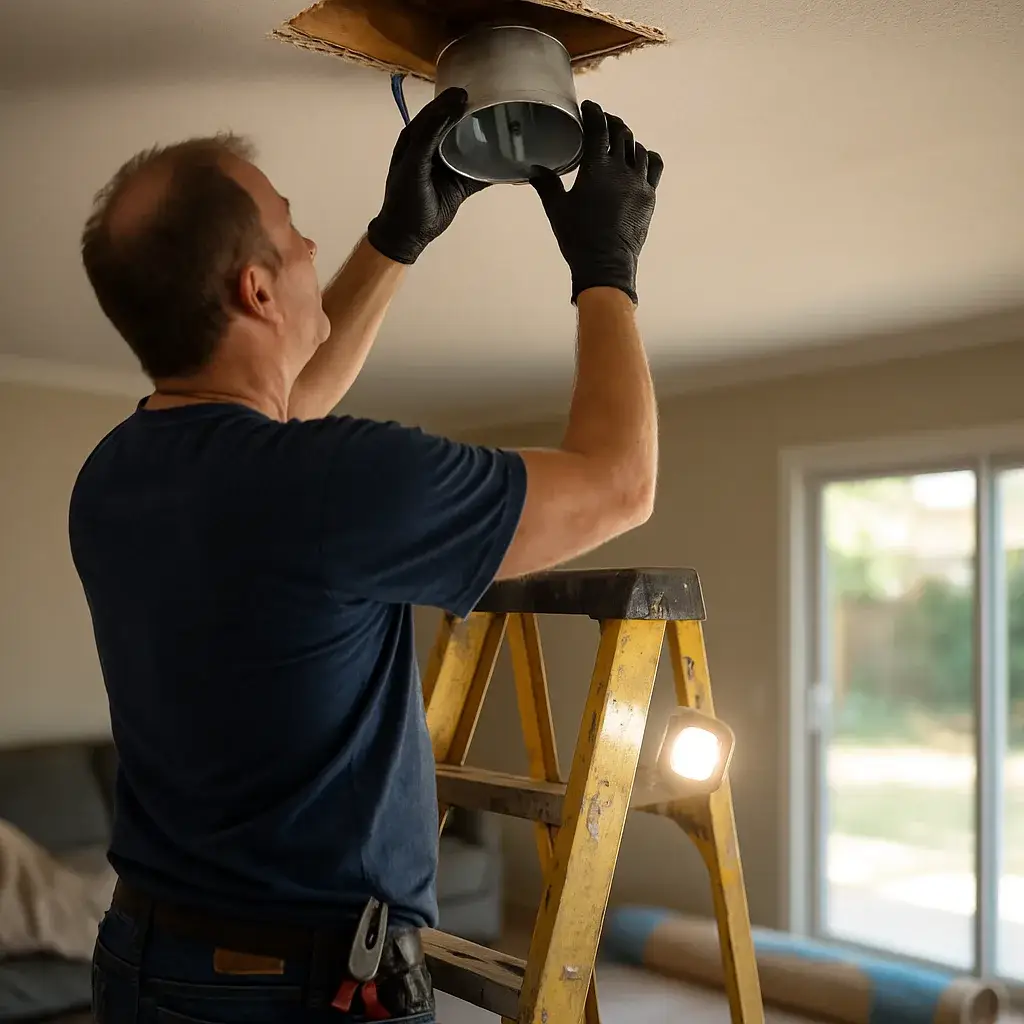
Here’s the thing a lot of folks don’t realize until they’re standing on a ladder with a hole saw in hand. Cutting recessed lighting into a ceiling isn’t a bulb swap. You’re opening drywall, running new wire, and tying into a switch or dimmer that’s already carrying power. That’s electrical work, plain and simple, and it falls under the electrical code just like a new outlet or a panel upgrade would.
So why does that matter to you? Because a fixture that’s rated wrong for insulation contact, or wired loose behind drywall you can’t see, turns into a fire risk nobody notices until something smells hot. We see this every single week on jobs where a homeowner started a kit from a big box store and got stuck once they hit the attic side of the ceiling.
Many homes around Sunnyvale have ceiling joists and blown-in attic insulation that make can placement trickier than the kit instructions suggest. Get the spacing wrong and you either lose even light coverage or you crowd a joist and can’t cut the hole where you planned. And once wire runs through tight attic space near HVAC ductwork, it needs to be done right the first time, not patched together.
Our team at Xtreme Air Services is fully licensed and insured for electrical work across the Dallas Fort Worth area. That’s not a small detail. It means the wiring, the switch tie-in, and the fixture install all get done to code, not just to look finished from the room below.
When a Basic Fixture Swap Is All You Need
Not every recessed lighting project in Sunnyvale requires tearing into drywall or running new circuits. If you already have a working recessed can and simply want to upgrade the trim, swap a halogen bulb-and-housing combo for a modern LED retrofit kit, or replace a cracked baffle, that is often a true like-for-like swap. The existing electrical box stays put, the wiring stays untouched, and the new fixture clips into the same housing the old one used. Many older ranch-style homes in Sunnyvale’s older established neighborhoods have this exact setup, since recessed lighting was frequently added during 1980s and 1990s remodels using standard can sizes that still match today’s retrofit trims.
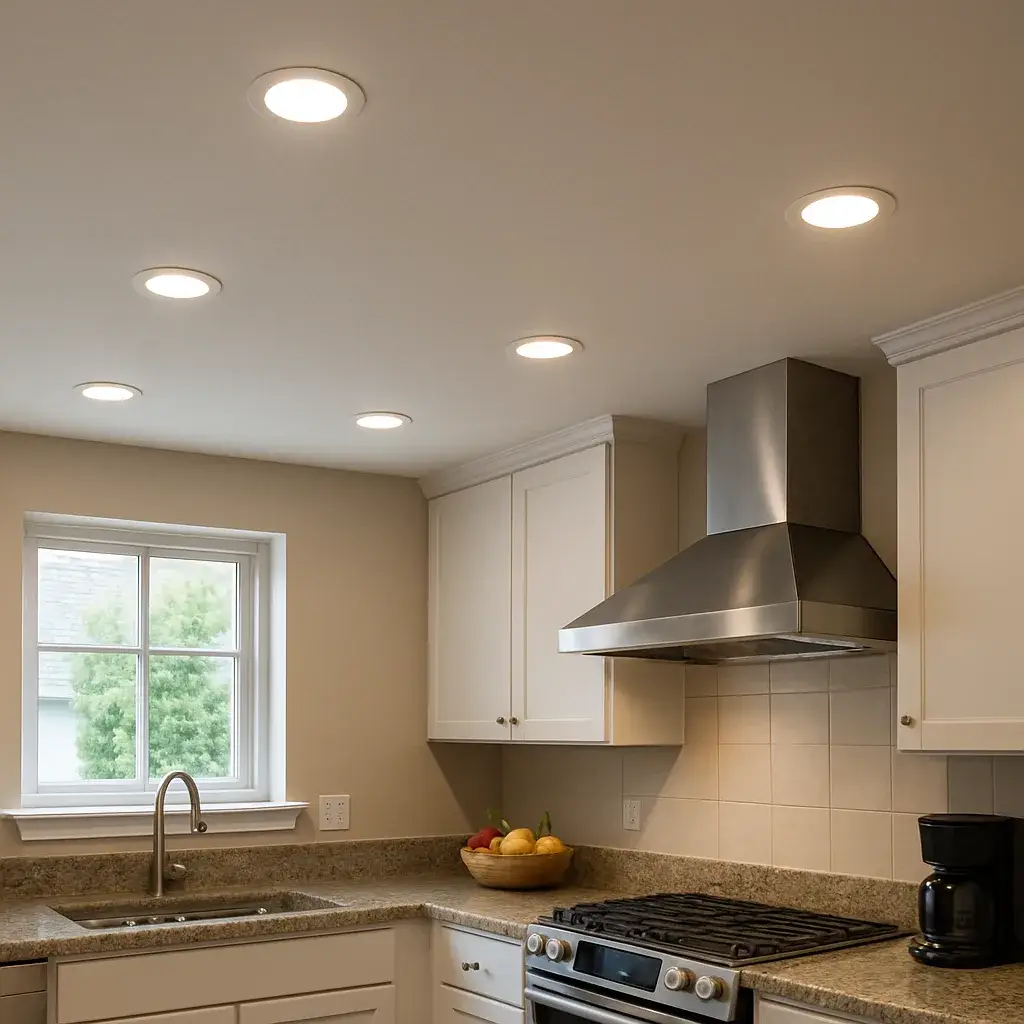
The moment a project moves beyond that scope, it stops being a simple swap. Adding new recessed can locations, increasing the total number of fixtures on a circuit, or running cable through an attic to reach a new spot all count as electrical work that falls under Texas energy code requirements and local Sunnyvale permitting rules. Attics in this area often have blown-in insulation, tight clearances near roof trusses, and aging knob-and-tube or cloth-wrapped wiring in homes built before the 1970s. Disturbing any of that without proper training risks fire hazards, insulation contact violations, and failed inspections if the home is ever sold.
- Simple swap: same housing, same location, new trim or LED module only
- Simple swap: replacing a broken baffle or lens without touching wiring
- Needs an electrician: adding new can locations anywhere in the room
- Needs an electrician: any work requiring attic access or new wire runs
- Needs an electrician: upgrading circuits, breakers, or the electrical panel
A good rule of thumb for Sunnyvale homeowners: if the project can be completed entirely from below the ceiling, without opening the attic or touching the junction box wiring, it is usually a low-risk task. If it involves anything above the ceiling line or changes to how power reaches the fixture, licensed electrical work is not optional. Being upfront about that distinction protects both your home and your budget from unnecessary surprises later.
Thinking about Recessed lighting installation? Let’s talk.
Call Today, Get Service Today. Xtreme Air Services is ready to help.
Attic Access and Insulation in Sunnyvale Homes
Sunnyvale’s housing stock tends toward larger lots and custom-built floor plans, which means ceiling framing and joist spacing can vary from one home to the next, even within the same neighborhood. Unlike production-built subdivisions where every unit shares a nearly identical truss layout, a custom home in Sunnyvale might have hip roofs, vaulted sections, or additions built at different times, each with its own joist direction and depth. This variation directly affects where recessed cans can be placed, how wiring is routed through the attic, and how much cutting or fishing is required to reach each fixture location without hitting a joist or duct run.
Because of this, an installer typically needs to physically access the attic space above the work area before finalizing a layout, rather than relying on generic spacing assumptions. That inspection reveals insulation depth, obstructions like HVAC trunks or plumbing vents, and whether the existing ceiling can support the fixture spacing the homeowner wants.
Wherever a recessed fixture will be in direct contact with attic insulation, the National Electrical Code, NFPA 70, Article 410, requires the use of an IC-rated fixture. IC-rated cans are designed and listed for direct insulation contact without the risk of overheating, while non-IC fixtures must maintain clearance from insulation to prevent a fire hazard. In many Sunnyvale attics, blown-in or batt insulation is packed tightly around framing, making it difficult to guarantee clearance for non-IC housings. This is why most installers default to IC-rated cans for retrofit work in insulated ceilings.
- Confirm IC-rated housings are used anywhere the fixture will touch or be buried in insulation
- Expect an attic walk-through before final fixture placement is confirmed
- Ask how joist spacing and roof framing in your specific home affect layout options
- Plan for possible insulation disturbance and re-settling around new fixtures
North Texas summers add a practical constraint to this attic work. Attic temperatures in Sunnyvale can climb well above outdoor readings during summer afternoons, making prolonged attic access physically demanding and, at a certain point, unsafe for extended work sessions. Reputable installers often schedule attic-heavy portions of a recessed lighting job for early morning hours in summer months, or break the work into shorter shifts to protect both the technician and the integrity of the wiring work being performed overhead.
What Happens on Installation Day
A typical recessed lighting installation in a Sunnyvale home begins well before any cutting starts. Your electrician first inspects the ceiling structure, attic access, and insulation type, since many older homes in Sunnyvale’s older established neighborhoods have blown-in insulation or tight joist spacing that affects which fixture housings can be used safely. This assessment determines whether IC-rated (insulation contact) housings are required, where joists and wiring runs are located, and whether any obstacles like ductwork or plumbing will limit fixture placement.
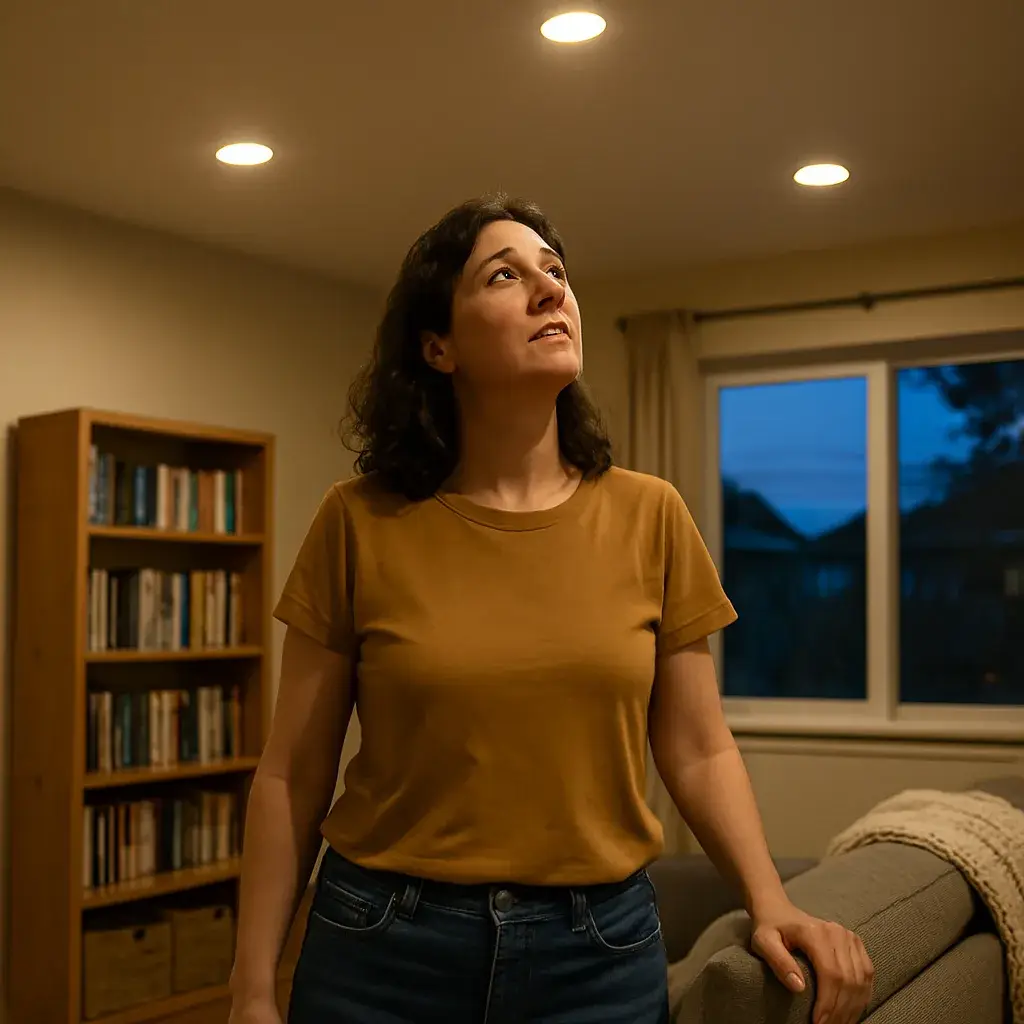
Once the layout is confirmed, you and the electrician finalize fixture selection, trim style, color temperature, and whether you want a standard switch or a dimmer. This is also when spacing gets marked on the ceiling with chalk or a template so you can approve the pattern before any holes are cut.
- Ceiling, attic, and insulation assessment to confirm housing type and safe placement
- Fixture, trim, and switch or dimmer selection based on room use and lighting goals
- Marking and cutting precise housing openings at agreed locations
- Running and securing new wiring from the attic or existing circuits to each housing
- Connecting wiring to the switch or dimmer and verifying proper circuit load
- Installing trims and bulbs, then testing every fixture for even brightness and consistent color temperature
After housings are set and wiring is run, the electrician connects everything back to the switch, checks the panel or circuit for capacity, and confirms proper grounding. Each fixture is then tested individually and as a group, checking for flicker, uneven brightness, or mismatched color temperature between cans before calling the job finished.
Frequently Asked Questions
Common questions about Recessed lighting installation
How soon can you schedule recessed lighting installation in Sunnyvale?
Most recessed lighting jobs get scheduled within a few days of your call. We ask about your ceiling type and attic access up front, so we know what tools and materials to bring. Homes with easy attic access above the room usually book faster than custom homes with vaulted ceilings or hip roofs, since those need a bit more planning before the crew shows up.
What happens when the electrician arrives at my house?
The electrician starts by checking your attic access and mapping out where each can will go. You’ll walk through the room together and talk about light placement over counters, seating areas, or work zones. Then the crew protects your floors and furniture before cutting into the ceiling. Most installs finish in a single day, though vaulted ceilings or tight attic spaces can add extra time.
Why is attic access such a big deal for recessed lighting in Sunnyvale?
Attic access controls how fast and clean your install goes. Sunnyvale has a lot of custom-built homes with hip roofs, vaulted sections, and additions from different eras, so joist spacing often varies room to room. Easy attic access above the room means less cutting and a smoother wiring run. Rooms under a second story or older additions take more planning, but they’re still doable with the right crew.
Can I just swap out my old recessed light fixture myself?
Yes, if the housing and wiring stay exactly the same. Swapping a trim, upgrading to an LED retrofit kit, or replacing a cracked baffle usually counts as a simple fixture change, not new electrical work. The moment you add a new can location or run wire through the attic, it becomes licensed electrical work under code. Knowing which side of that line your project falls on saves you a failed inspection later.
How many recessed lights do I need in a room?
It depends on the room size and what the space is used for, but spacing and joist layout matter as much as the count. Kitchens with counters and work areas often need more fixtures placed closer together than a living room going for general light. Custom Sunnyvale homes with uneven joist spacing sometimes need cans placed slightly off from a perfect grid to avoid crowding a joist or missing coverage in a corner.
Do I need a permit for recessed lighting in Sunnyvale?
Any project that adds new can locations or requires attic wiring falls under local permitting rules and Texas energy code requirements. A basic like-for-like trim or bulb swap in an existing housing usually doesn’t need one. If your project touches the junction box, adds fixtures to a circuit, or opens up the attic, pulling a permit protects you if you ever sell the home and need proof the work was done to code.
Ready to Get Started?
Call 972-288-2263 Today, Get Service Today.