


Reverse Osmosis System Installation in Sunnyvale: Clean Drinking Water, Installed Right
Reverse osmosis for drinking water that actually tastes clean, installed under the sink with a straight comparison against a simpler filter first.
What’s Covered on This Page
- Signs Your Tap Water Needs a Reverse Osmosis Fix
- RO System vs. Simple Filter: Making the Right Call
- When a Full RO System Isn’t the Right Fix
- Inside a Reverse Osmosis Installation in Sunnyvale
- What Drives Reverse Osmosis Installation Cost
- Can you install a reverse osmosis system in Sunnyvale the same day I call?
- What should I expect during a reverse osmosis installation visit?
- Does well water in Sunnyvale need reverse osmosis treatment?
- Do I still need reverse osmosis if I already have a water softener?
- Will a reverse osmosis system fix hard water problems in my whole house?
Signs Your Tap Water Needs a Reverse Osmosis Fix
Most folks call us because something about their water bugs them. It’s not usually because they read a water report. Maybe the coffee tastes flat. Maybe the ice cubes come out cloudy instead of clear. That’s usually dissolved solids. A whole-home softener won’t fully clear it out of your drinking glass.
- A chlorine or metallic taste right at the tap, even after the water sits
- Cloudy or hazy ice cubes from the fridge, a sign of high dissolved solids
- A cheap TDS meter reading much above 150, worth checking before you decide anything
- White crust building up fast on the coffee maker or kettle, faster than you’d expect from softened water alone
- Well water on lots near the Kaufman County line that’s never been tested for nitrates or minerals
We see this every week: someone’s had a softener for years and still doesn’t love the water coming out of the kitchen tap. That’s normal. A softener handles the hardness that stains fixtures. An RO system handles what you drink and cook with. If your water looks clear but tastes off, or a home inspection flagged elevated TDS, that’s your sign. It’s time to look at reverse osmosis instead of just living with it.
RO System vs. Simple Filter: Making the Right Call
A pitcher filter or a fridge filter catches chlorine taste and some sediment. Neither one touches dissolved minerals. Neither pulls out things like nitrates or lead at the tap. If your water tastes fine but leaves spots on glasses or makes your coffee taste flat, a filter alone won’t fix that. Reverse osmosis pushes water through a membrane. It’s fine enough to strip out what a carbon filter just can’t grab.
So how do you know which one you need? Ask yourself what’s bothering you. If it’s bad taste or smell from chlorine, a basic filter handles that. If it’s cloudy ice cubes, white crust on the faucet, or water that just tastes heavy, that’s mineral content. That’s an RO job.
- You want cleaner drinking and cooking water at one or two taps, not treatment for the whole house
- Your water tests fine for hardness but you still notice a metallic or chemical taste
- You’ve got a fridge line or ice maker pulling from water that still leaves deposits
- You’re on well water or a municipal supply with mineral or contaminant concerns beyond chlorine
Here’s where folks get confused: RO isn’t the same fix as a water softener. Softening handles hardness for your whole home – showers, laundry, water heater. RO is targeted; it cleans up what you drink and cook with. We see homeowners try to solve a whole-house hardness problem with an under-sink RO unit. It just wasn’t built for that job.
Not sure which camp you fall into? That’s a normal question. It’s a five-minute conversation, not a guessing game.
When a Full RO System Isn’t the Right Fix
Not every water complaint needs a full reverse osmosis system installation. If your only gripe is a faint chlorine taste, a basic pitcher filter or a simple sediment filter installation under the sink might be all you need. That’s a much smaller job. We’ll say so if that’s what your water needs.
Got white crust on your faucets, spots on glassware, or a water heater that’s showing scale buildup? That’s hard water, not a drinking-water purity problem. A water softener installation solves that at the whole-house level. RO only treats the water coming out of one faucet. It won’t touch the hardness running through your pipes, your water heater, or your washing machine.
We see this every week: someone calls asking for RO when what they really need is whole-home water filtration installation. This is especially true in older Sunnyvale homes on well water where sediment and iron are the bigger issue. A water test tells you which problem you have before anyone touches a wrench.
- Only complaint is chlorine taste or smell, not overall water quality
- Hardness and scale on fixtures, appliances, or the water heater, not a drinking-water concern
- Existing RO system just needs a filter or membrane swap, not a new install
- Well water with visible sediment or iron staining, better suited to filtration
If any of that sounds like your situation, don’t spend money on RO yet. Get the water tested first. Then decide.
Need help with Reverse osmosis system installation?
Call Today, Get Service Today. Xtreme Air Services is ready to help.
Inside a Reverse Osmosis Installation in Sunnyvale
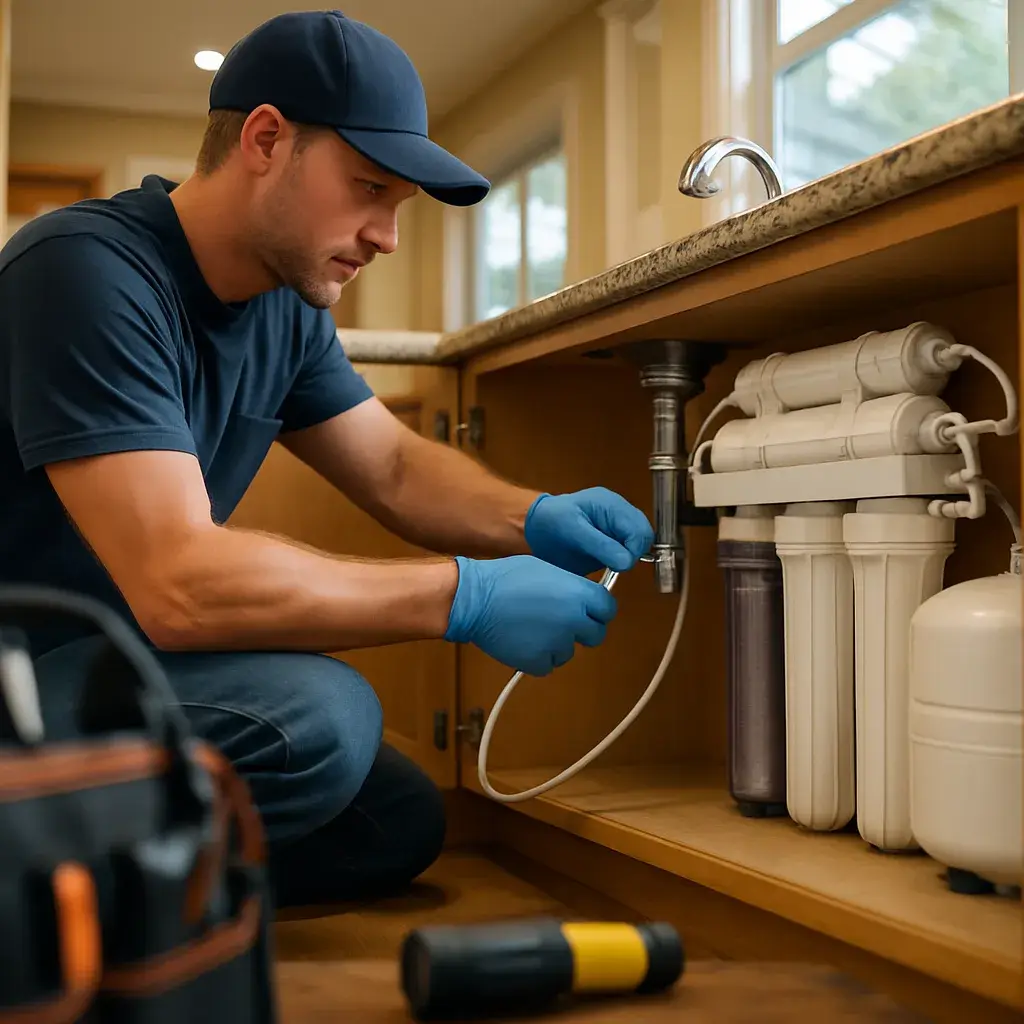
Here’s what happens when we show up. Most of the homes we work on in Sunnyvale are slab-on-grade ranch houses from the 1950s through the 1990s. We also work in some newer subdivisions off U.S. 80. That older housing stock usually means a cramped under-sink cabinet. Sometimes the shutoff valve is rusted stiff or missing entirely. We check that first, before anything else.
- We inspect the cabinet space, the cold water supply line, and the drain location under your sink.
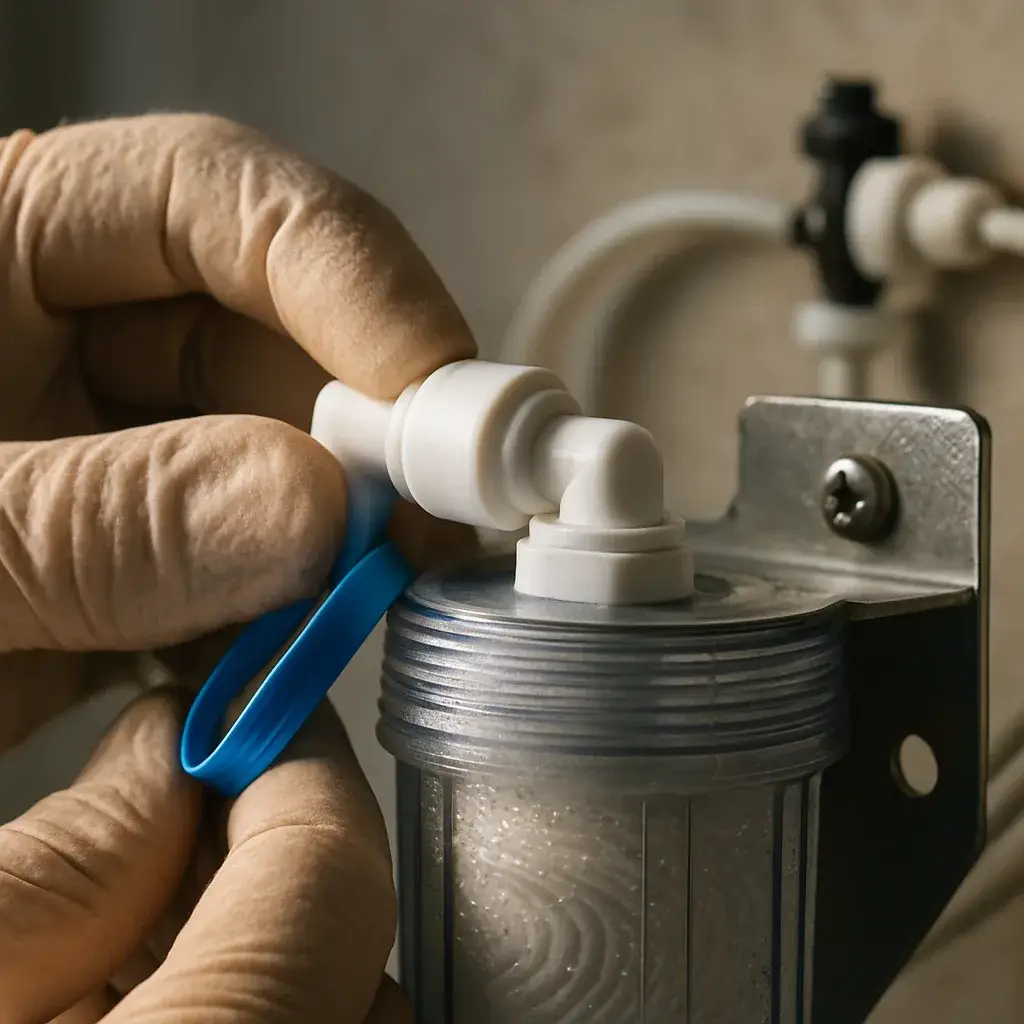
- We mount the RO membrane housing and filter stages. This is usually against the back or side wall of the cabinet.
- We tap into the cold water supply and run a line to the system.
- We connect the drain line to your sink’s drain pipe using a saddle valve or air gap fitting.
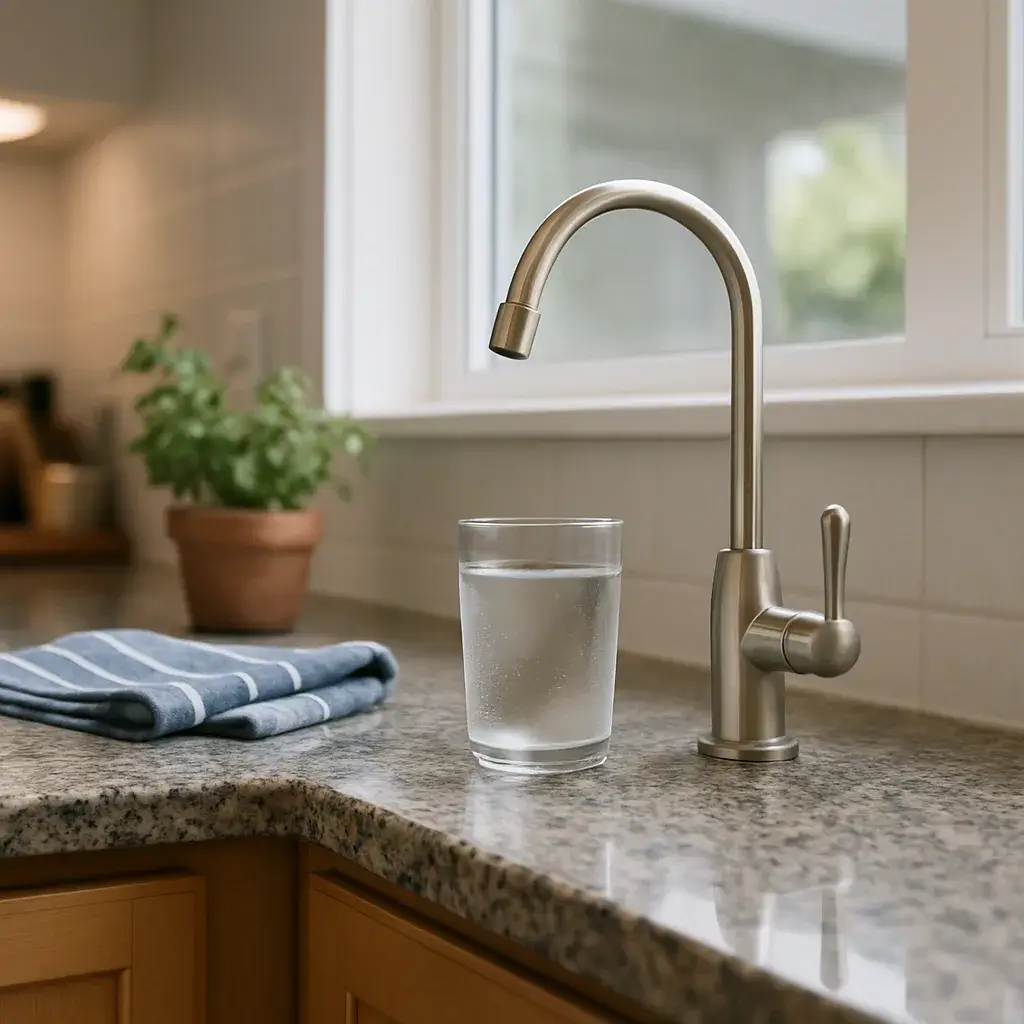
- We install the dedicated RO faucet at your countertop. We drill a hole if one isn’t already there.
- We run the system through its first fill cycle and test the water output and flow rate.
- We check every connection for leaks before we leave.
That whole sequence usually wraps up same-day. The trickiest part isn’t the plumbing. It’s finding a clean spot to drill the faucet hole without hitting stone countertop reinforcement or a garbage disposal switch underneath.
If your cabinet is tight or your drain is on the wrong side, we’ll say so up front. We’ll talk through the options before we start drilling anything.
What Drives Reverse Osmosis Installation Cost
Every RO job has the same bones: a membrane, a storage tank, a faucet, and a drain connection. What changes the total is how much extra work those bones need in your kitchen.
System stages matter first. A basic three-stage setup costs less than a five or six-stage unit. Those have extra carbon blocks or a remineralization stage. More stages mean better taste and more filtered stuff removed. It also means more parts to install and test.
- Faucet and tank style: a standard chrome faucet versus a designer finish, or a slim tank versus a standard one
- Condition of your existing plumbing under the sink: old shutoff valves sometimes need replacing before the RO line can tie in
- Drain access: some sinks have easy garbage disposal tie-in points, others need a new saddle valve drilled into the drain pipe
- Supply line access: tight cabinets or double sinks can add time
- Added remineralization: a stage some homeowners want back after RO strips minerals out
Homes built in the 1960s through 1980s around Sunnyvale often have older shutoff valves under the kitchen sink. They just don’t hold up once you add a new connection point. We see this a lot: a fitting looks fine until you touch it, then it won’t seal back up. That’s not a sales tactic; it’s just old rubber and old brass doing what they do.
Newer subdivisions built in the last fifteen years or so usually have easier access, PEX lines, modern shutoffs, and enough cabinet room to work fast.
Before you hire anyone, ask what’s included in the quoted price. Ask whether a dedicated line is needed. Ask whether your drain setup will need modification. Those three questions tell you almost everything about where your job lands on the price range.
Frequently Asked Questions
Common questions about Reverse osmosis system installation
Can you install a reverse osmosis system in Sunnyvale the same day I call?
Yes, most reverse osmosis installations in Sunnyvale finish the same day you call, six days a week. We check your cabinet space, supply line, and drain location first, then mount the system, run the lines, and test the output before we leave. Older slab homes off U.S. 80 sometimes have tight under-sink cabinets or a stuck shutoff valve, which can add a little time. Even then, most jobs wrap up in one visit.
What should I expect during a reverse osmosis installation visit?
You can expect a technician to inspect your cabinet, connect the system to your cold water line, and test everything before leaving. We mount the membrane housing, tap into the supply line, connect the drain, and install a dedicated faucet at your counter, drilling a hole if one isn’t already there. The visit ends with a leak check and a flow test, so you know your water is working right before we’re done.
Does well water in Sunnyvale need reverse osmosis treatment?
Many homes on the Kaufman County side of Sunnyvale rely on well water that’s never been tested for nitrates or minerals, and that’s often where reverse osmosis makes the biggest difference. Well water can carry sediment, iron, or dissolved minerals that show up as cloudy ice cubes or a heavy taste. A TDS reading above 150 is a good sign it’s worth a closer look. Testing your water first tells you whether RO or a different filtration approach fits your home.
Do I still need reverse osmosis if I already have a water softener?
Yes, a softener and a reverse osmosis system solve different problems. Softening handles hardness for your whole home, protecting fixtures, your water heater, and laundry. RO targets the water you drink and cook with, removing dissolved solids a softener leaves behind. If your ice cubes look cloudy or your coffee tastes flat even with softened water, that’s a sign you need RO too, not instead of the softener.
Will a reverse osmosis system fix hard water problems in my whole house?
No, a reverse osmosis system only treats water at the tap it’s connected to, not your whole house. It won’t stop scale on your water heater or spots on your shower glass. Whole-home hardness needs a water softener installation instead. RO is the right call when your complaint is about taste, cloudy ice, or what’s in the water you drink and cook with, not the hardness running through your pipes.
Ready to Get Started?
Call 972-288-2263 Today, Get Service Today.