


Rooter Service in Sunnyvale: Clear a Clogged Drain Fast
Fast mechanical clearing for stubborn main-line and branch-line stoppages, with the cause identified so it does not come straight back.
What’s Covered on This Page
- Signs You Need Rooter Service, Not a Plunger
- Sunnyvale’s Clay Soil and Long Lot Lines Raise Root-Intrusion Risk
- Rooter Service vs. Hydro Jetting: Picking the Right Fix
- When a Simple Clear Isn’t the Answer
- What to Expect During a Rooter Service Visit
- How fast can you get a rooter technician to my Sunnyvale home?
- What happens when the plumber arrives for a rooter service call?
- Why do Sunnyvale homes get more root intrusion in sewer lines?
- How is rooter service different from hydro jetting?
- How do I know if I need rooter service instead of just plunging?
- Will rooter service stop my drain from clogging again?
Signs You Need Rooter Service, Not a Plunger
A plunger moves water and air to push a clog out of a single trap. That works well for a toilet or sink. If you’ve plunged twice without a change, the problem probably isn’t in the fixture. It’s past the trap in a section of pipe the plunger can’t reach.
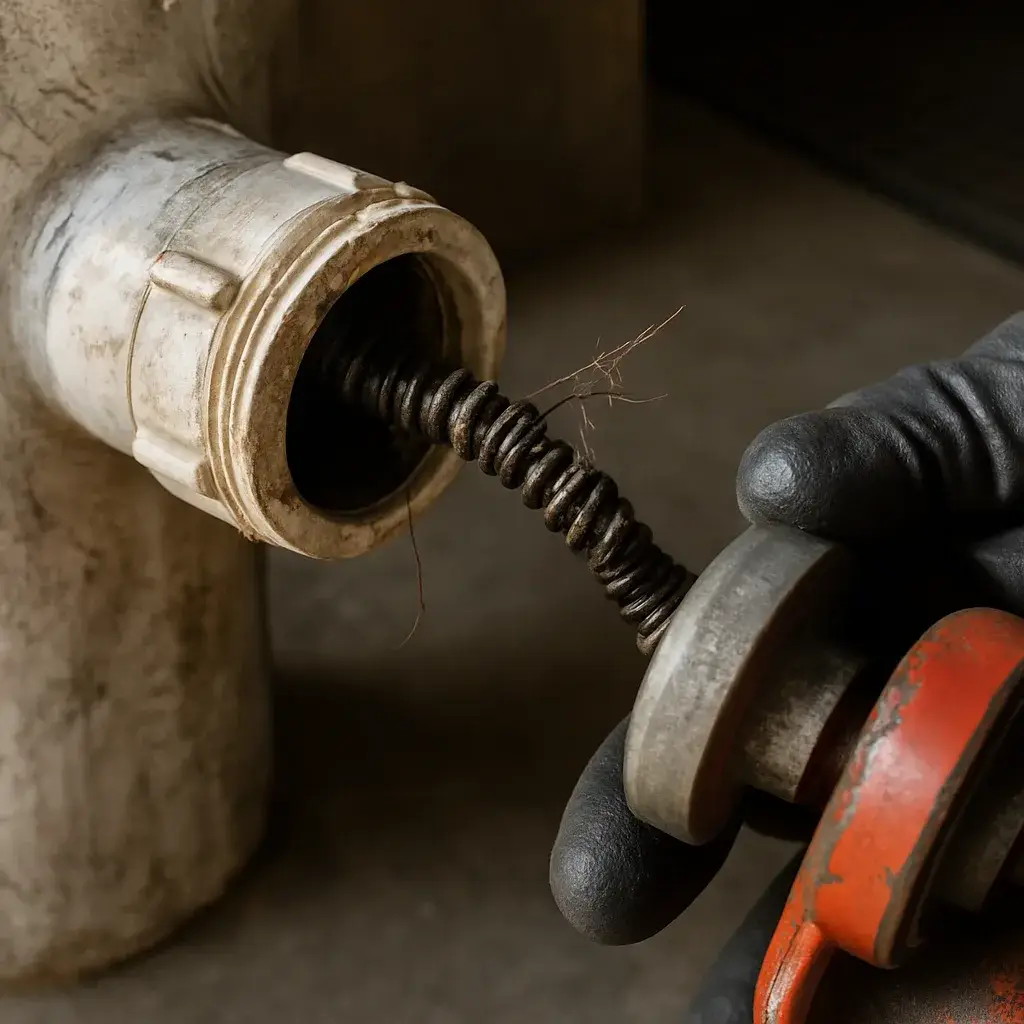
We see this every week. Someone calls about a slow kitchen sink, but the clog turns out to be 20 feet down the line near the cleanout.
- More than one drain is slow or backed up at the same time
- The toilet gurgles when you run the washing machine or dishwasher
- Water backs up into the tub when you flush
- A sewage smell hangs around a drain even after you clean it
- The clog comes back within days of clearing it yourself
One backed-up drain is often a plunger job. When every drain backs up, you probably need rooter service. Sunnyvale lots tend to be larger than lots closer to Dallas. That leaves longer sewer runs between the house and street. Roots and debris have more room to build up before you notice slow drainage.
That slow drain isn’t just annoying. It can warn you that your main line is losing capacity.
Sunnyvale’s Clay Soil and Long Lot Lines Raise Root-Intrusion Risk
Sunnyvale sits on heavy clay soil. The clay shrinks and cracks during dry summer stretches, then swells when rain returns. That movement puts pressure on sewer lines beneath your yard. Older cast-iron and clay pipe joints don’t handle shifting well, so small gaps can open over time. Tree roots quickly find those gaps because they’re drawn to the moisture and nutrients inside the sewer line.
Many homes here sit on longer lots than homes in tighter subdivisions. That means more underground pipe between your house and the city main. It also gives roots more places to get in. We’ve pulled two- and three-foot root balls from lines during a single service call. That’s a common problem here.
Root intrusion doesn’t always cause a total blockage right away. You may first notice slow drainage in one bathroom. Later, the tub may gurgle when the washer drains. Then one day, nothing drains at all.
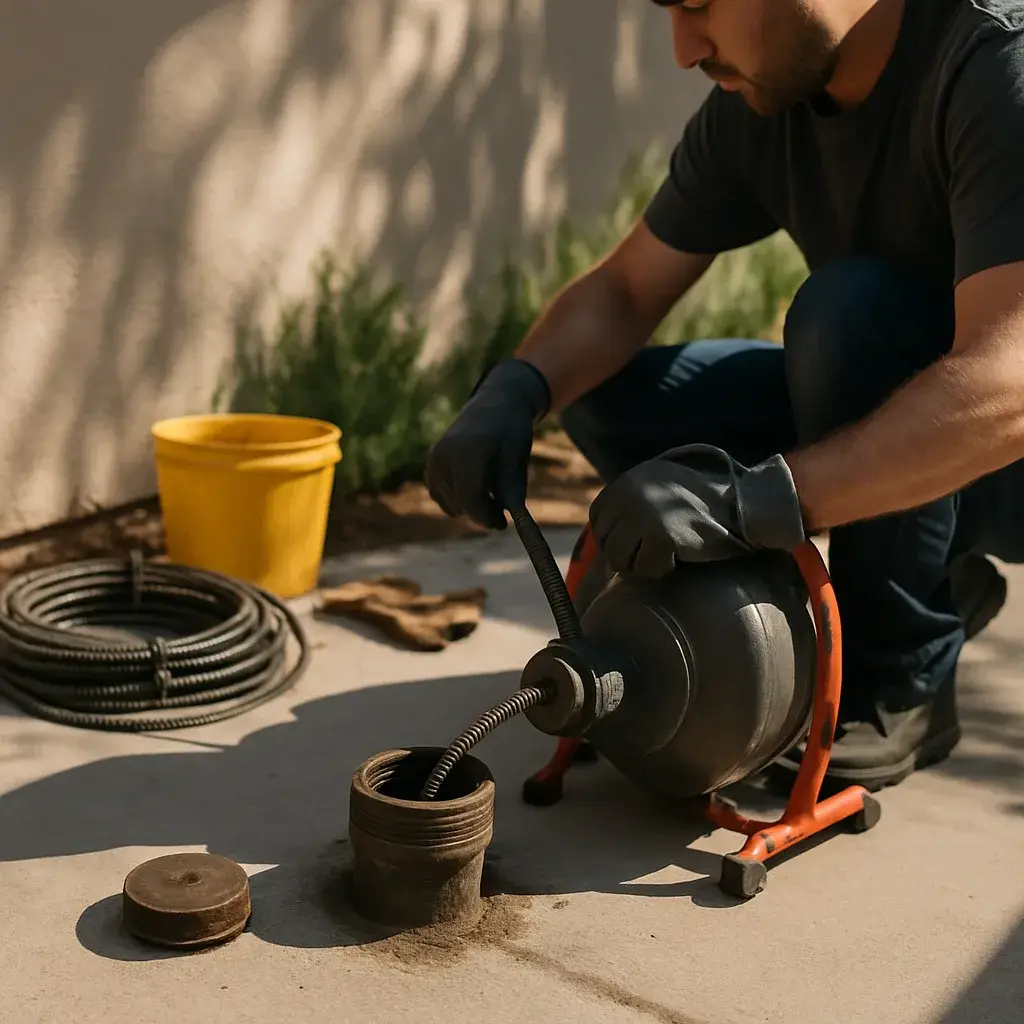
That’s why a rooter is the right tool for this job. It physically cuts through the blockage and clears a path so water can flow again during the same visit. If mature trees grow near your cleanout, roots are worth ruling out. The same goes for a line running through an older section of pipe. Don’t assume the problem is only soap buildup.
Rooter Service vs. Hydro Jetting: Picking the Right Fix
Most clogs don’t need a fire hose. Rooter service uses a motorized cable and cutting head to break through the blockage and clear a path. It’s a fast, mechanical method. For one clog in a kitchen or bathroom line, it’s usually all you need.
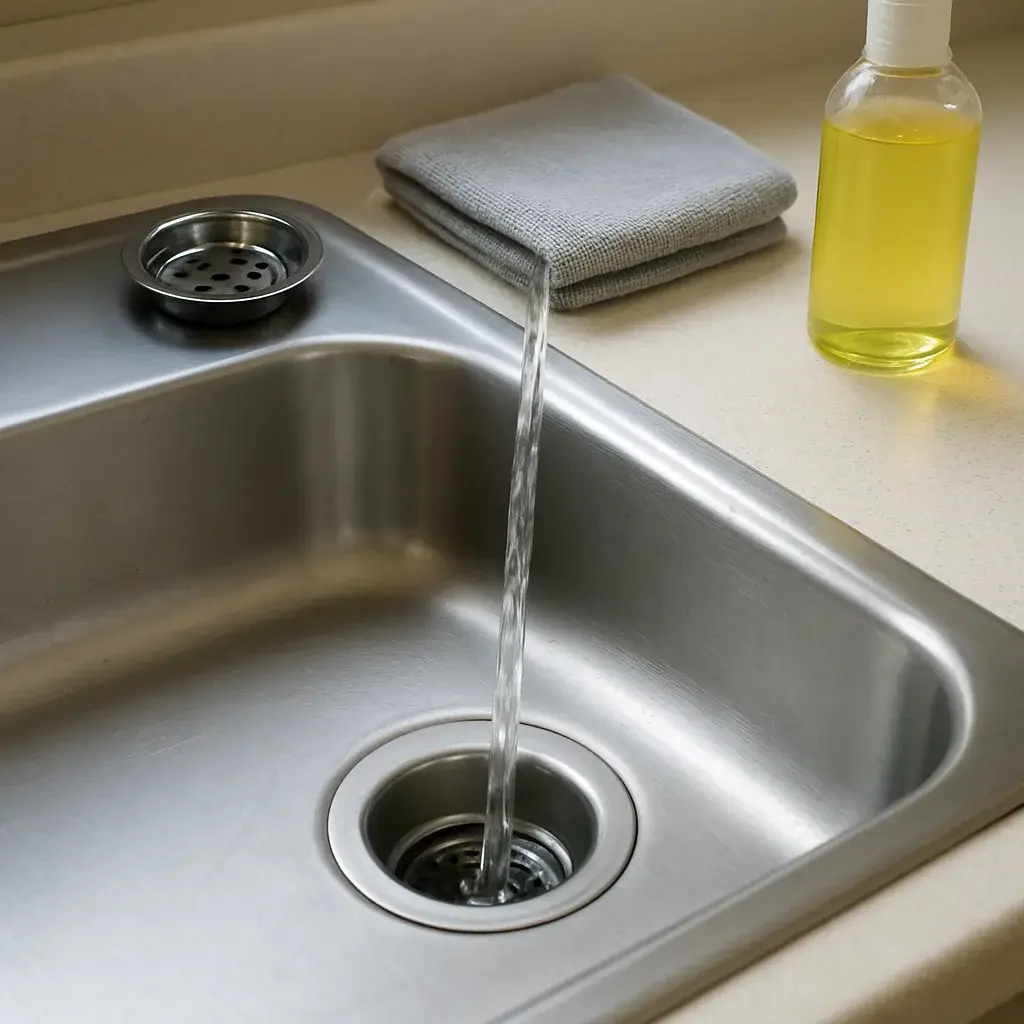
Hydro jetting works differently. It blasts high-pressure water through the pipe and scours the walls clean instead of opening one hole through the clog. Jetting may be better for heavy grease in an older Sunnyvale kitchen line. It can also clear roots growing into a clay sewer pipe.
- A one-time clog after normal drainage is usually a rooter job.
- For clogs returning every few months in the same spot, ask about hydro jetting.
- Grease-heavy kitchen lines often respond better to hydro jetting than cabling.
- Root intrusion near mature trees may need hydro jetting to clear the pipe walls, not just open a channel.
Rooter service clears the immediate blockage and confirms that water flows freely. It doesn’t remove roots for good or repair a cracked pipe. If your line needs more work, our licensed plumbers will tell you before they run the cable.
You usually don’t have to know which method you need before calling. We’ll start with rooter service when it’s the simpler fix. If the clog returns or the line is coated with grease or roots, we’ll discuss hydro jetting or a camera inspection. You can review those options before we do anything else.
Ready when you are – get in touch today.
Call Today, Get Service Today. Xtreme Air Services is ready to help.
When a Simple Clear Isn’t the Answer
A rooter clears whatever is stopping the water right now. It doesn’t always tell you why the clog formed.
Often, one pass with the auger gets the line running again. If the clog comes back within a few weeks, you’re dealing with a different problem.
- The same drain clogs again within a month or two
- The auger pulls back roots instead of ordinary buildup
- More than one fixture backs up at the same time
- You hear a toilet gurgle when the washing machine drains
- Water backs up more slowly each time
Some older Sunnyvale homes still have clay or cast-iron sewer lines. Roots find small cracks in aging joints and keep growing once they get inside.
A rooter cuts through that root mass for the moment, but it doesn’t repair the crack that allowed the roots inside.
That’s when a camera inspection can help. It isn’t included in a standard rooter call and is quoted separately because it’s a different job. The camera finds problems inside the pipe instead of only clearing the blockage.
If your line keeps backing up, don’t keep paying for the same auger service every few months. Ask for a look inside the pipe first.
What to Expect During a Rooter Service Visit
You call, we show up, and then what happens? Here’s how a typical rooter visit goes after our technician arrives at your door.
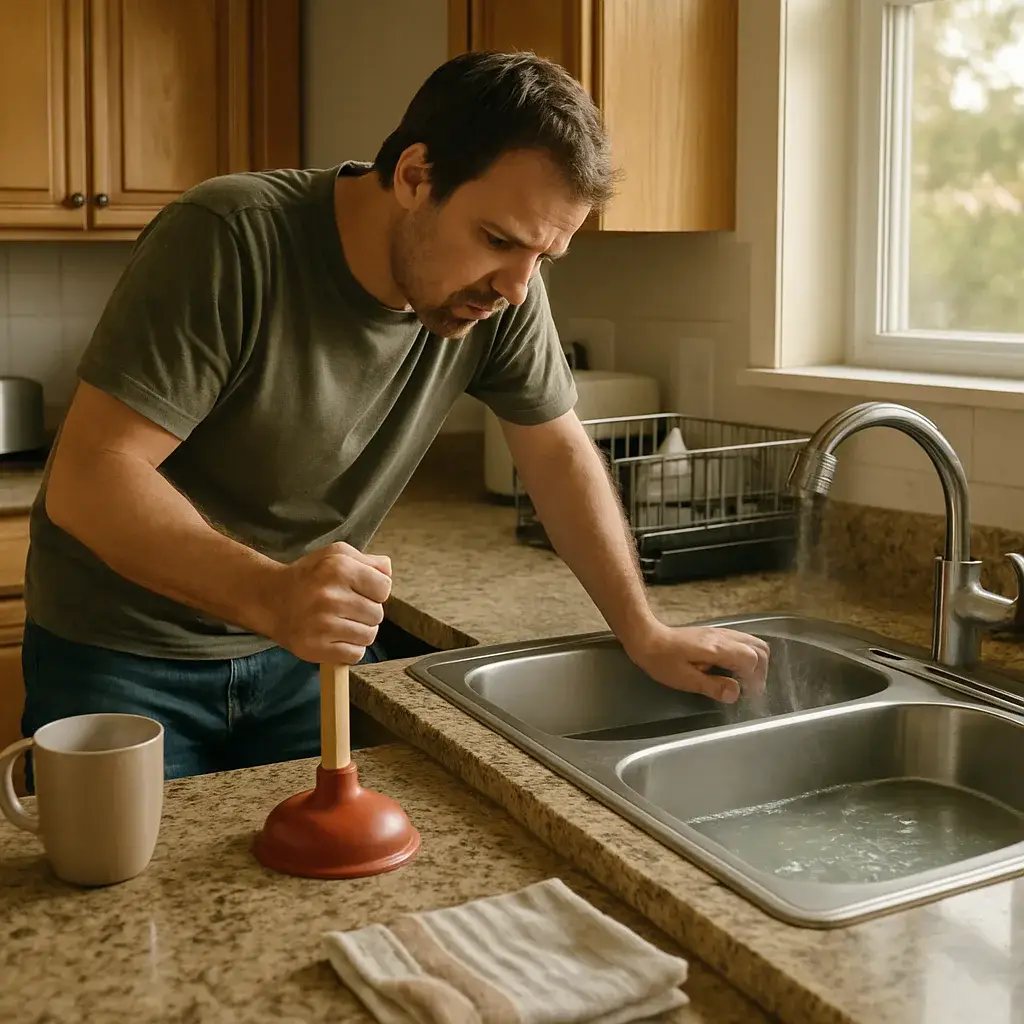
- We ask what’s backing up. A slow bathroom sink points to a different problem than a gurgling toilet or sewage smell in the yard.
- We find the cleanout. Some Sunnyvale homes have one beside the foundation, while others have one buried beneath years of landscaping. Its location affects how quickly the work goes.
- We run the rooter through the line. The cable spins and cuts through the clog, clearing a path for water to flow again.
- We test the flow. We run water, watch it drain, and check that the clog is gone instead of pushed farther down the pipe.
- We clean up. You won’t find a mess left behind or tools sitting on your lawn.
For many calls, that’s the whole visit: one clog, one cable, and one clear line. Some Sunnyvale properties sit on expansive clay soil common across North Texas. Ground movement can strain older sewer lines over time. If flow testing reveals signs of that strain, your technician will explain them before doing more work.
You’ll know what happened and why.
Frequently Asked Questions
Common questions about Rooter service
How fast can you get a rooter technician to my Sunnyvale home?
We schedule most rooter calls the same day you call. Backed-up drains get worse fast, especially in Sunnyvale homes with longer sewer runs between the house and the street. When you call, tell us how many drains are affected and if you smell sewage in the yard. That helps us plan the visit and bring the right cable length for your line.
What happens when the plumber arrives for a rooter service call?
First, we ask what’s backing up and find your cleanout. Some Sunnyvale homes have a cleanout beside the foundation, while others have one buried under landscaping, so locating it takes a few minutes. Next, we run the rooter cable through the line to cut through the clog. Then we run water and watch it drain before we leave, so you know the line is clear.
Why do Sunnyvale homes get more root intrusion in sewer lines?
Sunnyvale’s heavy clay soil shrinks in summer and swells when it rains, and that movement cracks joints in older cast-iron and clay pipe. Roots follow the moisture inside those cracks and grow into the line. Longer lot lines here also mean more buried pipe between your house and the main, giving roots more chances to get in. We’ve pulled root balls two to three feet long from lines in a single visit.
How is rooter service different from hydro jetting?
Rooter service uses a spinning cable to cut a path through a clog, while hydro jetting blasts high-pressure water to scour the whole pipe wall. A one-time clog usually only needs rooter service. If the same drain clogs every few months, or your kitchen line has years of grease buildup, hydro jetting clears more of the pipe instead of just opening a channel. We can talk through which one fits your situation before starting work.
How do I know if I need rooter service instead of just plunging?
If plunging twice hasn’t changed anything, the clog is likely past the trap where a plunger can’t reach. Watch for a toilet that gurgles when the washer drains, water backing into the tub when you flush, or more than one slow drain at once. Any of those point to a blockage farther down the line. That’s when a mechanical auger, not a plunger, gets water moving again.
Will rooter service stop my drain from clogging again?
Rooter service clears the blockage that’s stopping water right now, but it doesn’t fix why the clog formed. If the auger pulls back roots, or the same drain backs up again within a month, the line likely has a crack or root problem that needs a closer look. A camera inspection can show what’s happening inside the pipe so you’re not paying for the same clearing service over and over.
Ready to Get Started?
Call 972-288-2263 Today, Get Service Today.