


Sewer Cleaning in Sunnyvale That Clears Clogs Fast and Confirms the Fix
Buildup, grease, and root growth cleared out of the main line before it turns into a backup at the lowest drain in the house.
What’s Covered on This Page
- Signs Your Main Sewer Line Needs Professional Cleaning
- When a Slow Drain Doesn’t Mean You Need Sewer Cleaning
- What Happens During a Sewer Cleaning Visit
- What Drives Sewer Cleaning Costs
- Preventing Repeat Backups in Sunnyvale’s Clay Soil
- How fast can you schedule sewer cleaning in Sunnyvale?
- What happens when your technician arrives for a sewer cleaning appointment?
- Why do so many Sunnyvale homes have recurring sewer clogs?
- How can I tell if I need sewer cleaning instead of just clearing one drain?
- Does heavy rain in Sunnyvale make sewer backups worse?
- How often should I have my sewer line cleaned to prevent backups?
Signs Your Main Sewer Line Needs Professional Cleaning
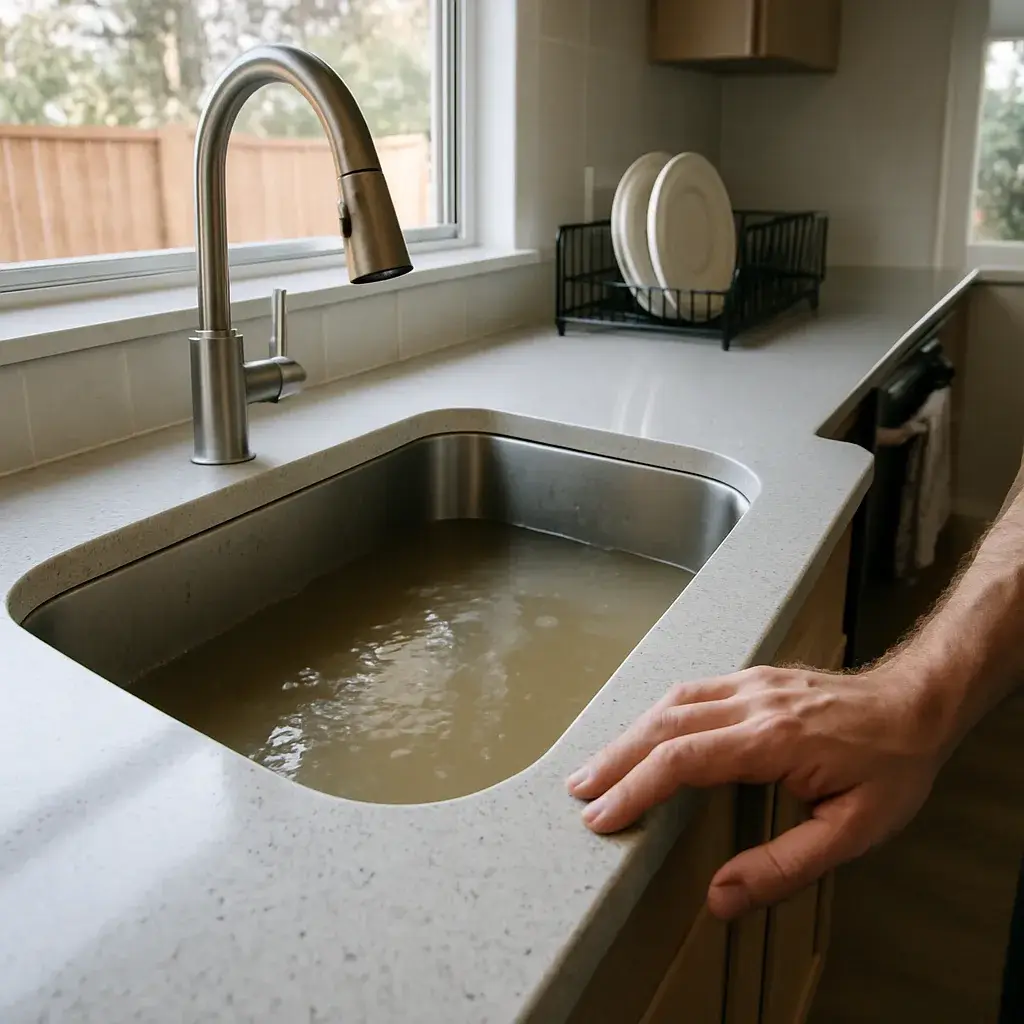
Your main sewer line carries wastewater from every fixture to the municipal system. When the line develops a blockage or partial collapse, symptoms rarely stay in one area. If your sink, bathtub, and toilet start draining slowly together, the shared main line is a likely cause. An individual fixture trap usually affects only that fixture.
- Multiple fixtures back up together, especially when using water in one area makes another drain gurgle or overflow
- Toilets or floor drains gurgle after you run the washing machine or dishwasher, signaling trapped air from a restricted line
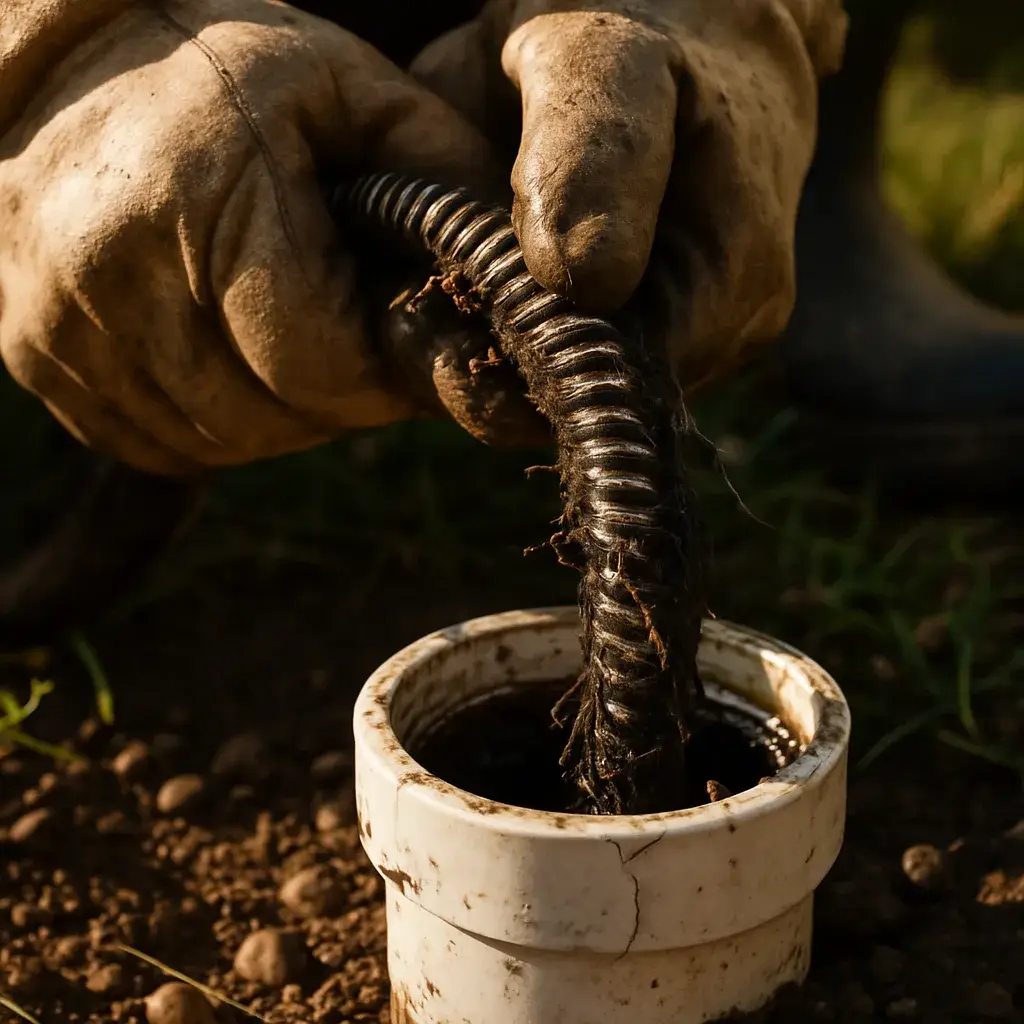
- A persistent sewage odor appears near the exterior cleanout or in the yard, often pointing to a crack, root intrusion, or partial blockage
- Backups return after heavy rain, suggesting groundwater infiltration or soil movement is affecting the pipe
Local weather makes that last sign especially relevant for Sunnyvale homeowners. According to NOAA climate normals, the Dallas-Fort Worth area gets its heaviest rainfall in spring. Seasonal saturation raises groundwater levels and shifts the clay-heavy soil common across the region. That movement can strain aging or damaged sewer lines. Pipes with small cracks or root intrusion may fail more noticeably during and after spring storms. Backups that cluster from March through May often reveal an existing line problem rather than one caused by the storms.
Ignoring these signs lets grease buildup, root intrusion, or a bellied pipe section worsen. Eventually, the problem may cause a full backup inside your home. A sewer camera inspection can identify the cause and its location before cleaning begins. Your technician can then use the right method instead of guessing.
When a Slow Drain Doesn’t Mean You Need Sewer Cleaning
Not every sluggish drain in a Sunnyvale home signals a failing sewer main. Older properties may have galvanized or cast-iron branch lines that collect buildup over time. A single slow bathroom sink or tub often has hair, soap scum, or mineral deposits in its trap or trap arm. Before scheduling a full sewer cleaning, run the same quick check a plumber would use.
The rule is simple: count the affected fixtures. If only one sink, shower, or tub drains slowly, the clog is usually in that fixture’s drain line. That is especially likely when everything else works normally. A main line blockage behaves differently and tends to affect several fixtures together. The lowest fixtures in your home may back up first. For example, a downstairs shower may back up when you run the washing machine or flush an upstairs toilet.
- One slow fixture with no odor or gurgling elsewhere: likely a local clog in that drain line or trap
- Multiple fixtures draining slowly or backing up together: likely a main line problem that needs professional sewer cleaning
- A toilet bubbles when the washing machine drains: a strong sign of a shared main line restriction
- Sewage odor near a floor drain or cleanout: often a main line problem, even if only one fixture is visibly slow
For one slow fixture without a foul smell or other symptoms, start with simple tools. A standard plunger can clear many sink and tub clogs caused by hair or soap residue. Put enough water in the basin to form a seal and try it several times. If that fails, feed a hand auger, or drain snake, into the drain. It can break up or pull out the clog. These inexpensive tools are available at most hardware stores and resolve many single-fixture slowdowns. You usually will not need hydro jetting or main line sewer cleaning equipment.
If both methods fail and the fixture slows down every few weeks, the branch line may have a deeper problem. At that point, a professional inspection is worthwhile even without symptoms in several fixtures.
What Happens During a Sewer Cleaning Visit
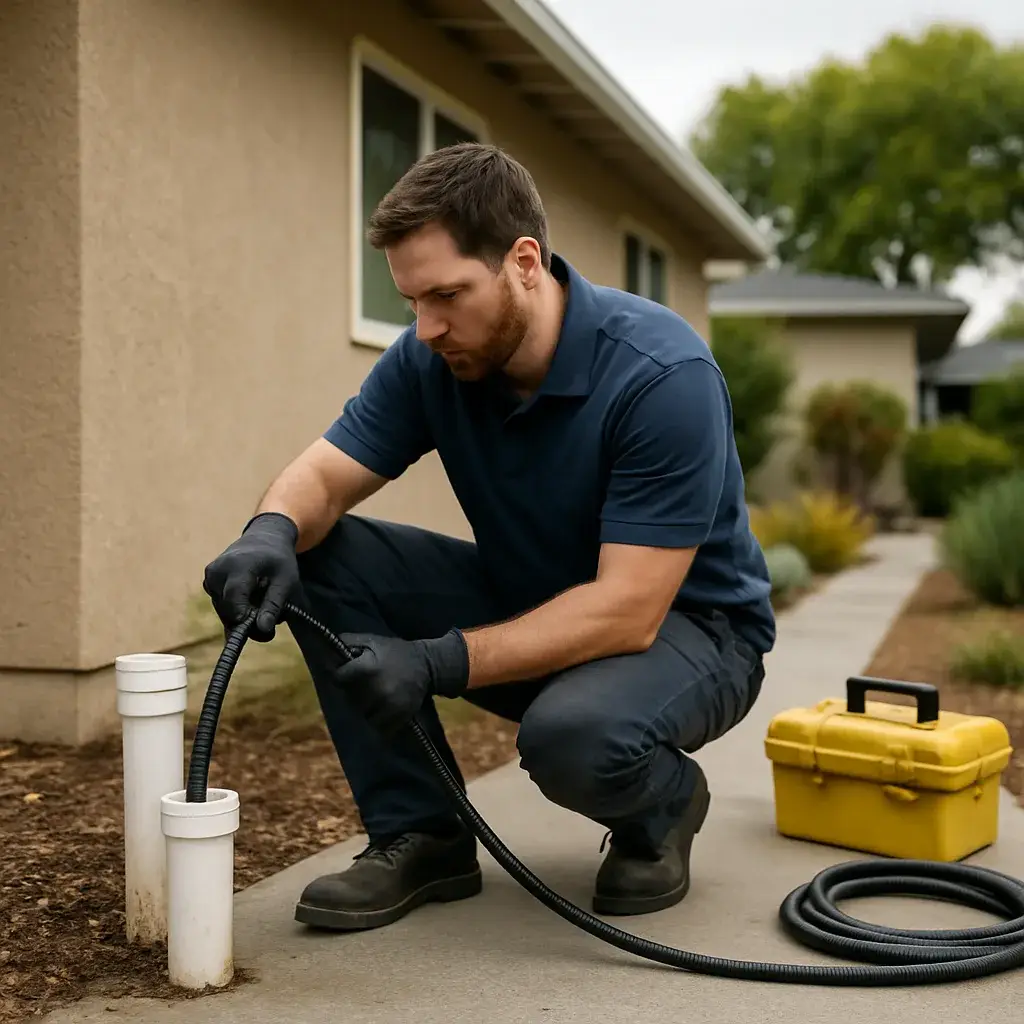
What happens once we’re at your door? The job is less messy than many homeowners expect. We find the cleanout, run a cable through the line, and clear the material slowing your drains. Here is how the visit usually goes.
- We ask about slow drains, gurgling toilets, or water backing up in a tub. Your answers give the technician a starting point.
- We find the cleanout, the capped pipe near your foundation or in your yard. Then we connect the cleaning cable.
- We run the cable through the line and break up grease, roots, and buildup until water moves freely again.
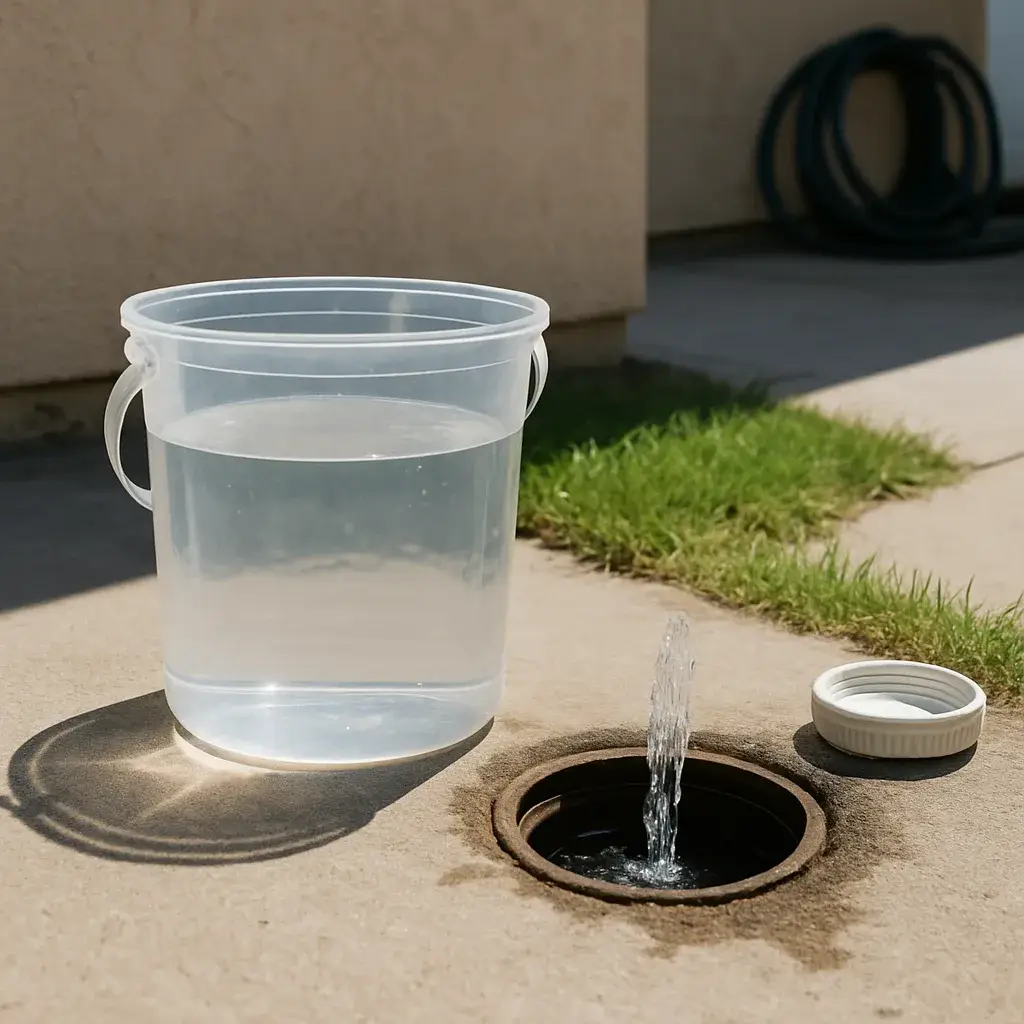
- We run water and test the flow. We also check for backups or gurgling to confirm that the line is clear.
- We clean the work area and explain what we found, why it happened, and what you can do next.
Many Sunnyvale homes still have older cast-iron sewer lines. Cast iron develops scale inside faster than newer PVC, so clogs may return to the same home every few years. Many straightforward cleaning visits wrap up in under an hour.
Our team is licensed and insured, so the person working on your sewer line has accountability behind the job.
Not sure what your Sewer cleaning project needs? Ask us.
Call Today, Get Service Today. Xtreme Air Services is ready to help.
What Drives Sewer Cleaning Costs
Straightforward sewer cleaning jobs in Sunnyvale typically use flat-rate pricing. Jobs that require an on-site review of the severity may use an estimate instead. The final price depends on the clog’s distance from the cleanout and the line’s diameter. Cleanout access and the time of the service call also affect pricing. Our cost guide explains what different scenarios may cost before you schedule a visit.
- Line length and diameter: longer or wider main lines require more cable, more time, and sometimes hydro-jetting equipment.
- Cleanout access: an easily reached cleanout keeps labor down, while a buried or missing cleanout adds locating time.
- Blockage severity: grease usually clears faster than tree roots, a common issue around mature trees.
- Pipe material and age: homes built before the 1970s often have clay or Orangeburg pipe that is more prone to cracks and root entry.
- Timing: after-hours and emergency calls are dispatched like daytime calls, with no rate increase.
Based on completed jobs, sewer cleaning typically costs $200 to $700. Most calls fall between $200 and $425. That range covers most single-line clogs and routine cleaning in Sunnyvale single-family homes and townhomes. Full main-line clearing, root cutting, and hydro jetting are usually toward the higher end.
A service-call fee of $26 to $99 applies when you schedule a technician. If you approve the repair, that fee is credited toward the final cost, so you do not pay twice. There is no added charge for nights or weekends. That helps when a sewer backup appears after hours during heavy household use. Financing is not typically available for jobs of this size because most sewer cleaning costs fall below payment-plan thresholds. Customers usually pay the invoiced amount after the work is complete.
Preventing Repeat Backups in Sunnyvale’s Clay Soil
Sunnyvale sits on heavy clay soil that shifts through the seasons. It swells when it rains and shrinks during dry Texas summers. That repeated movement strains older sewer lines, especially clay and cast-iron pipes under established homes.
As the ground moves, pipes can flex and small gaps may open at the joints. Tree roots quickly find those gaps. Grease and paper collect around the roots over time, narrowing the line further.
Repeat backup calls within six months are more common than you might expect. Often, the line was cleaned once but never inspected or maintained afterward.
- Watch for slow drains in more than one fixture. That usually points to the main line instead of one drain.
- Keep grease out of your kitchen drain. Even small amounts build up in a line that is already shifting.
- Watch mature trees near your cleanout. Their roots can enter small gaps and cause repeat backups.
- Ask about a camera inspection when backups return. It can show the location and condition of the affected line.
- Have the line cleaned on a schedule rather than waiting for another backup.
Not sure whether your home is due? If more than a year has passed and you have noticed a slow drain, consider having the line checked. Our licensed and insured team handles sewer cleaning calls across Sunnyvale. Getting ahead of a blockage is less trouble than dealing with a backed-up line on Saturday night.
Frequently Asked Questions
Common questions about Sewer cleaning
How fast can you schedule sewer cleaning in Sunnyvale?
We can usually get to your home within a day or two of your call. Sewage backups and multiple slow drains are treated as priority calls, so we move those to the top of the schedule. If you notice gurgling toilets or a bad smell near your cleanout, call right away instead of waiting. Fast scheduling helps stop a small blockage from turning into a full backup inside your home.
What happens when your technician arrives for a sewer cleaning appointment?
Your technician starts by asking about your slow drains and any gurgling or odors you’ve noticed. Next, we find your sewer cleanout, usually a capped pipe near your foundation or in your yard, and connect our cleaning cable. We run the cable through the line to break up grease, roots, or buildup, then test the drains to confirm water flows freely again. Most straightforward visits take under an hour, and we clean up before we leave.
Why do so many Sunnyvale homes have recurring sewer clogs?
Many Sunnyvale homes still have older cast-iron sewer lines, and cast iron builds up scale faster than newer PVC pipe. That means a line can clog again every few years even after a good cleaning. Clay-heavy soil in the area also shifts during wet weather, which can stress older or already-damaged pipes. If your drains slow down on a regular schedule, a camera inspection can show whether scale buildup or a bigger pipe problem is the cause.
How can I tell if I need sewer cleaning instead of just clearing one drain?
Count how many fixtures are affected in your home. If only one sink or tub drains slowly, the clog is likely in that fixture’s own line, and a plunger or hand auger will usually fix it. If several drains back up together, or a toilet bubbles when the washing machine runs, your main sewer line probably needs professional cleaning. Sewage odor near your cleanout or yard is another sign the main line is involved, even if just one fixture seems slow.
Does heavy rain in Sunnyvale make sewer backups worse?
Yes, heavy rain can worsen an existing sewer line problem in Sunnyvale. Saturated soil raises groundwater levels and shifts clay-heavy ground around older pipes, which puts extra strain on cracks or root intrusion that are already there. Backups that show up again and again during wet months usually point to a line issue rather than a problem the rain itself caused. Catching these signs early can help you avoid a backup inside your home during the next storm.
How often should I have my sewer line cleaned to prevent backups?
Most homes do well with a cleaning every one to two years, though homes with older cast-iron lines or mature trees nearby may need it more often. Regular cleaning removes grease and root growth before they cause a full blockage. If your drains have slowed down more than once in a year, it’s worth scheduling a cleaning sooner rather than waiting for a backup. A quick camera check can also tell you how soon you’ll need service again.
Ready to Get Started?
Call 972-288-2263 Today, Get Service Today.