


Surge Protection Installation in Sunnyvale: Stop Storms and Grid Spikes From Frying Your Electronics
Layered surge protection at the panel and at the outlet, sized for the equipment you actually care about, with the grounding path verified first.
What’s Covered on This Page
- Signs Your Home Needs Surge Protection Now
- Whole-Panel vs. Point-of-Use Surge Protection: Choosing the Right Fit
- When a Power Strip Is Enough (And When It Isn’t)
- What Happens During a Surge Protector Installation Visit
- Pairing Surge Protection With Generator and Panel Work in Sunnyvale
- How fast can you get someone out to install surge protection in Sunnyvale?
- What happens when the technician arrives for a surge protection installation?
- Why does Sunnyvale need surge protection more than newer subdivisions?
- Do I need whole-panel surge protection or is a power strip enough?
- How can I tell if a past power surge already damaged my appliances?
Signs Your Home Needs Surge Protection Now
Here’s the thing about surge damage, it rarely announces itself. Your fridge doesn’t die the day lightning hits a transformer down the street. It dies three weeks later and nobody connects the dots. We see this every single week on service calls, a customer swears their new dishwasher is defective, and it turns out a spike fried the control board months back.
- Lights flicker or dim when the AC or a big appliance kicks on
- Breakers trip more than usual, especially during Sunnyvale’s spring storm season
- Electronics or appliances fail one after another over a few months, no clear cause
- You’ve added a home office, gaming setup, or smart home gear since the panel was last checked
- Your panel is original to a home built before the newer subdivisions went in around town
Out here, a lot of homes still run on the same feeder lines that have served Sunnyvale for decades. That’s not a bad thing, but it does mean voltage swings from storms or grid switching reach your panel more often than in newer, tighter grid areas. If two or three of those signs sound familiar, don’t wait for the next thunderstorm to find out the hard way.
Whole-Panel vs. Point-of-Use Surge Protection: Choosing the Right Fit
So which one do you need? Depends on what you’re protecting. A whole-panel surge protector mounts right at your electrical panel and guards everything in the house at once, the fridge, the AC unit, the smart thermostat, all of it. A point-of-use protector is smaller, it plugs in near one device, like your home office setup or a TV.
Here’s the honest breakdown of what pushes you one way or the other.
- How many devices you’re trying to protect, one or two electronics favor point-of-use
- Your panel’s condition and available space, a crowded or older panel may need more room made before a whole-home unit fits
- Whether you’ve got expensive equipment spread through the house, that usually points to whole-panel
- Any code upgrades your panel might need first, we’ll flag that before we install anything
We see this a lot in Sunnyvale’s older established homes near the town center, panels installed decades ago just weren’t built with today’s electronics load in mind. Newer subdivision homes usually have more panel space to work with, so a whole-home unit goes in clean and fast.
Point-of-use is the lighter option, and it’s often enough for a single room. But if a storm rolls through and takes out your AC’s control board along with your router and your water heater’s electronics, you’ll wish you’d gone whole-panel.
When a Power Strip Is Enough (And When It Isn’t)
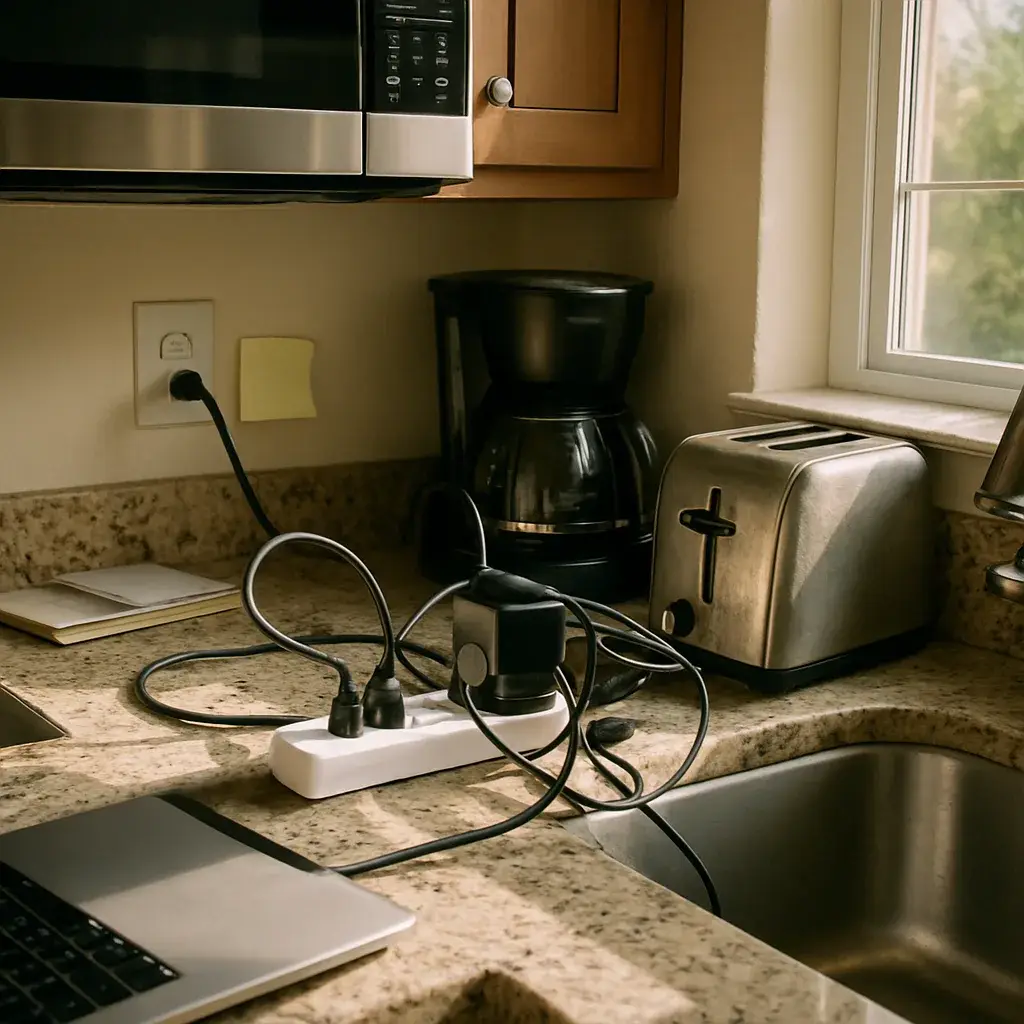
Not every surge protection question requires an electrician. If you work from home in Sunnyvale and just need to protect a laptop, monitor, and router in a single home office, a quality UL 1449-rated surge strip from a hardware store along U.S. 80 is often genuinely enough. Look for a strip rated at least 600 joules with a clamping voltage around 330 volts or lower, and replace it every three to five years since surge components degrade with each hit they absorb. This is a fifteen-minute fix, not a service call.
The calculation changes once you’re protecting more than a single workstation. Sunnyvale homes with solar inverters, EV chargers, smart thermostats, networked security cameras, and multiple TVs have several expensive points of entry for a surge, and Oncor grid fluctuations or a nearby lightning event can hit all of them at once. A power strip only protects what’s plugged into it. It does nothing for the HVAC compressor, the garage door opener, or the refrigerator, all of which have circuit boards that fail the same way a computer does.
- One sensitive device, like a home office setup: a point-of-use surge strip usually covers it
- Multiple electronics, appliances with control boards, or a home EV charger: whole-panel protection is the more reliable fix
- Recent history of flickering lights, tripped breakers, or storm damage in your Sunnyvale neighborhood: worth having a panel inspected
- Homes with solar or battery storage systems: whole-panel protection is strongly recommended by most manufacturers
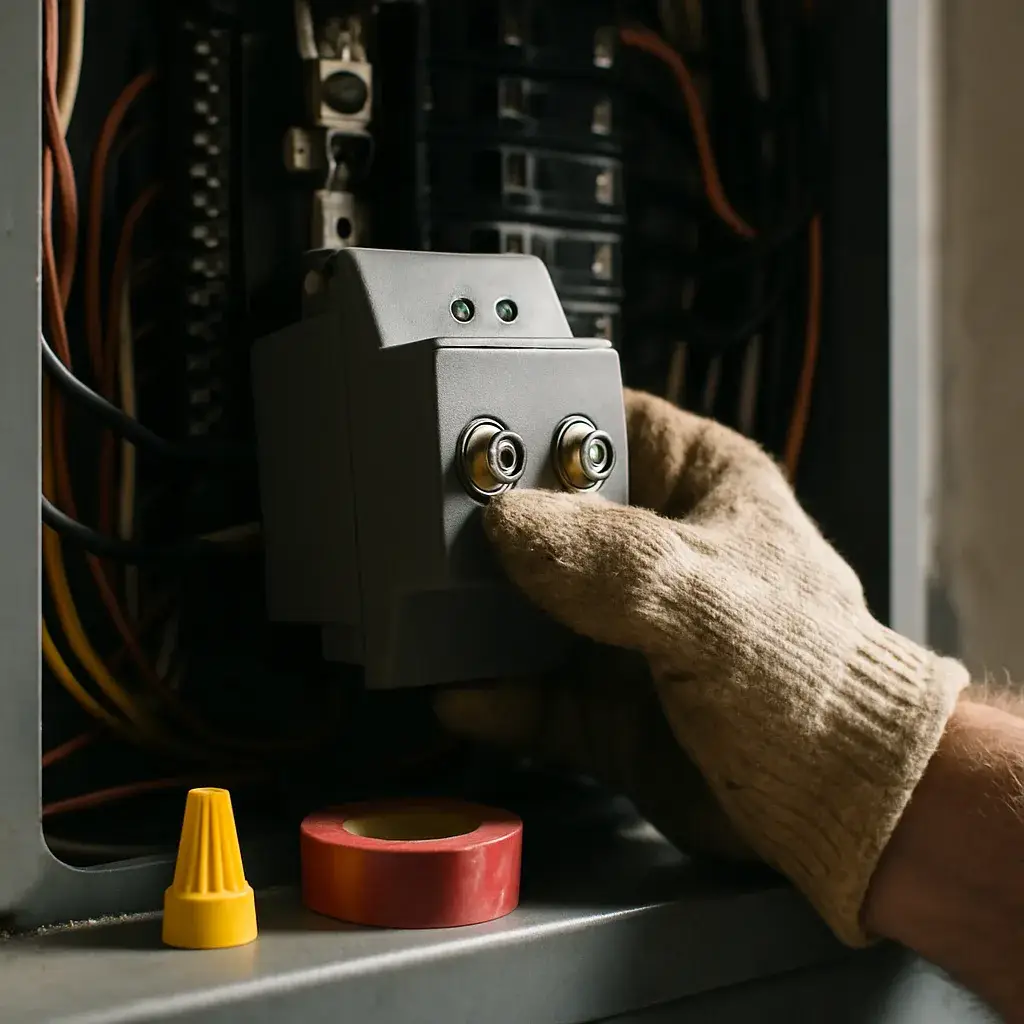
Whole-panel surge protection installation is a different category of work entirely. It means opening a live electrical panel, tying into the main bus, and coordinating with the breaker configuration already in your home. This is not a project for a confident DIYer, even one comfortable with basic wiring. A miswired connection at the panel can cause arcing, fire risk, or void your homeowner’s insurance if an inspector later finds unpermitted work. We say this even though panel work is a meaningful part of our business, because recommending an unnecessary truck roll for a single laptop isn’t good service. It’s just a sale.
Not sure what your Surge protection installation project needs? Ask us.
Call Today, Get Service Today. Xtreme Air Services is ready to help.
What Happens During a Surge Protector Installation Visit
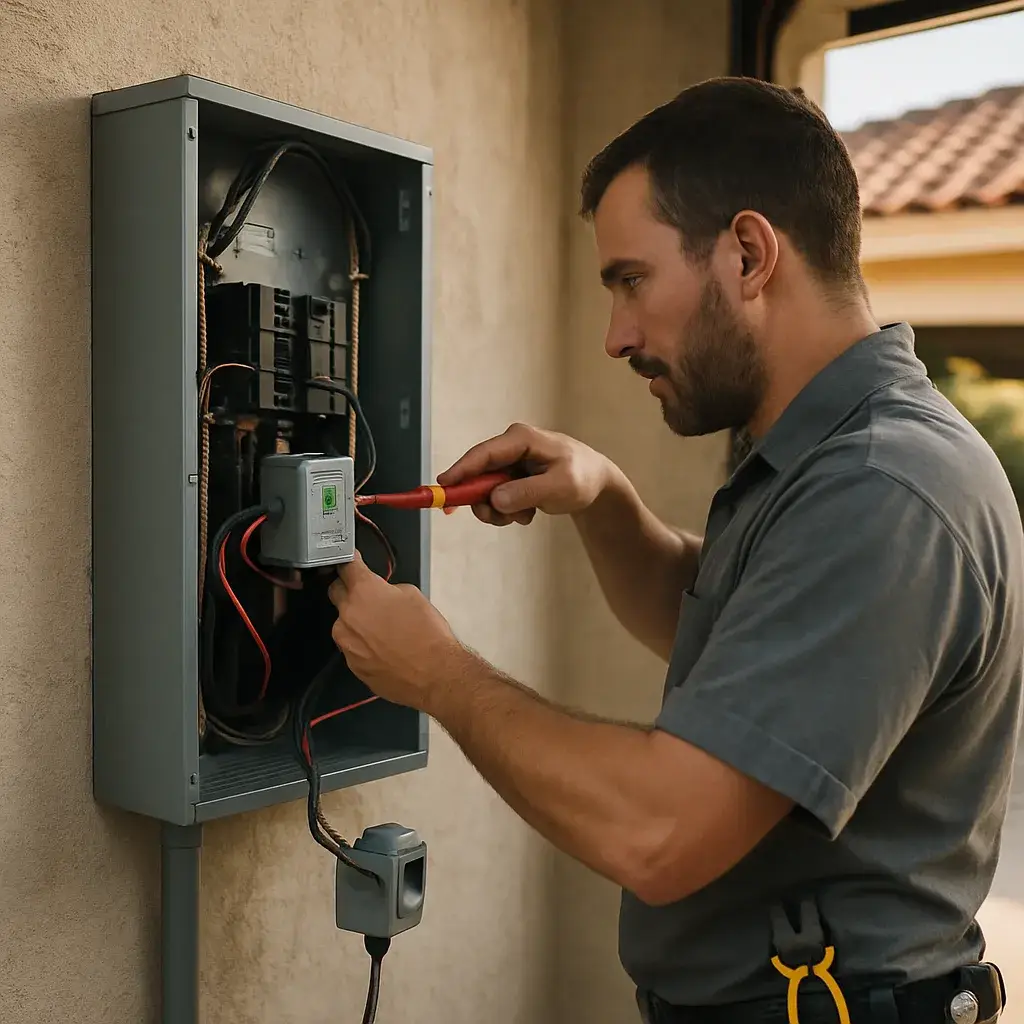
A typical surge protection installation visit in Sunnyvale follows a predictable rhythm, whether you live in a mid-century ranch off Tripp Road or a newer townhome near U.S. 80. The technician starts by evaluating your electrical panel, checking its age, capacity, and grounding, since older Sunnyvale homes sometimes have panels that need minor upgrades before a whole-home surge device can be safely added. This inspection also includes a walk-through of the property to identify point-of-use needs, such as a home office with sensitive computer equipment, a kitchen full of smart appliances, or a media room with expensive audio-visual gear.
Once the evaluation is complete, the technician recommends a device type suited to your specific situation. This might mean a panel-mounted whole-home surge protector installed directly at the main electrical panel, supplemental point-of-use protectors for high-value electronics, or a combination of both for layered protection. The selection is based on your home’s electrical load, the number of circuits needing coverage, and any local Sunnyvale utility patterns, such as voltage fluctuations tied to grid maintenance or seasonal storm activity.
- Panel and load evaluation to confirm compatibility and safety
- Device selection based on whole-home or point-of-use needs
- Professional installation with secure mounting and wiring
- Connection to the panel or designated circuits
- Functional testing to confirm the device responds correctly
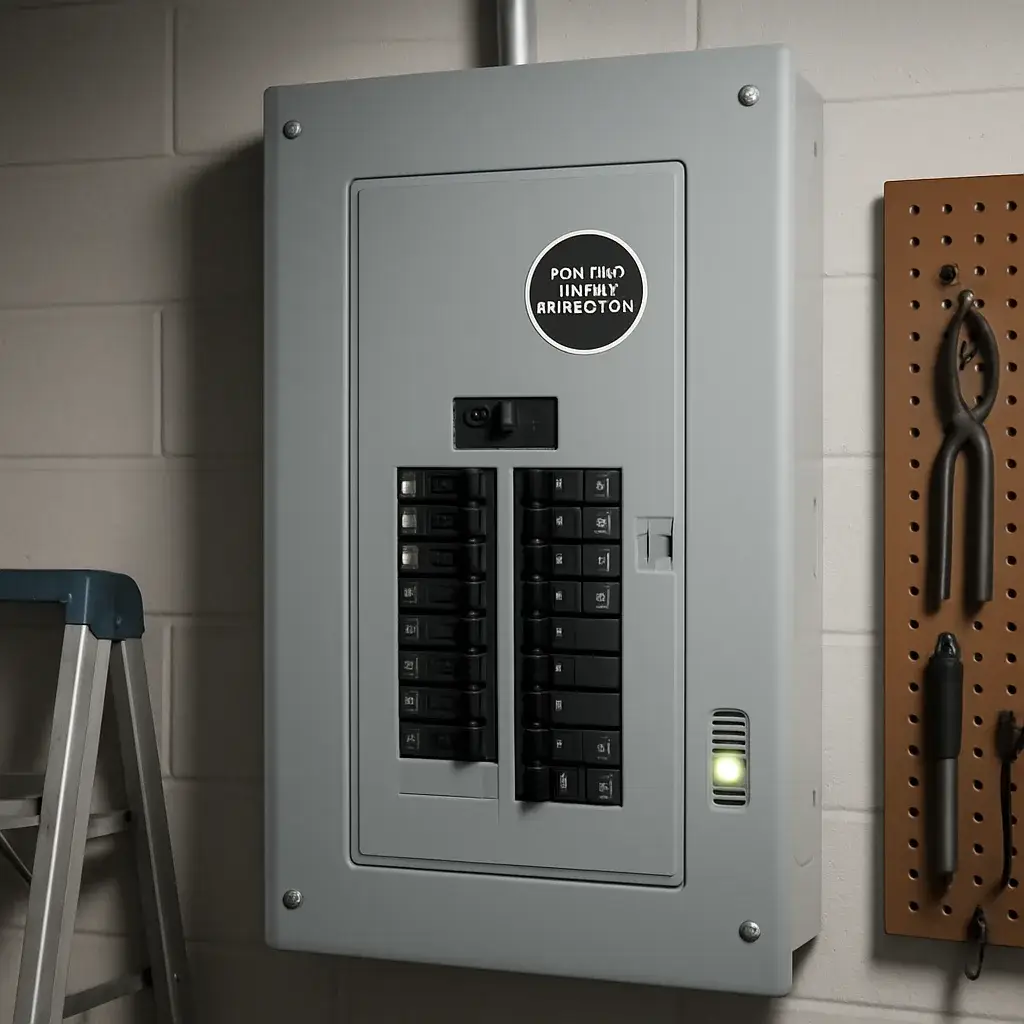
- Final walkthrough explaining the indicator light and maintenance
After the device is selected, installation involves mounting the unit, running the necessary connections, and integrating it with your existing panel or circuits. The technician then tests the system to verify it is functioning properly and responding as expected. Most residential jobs are completed same-day, often within a couple of hours, so you are not left without power or waiting days for a follow-up appointment.
Once installed, the surge protector includes a small indicator light that confirms the device is active and working. Beyond that light, the unit is designed to be completely invisible in daily life. You will not notice it during normal operation, hear any noise, or need to interact with it. It simply stands ready, silently absorbing voltage spikes from lightning strikes, grid switching, or utility disturbances common throughout the Sunnyvale area.
Pairing Surge Protection With Generator and Panel Work in Sunnyvale
Sunnyvale sits within Oncor Electric Delivery’s service territory, and the utility’s distribution network relies on automated reclosers and switching gear to reroute power during outages or maintenance. Every time a recloser operates or a substation switches load, it sends a brief but sharp voltage transient down the line into your home. These grid-switching events happen far more often than lightning strikes, yet they get less attention because they rarely trip a breaker or cause visible damage right away. Over months and years, though, they degrade circuit boards, dimmer switches, and the sensitive electronics inside modern appliances.
North Texas also sits squarely in the path of spring severe weather, a pattern well documented by NOAA’s National Severe Storms Laboratory. Fast-moving supercells and squall lines that roll through Dallas County between March and June bring both direct lightning risk and the kind of grid instability that triggers utility switching. A home without surge protection is exposed on two fronts during this season: the storm itself and the utility’s response to it.
Because of this overlap, the smartest time to add whole-home surge protection is during a project you are already having done. If an electrician is opening your panel to install a generator interlock, transfer switch, or subpanel, adding a surge protective device at that same visit takes minutes and avoids a second labor charge, a second permit inspection, and a second disruption to your household.
- Generator installations already involve panel access, making it the ideal moment to add a Type 2 surge device that protects the transfer switch and generator controls
- Panel upgrades or replacements reset your home’s protection baseline, so pairing them with a surge protector safeguards new breakers and wiring from day one
- Combining the work typically saves on labor since the electrician is already on-site and the panel is already open
- One inspection covers both the panel work and the surge device, simplifying permitting with the Town of Sunnyvale
If you are scheduling a generator or panel project this spring, ask your electrician to quote surge protection alongside it rather than as an afterthought.
Frequently Asked Questions
Common questions about Surge protection installation
How fast can you get someone out to install surge protection in Sunnyvale?
Most surge protection visits get scheduled within a few days, faster if you’re already seeing warning signs like tripped breakers. We ask a few quick questions about your panel and your electronics when you call. That helps us bring the right parts the first time. If storm season is close or you’ve had recent flickering lights, tell us that up front. We’ll try to move your visit sooner rather than later.
What happens when the technician arrives for a surge protection installation?
The technician starts by checking your electrical panel’s age, capacity, and grounding before touching anything. This matters because older Sunnyvale panels sometimes need small upgrades before a whole-home surge device can go in safely. Next comes a walk-through of your home to spot point-of-use needs, like a home office or a media room full of expensive gear. You’ll get a clear answer on what your home needs before any work starts.
Why does Sunnyvale need surge protection more than newer subdivisions?
Sunnyvale still runs on older feeder lines in many areas, and that means voltage swings from storms or grid switching reach your panel more often. Homes near the town center with original panels feel this the most, since those panels weren’t built for today’s electronics load. Spring storm season makes it worse, with breakers tripping more than usual. If your home is older or you’ve never had the panel checked, that’s worth a look before the next storm hits.
Do I need whole-panel surge protection or is a power strip enough?
A power strip is enough if you’re only protecting one workstation, like a laptop and monitor in a home office. Once you’re protecting multiple electronics, appliances with control boards, or a home with solar, whole-panel protection is the more reliable fix. A strip only guards what’s plugged into it. It won’t help your HVAC compressor, garage door opener, or fridge, and those all fail the same way a fried computer does.
How can I tell if a past power surge already damaged my appliances?
Surge damage usually shows up weeks after the actual event, not right away. A fridge or dishwasher that suddenly quits with no clear cause, months after a storm or grid issue, is a classic sign. We see this often on service calls, where a customer assumes a new appliance is defective when a spike fried the control board earlier. If two or three unrelated electronics have failed in a short stretch, it’s worth having your panel inspected.
Ready to Get Started?
Call 972-288-2263 Today, Get Service Today.