


Whole-House Air Conditioning in Sunnyvale: Built for Texas Summers
Whole-house air conditioning for Sunnyvale homes, balanced room by room so no space gets left behind.
What’s Covered on This Page
- Signs Your Home Needs Whole-House Air Conditioning
- Sizing a System for North Texas Heat and Humidity
- When Repair or a Mini-Split Beats a Full Install
- What Happens on Installation Day
- Confirming Your Sunnyvale Install Meets Efficiency Standards
- How long does a whole-house air conditioning install take in Sunnyvale?
- What should I expect when the technician arrives on installation day?
- Why do attic-installed AC systems struggle so much in Sunnyvale?
- How do I know what size AC unit my Sunnyvale home needs?
- Do I need a full system replacement or just an AC repair?
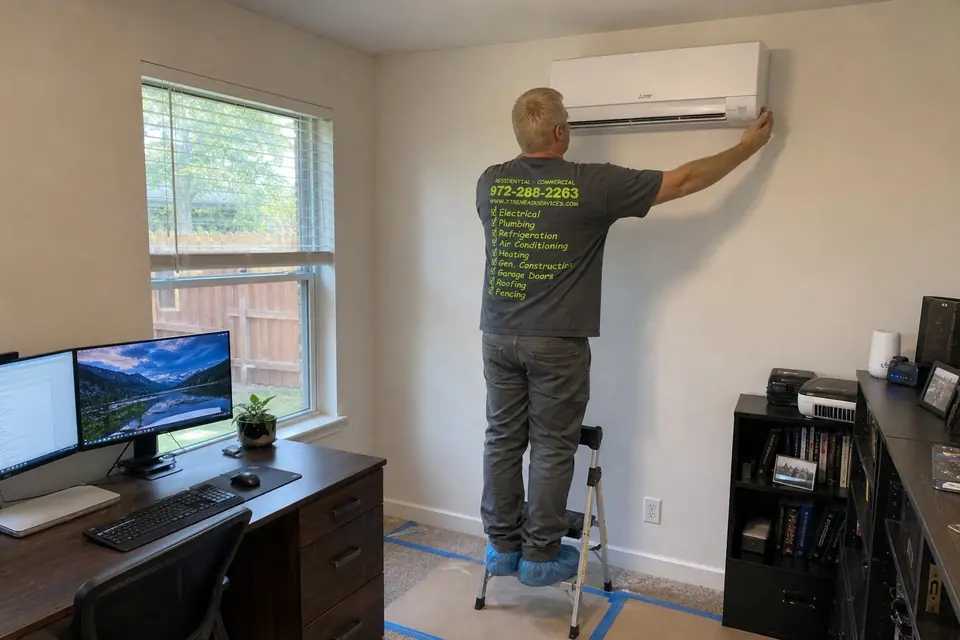
- Can a mini-split cool one room instead of replacing my whole system?
Signs Your Home Needs Whole-House Air Conditioning
You know your house better than anyone, so when something feels off, trust that. Maybe it’s the bedroom at the end of the hall that never gets cool, or the living room that turns into an oven by 3pm every July afternoon.
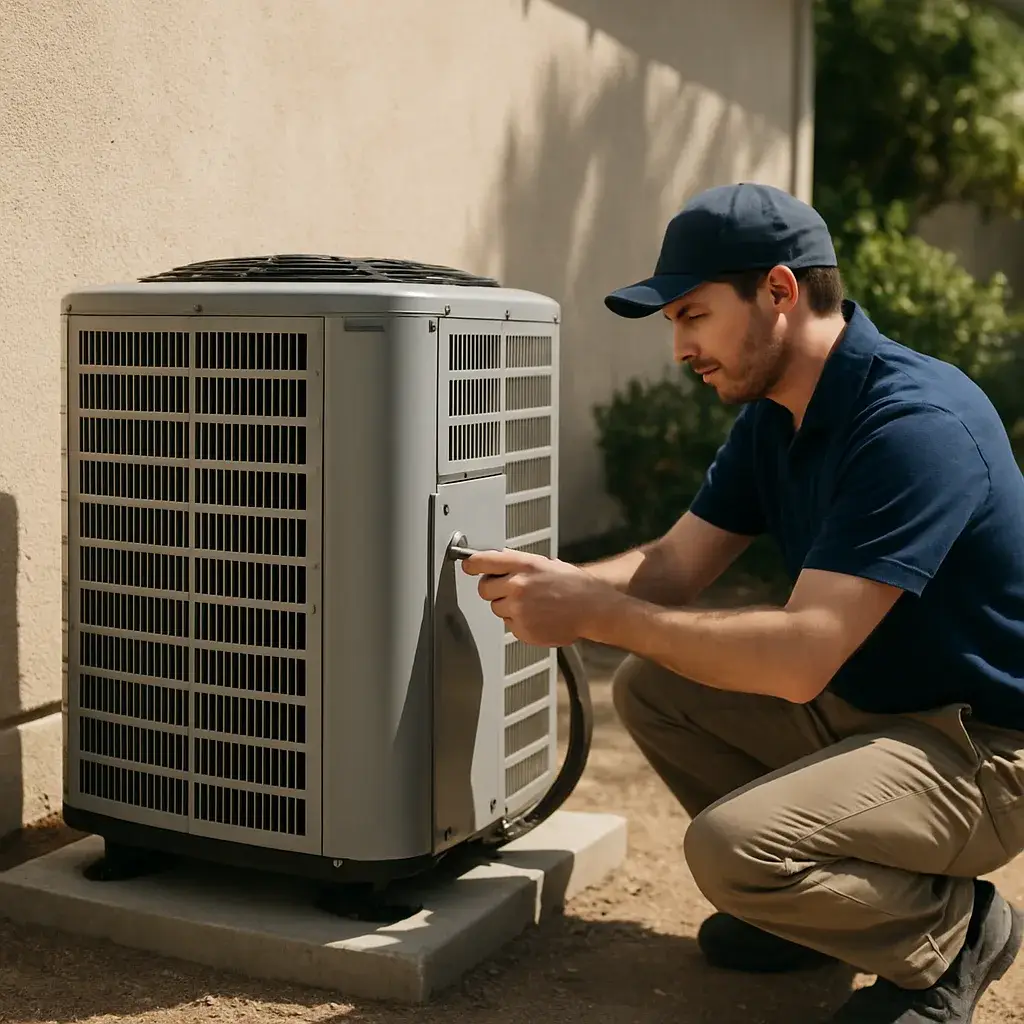
A lot of Sunnyvale homes still run the same single-stage AC unit that came with the house, and those units are built to cool the whole home evenly for maybe 12 to 15 years, not forever. Once a system passes that age, one repair leads to another. It happens often, a homeowner calls about weak airflow, and it turns out the compressor and the coil are both on their way out at the same time.
- Some rooms stay warm no matter where you set the thermostat
- Your energy bill keeps climbing even though you haven’t changed how you use the AC
- The system is 12 years or older and needs a repair almost every season
- You hear grinding, rattling, or clicking that wasn’t there before
- The air coming out feels weak, warm, or barely there at all
Homes with attic-installed HVAC systems, common across Sunnyvale, put extra strain on aging equipment because that attic space runs hot for most of the year. If your unit sits up there and it’s struggling, that heat isn’t doing it any favors.
Sizing a System for North Texas Heat and Humidity
Bigger isn’t better. That’s the first thing we tell folks who think a bigger unit will cool their house faster.
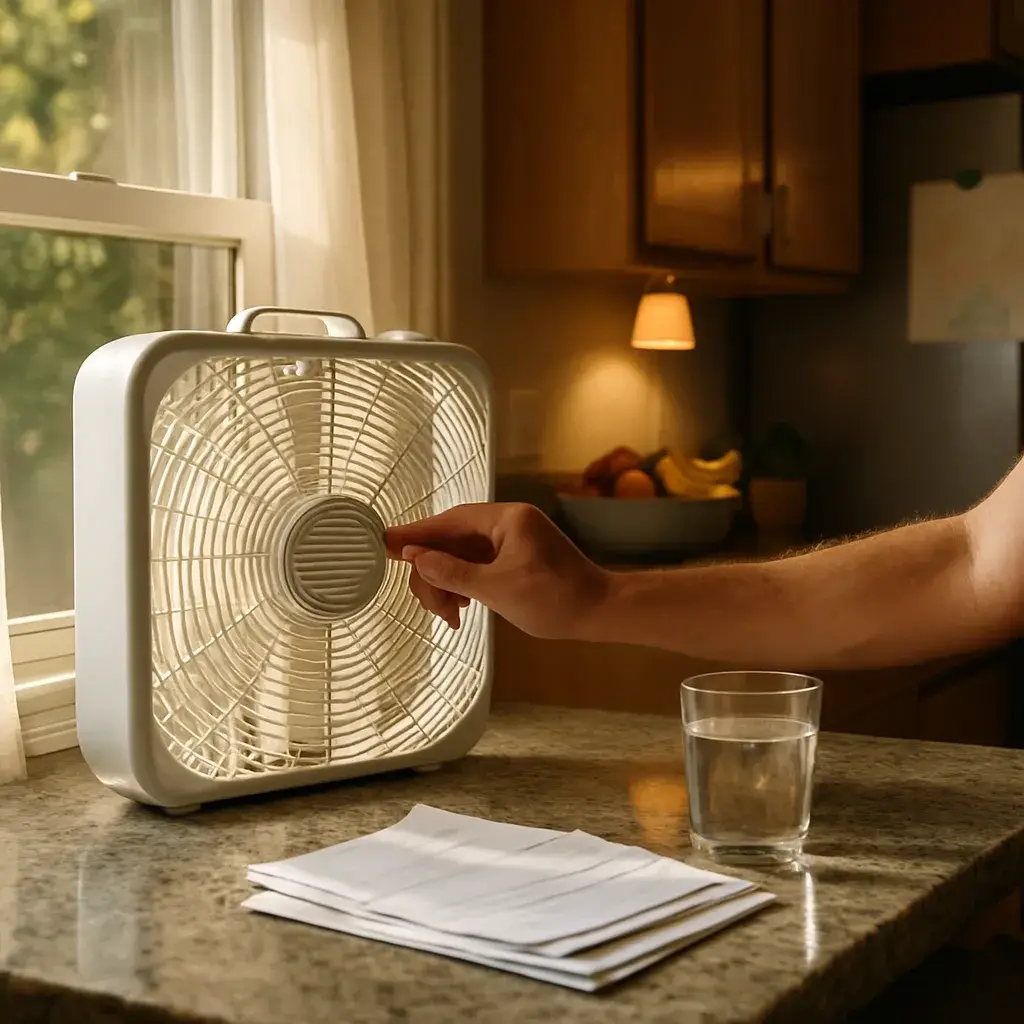
An oversized system blasts cold air, hits the thermostat setting, and shuts off before it ever pulls the humidity out of the air. Your house feels cold and clammy at the same time, that sticky Texas feeling even with the AC running. Undersized units run nonstop all summer and still can’t keep up on the hottest days. Neither one is doing your home any favors.
So how do we get it right? We run a cooling load calculation on your actual home, not a guess based on square footage alone.
- Square footage and ceiling height, plus how many stories the home has
- Window count, orientation, and how much direct sun the house takes on
- Insulation levels in the attic and walls, especially in older Sunnyvale homes with original insulation
- Ductwork condition, since leaky attic ducts lose cooled air before it reaches the vents
- Local climate data for heat and humidity, not a national average
Newer construction around Sunnyvale often runs ductwork through the attic, and attic temperatures here regularly climb past 120 degrees in July. That heat soak affects how hard the system has to work. It’s part of why we measure instead of estimate. A properly sized system, tied to the right SEER2 rating for your home’s needs, keeps humidity in check and keeps your energy bills predictable. Skip the guesswork here and you’ll skip years of comfort headaches later.
When Repair or a Mini-Split Beats a Full Install
Not every cooling problem means you need a whole-house air conditioning install. Sometimes it’s one bad part, not a dead system.
If your unit is still fairly young and the rest of the system checks out fine, a repair gets you back to cool air without touching the whole setup. A failed capacitor, a dirty condenser coil, a clogged drain line, these are common fixes that solve the problem for good. It happens more than you’d expect, a homeowner braces for a replacement quote and it turns out to be a small part.
- System is under roughly 10 years old with no history of repeated breakdowns
- Only one component failed, like a capacitor, fan motor, or contactor
- The rest of the ductwork and wiring are in solid shape
- It’s cooling fine most of the time, just struggling on the hottest days
A full install isn’t always the answer even when a room just won’t cool right. Some Sunnyvale homes have additions, converted garages, or sunrooms that were never tied into the main ductwork. Running new ducts into that space can cost more than the room’s worth. A ductless mini-split handles that one zone directly, no ductwork needed, and it can run alongside your existing system.
So how do you know which path fits your house? It’s usually pretty clear once someone looks at the actual equipment and the space it’s cooling.
A whole-house install makes sense when the main system itself is failing, not just one part off it.
Ready when you are – get in touch today.
Call Today, Get Service Today. Xtreme Air Services is ready to help.
What Happens on Installation Day
Installation day isn’t a mystery, and it shouldn’t feel like one. Most whole-house jobs in Sunnyvale take one day, sometimes into a second if your attic access is tight or the ductwork needs extra work. A lot of homes out here run the whole system through the attic, so our crew plans for that heat and that crawl space before they ever touch a tool.
- We walk the job with you first, confirm the equipment and placement, and answer any last questions.
- We protect your floors and walls, then shut down and disconnect the old system safely.
- The old unit gets hauled away as part of the job.
- New equipment goes in, connections get made, and refrigerant lines and wiring get tied into your existing setup.
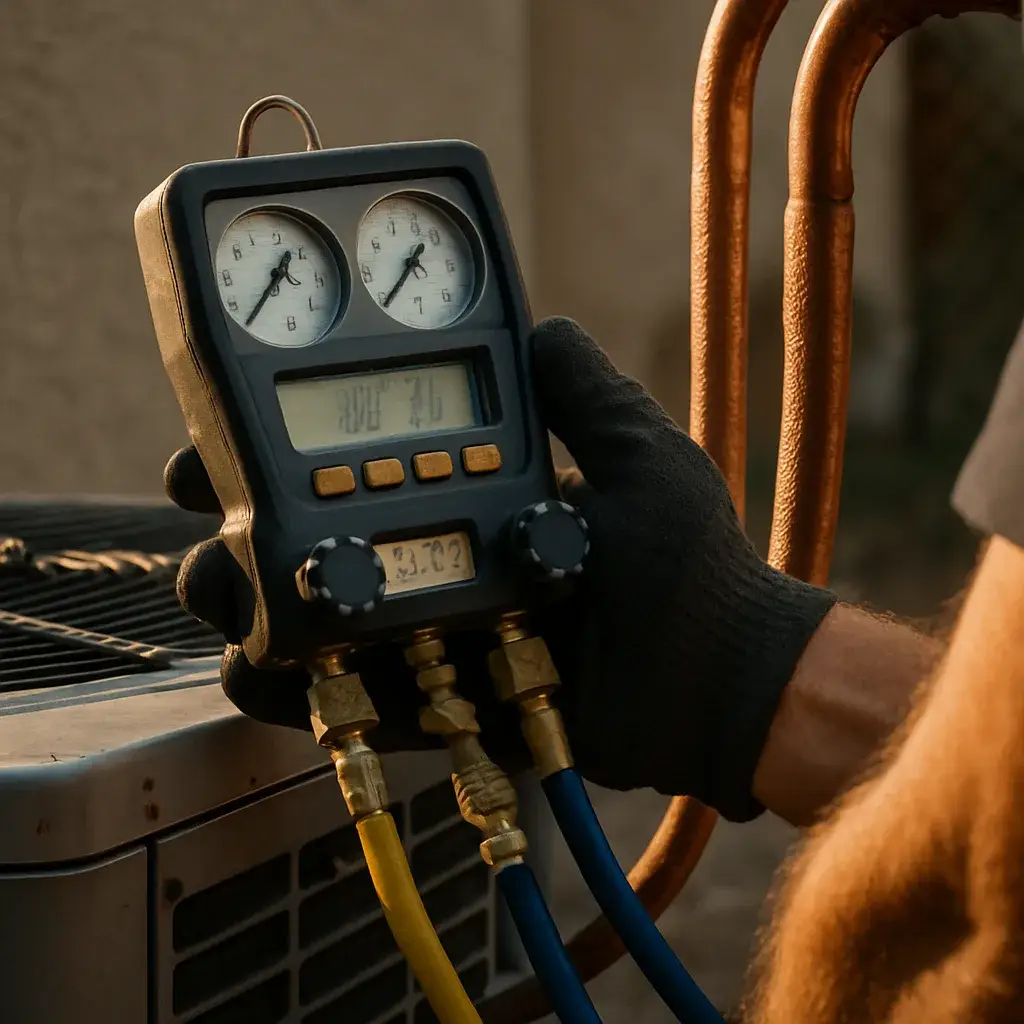
- We fire the system up, check refrigerant charge, and test airflow at the vents.
- We walk you through the new thermostat and answer questions before we leave.
Here’s something folks don’t expect: the noisiest part usually isn’t the new equipment, it’s the old one coming out. Once the new system kicks on, most homeowners are surprised how quiet it runs.
We test the system under real load before we call it done, not just a quick power-up. If your ductwork or wiring needs more than a standard connection, we’ll tell you before we start, not after. That’s part of doing right by our customers, and it’s how we’ve built trust with your neighbors across Sunnyvale.
Confirming Your Sunnyvale Install Meets Efficiency Standards
A new system running isn’t the same as a new system running right. It happens often, homes where a unit was swapped out fast but nobody checked the actual output. So how do you know yours is truly dialed in? Ask for numbers, not just a nod.
- Refrigerant charge checked against the manufacturer’s spec, not just topped off by feel
- Airflow measured at the vents, confirming the ductwork can handle the new equipment’s capacity
- Thermostat calibrated and set up correctly for your specific system type
- SEER2 efficiency rating on paper, matching what you paid for
- Startup and testing completed and documented before the crew leaves
Here in Sunnyvale, a permitted air conditioning install needs a final mechanical inspection before the city closes out the permit. That inspection is your backstop, it catches issues a rushed job might miss. Skip it, and you’ve got no real record the work meets code.
Not sure your last install ever got that final look? That’s more common than you’d think.
A properly verified system holds its efficiency rating for years, not just the first summer.
Frequently Asked Questions
Common questions about Whole-house air conditioning
How long does a whole-house air conditioning install take in Sunnyvale?
Most whole-house AC installs in Sunnyvale take one day. If your attic access is tight or the ductwork needs extra work, it can stretch into a second day. Many Sunnyvale homes run the whole system through the attic, so our crew plans around that heat before they start. We walk the job with you first, then handle removal and setup the same day whenever possible. You’ll get a clear timeline before we begin, so there are no surprises once the work starts.
What should I expect when the technician arrives on installation day?
You’ll walk the job with our crew first to confirm equipment and placement before anything gets touched. We protect your floors and walls, disconnect the old system safely, and haul it away as part of the job. New equipment goes in, refrigerant lines and wiring connect to your setup, and we test airflow at every vent under real load. Most homeowners are surprised how quiet the new system runs compared to the old one leaving.
Why do attic-installed AC systems struggle so much in Sunnyvale?
Attic temperatures in Sunnyvale regularly climb past 120 degrees in July, and that heat puts extra strain on equipment sitting up there. A lot of Sunnyvale homes run their whole HVAC system through the attic, so aging units already working hard against outdoor heat get hit twice as hard. This is part of why older single-stage systems wear out faster here than the 12 to 15 years they’re built for. It’s also why we measure attic conditions instead of guessing when sizing a replacement.
How do I know what size AC unit my Sunnyvale home needs?
The right size comes from a cooling load calculation on your actual home, not square footage alone. We look at ceiling height, window orientation, insulation levels, and ductwork condition, since leaky attic ducts common in older Sunnyvale homes lose cooled air before it reaches your vents. Bigger isn’t better here. An oversized unit cools fast but shuts off before pulling humidity out, leaving your house cold and clammy at the same time.
Do I need a full system replacement or just an AC repair?
If your system is under about 10 years old and only one part failed, like a capacitor or fan motor, a repair usually solves it for good. A full whole-house install makes sense when the main system itself is failing across multiple components, not just one part. We’ve seen homeowners brace for a replacement that turned out to be a small fix, so it’s worth having someone look at the actual equipment before assuming the worst.
Can a mini-split cool one room instead of replacing my whole system?
Yes, a ductless mini-split works well for additions, converted garages, or sunrooms in Sunnyvale that were never tied into the main ductwork. It cools that one zone directly without running new ducts through your attic, and it can operate alongside your existing whole-house system. This route makes sense when your main AC is working fine everywhere else and only one space needs help catching up on the hottest afternoons.
Ready to Get Started?
Call 972-288-2263 Today, Get Service Today.