


Generator Load Testing in Sunnyvale: Make Sure Your Backup Power Actually Works
Verify your generator can actually carry the load it is rated for, tested under real conditions before an outage does it for you.
What’s Covered on This Page
- Weekly Self-Tests Don’t Prove Real Load Capacity
- Warning Signs Your Standby Generator Needs Testing Now
- DIY Checks vs. When to Call a Licensed Electrician
- What a Professional Load Test Visit Includes
- Why Sunnyvale’s Grid and Climate Raise the Stakes
- How often should I have my generator load tested in Sunnyvale?
- What happens when a technician comes out for a load test?
- Why does my generator run fine on its own but fail during an outage?
- Can I check my generator myself, or do I need an electrician?
- Why do bigger homes in Sunnyvale need more thorough generator testing?
- What warning signs mean my generator might fail a load test?
Weekly Self-Tests Don’t Prove Real Load Capacity
Your generator kicks on every week, runs for ten or twenty minutes, then shuts back off. That’s the self-test cycle, and it’s a good habit. But here’s the thing most homeowners don’t realize: that quick cycle proves the engine starts. It doesn’t prove the unit can carry your whole house when the grid goes down.
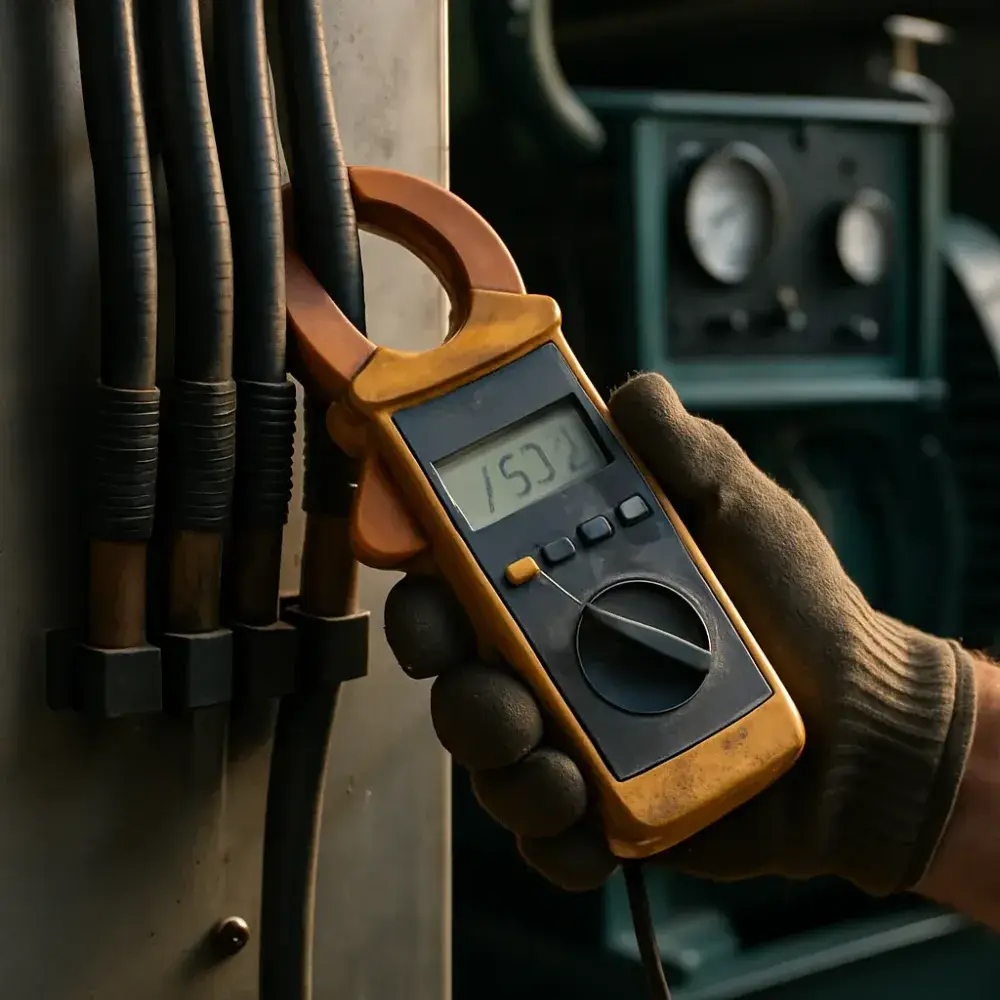
A self-test runs the generator with little or no real electrical load attached. Most of the time, it’s basically idling. Your air conditioner isn’t pulling current, your well pump isn’t kicking on, your refrigerator compressor isn’t cycling. So the test tells you the battery’s good and the engine turns over, and that’s about it. It can’t tell you whether the unit will sag, stall, or trip a breaker the moment your AC compressor and your water heater try to draw power at the same time.
We see this often on older standby units around Sunnyvale, where larger lots often mean bigger homes with well pumps, shop buildings, or detached garages wired into the transfer switch. More circuits means more simultaneous draw during an outage, and that’s exactly the scenario a weekly self-test never simulates.
A real load test is different. We connect a load bank or cycle your actual home circuits under controlled conditions and watch how the generator responds under real demand, not a token spin-up.
Think about it this way: a car that starts fine in the driveway isn’t the same as a car that’s been proven to run at highway speed for two hours straight. Your generator deserves the same honest check before a storm forces the question.
Warning Signs Your Standby Generator Needs Testing Now
Most homeowners find out their generator can’t carry the house at the worst possible time, when the power’s out. Here’s the thing, a standby generator can start up, run smooth for thirty seconds, and still fail the moment your AC compressor and refrigerator kick on at the same time. That’s not a maintenance issue you can see. It’s a load issue, and it only shows up under real demand. If a test shows the unit was never sized for the house, our Generator Installation Service in Sunnyvale is where that gets corrected.
So what should make you pick up the phone? A few signs matter more than others.
- Your generator hasn’t run under real load since it was installed, and it’s just been doing its weekly exercise cycle with nothing plugged into it
- You heard the unit bog down, stutter, or change pitch during the last outage, even for a second
- Lights flickered or dimmed inside the house while the generator was running the show
- Your home’s added a hot tub, a second AC unit, or a workshop since the generator went in, and nobody’s checked if it can still cover everything
- It’s been more than a year since anyone put a load on the unit, not just started it
We see this every week out here. Sunnyvale sits far enough from the Dallas grid core that outages during summer storm season and the odd ice event can run longer than folks expect, and a generator that only “starts fine” gives you false confidence right when you need it most. More often than not, the unit runs great with no load and then chokes when the whole house demand hits it at once.
A generator that cranks up but can’t hold the load isn’t backup power. It’s a false sense of security sitting in your side yard.
If your unit was sized years ago, or you’re not sure it was sized right in the first place, that’s worth a second look too. Our Generator Installation Service in Sunnyvale | Xtreme Air Services page covers how proper sizing gets done from the start. But if the generator’s already in the ground, testing is what tells you where you stand.
DIY Checks vs. When to Call a Licensed Electrician
Can you check your own generator? Sort of. There are a few things you can do yourself between visits, and a few things you flat out can’t check without the right gear.
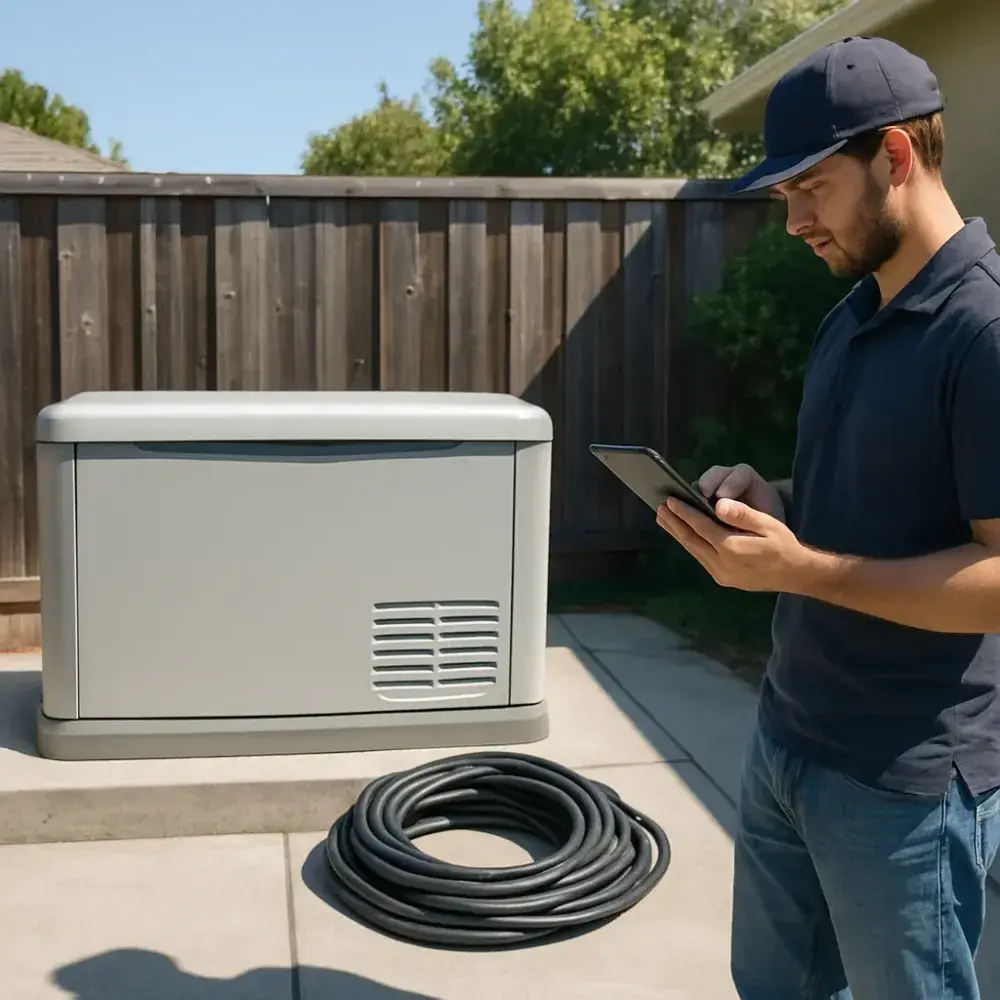
Here’s what’s fair game for a homeowner in Sunnyvale to look at on a weekend:
- Listen for the weekly self-test cycle and make sure it runs and shuts off clean
- Check the fuel line or propane tank level so you’re not caught empty during a storm
- Look at the exterior housing for nesting critters, grass clippings, or debris blocking vents
- Glance at the control panel for any warning lights or error codes
That’s about where it stops. A real load test means putting the generator under an actual electrical demand and watching how it performs, voltage, frequency, temperature, all of it. That takes a licensed electrician with load bank equipment or a properly wired transfer switch setup, not a flashlight and a Saturday afternoon.
We see this every week: a homeowner swears the generator “ran fine” because the lights came on for thirty seconds during the self-test. That’s not the same as running your AC, well pump, and refrigerator all at once during an August blackout. Self-tests run under almost no load, a real test doesn’t lie about what your unit can carry.
So when should you stop DIY-ing it and pick up the phone? If your generator is more than a year past its last professional check, if you’ve added a big appliance or a second AC unit since installation, or if you just don’t know what a full load test even looks like, that’s your answer. Our licensed, background-checked technicians handle this for homes and businesses across the Dallas Fort Worth area, and it’s worth talking to a real person before storm season, not during it. Licensed Electrical Services in Sunnyvale | Xtreme Air Services
Watch Our Video
See How We Handle Generator load testing in Sunnyvale
Xtreme Air Services — Serving Sunnyvale and surrounding areas
Have questions? We’re happy to help.
Call Today, Get Service Today. Xtreme Air Services is ready to help.
What a Professional Load Test Visit Includes
Here’s what happens when we show up for generator load testing at your Sunnyvale property. It’s not complicated, but it does take the right gear and a trained eye to read the results correctly.
- We start by checking the transfer switch and connections, then confirm the generator starts clean under no load.
- Next, we apply a real electrical load, sometimes using a load bank, to simulate what your home pulls during an outage. This is the step a lot of DIY checks skip entirely.
- We watch voltage, frequency, and temperature while the unit works. A generator that idles fine can still stumble once it’s asked to carry real demand.
- We record run time and check for fuel delivery issues, especially on older units that sit unused for months at a stretch.
- You get a written summary. No vague verbal rundown, an actual document listing what we found and what, if anything, needs attention.
Bigger homes and larger standby units take more time and sometimes need more specialized load bank equipment, which affects the visit. Property size matters too, a sprawling place with a big generator naturally takes longer to test properly than a smaller home with a compact unit. That’s normal, and we’ll walk you through why before we start, not after. Generator Maintenance Services in Sunnyvale | Xtreme Air Services
One thing homeowners don’t always expect: if we do find a problem during the test, the service-call fee gets credited toward the repair. You’re not paying twice to find out something’s wrong and then paying again to fix it.
We see units that pass the no-load check but fail under real demand every week. That gap is exactly why the test matters more than a quick visual look.
Why Sunnyvale’s Grid and Climate Raise the Stakes
Sunnyvale sits on the edge of the DFW grid, and that grid gets tested hard twice a year. Summer heat pushes triple digits for weeks at a stretch, air conditioners run nonstop, and demand on the local lines climbs right along with it. Then a February cold snap rolls through and does the opposite, straining the system from the other direction. Add in spring storm season, when high winds and hail knock down lines across North Texas, and you’ve got a grid that asks a lot of itself most of the year.
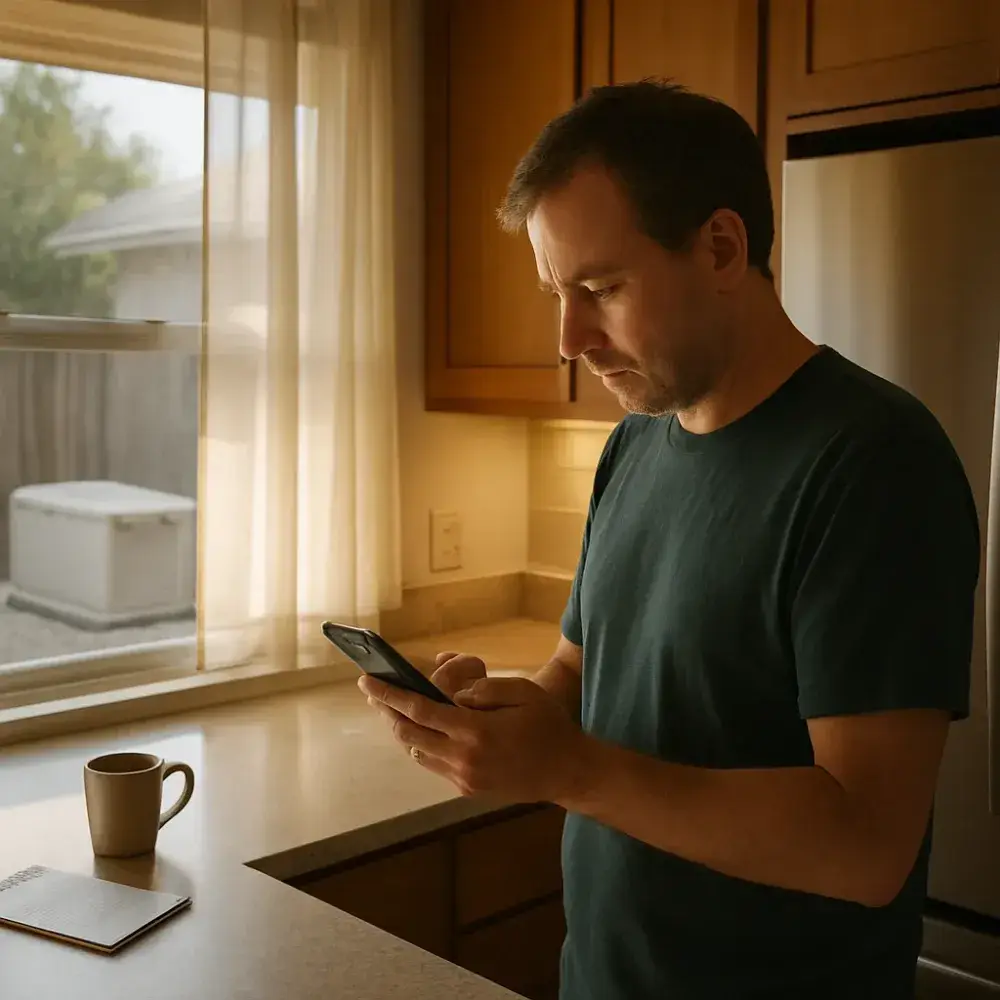
Here’s the thing about a standby generator sitting on its pad behind your house or business. It might start up fine every week during its scheduled exercise cycle, that’s a normal, no-load run. But starting is not the same as carrying a real load. A generator can crank right up and still stall out, trip its breaker, or drop voltage the second your AC compressor, well pump, and kitchen appliances all pull power at once. That’s exactly the scenario a Sunnyvale outage creates, and it’s why we don’t consider a unit proven until it’s been tested under load. Generator Repair Services in Sunnyvale | Xtreme Air Services
We’ve walked into more than a few situations where a homeowner assumed their generator was ready because it “sounded fine” on its test cycle. More often than not, the real problem only shows up once actual demand hits the unit. Between the heat load in July and the ice-storm risk every winter, Sunnyvale isn’t a place where you want to find that out during the outage itself.
Frequently Asked Questions
Common questions about Generator load testing in Sunnyvale
How often should I have my generator load tested in Sunnyvale?
You should have a full load test done once a year, ideally before summer storm season hits. Weekly self-tests only prove the engine starts, not that it can carry your whole house. If you’ve added a hot tub, second AC unit, or workshop since installation, book a test sooner. Sunnyvale’s larger lots often mean more circuits tied to the transfer switch, so yearly checks catch problems before an outage does.
What happens when a technician comes out for a load test?
A technician checks your transfer switch and connections first, then confirms the generator starts clean with no load attached. From there, we apply real electrical demand using a load bank or your actual home circuits and watch how the unit handles voltage, frequency, and temperature. You’ll get a clear answer on whether your generator can carry your home during a real outage, not just whether it turns on.
Why does my generator run fine on its own but fail during an outage?
This happens because your weekly self-test runs with little or no load attached, so the generator is basically idling. During a real outage, your AC compressor, well pump, and refrigerator can all draw power at once. That combined demand is what causes a unit to sag, stutter, or trip a breaker. A proper load test recreates that real-world demand so you find out before the power goes out.
Can I check my generator myself, or do I need an electrician?
You can handle some basic checks yourself, like confirming the weekly self-test runs clean, checking fuel or propane levels, and clearing debris from the housing. A real load test is different. It requires load bank equipment and a trained eye to read voltage and frequency under actual demand. If it’s been more than a year since a professional check, it’s time to call a licensed electrician instead of guessing.
Why do bigger homes in Sunnyvale need more thorough generator testing?
Bigger homes in Sunnyvale often sit on larger lots with well pumps, shop buildings, or detached garages all wired into the transfer switch. Each of those adds circuits that draw power at the same time during an outage. A weekly self-test never simulates that combined load. A full load test shows whether your generator can keep every one of those circuits running when the grid goes down for hours.
What warning signs mean my generator might fail a load test?
Watch for the unit bogging down or changing pitch during an outage, lights flickering while the generator runs, or it being over a year since anyone put real load on it. Adding a second AC unit or a hot tub without rechecking capacity is another red flag. Any of these signs means your generator might start fine but still fail the moment your whole house demands power at once.
Ready to Get Started?
Call 972-288-2263 Today, Get Service Today.