


Commercial Generator Installation: The Questions and Issues Buyers Run Into Most
The questions and snags commercial buyers run into most often in Sunnyvale, TX.
What’s Covered on This Page
- Sizing the Generator Correctly Is the First Question Every Buyer Has
- Fuel Type Affects Cost, Run Time, and What the Site Can Support
- Permits and Inspections Add Steps Most Buyers Don’t Picture on Install Day
- Site and Pad Work Is a Separate Piece of the Project From the Generator Itself
- Switchgear and Transfer Equipment Scope Can Be Bigger Than a Single Switch
Sizing the Generator Correctly Is the First Question Every Buyer Has
Buyers ask us this before anything else: how big of a generator do I need? It’s the right question to lead with. A generator sized for a small office won’t run a walk-in cooler, rooftop units, and kitchen exhaust fans all at once. It’ll shut itself down, or damage components trying.
Sizing starts with a load calculation, not a guess based on square footage. We look at what runs continuously, what starts and stops (compressors draw a big surge the moment they kick on), and what you’re willing to shed if the building ever needs to run lean during an outage. A restaurant with walk-in coolers and cooking equipment has a very different load profile than a medical office running exam rooms and refrigerated supplies.
Fuel type factors in too. Natural gas gives you a continuous supply as long as the utility line is intact, while diesel and propane depend on a tank you have to size and refill. Larger installations often need switchgear and paralleling equipment if the building needs more capacity than one generator can produce alone, and that adds its own footprint and cost.
- Continuous loads: HVAC, refrigeration, lighting, and equipment that runs the whole time the power’s out
- Startup surge: motors and compressors that draw several times their running current for a second or two
- Fuel type and supply: natural gas line capacity, or tank size and refill plans for diesel or propane
- Switchgear and paralleling: needed when one generator can’t cover the full load alone
- Site conditions: pad placement, clearance, noise ordinances, and distance from the building
One thing worth knowing going in: we won’t recommend a size just because it’s convenient to install. If the load calculation shows you need more capacity than the pad or budget was planned around, we’ll say so before we quote anything, not after the unit’s sitting on site.
This is also where the price range starts to make sense. Generator size, fuel type, and switchgear needs are the biggest drivers of cost, and you can see how that plays out on our generator installation pricing page.
Fuel Type Affects Cost, Run Time, and What the Site Can Support
One of the first things people ask us about is fuel. Natural gas, diesel, and propane will all run a generator, but they behave differently once the power’s actually out.
Natural gas hooks into the utility line already feeding your building, so it can run as long as the gas company’s system holds up. That’s a real advantage for a restaurant or a medical office that can’t predict how long an outage lasts. But gas service can go down in a bad enough storm too, and not every site has a meter sized to feed a generator on top of everything else already drawing from it.
Diesel is the workhorse for bigger loads and longer, planned run times. It stores on site in a tank, so you’re not relying on any utility during the outage. The tradeoff is space and upkeep. You need room for the tank, and diesel fuel needs to be cycled or treated so it doesn’t degrade sitting there for months between uses.
Propane sits in between. It stores on site like diesel, but it burns cleaner and the tanks take up a different footprint. We see it used a lot on properties where a gas line isn’t an option and a full diesel tank setup doesn’t fit the space available.
Fuel type also touches switchgear and paralleling, which is one of the bigger cost drivers on any commercial install. A single generator backing up one panel is a different job than multiple units paralleled together to carry a whole building or campus. We walk through the backup power assessment and generator sizing consultation before we ever talk fuel tank size or pad location, because the load comes first and the fuel decision follows it.
Site conditions matter here too. Where the pad goes, how far the unit sits from the building, and whether the site can support a buried or above-ground tank all get decided during that early walk of the property. You can read more on our Commercial generator installation in Sunnyvale page about how that site work fits into a full install.
If a property already has a gas line rated big enough, natural gas usually keeps the project simpler. If it doesn’t, we’ll tell a customer straight that trenching in new gas service can cost more than just planning around propane or diesel from the start. That’s a real tradeoff, not a sales pitch either direction.
Permits and Inspections Add Steps Most Buyers Don’t Picture on Install Day
Most people picture install day as one visit: crew shows up, sets the generator, hooks it up, done. For a commercial job, that’s rarely the full picture. A commercial standby generator ties into your building’s electrical service, often through new switchgear or a transfer setup, and that kind of work usually needs a permit and at least one inspection before it’s considered finished.
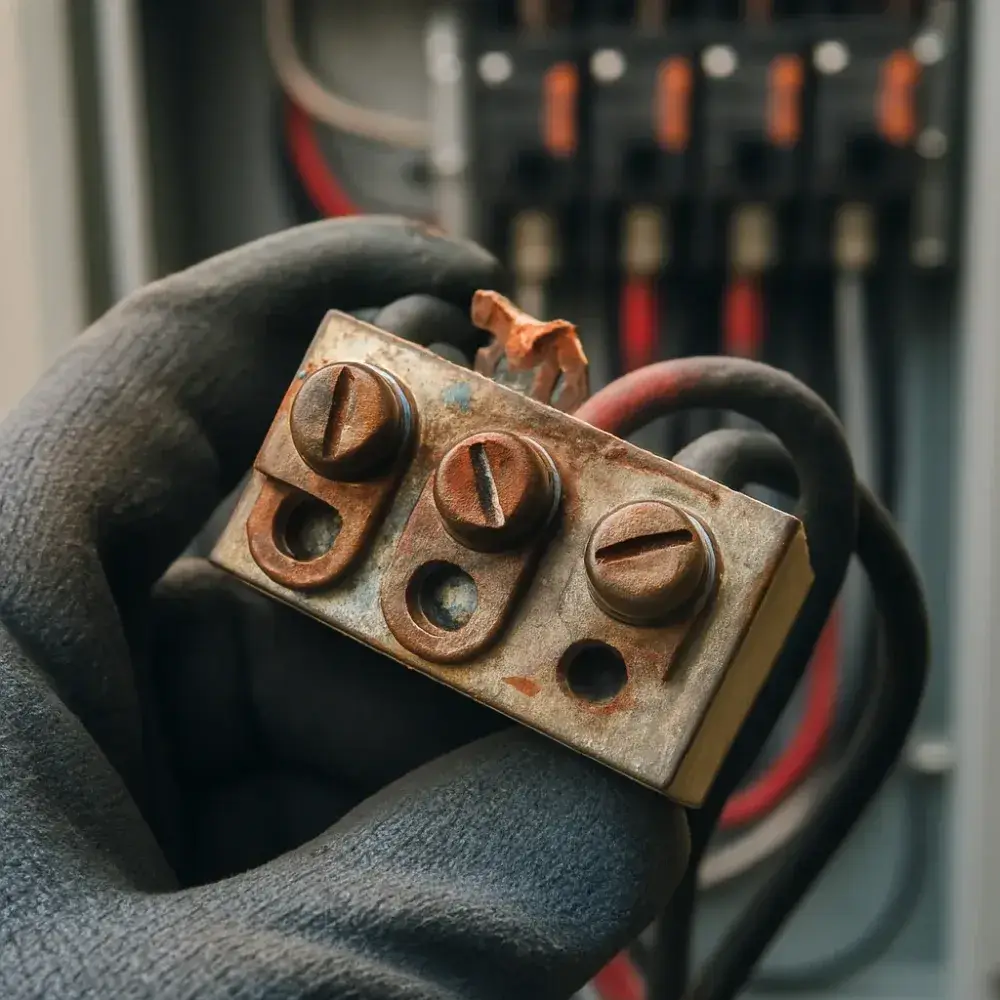
Why does this come up so often? A commercial generator isn’t a plug-and-play appliance. It’s connected equipment sized to carry real electrical load for a building, sometimes with paralleling gear if there’s more than one unit, sometimes with fuel supply work alongside it. Any time you’re changing how power moves through a commercial building, the local authority having jurisdiction wants a look at it, whether the building is a small office or a warehouse with cold storage riding on backup power.
What people ask about most is the timeline. Permitting can add days or weeks depending on the jurisdiction and how busy the local inspection office is that month. That’s separate from the install itself, and it’s one reason a commercial generator project isn’t scheduled the same way a residential unit is. Site work, like the pad and clearances, sometimes has its own sign-off too.
A few things buyers commonly ask about at this stage:
- Whether the permit covers the generator alone or the electrical connections too
- Who pulls the permit and who’s listed as the responsible contractor
- How the inspection is scheduled once the equipment is set and wired
- What happens if an inspector flags something before final sign-off
- Whether fuel line work needs its own separate permit
We handle permits and inspections as part of installing to code, with licensed technicians pulling what’s required for the scope of the job. What we won’t do is skip that step to save a week, even if a customer asks us to move faster. Code corrections and upgrades tied to an older electrical service can also come up mid-project, and those get called out before they turn into a surprise on the invoice, not after.
This is also where site conditions matter. An older commercial building with a service panel that predates current code sometimes needs upgrades before the generator connection can pass inspection. That’s a real variable, and it’s part of why generator sizing and consultation happens before a number gets put on paper.
If you want to see how these variables affect the actual cost of a commercial generator project, our commercial generator installation pricing guide breaks down what drives the range and what’s typically included.
Ready when you are – get in touch today.
Call Today, Get Service Today. Xtreme Air Services is ready to help.
Site and Pad Work Is a Separate Piece of the Project From the Generator Itself
Most people picture a generator install as one job: truck shows up, unit gets set, done. In practice, the ground under the generator is its own project. A commercial standby unit needs a level, stable pad rated for its weight, proper clearance from the building and any air intakes, and enough room for service access down the road. On an open lot with good drainage and easy equipment access, that part goes fast. On a tight urban site, a sloped lot, or a spot with buried utilities nearby, it takes longer and costs more.
What people notice first is that two businesses with what looks like the same generator end up with different total numbers. That’s almost always the site work talking, not the equipment. A flat gravel lot behind a warehouse is a different job than a downtown location where we’re trenching through a parking lot or working around a loading dock.
Why it happens is straightforward. We can quote the generator itself, the transfer equipment, the connections, and the startup and testing with real confidence once we know the unit size and fuel type. Site civil work is different. It depends on soil, drainage, existing concrete or asphalt, and how far the generator has to sit from gas lines, electrical service, or property lines. We can’t price that from a phone call. It takes a look at the actual site.
Here’s the part we’re plain about: pad and site prep is generally excluded from the base installation scope. Our installation pricing covers the generator, transfer equipment, professional installation, connections, and startup and testing. Site civil work, major electrical service or switchgear upgrades beyond the project’s scope, and fuel storage additions are handled separately and priced once we’ve seen the site. We’d rather tell a business owner that up front than have them find out mid-project.
Part of the sizing and consultation process includes a walk of the site before we write anything down, so pad work, clearance requirements, and any code-driven placement rules get factored into the plan instead of surfacing as a surprise later. For a rough sense of where site conditions tend to push a project’s total cost, our generator installation pricing guide breaks out the drivers behind a job’s price range.
- Pad size and reinforcement depend on the generator’s weight and kW rating
- Clearance and placement rules affect how much site prep is needed near fuel lines and building openings
- Drainage and soil condition can add work that isn’t visible from a photo or a phone quote
- Access for future service visits factors into where the pad gets placed, not just where it fits
Switchgear and Transfer Equipment Scope Can Be Bigger Than a Single Switch
Most business owners picture one box outside and a switch in the electrical room. On a lot of jobs that’s close to right. But once a building has more than a couple of critical circuits, or the utility service is already tight, the transfer equipment stops being a single part and turns into a small system of its own.
A basic automatic transfer switch handles a straightforward job: sense that utility power is gone, move the load to the generator, then move it back when utility returns. That’s the whole task for a single-panel building, a small office, or a retail space with one main disconnect.
Where it grows is multi-building sites, buildings with more than one electrical service, or setups where only part of the load needs backup power and part doesn’t. That’s when you start talking about switchgear instead of a switch, sometimes paralleling gear if more than one generator is feeding the same bus, and load-shedding logic so the generator isn’t asked to run equipment it wasn’t sized to carry.
- Buildings with more than one electrical service or panel that both need coverage
- Sites where only critical circuits (not the whole building) get backup power
- Multiple generators paralleled to one bus for bigger loads or redundancy
- Existing switchgear that’s outdated or undersized for the new generator
- Utility interconnection requirements that call for additional relaying or metering
We size generators and consult on backup power needs as part of our generator sizing and consultation work, and that’s where this gets sorted out before anything gets ordered. A building’s one-line diagram tells us a lot of it. So does a walk of the electrical room, because what’s on paper doesn’t always match what’s installed, especially in buildings that have been added onto over the years.
This is also where cost swings the most. Switchgear and paralleling equipment can add real money to a project, more than the generator itself in some cases, tied to code requirements around selective coordination and arc flash that a simple transfer switch never has to deal with. We’d rather flag that early than let someone budget for a switch and get quoted for a switchgear lineup.
If your site has one panel and one clear critical load, don’t expect us to sell you gear you don’t need. If it has three panels feeding different tenants or departments, expect a real conversation about what needs power and what doesn’t.
Rough cost ranges for these different scopes are on our pricing page, worth a look before you start comparing quotes.
See our full commercial generator installation in Sunnyvale for what the complete job involves.
Ready to Get Started?
Call 972-288-2263 Today, Get Service Today.