


Emergency / No-Heat Furnace Repair in Sunnyvale: Get Warm Again Without a Surprise Bill
Same-day help when the heat quits entirely, with straight answers on what counts as a true emergency and what the visit costs before we start.
What’s Covered on This Page
- No-Heat Failures Follow a Predictable Pattern
- Deciding If Your No-Heat Problem Is a True Emergency
- Checks Worth Trying Before You Call for Service
- What Happens During an Emergency Furnace Visit
- How Furnace Repair Pricing Works
- How fast can you get to my house for a no-heat emergency in Sunnyvale?
- What happens when the technician shows up for a no-heat call?
- Why do so many furnaces in Sunnyvale seem to fail the same way?
- Should I try anything myself before calling for no-heat furnace repair?
- How do I know if my no-heat problem is a true emergency?
No-Heat Failures Follow a Predictable Pattern
Most of the time it’s the same thing. Your furnace won’t fire, the house is getting cold, and your brain jumps straight to worst case. A cracked heat exchanger. A dead blower. A furnace that’s simply done. But that’s rarely what’s going on.
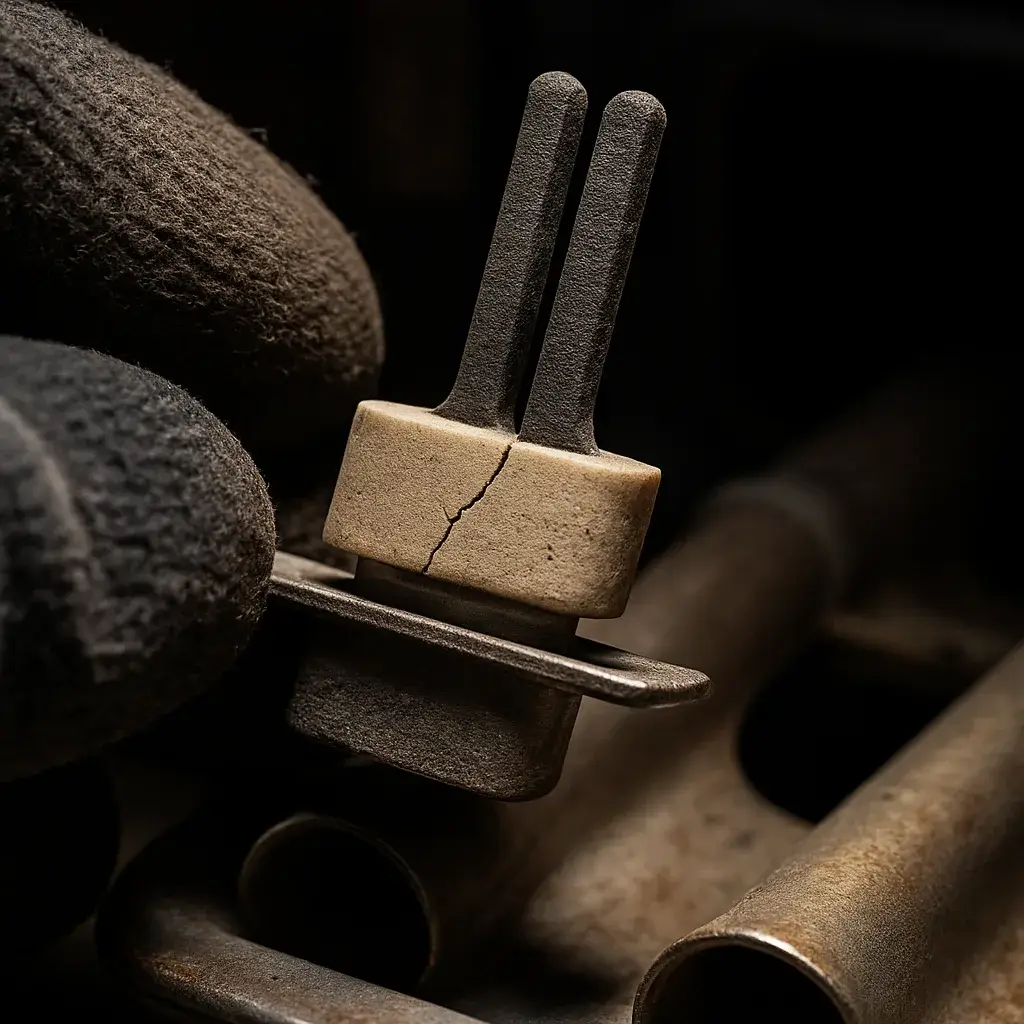
No-heat failures follow a pattern because furnaces fail in a pattern – some parts just wear out faster than others. A weak ignitor won’t glow hot enough to light the gas. A dirty flame sensor tells the control board there’s no flame, even when there is, so the system shuts itself down as a safety move. These aren’t guesses. They’re the usual suspects.
- Ignitor failure – won’t glow hot enough to light the burners
- Dirty or worn flame sensor – shuts the system down as a safety response
- Control board glitch – sends bad signals or none at all
- Blower motor or limit switch trouble – furnace lights but won’t push warm air
- Loose or bad thermostat wiring – furnace never gets the call to run
A lot of homes around Sunnyvale built in the late 1990s and early 2000s still run their original attic-mounted furnace, now pushing 15 to 20 years old. That’s exactly the age range where ignitors and flame sensors start giving out. When a cold front rolls through and one of these units quits, it’s rarely a mystery to us. It’s usually the same failure we saw at a house two streets over last winter.
Deciding If Your No-Heat Problem Is a True Emergency
Not every cold house is an emergency. So how do you know?
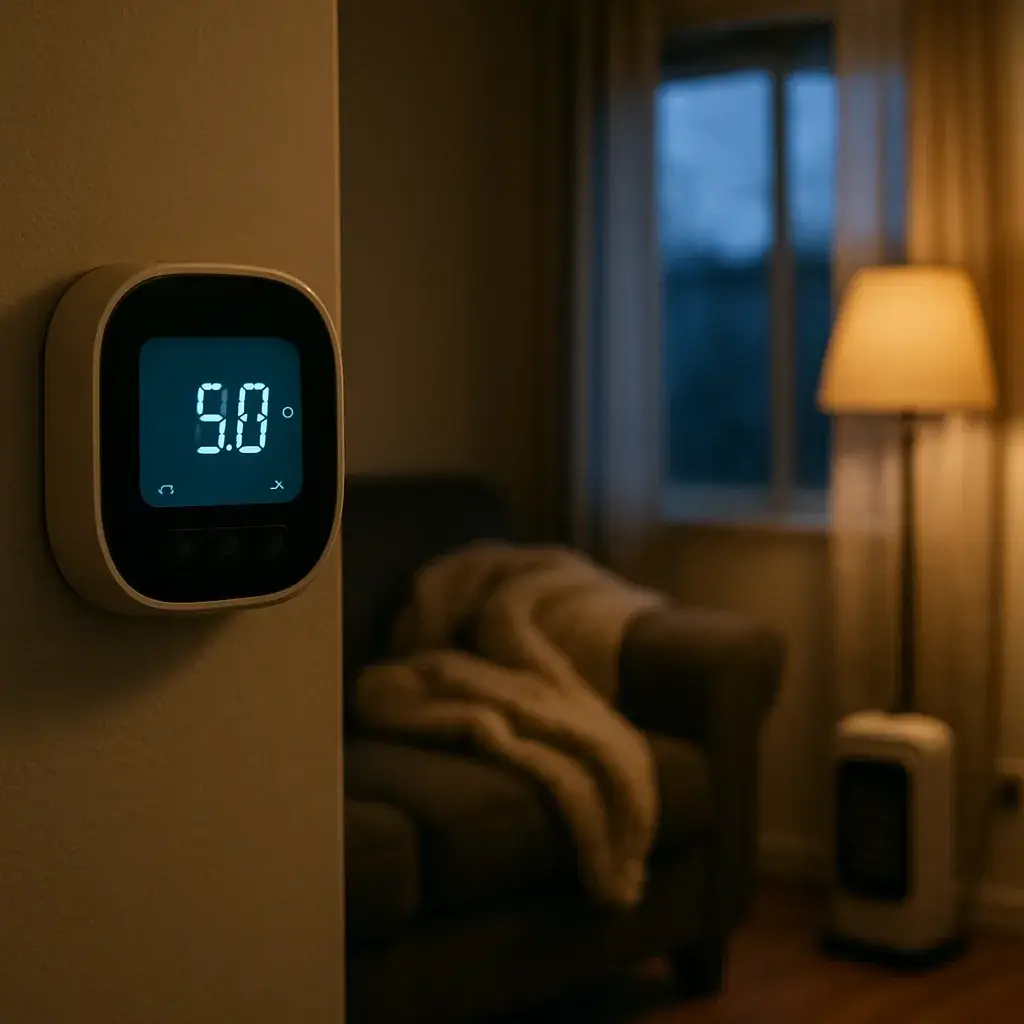
Some situations really can’t wait. If the temperature inside your home is dropping toward the 50s, if you’ve got babies, elderly family, or anyone with health issues in the house, or if you smell gas near the furnace, that’s a call-now situation, not a wait-and-see one. Sunnyvale’s older homes often have gas furnaces tucked up in the attic, and when a cold front drops overnight lows into the 30s, an igniter failure can mean a genuinely cold house by morning, not just a chilly one.
- No heat at all and temps are dropping fast inside the home
- Gas smell, burning smell, or the furnace is making loud banging or screeching noises
- Young kids, older adults, or anyone with a health condition in the house
- Frozen or bursting pipe risk because the house is losing heat overnight
Some things really can wait. If your thermostat’s just reading a couple degrees off, if one room runs cooler than the rest, or if the furnace still kicks on but cycles more than usual, that’s worth a service call, sure, but it’s not a middle-of-the-night emergency. We see this every week: someone panics over a furnace that’s simply due for a filter change.
Here’s the honest test. Ask yourself if the house is getting dangerously cold, or if you’re just uncomfortable. Dangerous, call now. Uncomfortable, a next-day appointment usually gets you there just fine, and it costs the same either way with us since nights and weekends carry no extra charge.
Checks Worth Trying Before You Call for Service
Before you call anyone, give these a quick look. It’s usually one of these three things, and two of them you can fix yourself in under a minute.
- Thermostat set to heat, not cool or off, and the temperature set above room temperature
- Breaker for the furnace not tripped, check your electrical panel
- Air filter not so clogged it’s choking airflow, a filthy filter can shut a furnace down
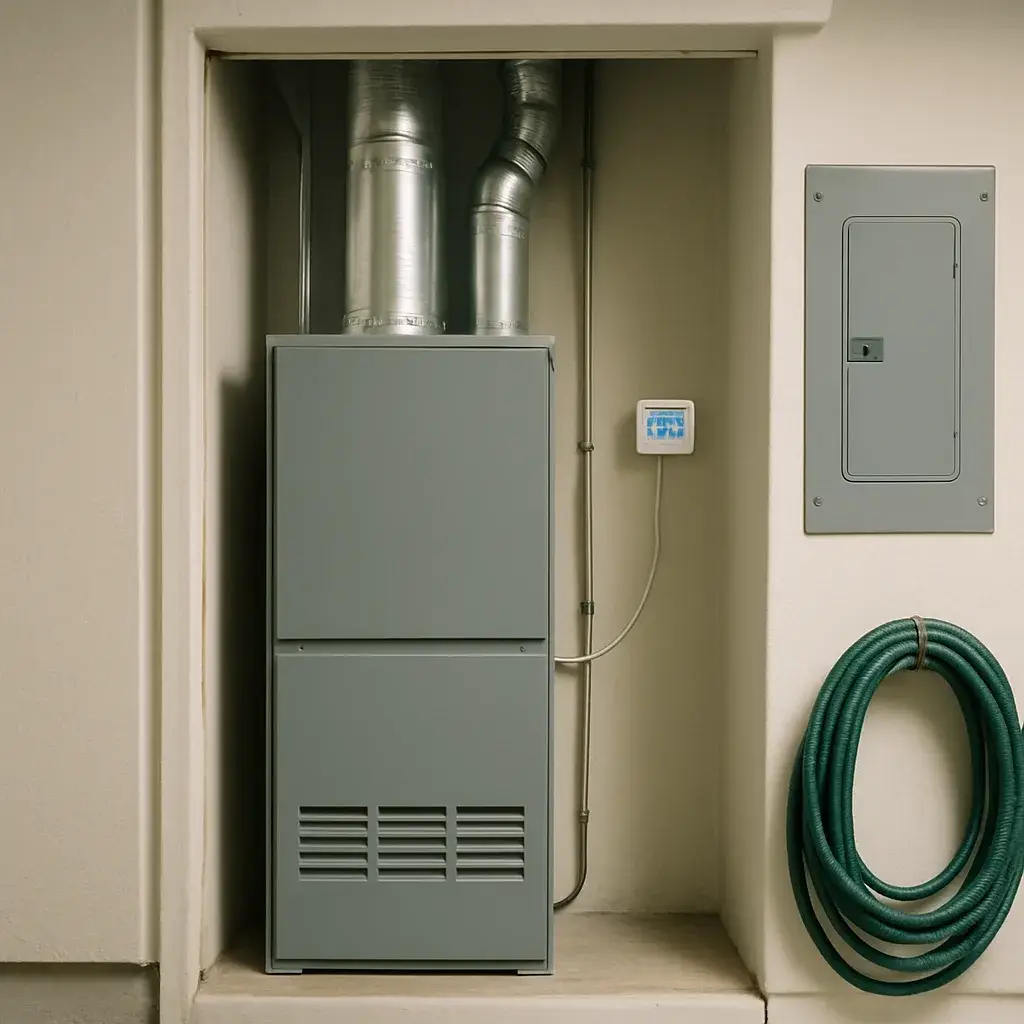
- Gas valve at the furnace or meter turned to the on position
- Furnace switch, that light switch looking thing near the unit, flipped on
Reset the thermostat, flip the breaker, swap the filter. If the furnace kicks on, great, you just saved yourself a service call. That happens more than people think.
But if you smell gas, don’t touch anything. Leave the house and call your gas provider first, then us.
If the furnace still won’t fire, or it fires and shuts back off, stop trying to fix it yourself. Repeated ignition attempts can flood the burner or trip a safety lockout, and messing with a control board or gas valve without the right tools usually turns a small problem into a bigger one.
That’s the point where a phone call, not a screwdriver, is the right next move.
Have questions? We’re happy to help.
Call Today, Get Service Today. Xtreme Air Services is ready to help.
What Happens During an Emergency Furnace Visit
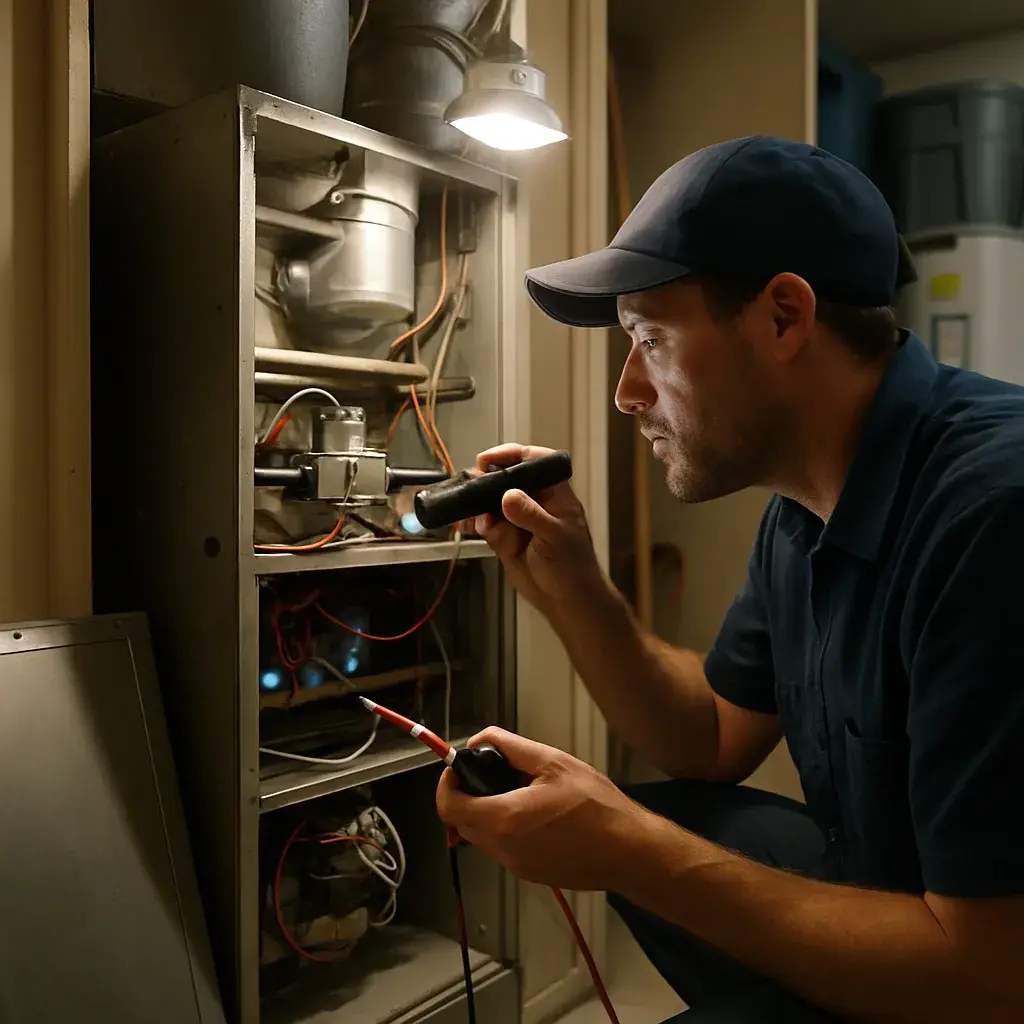
Here’s the honest version of what happens once we knock on your door. No mystery, no van full of guessing. A technician walks in, listens to what you noticed – thermostat blank, air blowing cold, a clicking sound that won’t quit – then heads straight for the furnace.
In a lot of Sunnyvale homes the furnace sits up in the attic. The first few minutes are just getting eyes on it safely before any testing starts.
- Check the thermostat, breaker, and gas supply first, the real problem hides in one of these three spots
- Test the failed part directly, ignitor, flame sensor, blower motor, or control board, using a meter, not a guess
- Explain what we found in plain English and quote the flat rate before touching anything else
- Replace or repair the failed part and fire the system back up
- Run the furnace through a full cycle to confirm it holds heat and shuts off correctly
Most no-heat calls end right there. One failed part, one repair, heat’s back on before you’ve finished your coffee. The service call fee runs $26 to $99, and it gets credited toward the repair if you move forward with us that same visit, so checking things out doesn’t cost you twice.
We don’t add a dime for showing up at night or on a Sunday. Cold fronts don’t wait for business hours, and neither do we.
Once the system’s running, we test it, not just glance at it. That last step matters more than people think.
How Furnace Repair Pricing Works
Nobody wants a mystery bill after a cold night with no heat. Here’s the truth: most no-heat calls land in a pretty predictable range. Our typical job runs between $200 and $900, and the most common fix – locating the failed part, repairing or replacing it, and testing the system – usually comes in between $200 and $525. Most calls are one common failure fixed on the first visit.
There’s a service call fee of $26 to $99 to have a technician come look at your furnace. If you move forward with the repair, that fee gets credited toward the job, so you’re not paying twice.
So what pushes a price higher or lower? A few things matter more than others.
- How far the failure has spread through the system, one bad part versus several
- Cost and availability of the specific part your furnace needs
- The age and brand of your equipment, older units can need harder-to-find parts
- Whether more than one component failed at the same time
- The time of day, though nights and weekends cost you nothing extra with us
Your quoted price covers the diagnosis, labor, and the standard replacement part, plus testing and cleanup before we leave. It does not cover extra failed parts we find once we’re inside the unit, major components, code upgrades, or permits – we’ll always quote those separately before touching anything. Financing isn’t typically offered for a job this size, but it’s available if a bigger repair or a full replacement turns out to be the better move. Flat-rate pricing means you approve the number before we start, no surprises once the work is underway.
Frequently Asked Questions
Common questions about Emergency / no-heat furnace repair
How fast can you get to my house for a no-heat emergency in Sunnyvale?
We treat no-heat calls as same-day priority, day or night. Cold fronts don’t wait for business hours, so we don’t either. When you call, tell us your symptoms right away, like a blank thermostat or cold air blowing. That helps us bring the right parts on the first trip. Most no-heat visits end with one repair and heat restored before you’d expect. Nights and weekends get the same fast response as a Tuesday afternoon.
What happens when the technician shows up for a no-heat call?
A technician listens to what you noticed, then heads straight to the furnace. In many Sunnyvale homes, that means climbing into the attic first. We check the thermostat, breaker, and gas supply, since the real problem often hides in one of those three spots. Then we test the suspected part with a meter, not a guess. You get a plain-English explanation and a quoted repair before any work starts, so there are no surprises once the job is done.
Why do so many furnaces in Sunnyvale seem to fail the same way?
A lot of homes built in the late 1990s and early 2000s still run their original attic-mounted furnace, now 15 to 20 years old. That’s exactly the age where ignitors and flame sensors start wearing out. When a cold front hits and one of these units quits, it’s usually the same failure we saw at a house two streets over last winter. Knowing this pattern helps us track down the problem fast, often in one visit.
Should I try anything myself before calling for no-heat furnace repair?
Yes, a few quick checks can save you a service call. Confirm your thermostat is set to heat with the temperature above room temp, check the breaker for the furnace, and look at the air filter. Also make sure the gas valve and furnace switch are turned on. If you smell gas, don’t touch anything. Leave the house and call your gas provider first, then call us. Repeated attempts to restart a furnace can trip a safety lockout, so stop and call once you’ve tried the basics.
How do I know if my no-heat problem is a true emergency?
It’s an emergency if the inside temperature is dropping toward the 50s, if you have babies, elderly family, or anyone with health issues at home, or if you smell gas near the furnace. Sunnyvale’s older attic furnaces can leave a house genuinely cold by morning when overnight lows drop into the 30s. If your thermostat just reads a few degrees off or one room runs cooler, that’s a next-day service call, not a middle-of-the-night one.
Ready to Get Started?
Call 972-288-2263 Today, Get Service Today.